Acne scars can feel like an unwelcome reminder of past skin battles, impacting your confidence and self-esteem. But what if you had a simple, effective tool to help diminish those marks?
Enter scar tape for acne—a revolutionary solution that’s gaining attention for its ability to visibly reduce the appearance of acne scars. Imagine waking up to smoother, more even-toned skin without the hassle of complicated skincare routines or expensive treatments. Sounds promising, right?
We’ll explore why scar tape might be the game-changer you’ve been searching for. Stick around to discover how this affordable, easy-to-use product can transform your skin and boost your confidence.
How Scar Tape Works
Scar tape offers a simple yet effective way to manage acne scars. It works by creating a protective barrier over the skin, supporting the healing process and improving the appearance of scars over time. Understanding how scar tape functions can help you decide if it fits your skincare routine.
Mechanism Of Action
Scar tape works primarily by applying gentle pressure on the scarred area. This pressure helps flatten raised scars and reduces redness. It also keeps the skin hydrated by preventing moisture loss, which is essential for skin repair.
When you use scar tape consistently, it encourages the production of collagen in a more organized pattern. Collagen is the protein that gives your skin strength and elasticity. Better collagen formation means your scars can become less noticeable.
Have you ever noticed how wounds heal better when covered? Scar tape mimics this effect but focuses specifically on improving scar texture and color. This makes it a practical option for managing acne scars without harsh treatments.
Types Of Scar Tape
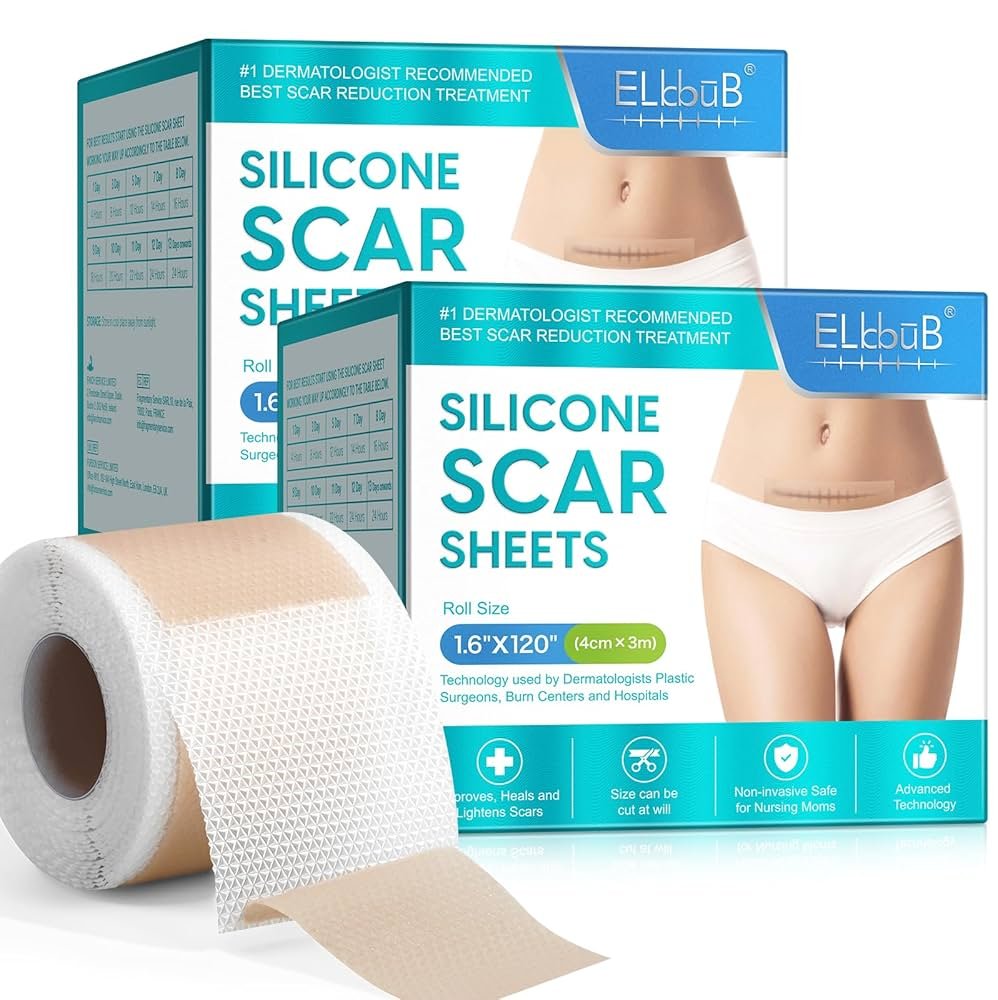
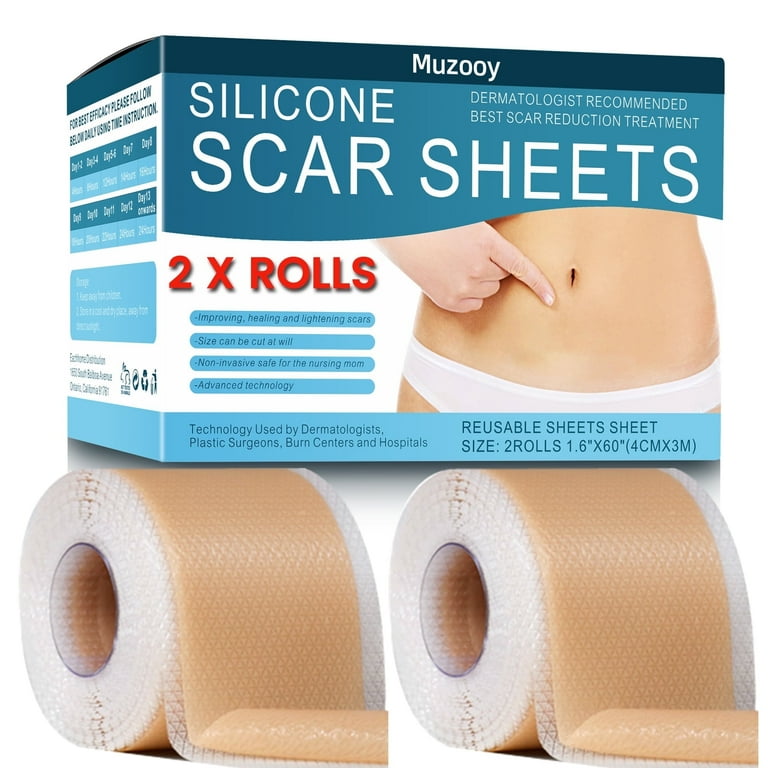
- Silicone Scar Tape:Made from medical-grade silicone, this type is the most popular. It is breathable and easy to apply, making it comfortable for daily use.
- Hydrocolloid Scar Tape:This tape absorbs excess fluid from the skin, which can help with scars that are still healing. It also maintains a moist environment to support skin regeneration.
- Elastic Scar Tape:Provides more flexibility and adapts to body movements. It’s useful for scars located on joints or areas that stretch frequently.
Which type fits your lifestyle best? Consider where your scars are and how much movement they endure before picking a tape. Your choice can make a big difference in both comfort and effectiveness.

Credit: www.amazon.com
Benefits For Acne Scars
Scar tape offers a simple yet effective way to support your skin’s healing process after acne outbreaks. It works directly on your scars, helping to improve their look and feel over time. If you’ve struggled with stubborn acne scars, understanding these benefits can change how you manage your skincare routine.
Reducing Redness And Inflammation
One of the immediate benefits you might notice with scar tape is a reduction in redness and inflammation around acne scars. The tape creates a protective barrier that shields sensitive skin from irritants and friction. This calm environment helps your skin settle faster, cutting down on persistent redness.
Think about how your skin feels after a long day of wearing a mask or touching your face repeatedly. Applying scar tape prevents such stress and keeps inflammation under control. Over time, this can lessen the bright red or purple tone that often makes scars stand out.
Minimizing Scar Appearance
Scar tape can also help flatten and soften raised scars, making them less noticeable. It applies gentle pressure and maintains consistent hydration, which supports better collagen alignment during healing. This means your scars may become smoother and blend more naturally with the surrounding skin.
Have you noticed how some scars look shiny and bumpy? Scar tape helps reduce this texture by encouraging your skin to heal evenly. You might find your confidence improves as your scars fade and become less visible.
Choosing The Right Scar Tape
Choosing the right scar tape for acne can make a big difference in your skin’s healing process. The tape you pick needs to fit your skin type, scar size, and daily routine. Getting it right means better results and more comfort throughout the day.
Material And Adhesion
Scar tapes come in various materials like silicone, fabric, and polyurethane. Silicone tape is popular because it’s gentle on the skin and helps keep moisture in, which aids healing. Fabric tapes might feel softer but can irritate sensitive skin or leave sticky residue.
Adhesion strength is another key factor. You want tape that stays put without pulling on your skin or causing redness. Have you ever used tape that peeled off too quickly or hurt when removed? Choosing a tape with the right stickiness ensures it stays effective without discomfort.
Size And Thickness
The size of the scar tape should match the size of your acne scars. Using a tape that’s too large can trap dirt and oil, causing more breakouts. On the other hand, tape that’s too small won’t cover the scar enough to protect it properly.
Thickness also matters. Thicker tapes provide more cushioning and protection but may be more noticeable on your skin. Thinner tapes are less visible but might not offer enough support for deeper scars. What balance works best for your daily activities and comfort?
Proper Application Techniques
Applying scar tape for acne correctly can make a significant difference in your skin’s healing process. The right technique ensures the tape sticks well and delivers maximum benefits without causing irritation. Let’s look at how to prepare your skin and place the tape effectively for the best results.
Skin Preparation
Start with clean, dry skin. Any oils, lotions, or sweat can prevent the tape from sticking properly. Use a gentle cleanser and pat your skin completely dry before applying the tape.
If you have sensitive skin, avoid harsh scrubs or alcohol-based products before applying the tape, as these can cause redness or discomfort. Have you noticed how a small amount of oil can make tape peel off within hours? Keeping your skin oil-free really helps.
For extra adhesion, you can lightly dust your skin with a bit of talcum powder or use an adhesive primer designed for skin tapes. But don’t overdo it; too much powder can also reduce stickiness.
Tape Placement Tips
Cut the tape to fit the size of your acne scars, leaving a small margin around each spot. This avoids unnecessary tension on the skin and reduces the chance of peeling.
Apply the tape smoothly without stretching it. Stretching can cause skin irritation or even worsen scarring. Press gently but firmly to secure the tape in place.
- Place the tape over the scar, avoiding overlapping on healthy skin as much as possible.
- Ensure edges are well stuck down to prevent lifting throughout the day.
- Replace the tape every 12 to 24 hours or as recommended by the product instructions.
Ever tried wearing the tape overnight? It can work wonders, but make sure your pillowcase is clean to avoid transferring oils and dirt back onto your skin. What’s your experience with tape lifting or irritation? Small adjustments in placement might solve those issues.
Duration And Frequency Of Use
Understanding how long and how often to use scar tape is key for effective acne scar treatment. Using the tape correctly helps improve skin healing and reduces scar visibility. This section explains the best practices for duration and frequency of use.
Recommended Wear Time
Scar tape should be worn for most of the day to be effective. Aim for at least 12 hours of continuous use each day. Many users find wearing the tape for 24 hours, except during showers, gives the best results.
Wearing the tape overnight is especially helpful. Skin repairs itself during sleep, so the tape supports this natural process. Avoid removing the tape too early to allow full benefit.
Replacing The Tape
Replace the scar tape every 3 to 5 days or when it loses stickiness. Keeping the tape clean and secure helps it work well. If the tape becomes dirty or starts peeling, change it immediately.
Always apply the new tape on clean, dry skin. This helps the tape stick better and prevents irritation. Regular replacement keeps the treatment consistent and supports faster healing.

Credit: www.amazon.com
Potential Side Effects
Scar tape can be a helpful tool in reducing acne scars, but it’s important to be aware of potential side effects before you start using it. While many people experience positive results, some may face skin issues that could affect their healing process. Understanding these risks helps you make an informed decision and care for your skin properly.
Skin Irritation Risks
Using scar tape means applying adhesive directly to your skin for extended periods. This constant contact can sometimes cause redness, itching, or a burning sensation, especially if your skin is sensitive.
Think about how your skin reacts to new products—have you noticed irritation with bandages or stickers before? If yes, scar tape might trigger similar discomfort. To minimize this, try patch testing the tape on a small area before using it on larger scars.
Allergic Reactions
Some scar tapes contain adhesives or materials that can cause allergic reactions. Symptoms might include swelling, rash, or blistering around the taped area.
If you experience any unusual skin changes, remove the tape immediately and consult a dermatologist. Remember, not all tapes are created equal—choosing hypoallergenic options can reduce this risk significantly.
Complementary Acne Scar Treatments
Scar tape can help reduce acne scars by supporting skin healing. Using it along with other treatments improves results. Many treatments work well with scar tape to smooth skin and fade marks.
Topical Products
Topical creams and gels can boost scar healing. Ingredients like silicone, vitamin E, and aloe vera soothe skin. Products with retinoids help skin renew faster. Use these alongside scar tape for better effects. Always apply products gently to avoid irritation.
Professional Procedures
Professional treatments target scars deeply and quickly. Options include laser therapy, microneedling, and chemical peels. These procedures stimulate collagen and skin repair. Dermatologists can customize treatments based on scar type. Combining these with scar tape supports long-term healing.
Credit: www.walmart.com
Real User Experiences
Hearing from real users can give you a clearer picture of what to expect from scar tape for acne. Their stories reveal not just the successes but also the hurdles they faced. These insights help you decide if scar tape fits your skincare routine.
Success Stories
Many users report noticeable improvements in their acne scars after using scar tape consistently for several weeks. One user shared how her stubborn cheek scars faded significantly, boosting her confidence during social events.
Another mentioned the tape’s ability to reduce redness and smooth the skin texture, making makeup application easier. These positive results often come from daily use combined with gentle skincare habits.
Have you noticed any small changes after trying new scar treatments? Sometimes, patience and routine make all the difference.
Common Challenges
Not every experience with scar tape is flawless. Some users find the tape irritating, especially if worn too long or applied to sensitive skin. A few mentioned mild itching or redness during the first few days.
Others struggled with the tape staying on during workouts or humid weather, which limited its effectiveness. Proper skin cleansing and drying before application can help improve adhesion and comfort.
What’s your biggest challenge when trying new skincare products? Understanding these obstacles can prepare you for better results with scar tape.
Frequently Asked Questions
What Is Scar Tape For Acne?
Scar tape is a silicone-based adhesive strip used to reduce acne scars. It helps flatten and fade raised scars over time. The tape protects scars from bacteria and external irritants, promoting faster healing and smoother skin appearance.
How Does Scar Tape Improve Acne Scars?
Scar tape applies gentle pressure and hydration, softening scar tissue. This minimizes redness and bumps, making scars less noticeable. Consistent use over weeks encourages skin regeneration and reduces scar thickness effectively.
Can Scar Tape Prevent New Acne Scars?
Yes, scar tape can prevent new scars by protecting healing skin. It shields wounds from infection and reduces inflammation. Early use after acne helps guide proper skin healing, decreasing the chance of scar formation.
Is Scar Tape Safe For Sensitive Skin?
Scar tape is generally safe for sensitive skin. It’s hypoallergenic and designed to reduce irritation. However, a patch test is recommended before full use to ensure no allergic reaction occurs.
Conclusion
Scar tape can help reduce acne scars over time. It protects skin and keeps it moist. Consistent use may improve scar appearance. It is gentle and easy to apply daily. Remember, results take weeks, so stay patient. Combine scar tape with good skincare habits.
Healthy skin heals better and looks smoother. Try scar tape as part of your routine. Give your skin the care it needs. Small steps can lead to clearer skin.
