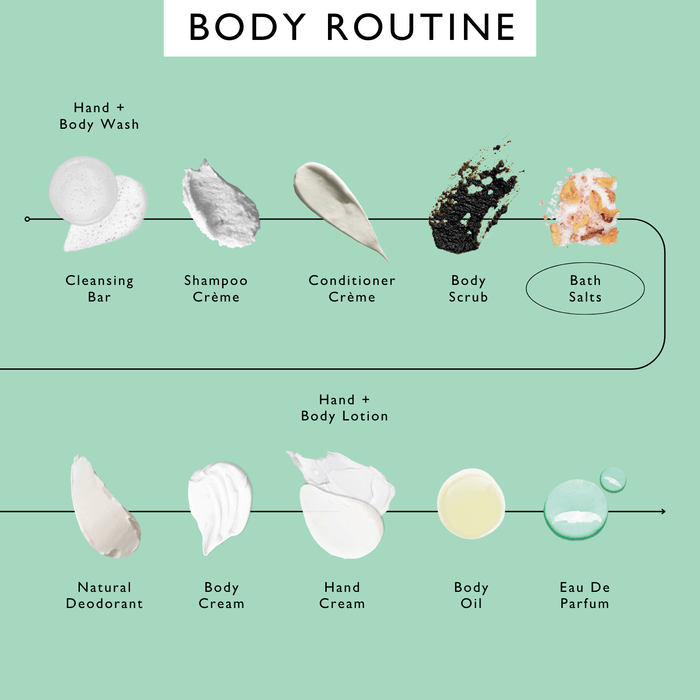
Are you looking for a simple way to refresh your skin and boost your natural glow? A salt skincare routine might be exactly what you need.
Salt has powerful cleansing and healing properties that can help clear your skin, reduce inflammation, and leave you feeling revitalized. Imagine a skincare ritual that not only cleanses but also nourishes your skin deeply. Keep reading to discover how salt can transform your daily routine and give your skin the care it truly deserves.
Credit: www.aleavia.com
Benefits Of Salt In Skincare
Salt has been used in skincare for centuries due to its natural healing powers. It offers many benefits that improve skin health and appearance. Salt contains minerals that cleanse, soothe, and nourish the skin gently. Using salt in your skincare routine can support clear, balanced, and glowing skin naturally.
Natural Exfoliation
Salt acts as a gentle scrub to remove dead skin cells. It smooths rough patches and brightens dull skin. The coarse texture helps clear pores and prevents clogged skin. Regular exfoliation with salt promotes fresh skin growth and a healthy glow.
Detoxifying Properties
Salt draws out toxins and impurities from the skin. It helps reduce inflammation and redness. Salt’s minerals support skin healing and calm irritation. Detoxifying with salt refreshes skin and reduces breakouts.
Balancing Skin Oils
Salt controls excess oil production without drying out skin. It balances oily and dry areas for a more even look. Salt’s natural minerals help maintain healthy moisture levels. Balanced skin feels comfortable and less prone to shine.

Credit: www.hollandandbarrett.com
Choosing The Right Salt For Your Skin
Choosing the right salt for your skincare routine can make a big difference in how your skin feels and looks. Not all salts are created equal, and understanding their unique properties helps you pick one that suits your skin type and needs. Let’s dive into some key factors that will guide your choice, from the type of salt to its texture and purity.
Sea Salt Vs. Himalayan Salt
Sea salt is harvested from evaporated ocean water and contains a variety of minerals like magnesium and calcium. It’s known for its natural exfoliating properties and is great if you want to gently remove dead skin cells.
Himalayan salt, on the other hand, comes from ancient salt deposits and is rich in trace minerals like iron, which gives it a pink hue. It tends to be less abrasive and might be better for sensitive skin types looking for a milder exfoliant.
Have you noticed how your skin reacts differently to various salts? Trying both types can help you decide which one leaves your skin feeling refreshed without irritation.
Grain Size And Texture
The grain size of salt affects how it exfoliates your skin. Coarser grains offer a stronger scrub, which is ideal for rough areas like elbows and feet but may be too harsh for the face.
Finer grains provide a gentler exfoliation, perfect for delicate skin or daily use. It’s easy to overdo it with coarse salt, so match the texture to the sensitivity of the skin area you are treating.
- Coarse salt:Good for body scrubs, tough on skin.
- Fine salt:Best for facial scrubs, gentle touch.
- Medium grain:Balanced option for most skin types.
Think about how often you want to exfoliate and where. Will a strong scrub fit into your routine, or do you need something softer?
Avoiding Additives
Many commercial salts come with added fragrances, anti-caking agents, or colorants. These additives can irritate your skin or cause allergic reactions, especially if your skin is sensitive or prone to redness.
Look for pure, unrefined salt options that list only salt as the ingredient. If you prefer organic or natural products, check for certifications or third-party testing to ensure purity.
Have you checked the ingredients on your current salt scrub? Sometimes, switching to a cleaner product can solve unexpected skin issues.
Preparing Your Skin For Salt Treatments
Preparing your skin before salt treatments is essential to maximize benefits and avoid irritation. Salt can exfoliate and detoxify, but if your skin isn’t ready, you might experience redness or dryness. Taking simple steps ahead of time ensures your skin responds well and feels refreshed after the treatment.
Cleansing Techniques
Start with a gentle cleanser that removes dirt and oil without stripping your skin. Avoid harsh soaps that can leave your skin vulnerable. Use lukewarm water to open pores but don’t overdo it—too much heat can cause sensitivity.
Pat your face dry with a soft towel instead of rubbing. This helps maintain your skin’s natural moisture barrier. Consider double cleansing if you wear makeup or sunscreen to ensure a clean base before salt application.
Patch Testing For Sensitivity
Salt treatments can be powerful, so testing your skin first is smart. Apply a small amount of salt solution or scrub to a discreet area like your wrist or behind your ear. Wait for 24 hours to check for any redness, itching, or irritation.
If you notice discomfort, your skin might be too sensitive for salt treatments or require a diluted version. Testing can save you from an uncomfortable reaction and help you adjust the treatment to suit your skin type better.
Simple Salt Skincare Steps
Salt offers a natural and effective way to care for your skin. It cleans deeply and helps remove dead skin cells. Salt’s minerals can refresh and soothe your skin gently. These simple salt skincare steps fit easily into daily routines.
Salt Scrub Recipes
Making your own salt scrub is easy and affordable. Combine coarse sea salt with a nourishing oil like coconut or olive oil. Add a few drops of essential oils for fragrance if you like. Gently rub the mixture on your skin in small circles. Rinse with warm water to reveal smoother skin.
- Mix 1 cup of sea salt with 1/2 cup of olive oil
- Add 5 drops of lavender or peppermint essential oil
- Massage on damp skin for 2-3 minutes
- Rinse off with warm water
Salt Water Toners
Salt water toners help balance your skin’s pH and tighten pores. Use warm water and dissolve a small amount of salt until clear. Apply it gently to your face with a cotton ball. Let it dry naturally before adding moisturizer. This toner refreshes your skin and reduces oiliness.
- Dissolve 1 teaspoon of sea salt in 1 cup of warm water
- Soak a cotton pad and apply to your face
- Allow toner to air dry
- Follow with your regular moisturizer
Salt Bath Soaks
Salt bath soaks relax muscles and soften skin. Add salt to your bath water for a calming soak. Use Epsom salt or sea salt for best results. Soak for 15-20 minutes to enjoy skin benefits and stress relief. Pat your skin dry and apply lotion after your bath.
- Add 1 to 2 cups of sea salt or Epsom salt to warm bath water
- Soak for 15-20 minutes
- Rinse off lightly if needed
- Moisturize skin after drying
Aftercare For Salt-treated Skin
Salt treatments can refresh and cleanse your skin deeply. Aftercare is key to keep your skin healthy and glowing. Proper care helps avoid dryness and irritation caused by salt’s natural exfoliating effect.
Focus on hydration, protection, and moderation. These steps support skin recovery and improve results from salt skincare.
Moisturizing Tips
Salt can strip natural oils from your skin. Apply a gentle, hydrating moisturizer right after treatment. Choose products with ingredients like aloe vera or hyaluronic acid. They soothe and lock in moisture.
Use a moisturizer twice daily. Pat it gently to avoid irritation. Avoid heavy creams that clog pores. Lightweight lotions work best for salt-treated skin.
Sun Protection
Salt treatments can make skin more sensitive to sunlight. Use a broad-spectrum sunscreen with at least SPF 30 daily. Reapply every two hours if you stay outdoors. Wear hats or protective clothing to shield skin further.
Avoid direct sun exposure during peak hours. This helps prevent sunburn and damage to delicate skin.
Avoiding Overuse
Too much salt exfoliation can harm your skin barrier. Limit salt treatments to 1-2 times per week. Overuse causes dryness, redness, and peeling.
Listen to your skin’s needs. Stop using salt products if irritation appears. Give skin time to heal before the next treatment.

Credit: www.amazon.com
Common Mistakes To Avoid
Salt skincare routines can offer refreshing benefits, but many people trip up on simple mistakes that reduce their effectiveness or even harm the skin. Avoiding these pitfalls will help you get the most from your salt treatments while keeping your skin healthy and glowing.
Using Too Much Salt
Salt is powerful and abrasive, so using too much can irritate your skin. I once overdid it and ended up with redness that lasted days—definitely not worth it. Start with a small amount and gently massage; a little goes a long way.
Remember, salt can dry out your skin if overused. If you notice tightness or flakiness after your routine, cut back immediately. Have you ever felt your skin sting after a salt scrub? That’s a clear sign to reduce the quantity.
Skipping Moisturizer
Salt can strip natural oils, so skipping moisturizer is a common mistake that leaves skin dry and flaky. After your salt treatment, always apply a hydrating lotion or oil to restore moisture balance.
Think of moisturizer as the finishing touch that seals in the benefits. Without it, your skin might feel rough and uncomfortable. What’s your favorite moisturizer to soothe skin after exfoliation?
Applying On Broken Skin
Never apply salt-based products on broken or irritated skin. I learned this the hard way when a small cut stung intensely after a salt scrub. Salt can worsen wounds and delay healing.
If you have cuts, rashes, or sunburn, wait until your skin is fully healed before using salt treatments. This protects your skin and prevents unnecessary pain. Have you checked your skin carefully before starting a new routine?
Boosting Your Glow With Salt Routine
Salt has a unique way of refreshing your skin and giving it a natural glow. Using salt in your skincare routine can help remove dead skin cells, balance oil levels, and promote circulation. But how do you get the best results? Let’s look at how combining salt with other natural ingredients and sticking to a consistent routine can boost your glow.
Combining With Other Natural Ingredients
Salt works well with many natural ingredients that enhance its benefits. Mixing salt with honey adds moisture and helps soothe irritated skin. Adding a bit of lemon juice can brighten your complexion, but be careful if you have sensitive skin.
You might also try blending salt with coconut oil. This combination exfoliates while deeply nourishing your skin. The oil helps lock in moisture after salt removes dead cells, leaving your skin soft and radiant.
- Salt + honey for hydration and gentle cleansing
- Salt + lemon for natural brightening
- Salt + coconut oil for exfoliation and moisture
Consistent Routine Benefits
Using a salt-based routine regularly can make a big difference. Your skin starts to feel smoother and looks more even over time. I noticed that after just two weeks of using a salt scrub twice a week, my skin’s texture improved noticeably.
Consistency helps your skin adjust and respond better. It’s not about quick fixes but steady care. Are you ready to commit to a simple routine that rewards your skin with lasting glow?
Frequently Asked Questions
What Are The Benefits Of A Salt Skincare Routine?
Salt skincare helps exfoliate dead skin, balance oil, and reduce inflammation. It also promotes clearer, smoother skin by unclogging pores and improving circulation naturally.
How Often Should I Use Salt In My Skincare Routine?
Use salt-based products 2-3 times a week. Overuse can dry out skin. Adjust frequency based on your skin type and sensitivity.
Can Salt Skincare Help With Acne-prone Skin?
Yes, salt’s antibacterial properties reduce acne-causing bacteria. It helps calm inflammation and speeds up healing of blemishes when used properly.
Is Sea Salt Better Than Regular Salt For Skincare?
Sea salt contains minerals like magnesium and calcium that nourish skin. It’s generally preferred over table salt for its natural benefits.
Conclusion
A salt skincare routine can truly enhance your skin’s health. Salt helps cleanse and exfoliate gently. It removes dead skin cells effectively. This routine suits most skin types. Especially for those needing deep cleansing. Always patch test before full application.
Keep your skin hydrated and moisturized. Balance is key in skincare. Salt is a natural, simple ingredient. It offers many skin benefits. Embrace this routine for clearer skin. Enjoy a refreshing and revitalized complexion. Remember, healthy skin boosts confidence. Take care of your skin every day.
Your skin will thank you.
