Are you tired of battling stubborn acne scars that seem to linger no matter what you try? You’re not alone.
Acne scars can affect your confidence and make you feel self-conscious about your skin. But there’s hope! Salicylic acid might just be the game-changer you’ve been looking for. This powerful ingredient is known for its ability to gently exfoliate and clear clogged pores, but did you know it can also help fade those persistent scars?
Imagine looking in the mirror and seeing smoother, clearer skin staring back at you. Intrigued? Keep reading to discover how salicylic acid can transform your skin and boost your confidence.
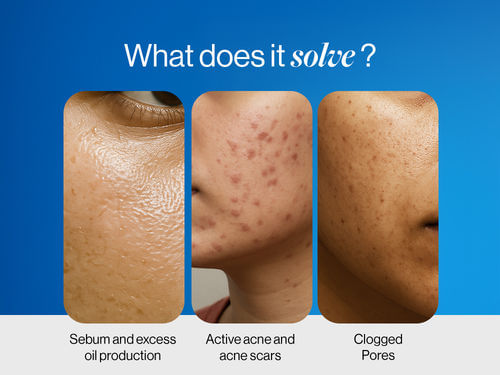
Credit: bebodywise.com
How Salicylic Acid Works
Understanding how salicylic acid works can change the way you approach acne scars. This powerful ingredient targets the root causes of acne and helps to fade scars over time. Let’s break down the key actions of salicylic acid on your skin.
Exfoliation And Pore Cleansing
Salicylic acid is a beta hydroxy acid (BHA) that gently exfoliates your skin. It penetrates deep into the pores and dissolves dead skin cells that clog them.
This process prevents blackheads and whiteheads from forming. Imagine clearing out a clogged drain—salicylic acid does this for your pores, allowing your skin to breathe and heal.
Reducing Inflammation
Acne often leaves behind redness and swelling, which can make scars more noticeable. Salicylic acid has anti-inflammatory properties that calm irritated skin.
Using it regularly can reduce swelling and redness, helping your scars blend in better with the rest of your skin. Have you noticed how calming your skin feels after applying a product with salicylic acid?
Preventing Future Breakouts
One of the best ways to reduce acne scars is to prevent new acne from forming. Salicylic acid helps by unclogging pores and controlling oil production, two main triggers for breakouts.
This means fewer pimples and less chance of new scars developing. Consistency is key here—regular use can keep your skin clearer over time.

Credit: www.reddit.com
Types Of Acne Scars
Acne scars appear in different forms and textures. Knowing the types helps choose the right treatment. Each scar type affects the skin differently. Some scars are deep, while others are raised or dark. Understanding these differences can improve healing and skin care.
Atrophic Scars
Atrophic scars are sunken or depressed marks on the skin. They happen when the skin loses collagen during healing. These scars look like small pits or craters. Common types include ice pick, boxcar, and rolling scars. They often appear after severe acne or cysts.
Hypertrophic Scars
Hypertrophic scars are raised and thickened skin patches. They form from excess collagen during wound healing. These scars stay within the original acne spot area. Unlike keloids, they do not grow beyond the injury site. They can be red or pink and feel firm to touch.
Post-inflammatory Hyperpigmentation
This type is not a true scar but a dark spot left after acne heals. The skin produces extra pigment in response to inflammation. These spots can be brown, red, or purple. They fade over time but may take months to disappear. Sun protection helps prevent worsening of these marks.
Salicylic Acid For Scar Treatment
Salicylic acid helps treat acne scars by promoting skin renewal and reducing inflammation. It gently exfoliates dead skin cells and clears clogged pores. This process encourages new skin growth and smooths uneven texture. The acid also penetrates deep into pores to reduce swelling and redness. Its anti-inflammatory properties calm irritated skin, making scars less noticeable over time.
Chemical Peels
Chemical peels with salicylic acid remove the top skin layer. This helps fade dark spots and scars. The peel stimulates new skin to replace damaged areas. It is suitable for oily and acne-prone skin types. Peels vary in strength and should be done by professionals. Multiple sessions improve scar appearance gradually.
Topical Serums And Creams
Serums and creams with salicylic acid offer daily scar care. These products exfoliate gently and keep pores clear. They reduce oiliness and prevent new acne breakouts. Regular use smooths skin texture and lightens scars. Choose formulas with low acid concentration for sensitive skin. Consistency is key to seeing visible results.
Microneedling With Salicylic Acid
Microneedling creates tiny skin punctures to boost healing. Combining it with salicylic acid improves scar treatment effects. The acid cleans pores and reduces inflammation during healing. This combo promotes collagen production and skin regeneration. It is best performed by skincare experts for safety. Sessions spaced weeks apart yield better scar fading.

Credit: www.classycosmeticclinic.com
Choosing The Right Product
Choosing the right salicylic acid product is key to treating acne scars effectively. The market offers many options, but not all suit every skin type or concern. Understanding product details helps pick the best fit for your skin’s needs.
Concentration Levels
Salicylic acid products come in different strengths. Lower concentrations, like 0.5% to 2%, suit sensitive or dry skin. Higher levels, up to 5%, target stubborn scars and oily skin. Start with a mild formula and increase if needed. Stronger products can cause irritation if used incorrectly.
Formulation Types
Salicylic acid is available in several forms. Common types include:
- Cleansers – gentle and easy to rinse off
- Serums – concentrated and fast-absorbing
- Toners – balance skin and remove excess oil
- Spot treatments – focus on specific scar areas
- Moisturizers – combine hydration with mild acid
Choose a form that fits your routine and comfort level. Creams and serums often provide deeper treatment.
Skin Type Considerations
Know your skin type before choosing a product. Oily and acne-prone skin benefits from stronger salicylic acid. Dry or sensitive skin requires gentle, hydrating formulas. Combination skin may need different products for different areas. Patch test new products to avoid reactions. Proper choice prevents dryness and redness.
Application Tips
Applying salicylic acid correctly can improve acne scars and prevent skin irritation. Careful use helps the acid work best and keeps your skin safe. Follow simple steps to get the most benefits from your treatment.
Patch Testing
Test salicylic acid on a small skin area before full use. Apply a tiny amount on your wrist or behind your ear. Wait 24 hours to check for redness or irritation. If there is no reaction, it is safe to use on your face.
Frequency And Timing
Start with applying salicylic acid once every two days. Watch how your skin reacts. If no irritation appears, use it daily or as directed. Use it at night to avoid sun sensitivity. Keep your skin clean before application for better absorption.
Sun Protection
Salicylic acid makes your skin more sensitive to the sun. Use sunscreen every day to protect your skin. Choose a broad-spectrum sunscreen with at least SPF 30. Wear hats and avoid direct sun exposure during peak hours. This prevents darkening of scars and skin damage.
Complementary Treatments
Complementary treatments support salicylic acid in fading acne scars. They improve skin texture and boost healing. Combining these methods helps achieve smoother and clearer skin faster.
Retinoids And Vitamin C
Retinoids increase skin cell turnover. This process helps fade scars and smooth skin. Vitamin C brightens skin and reduces dark marks from acne scars. Using both together can enhance scar healing and skin renewal.
Moisturizers And Hydrators
Moisturizers keep skin soft and prevent dryness caused by salicylic acid. Hydrators like hyaluronic acid attract water to the skin. Well-hydrated skin heals faster and looks healthier. Choose gentle, non-comedogenic products to avoid clogging pores.
Professional Procedures
Dermatologists offer treatments like chemical peels, microneedling, and laser therapy. These procedures target deep scars and promote collagen growth. They work well alongside salicylic acid for better results. Always seek professional advice before starting these treatments.
Potential Side Effects
Using salicylic acid to treat acne scars can be effective, but it’s important to be aware of potential side effects. Understanding these effects helps you manage your skin better and avoid setbacks. Let’s look at some common reactions you might face and when you should seek professional advice.
Irritation And Dryness
Salicylic acid works by exfoliating the skin, which can sometimes lead to irritation. You might notice redness, peeling, or a tight feeling, especially if you have sensitive skin.
Dryness often accompanies irritation, leaving your skin flaky or rough. To prevent this, try using a gentle moisturizer and avoid applying salicylic acid too frequently.
Allergic Reactions
Though rare, allergic reactions to salicylic acid can happen. Symptoms include severe itching, swelling, or a rash that spreads beyond the treated area.
If you experience any of these signs, stop using the product immediately. It’s crucial not to ignore these symptoms, as allergic reactions can worsen quickly.
When To Consult A Dermatologist
If irritation lasts more than a week despite moisturizing and reducing product use, it’s time to consult a dermatologist. Persistent redness, pain, or swelling also warrant professional evaluation.
Don’t hesitate to seek help if you’re unsure whether your skin’s reaction is normal. A dermatologist can tailor your treatment plan and suggest alternatives that suit your skin type better.
Real-life Results
Seeing real-life results is what truly matters when you try Salicylic Acid for acne scars. Many users share their journeys, showing how consistent use can lead to noticeable improvements. These stories help set realistic expectations and inspire you to stay committed to your skincare routine.
User Testimonials
Many people report clearer, smoother skin after using Salicylic Acid regularly. One user mentioned, “After 6 weeks, my acne scars started fading, and my skin felt less oily.” Another shared, “I noticed smaller bumps and less redness within the first month.”
Some users highlight how gentle yet effective Salicylic Acid feels compared to harsher treatments. Does hearing these experiences encourage you to give it a steady try?
Before And After Photos
Visual proof often makes the biggest impact. Before and after photos show how Salicylic Acid targets scars and uneven texture over time. You can see faded dark spots and reduced inflammation.
- Photos from users at 4 weeks show early softening of scars.
- At 8 weeks, many reveal smoother skin and less noticeable marks.
- By 12 weeks, some achieve significant improvement, with scars almost gone.
Would seeing these transformations motivate you to track your own progress with photos?
Expected Timelines
Results don’t happen overnight. Typically, you can expect to notice subtle changes within 3 to 4 weeks. This might include reduced redness and smaller acne lesions.
Between 6 and 12 weeks, scars often begin to fade more visibly. However, deeper scars may take longer or need additional treatments.
Are you prepared to give your skin time and patience for the best outcome? Consistency is key to seeing real improvement.
Frequently Asked Questions
What Is Salicylic Acid’s Role In Treating Acne Scars?
Salicylic acid exfoliates skin gently, removing dead cells and promoting new cell growth. It reduces acne scars by clearing pores and fading discoloration, improving skin texture over time.
How Long Does Salicylic Acid Take To Fade Acne Scars?
Salicylic acid usually shows results in 4 to 6 weeks. Consistent use helps fade scars gradually by encouraging skin renewal and reducing inflammation.
Can Salicylic Acid Cause Irritation On Scarred Skin?
Salicylic acid may cause mild irritation, especially on sensitive or scarred skin. Start with lower concentrations and use moisturizer to minimize dryness or redness.
Is Salicylic Acid Safe For All Skin Types With Acne Scars?
Salicylic acid is generally safe for oily and combination skin. People with dry or sensitive skin should use it cautiously to avoid irritation.
Conclusion
Salicylic acid helps reduce acne scars by gently removing dead skin. It cleans pores and reduces inflammation, making skin clearer. Using it regularly can improve skin texture and tone. Start with a small amount to avoid irritation. Patience is key; results take time to show.
Combine with sunscreen for best protection. Healthy skin habits support faster healing. Salicylic acid is a helpful tool for smoother skin. Keep your routine simple and consistent for success.
