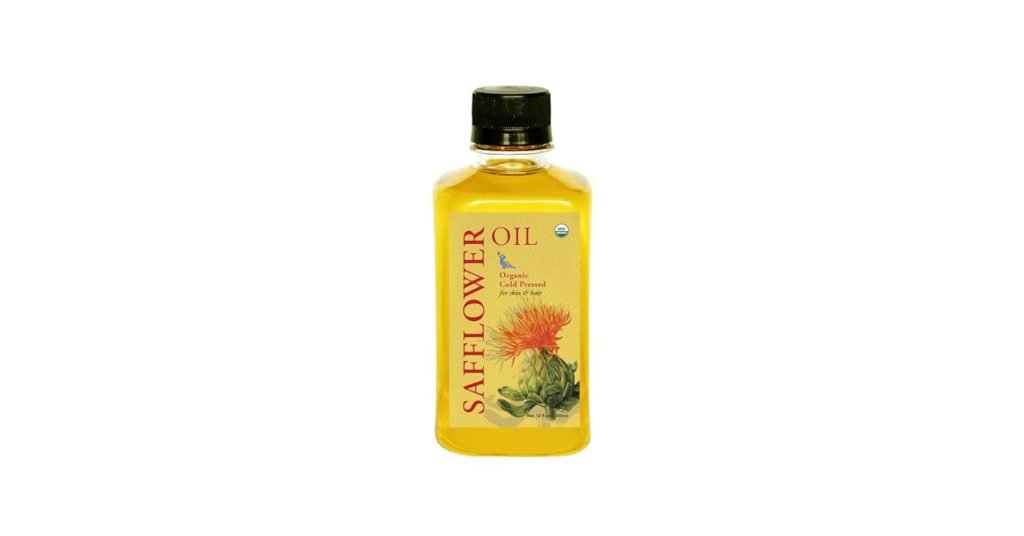
Have you ever wondered if there’s a simple, natural solution to help your skin glow with health? Safflower oil might just be the secret you’ve been searching for.
This golden oil is packed with benefits that can transform your skincare routine. Imagine having a skincare product that not only moisturizes but also enhances your skin’s natural beauty without any harsh chemicals. Intrigued? Keep reading to discover how safflower oil can become your skin’s new best friend and why incorporating it into your daily regimen could be the best decision for your skin’s future.
Nutritional Profile Of Safflower Oil
Safflower oil stands out not just for its light texture but also for a nutritional profile that benefits your skin profoundly. Understanding what’s inside this oil can help you decide how to best use it in your skincare routine. Let’s break down the key nutrients and their effects on your skin’s health and appearance.
Nutrient Composition Of Safflower Oil
Safflower oil is packed with essential fatty acids, primarily linoleic acid. This omega-6 fatty acid helps maintain the skin’s barrier function and keeps it hydrated. It also contains oleic acid, which supports skin elasticity and softness.
Vitamins And Antioxidants
This oil contains vitamin E, a powerful antioxidant that protects your skin from damage caused by free radicals. Vitamin E also helps reduce inflammation, making it a great choice if you have sensitive or irritated skin. Have you noticed how your skin reacts to antioxidant-rich products?
Fatty Acids Breakdown
| Fatty Acid | Approximate Percentage | Skin Benefit |
|---|---|---|
| Linoleic Acid (Omega-6) | 70-80% | Hydrates and strengthens skin barrier |
| Oleic Acid (Omega-9) | 10-15% | Enhances skin elasticity and softness |
| Palmitic Acid | 5-7% | Provides moisturizing properties |
How These Nutrients Impact Your Skin
The high linoleic acid content can help reduce acne by balancing your skin’s natural oils. Vitamin E’s antioxidant properties work to slow down visible aging signs. If your skin feels dry or tight, safflower oil’s fatty acids can restore moisture without clogging pores.

Credit: www.nofrills.ca
Moisturizing Effects On Skin
Safflower oil offers excellent moisturizing benefits for the skin. It helps maintain skin hydration by locking in moisture. This oil is light and non-greasy, making it suitable for all skin types.
Its natural fatty acids nourish the skin deeply. These nutrients improve skin texture and softness. Safflower oil also supports the skin’s barrier, preventing dryness and irritation.
How Safflower Oil Locks In Moisture
Safflower oil contains linoleic acid, a key fatty acid. This acid strengthens the skin’s outer layer. It forms a protective shield that reduces water loss. As a result, skin stays hydrated longer.
Benefits For Dry And Sensitive Skin
This oil soothes dry, flaky skin effectively. It calms redness and inflammation without clogging pores. Sensitive skin types often find relief using safflower oil daily.
Lightweight Texture Ideal For Daily Use
Safflower oil absorbs quickly into the skin. It does not leave a heavy or oily residue. This makes it perfect for morning and night skincare routines.
Natural Antioxidants Support Skin Health
The oil contains vitamin E, a powerful antioxidant. It protects the skin from damage caused by free radicals. This helps maintain a healthy, glowing complexion.
Anti-aging Properties
Safflower oil offers natural benefits to slow skin aging. It contains nutrients that protect and nourish the skin deeply. Regular use helps maintain a youthful and radiant look.
Rich Source Of Antioxidants
Safflower oil is full of antioxidants. These fight free radicals that cause skin damage. Antioxidants help reduce wrinkles and fine lines. They keep skin firm and smooth over time.
High In Linoleic Acid
This oil has a lot of linoleic acid. It is an essential fatty acid for skin health. Linoleic acid strengthens the skin barrier. It locks in moisture and prevents dryness.
Boosts Collagen Production
Safflower oil supports collagen growth. Collagen keeps skin elastic and tight. More collagen means fewer sagging signs. This oil helps skin look fresh and youthful.
Improves Skin Hydration
Hydrated skin shows fewer aging signs. Safflower oil deeply moisturizes the skin. It keeps skin soft and plump. Well-moisturized skin resists wrinkles better.
Acne Prevention And Treatment
Acne can be frustrating and stubborn, but safflower oil offers a gentle, natural way to help manage and prevent breakouts. Its unique properties work to calm inflammation and balance your skin’s oil levels without clogging pores. If you struggle with acne-prone skin, understanding how safflower oil can fit into your routine might change the way you approach skincare.
How Safflower Oil Helps Control Acne
Safflower oil is rich in linoleic acid, a fatty acid that helps reduce clogged pores. Many people with acne have lower linoleic acid levels in their skin, which can lead to excess oil and breakouts.
Applying safflower oil can restore this balance, making your skin less oily and preventing the formation of pimples. It also gently exfoliates dead skin cells, keeping pores clear without irritation.
Anti-inflammatory Benefits For Soothed Skin
Acne often comes with redness and swelling, which can be uncomfortable and unsightly. Safflower oil contains anti-inflammatory compounds that calm irritated skin quickly.
Using it regularly can reduce redness and speed up healing, so your skin looks healthier even during flare-ups. Have you noticed how calming your skin feels after moisturizing with something light and soothing?
How To Use Safflower Oil For Acne-prone Skin
- Apply a few drops to clean, damp skin to lock in moisture without heaviness.
- Mix it with your favorite non-comedogenic moisturizer to boost hydration and acne defense.
- Use it as a gentle makeup remover to avoid harsh chemicals that aggravate acne.
Try incorporating safflower oil into your nighttime routine and observe how your skin responds over a couple of weeks. You might find your breakouts become less frequent and your skin texture smoother.
Soothing Sensitive Skin
Safflower oil is gentle and kind to sensitive skin. It calms irritation and reduces redness. This oil helps skin feel soft without causing harm. Its natural ingredients support skin health and comfort.
Anti-inflammatory Properties
Safflower oil contains compounds that fight skin inflammation. These help soothe itchy and irritated areas. It reduces swelling and eases discomfort quickly. Sensitive skin benefits from this calming effect.
Moisturizes Without Clogging Pores
The oil hydrates skin deeply but stays light. It does not block pores or cause breakouts. This makes it safe for sensitive and acne-prone skin. Skin stays smooth and nourished all day.
Rich In Linoleic Acid
Linoleic acid is a key part of safflower oil. It helps repair the skin barrier gently. This acid locks in moisture and protects skin from damage. Sensitive skin becomes stronger and less reactive.
Improves Skin Texture
Regular use of safflower oil softens rough patches. It evens out the skin’s surface and tone. Sensitive skin looks healthier and feels more comfortable. The oil supports natural skin renewal.
Safe For Daily Use
- Non-irritating and mild on skin
- Suitable for all skin types, especially sensitive
- Can be used alone or mixed with creams
- Absorbs quickly without leaving residue
Enhancing Skin Barrier Function
Enhancing your skin barrier function is essential for maintaining healthy, glowing skin. The skin barrier acts like a shield, protecting you from environmental stress and locking in moisture. Safflower oil is a natural ally that can strengthen this barrier, helping your skin stay resilient and hydrated.
How Safflower Oil Supports The Skin Barrier
Safflower oil is rich in linoleic acid, an essential fatty acid that plays a key role in repairing and maintaining your skin’s outer layer. When your skin lacks linoleic acid, it can become dry and prone to irritation. Using safflower oil regularly adds this vital nutrient back, helping your skin rebuild its barrier.
Moisture Retention Benefits
One of the main jobs of the skin barrier is to keep moisture inside your skin. Safflower oil forms a lightweight, breathable layer that locks in hydration without clogging pores. Have you noticed how your skin feels softer and plumper after applying safflower oil? That’s the oil working to seal in moisture.
Reducing Skin Sensitivity And Irritation
If your skin barrier is weak, you might experience redness or sensitivity more often. Safflower oil soothes inflammation by calming irritated skin and reducing redness. Including it in your skincare routine can help you avoid flare-ups and keep your skin calm.
Tips For Using Safflower Oil To Strengthen Your Skin Barrier
- Apply a few drops to damp skin to trap moisture effectively.
- Mix it with your favorite moisturizer for extra nourishment.
- Use it consistently, especially during harsh weather, to support barrier repair.
Have you tried safflower oil to improve your skin’s barrier? Pay attention to how your skin reacts over a few weeks—you might be surprised by the difference.
How To Use Safflower Oil Safely
Using safflower oil on your skin can bring many benefits. Proper use ensures safety and effectiveness. Follow simple guidelines to protect your skin and enjoy its nourishing properties.
Application Tips
- Apply a small amount to clean, dry skin.
- Gently massage in circular motions for better absorption.
- Use safflower oil mainly at night for deep hydration.
- Avoid applying near eyes to prevent irritation.
- Store the oil in a cool, dark place to keep it fresh.
Patch Testing
Test safflower oil on a small skin area before full use. Apply a drop on your wrist or behind the ear. Wait 24 hours to check for redness or itching. No reaction means it is safe to use on your face or body.
Combining With Other Skincare Products
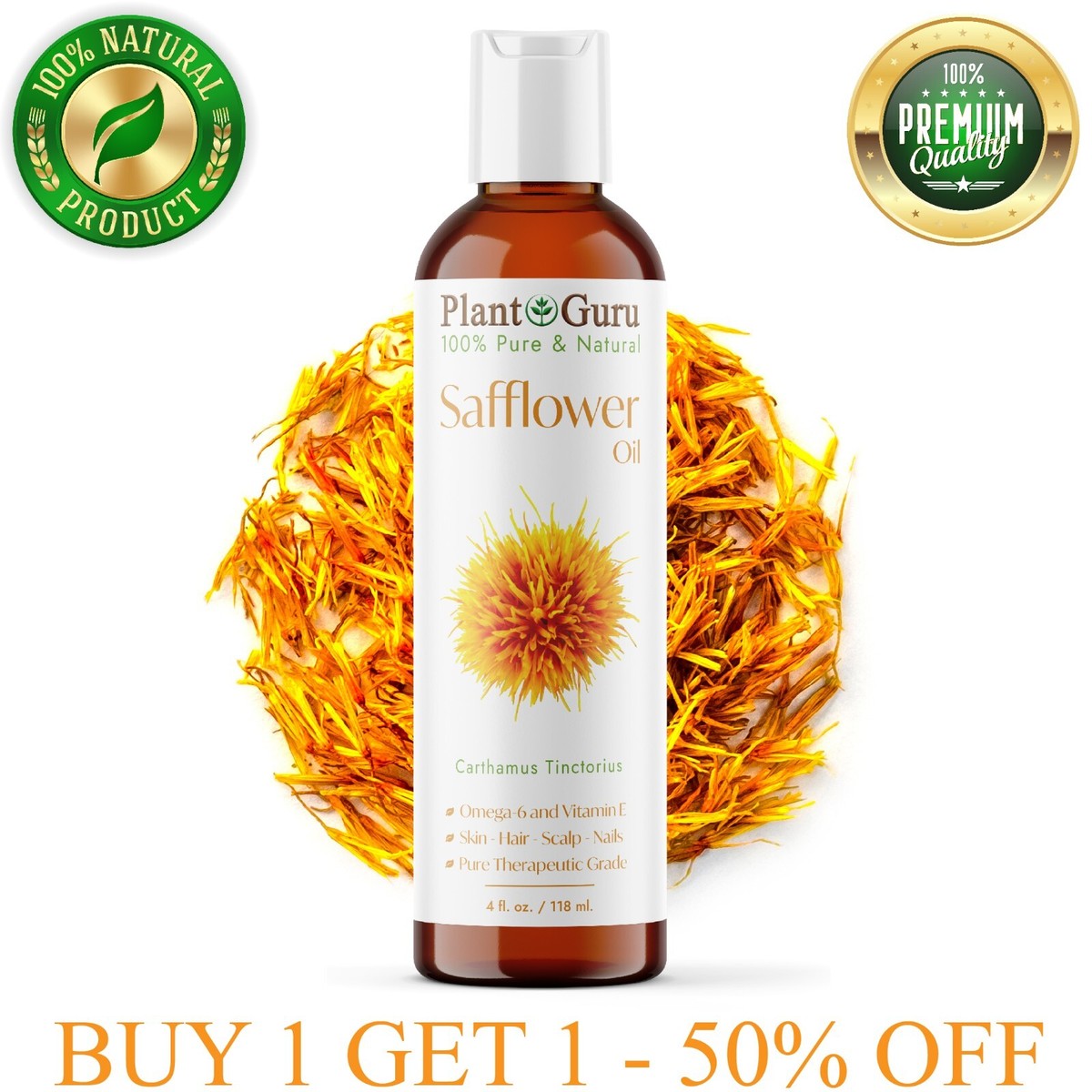
Mix safflower oil with gentle moisturizers or serums. Avoid combining with harsh acids or retinoids to prevent irritation. Use oil after applying water-based products for better layering. Always observe how your skin reacts to new combinations.
Credit: www.ebay.com
Diy Skincare Recipes With Safflower Oil
Safflower oil offers many benefits for skin care. It is rich in fatty acids and vitamins that nourish and protect the skin. Making your own skincare products with safflower oil is simple and effective. These DIY recipes use natural ingredients to keep your skin healthy and glowing.
Hydrating Face Mask
This mask deeply moisturizes dry skin and adds a soft glow.
- 2 tablespoons safflower oil
- 1 tablespoon honey
- 1 tablespoon plain yogurt
Mix all ingredients in a bowl. Apply evenly to your face. Leave on for 15 minutes. Rinse with warm water and pat dry.
Nourishing Body Scrub
Exfoliate dead skin and hydrate your body with this scrub.
- 3 tablespoons safflower oil
- 1/2 cup brown sugar
- 1 teaspoon vanilla extract (optional)
Combine all ingredients well. Gently massage onto damp skin in circular motions. Rinse off with warm water for smooth, soft skin.
Calming Facial Serum
This serum soothes irritated skin and reduces redness.
- 1 tablespoon safflower oil
- 5 drops lavender essential oil
- 3 drops chamomile essential oil
Mix the oils in a small bottle. Apply a few drops to clean skin. Massage gently until absorbed. Use daily for calm, balanced skin.
Comparing Safflower Oil With Other Oils
Choosing the right oil for your skin can be confusing with so many options available. Safflower oil stands out for its unique benefits, but how does it compare to other popular oils? Understanding these differences can help you pick the best one for your skin type and needs.
Safflower Oil Vs. Coconut Oil
Safflower oil is rich in linoleic acid, which helps reduce clogged pores and is great for oily and acne-prone skin. Coconut oil, on the other hand, contains more saturated fats, making it deeply moisturizing but potentially pore-clogging for some.
If you struggle with breakouts, safflower oil might suit you better. But if your skin is very dry, coconut oil’s heavier texture could provide the hydration you need.
Safflower Oil Vs. Jojoba Oil
Jojoba oil closely mimics your skin’s natural sebum, making it excellent for balancing oil production. Safflower oil is lighter and absorbs quickly, which can be ideal for those who dislike a greasy feeling.
Both oils are non-comedogenic, but jojoba’s antibacterial properties give it an edge in fighting acne-causing bacteria. Have you tried switching between these oils to see how your skin reacts?
Safflower Oil Vs. Argan Oil
Argan oil is packed with antioxidants and vitamin E, offering anti-aging benefits and a luxurious feel. Safflower oil focuses more on soothing inflammation and improving skin texture with its high linoleic acid content.
If your goal is to calm redness or prevent acne scars, safflower oil might work better. For anti-aging effects, argan oil could be a smarter choice.
Quick Comparison Table
| Oil | Main Benefits | Best For | Texture |
|---|---|---|---|
| Safflower Oil | High linoleic acid, reduces acne, anti-inflammatory | Oily & acne-prone skin | Light, fast-absorbing |
| Coconut Oil | Deeply moisturizing, antibacterial | Dry skin | Thick, heavy |
| Jojoba Oil | Mimics skin sebum, antibacterial | All skin types, especially oily | Medium, non-greasy |
| Argan Oil | Rich in antioxidants, anti-aging | Mature or dry skin | Light to medium |
What do you want most from an oil—hydration, acne control, anti-aging? Your answer will guide the best choice. Trying safflower oil alongside others might reveal surprising benefits for your unique skin.
Potential Side Effects And Precautions
Safflower oil offers many skin benefits but may cause side effects in some people. Knowing these effects helps avoid skin problems. Precautions ensure safe use and protect sensitive skin.
Test the oil on a small skin patch before full use. Watch for redness, itching, or swelling. Stop use if irritation occurs.
Allergic Reactions
Some individuals may be allergic to safflower oil. Symptoms include itching, rash, or swelling. Severe allergies are rare but possible. Avoid use if allergies to sunflower or similar oils exist.
Skin Sensitivity
Safflower oil can cause sensitivity in delicate or damaged skin. It may worsen redness or dryness. Use sparingly on sensitive areas. Moisturize skin well after application.
Interaction With Medications
Safflower oil might interact with blood-thinning medications. This could increase bleeding risk. Consult a doctor before use if on such medicines.
Proper Storage
Keep safflower oil in a cool, dark place. Exposure to heat or light can spoil the oil. Use fresh oil to avoid skin irritation from rancidity.
Recommended Usage
- Use a few drops for facial application.
- Mix with a carrier oil if skin feels dry.
- Avoid applying on broken or irritated skin.
- Limit use to once or twice daily.

Credit: www.amazon.com
Frequently Asked Questions
What Are The Benefits Of Safflower Oil For Skin?
Safflower oil moisturizes skin deeply, reduces dryness, and improves texture. It contains linoleic acid which helps balance oily skin and fight acne. Its anti-inflammatory properties soothe irritation and redness, promoting healthy, glowing skin.
Is Safflower Oil Good For Acne-prone Skin?
Yes, safflower oil is ideal for acne-prone skin. It regulates sebum production and unclogs pores. Its non-comedogenic nature prevents breakouts while calming inflammation, helping reduce acne and promoting clearer skin.
How To Use Safflower Oil On Skin Safely?
Apply a few drops of safflower oil to clean skin. Gently massage it in circular motions until fully absorbed. Use it as a moisturizer or mix with your favorite creams for enhanced hydration. Always do a patch test first.
Can Safflower Oil Reduce Signs Of Aging?
Yes, safflower oil helps reduce aging signs. Its antioxidants fight free radicals that cause wrinkles and fine lines. Regular use improves skin elasticity and firmness, giving a youthful and radiant complexion.
Conclusion
Safflower oil helps keep your skin soft and smooth. It soothes dry and irritated skin easily. Rich in vitamins, it supports skin health daily. Using it regularly can improve your skin’s glow. A gentle, natural option for many skin types.
Try it to see how your skin feels. Simple care with safflower oil brings good results. Give your skin the gentle touch it needs.
