Are you tired of looking in the mirror and seeing stubborn acne scars that just won’t fade? You’re not alone.
Those marks can feel like a constant reminder of past breakouts, affecting your confidence every day. But what if there was a natural, gentle way to help reduce those scars and reveal smoother, clearer skin? Sabila, also known as aloe vera, has been used for centuries for its healing properties.
You’ll discover how sabila can work wonders on your acne scars and why it might be the simple solution your skincare routine is missing. Keep reading—you’re closer than you think to healthier, glowing skin.
Benefits Of Sabila For Skin
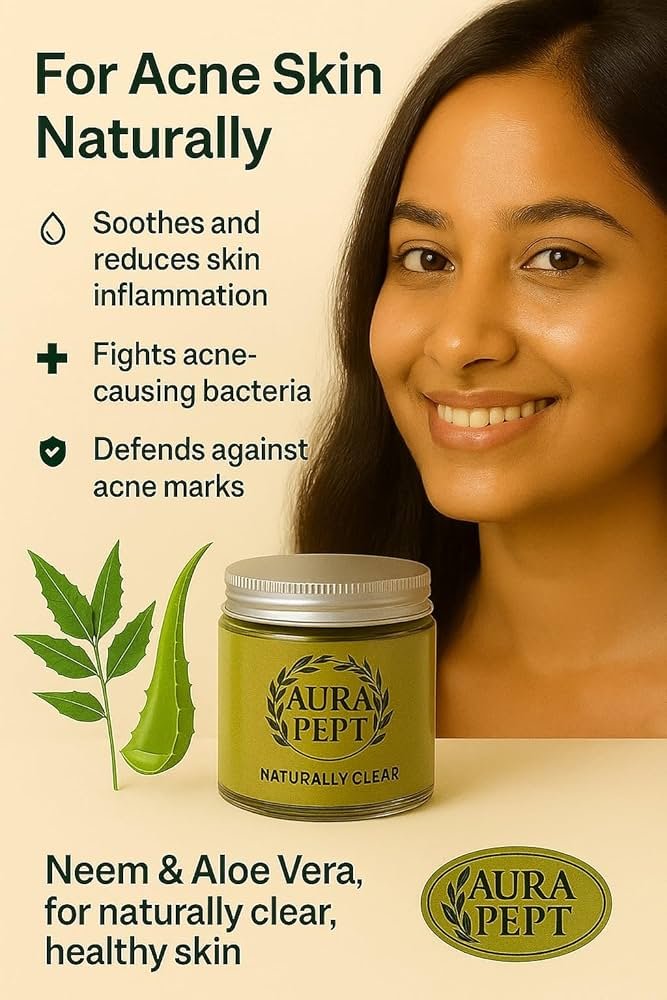
Sabila, also known as aloe vera, offers many benefits for skin health. It helps soothe irritated skin and supports healing. This makes it a popular choice for treating acne scars naturally. The plant’s gentle nature suits all skin types, including sensitive skin. Using sabila can improve skin texture and appearance over time.
Anti-inflammatory Properties
Sabila reduces redness and swelling caused by acne. Its natural compounds calm inflamed skin quickly. This helps lessen the look of scars and prevents further irritation. The anti-inflammatory effect promotes faster skin recovery. It also reduces itchiness and discomfort.
Hydration And Moisture
Sabila is rich in water content, which hydrates the skin deeply. It locks in moisture without feeling greasy. This helps keep the skin soft and smooth. Well-hydrated skin heals better and scars fade faster. Sabila also prevents dryness and flakiness around scars.
Collagen Boosting Effects
Sabila stimulates the production of collagen in the skin. Collagen is essential for skin strength and elasticity. Higher collagen levels help repair damaged skin and reduce scars. Regular use can improve skin firmness and even skin tone. This supports the natural healing of acne marks.

Credit: www.amazon.com
How Sabila Heals Acne Scars
Sabila, commonly known as aloe vera, has been a trusted natural remedy for skin issues, especially acne scars. Its healing properties work on multiple levels to improve the appearance of your skin. Understanding how sabila helps can empower you to use it effectively in your skincare routine.
Reducing Redness And Swelling
Sabila contains anti-inflammatory compounds that calm irritated skin. When you apply it to acne scars, it reduces redness and swelling quickly. This soothing effect not only makes scars less noticeable but also prevents further skin damage.
Have you noticed how some scars feel tender or swollen? Using sabila can ease that discomfort almost immediately, giving your skin a chance to heal peacefully.
Promoting Skin Regeneration
The gel inside sabila leaves is rich in vitamins and enzymes that boost skin cell growth. This helps your skin repair itself faster and fill in scarred areas more evenly. Regular use encourages new, healthy skin to replace damaged tissue.
Think about how wounds heal faster with proper care; sabila acts like that care for your acne scars, speeding up the process naturally.
Fading Dark Spots
Dark spots from acne scars happen because of excess pigmentation. Sabila contains compounds that lighten these spots by balancing melanin production. Over time, consistent application can visibly fade discoloration and even out your skin tone.
- Apply fresh sabila gel daily on dark spots for best results.
- Combine it with sunscreen to prevent further darkening.
- Be patient—natural fading takes time but avoids harsh chemicals.
Would you prefer a gentle, natural way to brighten your skin instead of using strong bleaching agents? Sabila offers that option, nurturing your skin back to its natural glow.
Popular Sabila Remedies For Acne Scars
Sabila, commonly known as aloe vera, has gained popularity for its soothing and healing properties, especially when dealing with acne scars. Many people turn to natural remedies like sabila to reduce redness, improve skin texture, and fade scars without harsh chemicals. Below are some effective and easy-to-try sabila remedies that can fit into your daily skincare routine.
Aloe Vera Gel Application
Applying pure aloe vera gel directly to your scars can help speed up healing and reduce inflammation. The gel contains compounds that promote skin regeneration and hydration.
Simply extract fresh aloe vera gel from the leaf and apply a thin layer on clean skin. Leave it on for about 30 minutes before rinsing off with lukewarm water.
Do you notice a calming effect on your skin after using aloe vera gel? Many users report less irritation and smoother skin texture within a few weeks.
Sabila And Honey Mask
Combining sabila with honey creates a powerful mask that tackles both scars and dryness. Honey’s natural antibacterial properties complement aloe vera’s healing effects.
Mix equal parts of fresh aloe vera gel and raw honey. Apply this mixture to your face, focusing on scarred areas, and leave it on for 20 minutes before washing off.
This mask not only fades scars but also leaves your skin feeling soft and nourished. Have you tried using honey in your skincare before? It might be time to give it a chance with aloe vera.
Sabila With Lemon Juice
Lemon juice contains natural acids that can lighten dark spots and scars, making it a popular partner with sabila. However, lemon can be strong, so it should be used carefully.
Mix a teaspoon of fresh lemon juice with two tablespoons of aloe vera gel. Apply gently to your scars and leave it on for 10–15 minutes. Always rinse off thoroughly and avoid sun exposure immediately after.
Does your skin react to lemon juice? If so, try diluting it further or use this remedy less frequently. The goal is to brighten scars without causing irritation.
Tips For Using Sabila Safely
Using sabila safely is important to get the best results for acne scars. It helps to avoid skin irritation and other issues. Follow these tips to protect your skin and improve healing.
Patch Testing
Test a small amount of sabila on your skin first. Apply it on the inside of your wrist or elbow. Wait for 24 hours to check for redness or itching. If irritation appears, avoid using sabila on your face.
Frequency Of Use
Do not use sabila too often. Start with applying it once a day. Observe how your skin reacts before increasing use. Overuse may cause dryness or irritation. Adjust the frequency based on your skin’s response.
Avoiding Sun Sensitivity
Sabila can make your skin more sensitive to sunlight. Use sunscreen daily when using sabila. Limit sun exposure, especially during peak hours. Wear a hat or protective clothing outdoors. This helps prevent sunburn and darkening of scars.
Complementary Natural Treatments
Addressing acne scars can feel like a long journey, but pairing sabila (aloe vera) with other natural treatments often speeds up healing and improves results. These complementary remedies target scars in different ways—whether by reducing inflammation, fading pigmentation, or moisturizing skin deeply.
Have you ever wondered how simple kitchen staples can support your skin’s recovery? Let’s look at some natural options you can easily add to your routine.
Tea Tree Oil
Tea tree oil is known for its strong antibacterial and anti-inflammatory properties. Applying a diluted form directly to acne scars can help prevent new breakouts and calm redness around existing scars.
Try mixing a few drops with a carrier oil like coconut or jojoba before applying to avoid irritation. Have you noticed how just a little tea tree oil can reduce redness overnight?
Turmeric Paste
Turmeric contains curcumin, a compound praised for its ability to lighten dark spots and speed up skin repair. Creating a paste with turmeric and a bit of honey or yogurt can be a gentle way to brighten scarred areas.
Leave it on for 10-15 minutes before rinsing, and use this a couple of times a week. Do you feel your scars become less noticeable after a few uses?
Coconut Oil
Coconut oil deeply nourishes the skin and supports collagen production, which is crucial for scar healing. Applying a thin layer on scars daily helps keep skin soft and may reduce the appearance of scars over time.
Because it’s rich in antioxidants, coconut oil also protects your skin from further damage. Have you experienced how a simple moisturizer like this can make your skin glow?

Credit: www.amazon.in
When To See A Dermatologist
Using sabila (aloe vera) for acne scars can be effective for many, but it’s important to recognize when professional help is needed. Knowing the right time to see a dermatologist can save you from prolonged frustration and potential skin damage. Let’s look at key signs that mean it’s time to consult a skin expert.
Persistent Scars
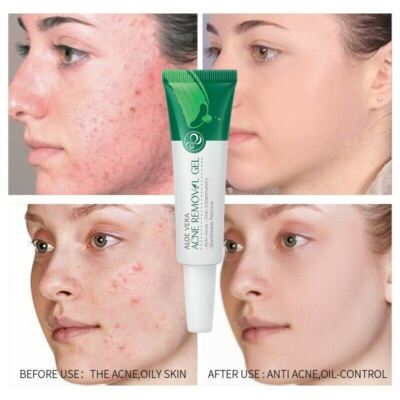
If you’ve been applying sabila regularly but your acne scars remain visible after several months, it might be time to seek medical advice. Some scars, especially deeper ones, require treatments like laser therapy or microneedling that a dermatologist can provide.
Don’t wait for scars to worsen. Early intervention can improve results and speed up healing. Have you noticed your scars fading at all, or do they seem stuck?
Allergic Reactions
Natural doesn’t always mean safe for everyone. If you experience redness, itching, swelling, or a rash after using sabila, stop using it immediately and see a dermatologist.
An expert can help determine if you’re allergic or if another skin condition is causing the reaction. Ignoring these symptoms can lead to more serious skin issues, so your skin’s health should always come first.
Combination Treatments
Sometimes, sabila alone isn’t enough to tackle stubborn acne scars. A dermatologist can recommend combination treatments that blend natural remedies with medical procedures for better outcomes.
This might include chemical peels, prescription creams, or light therapy alongside your sabila routine. Have you considered that adding a dermatologist’s guidance could enhance your skin’s recovery?
Credit: www.ebay.com
Frequently Asked Questions
What Is Sabila And How Does It Help Acne Scars?
Sabila, also known as aloe vera, is a natural plant with healing properties. It soothes skin, reduces inflammation, and promotes scar healing. Applying Sabila gel can lighten acne scars and improve skin texture over time.
How Often Should I Apply Sabila For Acne Scars?
For best results, apply fresh Sabila gel twice daily on clean skin. Regular use helps fade scars and supports skin regeneration. Consistency is key for noticeable improvement in acne scars.
Can Sabila Prevent New Acne Scars From Forming?
Yes, Sabila’s anti-inflammatory and antibacterial properties reduce acne severity. This lowers the chance of new scars forming. Using Sabila can calm irritated skin and speed up healing to prevent future scars.
Is Sabila Safe For All Skin Types With Acne Scars?
Sabila is generally safe for all skin types, including sensitive skin. It is natural and rarely causes irritation. However, perform a patch test before use to ensure no allergic reaction occurs.
Conclusion
Sabila can be a helpful solution for acne scars. Its natural properties soothe and heal skin. Many find relief from redness and irritation. Regular use might reduce scar visibility over time. Easy to apply, it fits into daily routines well.
Always patch test before full application. Sabila is affordable and accessible for many. Consult a dermatologist for severe cases. Consistency is key for noticeable results. Explore this gentle remedy for clearer skin. Sabila could be the simple answer you’ve been seeking.
Embrace nature’s gift and see the difference.
