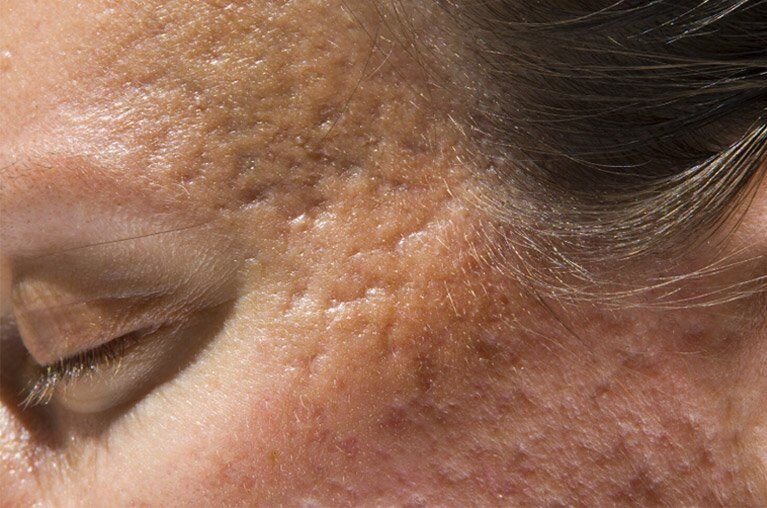
Are you tired of looking in the mirror and seeing those pesky rolling acne scars staring back at you? You’re not alone.
These wave-like scars can be a frustrating reminder of past skin battles, leaving you yearning for smooth, clear skin. But what if you could find a way to minimize their appearance and restore your confidence? You’ll discover what causes rolling acne scars, effective treatments, and practical tips to help you take control of your skin’s future.
Stick around, because the solution to transforming your complexion might be just a few scrolls away.
What Are Rolling Acne Scars
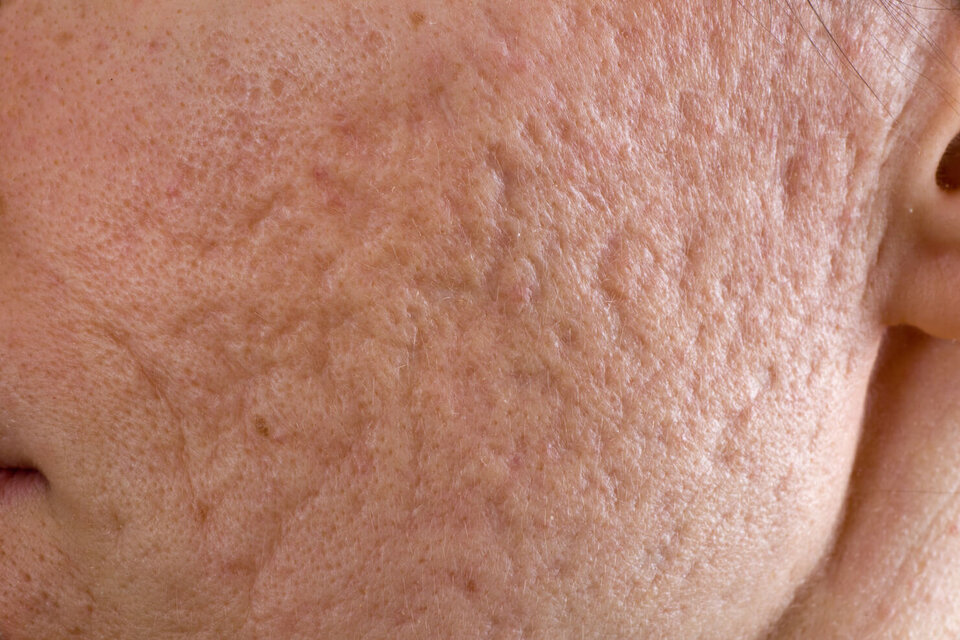
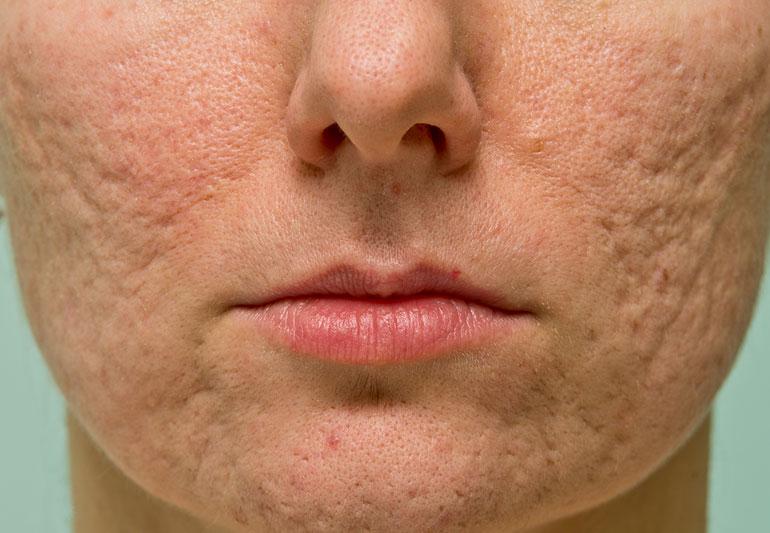
Rolling acne scars are a type of skin indentation that can be frustrating to deal with. Unlike other acne scars that may be sharply defined, rolling scars have a smooth, wave-like appearance on the skin. They often make the surface of your skin look uneven and textured.
What Causes Rolling Acne Scars?
Rolling scars form when fibrous tissue pulls down on the skin. This happens after inflammation from acne damages the collagen beneath the skin’s surface. The result is a shallow depression with sloping edges, giving your skin a rolling or undulating look.
How Can You Identify Rolling Acne Scars?
Rolling scars are often wider than other types of scars, typically measuring 4 to 5 millimeters across. They don’t have sharp edges but instead feature soft, rounded contours. You may notice these scars especially on your cheeks and temples.
Why Are Rolling Acne Scars Difficult To Treat?
The main challenge with rolling scars is their depth and the way they affect the skin’s texture. Since they involve fibrous bands beneath the surface, simply smoothing the top layer of skin won’t fully fix the problem. Treatments often need to target both the surface and the underlying tissue to improve appearance.
What Can You Do About Rolling Acne Scars?
Understanding what rolling acne scars are helps you decide on the best treatment options. Procedures like microneedling, subcision, or laser therapy can break down the fibrous bands and stimulate collagen production. Have you considered which approach fits your skin type and lifestyle?
Causes Behind Rolling Scars
Understanding the causes behind rolling acne scars can help you prevent them and choose the right treatments. These scars develop when the skin’s surface is pulled down, creating a wave-like texture. Knowing what triggers this can change how you handle acne outbreaks and your skin care routine.
How Inflammation Damages Skin Tissue
Severe acne causes deep inflammation that harms the collagen in your skin. When your body tries to heal, it may not produce enough collagen, leading to a loss of tissue. This loss creates the shallow, rolling appearance of these scars.
The Role Of Delayed Healing
If your acne wounds take too long to heal, the skin’s repair process becomes uneven. This delay increases the chance of scar formation because the skin can’t rebuild smoothly. Have you noticed scars forming more after picking or squeezing pimples? That’s a clear sign of slow healing affecting your skin texture.
Genetics And Skin Type Influence
Your genes play a big role in how your skin reacts to acne. Some people naturally produce less collagen or have skin that scars more easily. Knowing your skin type can guide you to treatments that support better healing and reduce rolling scars.
Impact Of Acne Severity And Type
Not all acne causes rolling scars. These scars are more common with cystic or nodular acne, which damages deeper skin layers. Mild acne usually doesn’t cause this type of scarring, but ignoring severe breakouts can increase your risk.
Top Treatments For Rolling Scars
Rolling acne scars can be stubborn and frustrating, but several effective treatments can help smooth your skin and boost your confidence. Each option works differently, targeting the unique texture and depth of these scars. Understanding the benefits and roles of each treatment will help you choose the best approach for your skin.
Microneedling Benefits
Microneedling uses tiny needles to create controlled micro-injuries on your skin. This stimulates collagen production, which fills in the rolling scars over time. Many people notice smoother skin texture after just a few sessions.
It’s also minimally invasive, with little downtime, making it a popular choice. Have you tried microneedling and seen your scars soften? The gradual improvement can be very encouraging.
Laser Therapy Options
Laser therapy offers precise treatment by targeting scar tissue and promoting new skin growth. Different lasers like fractional CO2 or erbium can resurface your skin and reduce scar depth.
This method can provide faster, more dramatic results, but it might require some recovery time. Are you ready for a treatment that can visibly change your skin in a few sessions?
Chemical Peels Impact
Chemical peels use acids to remove the top layer of skin, encouraging new, smoother skin to replace it. This can help reduce the appearance of rolling scars, especially when combined with other treatments.
They vary in strength, so you can choose a peel that matches your skin’s needs and sensitivity. What level of peel do you feel comfortable trying to improve your skin texture?
Dermal Fillers Role
Dermal fillers work by adding volume beneath the scars, lifting the depressed areas to make your skin surface look even. This is a quick fix that can show immediate improvement.
Although not permanent, fillers can be a good option if you want a noticeable change without downtime. Would you consider fillers as a temporary boost while exploring longer-term treatments?
Credit: www.bclaserandskincare.com
At-home Remedies To Consider
Rolling acne scars can leave skin uneven and textured. Many seek ways to smooth their skin at home. Simple remedies often help improve skin appearance over time. Consistent care supports skin healing and reduces scar visibility. Here are some easy, natural methods to consider for at-home treatment.
Exfoliation Techniques
Exfoliation helps remove dead skin cells and promotes new growth. This process can soften the look of rolling scars.
- Use gentle scrubs with small, smooth particles. Avoid harsh scrubbing to prevent irritation.
- Chemical exfoliants like alpha hydroxy acids (AHAs) can improve skin texture.
- Apply exfoliants 2-3 times a week to avoid over-exfoliating.
- Always follow with moisturizer to keep skin hydrated and calm.
Natural Oils And Ingredients
Natural oils provide nourishment and support skin repair. Some ingredients have anti-inflammatory and healing properties.
- Rosehip oil contains vitamins that help fade scars and brighten skin.
- Tea tree oil offers antibacterial effects and reduces redness.
- Aloe vera soothes skin and aids in skin regeneration.
- Apply oils gently to avoid irritation and use only on clean skin.
Choosing The Right Treatment
Choosing the right treatment for rolling acne scars is a crucial step toward clearer, smoother skin. Each person’s skin is unique, so what works well for one might not suit another. Understanding your options and evaluating your skin’s needs can help you make a smarter choice.
Factors To Evaluate
Before deciding on a treatment, consider your skin type, scar severity, and budget. Some treatments work best for mild scars, while others target deeper indentations effectively.
- Skin Sensitivity:Sensitive skin may react poorly to aggressive treatments like deep chemical peels.
- Scar Depth:Rolling scars are shallow and wave-like, so treatments like microneedling or subcision might be more effective.
- Healing Time:Some procedures require downtime; think about how much recovery you can manage.
- Cost:Procedures like laser therapy can be pricey, so balance benefits with your budget.
Have you thought about how much time and money you’re willing to invest in your skin’s healing process?
Consulting A Dermatologist
Talking to a dermatologist can clarify which treatments fit your specific needs. They can assess your scars and recommend options backed by medical expertise.
Don’t hesitate to ask about the pros and cons of each treatment. For instance, ask how many sessions you might need or what results you can realistically expect.
Getting professional advice ensures you avoid treatments that could worsen your scars or cause unwanted side effects. Have you booked your consultation yet?

Credit: skintypesolutions.com
Maintaining Smooth Skin Post-treatment
After treating rolling acne scars, keeping your skin smooth requires consistent care and attention. The right post-treatment habits can make a significant difference in how your skin heals and maintains its texture. Are you ready to learn how to protect your results and enjoy a glowing complexion?
Skincare Routine Tips
Choose gentle cleansers that don’t strip your skin’s natural oils. Harsh products can irritate sensitive, healing skin and slow down recovery.
Moisturize daily to keep your skin hydrated and supple. Look for non-comedogenic formulas with ingredients like hyaluronic acid or ceramides.
Consider adding a mild exfoliant, such as a low-concentration AHA, but only after your skin has fully healed. This helps to smooth texture without damaging delicate skin.
Remember, overloading your skin with too many products can cause breakouts and inflammation. Which products do you trust to keep your skin calm and balanced?
Sun Protection Importance
Sun exposure can darken scars and prolong healing time. Applying broad-spectrum sunscreen every day is essential, even if you stay indoors.
Use a sunscreen with at least SPF 30 and reapply every two hours when outside. Physical blockers with zinc oxide or titanium dioxide are often gentler on treated skin.
Wear protective clothing like hats and sunglasses to reduce direct sunlight on your face.
Think about how much sun exposure you get daily. Could improving your sun protection routine enhance your skin’s recovery?
Credit: health.clevelandclinic.org
Frequently Asked Questions
What Causes Rolling Acne Scars On The Skin?
Rolling acne scars result from damage beneath the skin’s surface. They form when fibrous bands pull the skin down. This creates a wavy, uneven texture. These scars typically arise after severe or cystic acne heals improperly.
How Can Rolling Acne Scars Be Treated Effectively?
Rolling acne scars respond well to treatments like microneedling, laser therapy, and chemical peels. These methods stimulate collagen production to smooth the skin. Combining treatments can improve results. Consulting a dermatologist helps choose the best option.
Are Rolling Acne Scars Permanent Without Treatment?
Yes, rolling acne scars are usually permanent without intervention. They do not fade on their own. However, professional treatments can significantly reduce their appearance and improve skin texture over time.
Can Home Remedies Reduce Rolling Acne Scars?
Home remedies have limited effects on rolling acne scars. They may improve skin health but don’t fix deep scars. Professional treatments are more effective for noticeable improvements in scar appearance.
Conclusion
Rolling acne scars can affect your skin’s smoothness and confidence. Treating them takes time and patience. Many options exist, like creams, treatments, and professional help. Choosing the right method depends on your skin type and scar severity. Consistency matters most for visible improvement.
Healthy skin habits support healing and prevent new scars. Remember, small steps lead to better skin over time. Stay positive and care for your skin gently. You deserve to feel good in your skin every day.
