Are you tired of dealing with dull skin, stubborn wrinkles, or those pesky fine lines that just won’t go away? If so, introducing retinol into your skincare routine might just be the game-changer you’ve been searching for.
Imagine waking up each morning to a fresher, more radiant complexion that not only looks younger but feels healthier too. Intrigued? You should be. Retinol is a powerhouse ingredient that’s taking the skincare world by storm, and it’s time you discovered the magic it can bring to your daily regimen.
Stick around, and you’ll learn how this wonder ingredient can transform your skin, boost your confidence, and give you that glow you’ve always dreamed of.
Credit: www.lemon8-app.com
Why Retinol Matters
Retinol is a powerful ingredient in many skincare routines. It helps improve skin texture and tone. People use retinol to keep their skin healthy and youthful. Its effects go beyond simple hydration or cleansing. Understanding why retinol matters can change how you care for your skin.
Benefits For Skin
- Reduces fine lines and wrinkles
- Boosts collagen production
- Fades dark spots and discoloration
- Improves skin texture and smoothness
- Helps clear acne and prevent breakouts
- Increases skin cell turnover for a fresh look
How Retinol Works
Retinol is a form of vitamin A. It penetrates deep into the skin layers. There, it signals cells to produce more collagen. Collagen keeps skin firm and elastic. Retinol also speeds up skin cell renewal. This process removes dead skin and reveals fresh cells.
The faster cell turnover helps reduce acne and smooth wrinkles. It also lightens dark spots by fading old pigmentation. Regular use of retinol can make skin look brighter and clearer. Starting slowly with retinol helps avoid irritation.
Credit: www.naturalorganicskincare.com
Choosing The Right Retinol
Choosing the right retinol is key for a successful skincare routine. It affects how well your skin responds and how comfortable you feel during use.
Many factors influence the best retinol choice. These include the type of retinol, its strength, and your skin type. Knowing these helps avoid irritation and boosts results.
Different Forms Of Retinol
Retinol comes in various forms that affect how it works on your skin. Some common forms include:
- Pure Retinol: Direct and effective but can be strong.
- Retinaldehyde: Gentler and converts easily to active form.
- Retinyl Palmitate: Mild and suitable for sensitive skin.
- Retinoic Acid: Prescription form, very strong and fast acting.
Choosing a form depends on your skin’s tolerance and goals.
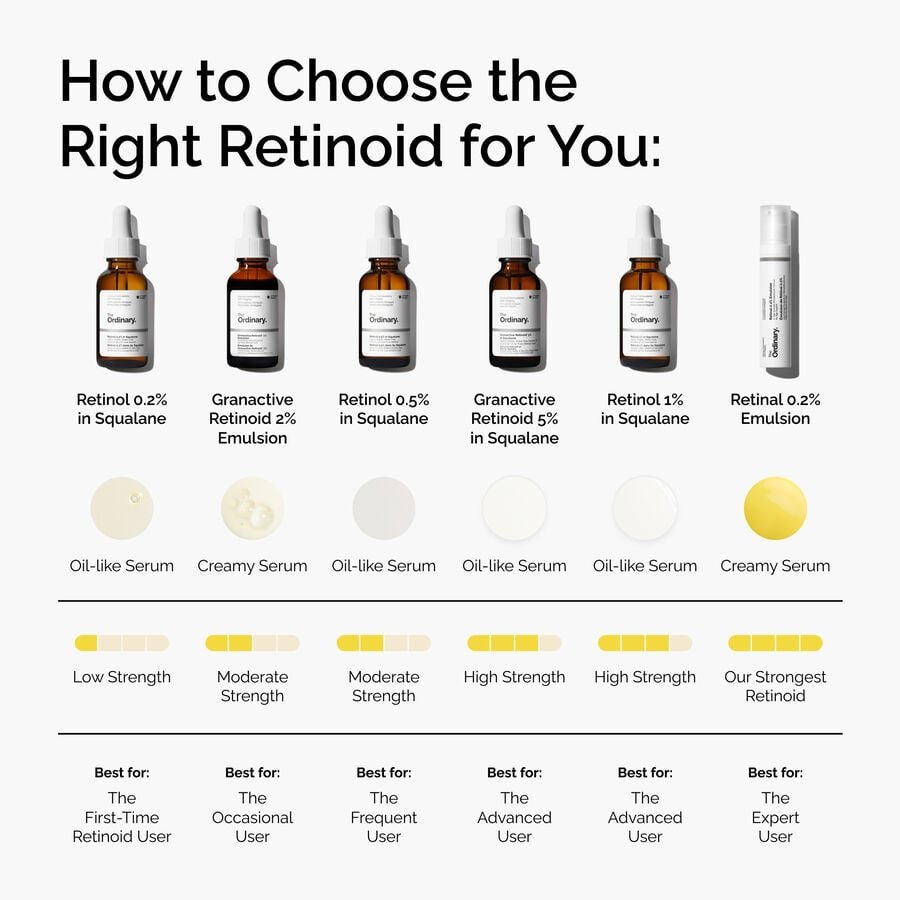
Concentration Levels
Retinol products come in different concentrations. Lower percentages cause less irritation. Higher percentages give faster, stronger effects.
- 0.1% to 0.3%: Good for beginners and sensitive skin.
- 0.5%: Moderate strength for regular users.
- 1% and above: Best for experienced users with tough skin.
Start low and increase slowly to let skin adjust.
Skin Type Considerations
Skin type guides the choice of retinol form and strength.
- Dry Skin: Choose hydrating formulas with mild retinol.
- Oily Skin: Stronger retinol can help control oil and acne.
- Sensitive Skin: Use the gentlest forms and low concentrations.
- Combination Skin: Target dry and oily areas with balanced products.
Always test retinol on a small skin patch first.
Incorporating Retinol Safely
Adding retinol to your skincare routine can transform your skin, but it requires care to avoid common pitfalls. Using retinol safely means respecting your skin’s limits and adjusting your habits to minimize side effects. Let’s look at how you can introduce retinol gently and keep your skin calm and glowing.
Starting Slowly
Begin with a low concentration of retinol, such as 0.25% or 0.5%, to see how your skin reacts. Apply it only once or twice a week at first, giving your skin time to build tolerance. If you notice redness or excessive dryness, slow down the frequency instead of stopping completely.
Think about how your skin feels after each use. Are you waking up with tightness or peeling? These signs suggest you need to reduce use or add soothing products. Your skin’s response is a guide, not a reason to quit.
Application Tips
- Always apply retinol on clean, dry skin to maximize absorption and reduce irritation.
- Use a pea-sized amount for your entire face—more won’t speed up results and can cause irritation.
- Follow with a gentle moisturizer to lock in hydration and protect the skin barrier.
- Avoid applying retinol near sensitive areas like the eyes and mouth unless the product is specifically formulated for those zones.
Consider applying retinol in the evening since it can make your skin more sensitive to sunlight. If you skip this step, you risk undoing your progress and damaging your skin.
Avoiding Irritation
Combine retinol with hydrating and barrier-repairing ingredients like hyaluronic acid, ceramides, and niacinamide to keep irritation at bay. If your skin feels tight or flaky, add a soothing serum or switch to a richer moisturizer.
Ask yourself: Are you using harsh cleansers or exfoliants alongside retinol? These can increase irritation and slow down your progress. Opt for gentle, fragrance-free products instead.
Remember, patience is key. Give your skin time to adjust before increasing retinol use or concentration. Your skin deserves respect, not rush.
Combining Retinol With Other Products
Combining retinol with other skincare products requires care. The right mix boosts benefits and limits irritation. Some ingredients work well with retinol, while others can cause problems. Understanding these combinations helps create a safe and effective routine.
Best Pairings
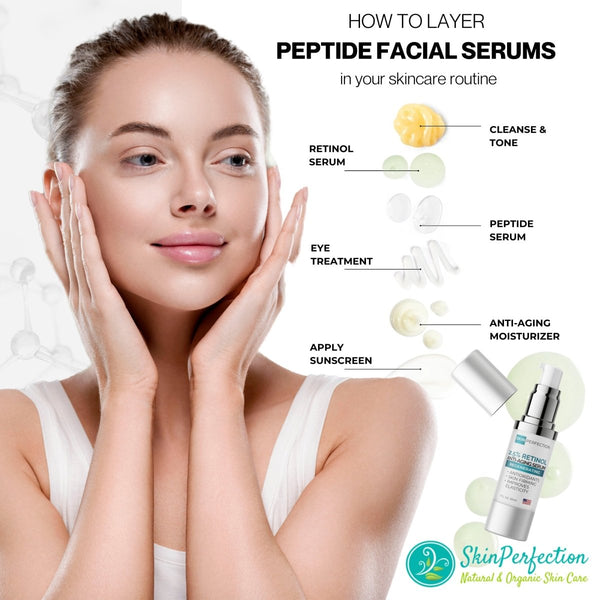
Certain ingredients enhance retinol’s effects and soothe skin.
- Hyaluronic Acid:Hydrates and reduces dryness.
- Niacinamide:Calms irritation and brightens skin.
- Peptides:Support skin repair and firmness.
- Moisturizers:Lock in hydration and protect the skin barrier.
- Sunscreen:Essential to protect skin from UV damage after retinol use.
Ingredients To Avoid
Some ingredients may worsen retinol’s side effects or reduce effectiveness.
- Vitamin C:Can increase irritation if used together.
- AHAs and BHAs:May cause excessive dryness and sensitivity.
- Benzoyl Peroxide:Can deactivate retinol and irritate skin.
- Alcohol-based Products:Dry out skin and increase irritation risk.
Day Vs Night Routine
Retinol is best used at night due to sun sensitivity.
- Night:Apply retinol after cleansing and before moisturizer.
- Day:Use gentle cleanser, moisturizer, and broad-spectrum sunscreen.
Never skip sunscreen during the day to protect skin from sun damage.
Managing Side Effects
Retinol can be a powerful addition to your skincare routine, but it often comes with side effects that catch many by surprise. Managing these reactions is key to enjoying retinol’s benefits without discomfort. Understanding what to expect and how to care for your skin can make a big difference in your experience.
Common Reactions
Dryness, redness, and peeling are some of the most common reactions when starting retinol. You might notice your skin feeling tight or slightly irritated, especially during the first few weeks. These reactions are usually temporary but can be uncomfortable if not managed properly.
Some users also experience increased sensitivity to sunlight, which means extra care with sunscreen is essential. Have you ever felt your skin becoming flaky or itchy after applying a new product? That’s often a sign your skin is adjusting to retinol.
How To Soothe Skin
To calm irritated skin, apply a gentle moisturizer immediately after retinol. Look for products with ingredients like ceramides, hyaluronic acid, or aloe vera to restore moisture and reduce redness.
Try using retinol every other night or mixing it with your moisturizer at first to lessen irritation. Avoid using harsh scrubs or exfoliants alongside retinol, as they can worsen dryness and peeling. Remember, patience pays off—gradually increasing usage helps your skin build tolerance.
When To Consult A Dermatologist
If your skin reaction includes severe burning, swelling, or persistent irritation beyond a few weeks, it’s time to see a dermatologist. These symptoms could indicate an allergic reaction or that retinol isn’t the right choice for your skin type.
Don’t hesitate to ask your doctor about alternative products or prescription-strength options that may suit you better. Your skin’s health matters more than sticking rigidly to any routine, so professional advice can save you from long-term damage.
Retinol Myths And Facts
Retinol is a powerhouse ingredient in skincare, but it comes with its fair share of myths that can confuse anyone trying to improve their routine. Sorting facts from fiction helps you use retinol effectively and safely. Let’s break down some common misunderstandings and look at what science really says.
Common Misconceptions
Many believe retinol is too harsh for sensitive skin, but that’s not always true. It depends on the concentration and how you introduce it to your routine. Starting with a low percentage and using it a few times a week can minimize irritation.
Another myth is that retinol thins your skin. Actually, it helps build collagen, which strengthens your skin over time. Have you ever noticed your skin feeling smoother and firmer after consistent use? That’s retinol at work.
Some think retinol causes photosensitivity so severe you must avoid sunlight completely. While retinol can increase sun sensitivity, using sunscreen daily and applying retinol at night keeps your skin safe. Are you protecting your skin enough when using retinol?
Scientific Evidence
Research shows retinol boosts cell turnover and collagen production, making skin appear younger and healthier. Studies confirm its effectiveness in reducing wrinkles, fine lines, and dark spots.
Clinical trials also prove that retinol can improve acne by unclogging pores and preventing new breakouts. This makes it a versatile tool, not just for aging skin but for those struggling with acne too.
Science also supports the idea of starting slow. Gradual introduction allows skin to build tolerance, reducing redness and peeling. Have you ever tried to rush retinol use and faced irritation? This evidence suggests taking it easy is the smarter path.
Long-term Retinol Benefits
Retinol isn’t just a trendy skincare ingredient; its benefits grow stronger the longer you stick with it. Many users notice immediate improvements, but the true power of retinol shows up after consistent use over weeks and months. Are you ready to commit to a routine that rewards your patience with lasting skin health and beauty?
Anti-aging Effects
Retinol encourages your skin to produce more collagen, which naturally declines as you age. This boost helps reduce the appearance of fine lines and wrinkles, giving your face a smoother look. Imagine waking up to firmer skin that feels as youthful as it looks—how would that change your confidence?
Improved Skin Texture
Regular use of retinol can help even out rough patches and reduce bumps caused by clogged pores. It speeds up cell turnover, so dead skin sheds faster, revealing fresher, softer layers underneath. If you’ve struggled with uneven texture, retinol can be your go-to for a noticeably smoother face.
Brightening And Even Tone
Dark spots and discoloration can fade with retinol’s gentle exfoliating action. Over time, your skin tone appears more balanced and radiant, as dullness lifts away. Wouldn’t you love to see a more luminous complexion every morning?
Credit: www.lemon8-app.com
Frequently Asked Questions
What Is Retinol And How Does It Work In Skincare?
Retinol is a vitamin A derivative that boosts skin cell turnover. It helps reduce wrinkles, fine lines, and acne. Retinol promotes collagen production for smoother, firmer skin. It also improves skin texture and tone by unclogging pores.
When Should I Add Retinol To My Skincare Routine?
Add retinol gradually, starting at night twice a week. Use it after cleansing and before moisturizing. Introduce retinol when your skin tolerates it well to avoid irritation. Always apply sunscreen during the day as retinol increases sun sensitivity.
Can Retinol Cause Skin Irritation Or Dryness?
Yes, retinol can cause irritation, redness, and dryness initially. Start with a low concentration and increase slowly. Use a moisturizer to soothe the skin. If irritation persists, reduce frequency or consult a dermatologist.
How Long Does It Take To See Retinol Results?
Visible improvements usually appear after 4 to 12 weeks of consistent use. Skin texture, tone, and acne reduce gradually. Patience is key, as retinol works by renewing skin cells over time.
Conclusion
Retinol helps improve skin texture and reduces fine lines. Start slow to avoid irritation. Use sunscreen daily to protect your skin. Keep your routine simple and consistent. Results take time, so be patient. Healthy skin needs care and attention every day.
Retinol can be a helpful part of that. Try it carefully and watch your skin glow.