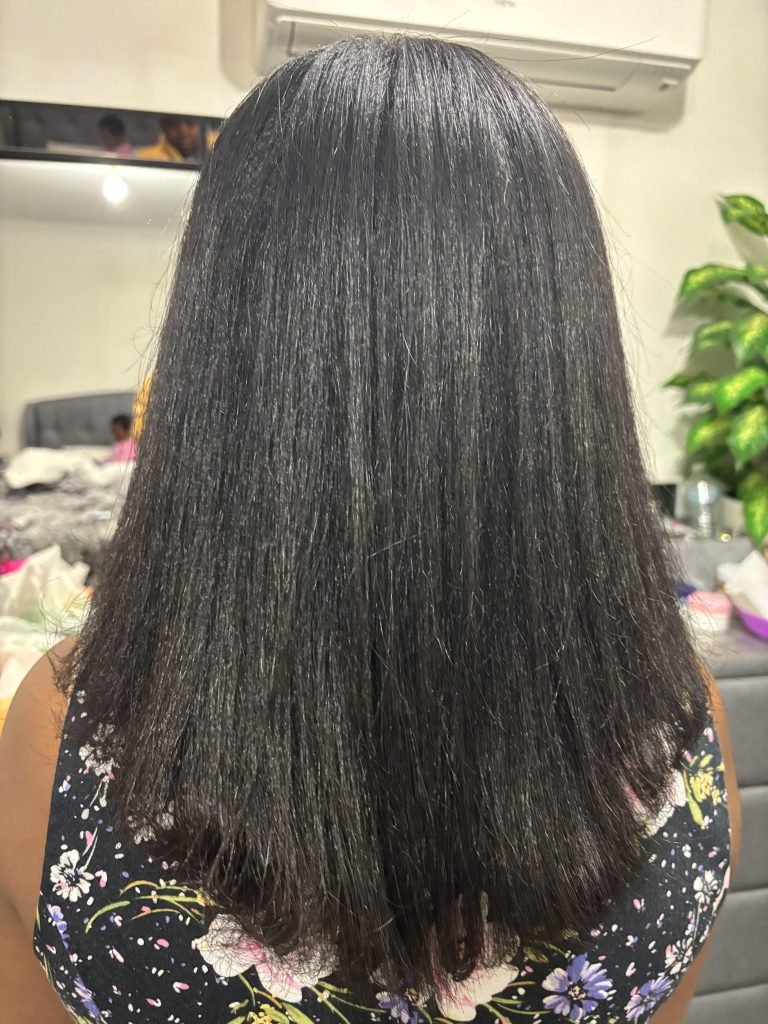
Are you tired of dealing with the constant struggle of managing relaxed hair? Do you find yourself searching for ways to keep your locks looking healthy and vibrant without the hassle?
You’re not alone. Many people with relaxed hair face similar challenges, and the good news is that there are simple solutions that can make a world of difference. Imagine running your fingers through silky, well-nourished hair that feels as good as it looks.
In this guide, we’ll share essential tips and tricks that will transform your hair care routine, making it easier and more effective than ever before. Get ready to discover the secrets to achieving beautiful, relaxed hair that turns heads and boosts your confidence. Your journey to effortless hair care starts here.
Choosing The Right Products
Choosing the right products for relaxed hair can make a significant difference in maintaining its health and shine. Relaxed hair tends to be fragile and prone to dryness, so selecting items that provide gentle care and deep nourishment is essential. Think about what your hair needs most: moisture, strength, or protection—and pick products that target those areas.
Shampoos For Relaxed Hair
Shampoos designed for relaxed hair should be sulfate-free to avoid stripping natural oils. Look for ingredients like glycerin or aloe vera that help retain moisture. If your hair feels dry or brittle, switch to a hydrating shampoo rather than one that focuses solely on cleansing.
Have you noticed your scalp feeling tight after washing? That might be a sign to try a shampoo with soothing elements like chamomile or tea tree oil. These can calm irritation while keeping your scalp clean.
Conditioners That Nourish
Conditioners play a key role in replenishing moisture lost during the relaxing process. Choose products rich in proteins and natural oils like argan or coconut oil. These ingredients help rebuild strength and smooth the hair cuticle.
Don’t overlook deep conditioning treatments once a week—they provide extra nourishment and improve manageability. If your hair feels rough or tangled, a thick, creamy conditioner can make detangling easier and reduce breakage.
Leave-in Treatments And Oils
Leave-in conditioners and oils protect relaxed hair throughout the day. Lightweight leave-ins with ingredients such as shea butter or jojoba oil add moisture without weighing hair down. Oils seal in hydration and give your hair a healthy shine.
Try applying a small amount of oil to the ends daily to prevent split ends and dryness. Have you experimented with different oils to find what your hair loves? Sometimes, combining oils like castor and almond can deliver better results than using just one.

Credit: www.youtube.com
Washing And Conditioning Routine
Washing and conditioning relaxed hair requires care to keep strands healthy and soft. A balanced routine prevents dryness and damage. Understanding the right frequency and techniques helps maintain moisture and shine.
How Often To Wash
Washing relaxed hair twice a week works well for most people. Washing too often can strip natural oils. Less frequent washing keeps hair hydrated and reduces breakage. Use a gentle shampoo that cleans without harsh chemicals.
Proper Conditioning Techniques
Apply conditioner mainly to the mid-lengths and ends. Avoid the scalp to prevent buildup. Use fingers or a wide-tooth comb to distribute conditioner evenly. Leave it on for 3 to 5 minutes to soften hair. Rinse thoroughly with cool water to seal the cuticles.
Deep Conditioning Benefits
Deep conditioning restores moisture lost during chemical relaxing. It strengthens hair and reduces brittleness. Use a deep conditioner once a week or every two weeks. Cover hair with a plastic cap and apply heat for better absorption. Rinse well to keep hair smooth and manageable.
Detangling Without Damage
Detangling relaxed hair needs care to avoid breakage and damage. The process requires gentle handling to keep hair smooth and healthy. Using the right tools and techniques helps reduce pulling and pain. This section shares tips for detangling without hurting your hair.
Tools To Use
- Wide-tooth combs work best for relaxed hair tangles.
- Detangling brushes with soft, flexible bristles help ease knots.
- Fingers are useful for gently separating tight tangles.
- Spray bottles filled with water or leave-in conditioner keep hair moist.
- Microfiber towels or cotton t-shirts dry hair softly after washing.
Best Practices For Gentle Detangling
- Always detangle hair when it is damp, not dry.
- Apply a good detangling spray or conditioner before combing.
- Start detangling at the ends and work upwards slowly.
- Use short, gentle strokes instead of pulling hard.
- Divide hair into small sections for easier handling.
- Be patient and take breaks to avoid stress on the hair.
- Avoid detangling hair too often to reduce damage risk.
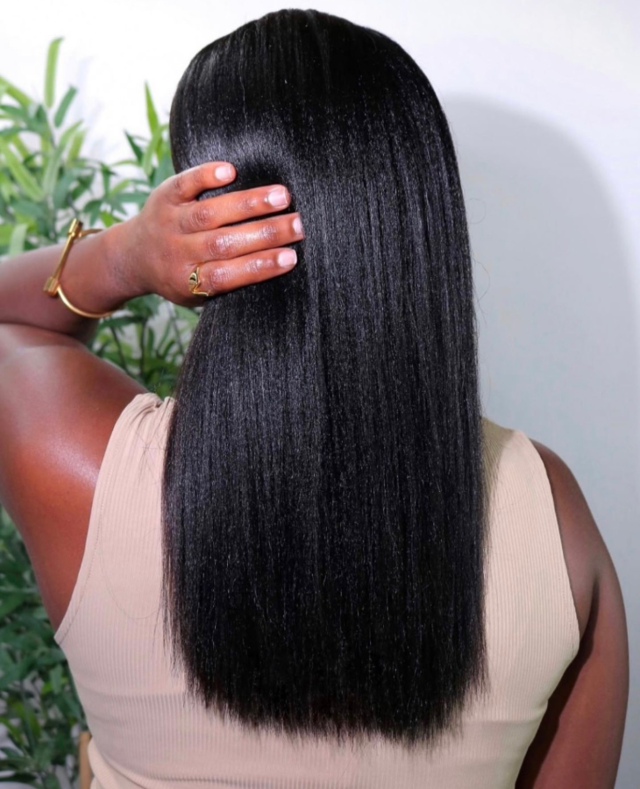
Credit: ngv.soundestlink.com
Protective Styling Tips
Protective styling plays a key role in maintaining relaxed hair health. It helps keep strands safe from damage and breakage. Choosing the right styles and care techniques can extend hair growth and improve texture. The focus remains on reducing manipulation and shielding hair from harsh elements.
Styles That Minimize Breakage
Select hairstyles that avoid pulling or tension on the scalp. Loose braids, twists, and buns are gentle options. These styles keep hair ends tucked away, preventing split ends and dryness.
- Loose box braids or twists
- Low ponytails or buns without tight bands
- Wigs or sew-ins with a protective cap underneath
- Roller sets or flexi rods for curl definition without heat
Avoid styles that pull tightly or use heavy extensions. These can cause traction alopecia and breakage along the hairline. Keep styles simple and comfortable for daily wear.
Nighttime Protection Methods
Hair is most vulnerable while sleeping. Protect relaxed hair by covering it at night. Use satin or silk scarves and pillowcases to reduce friction. Cotton can absorb moisture and cause dryness.
- Wrap hair with a satin or silk scarf
- Wear a satin bonnet to hold hair in place
- Sleep on a satin or silk pillowcase
- Moisturize hair lightly before bed to prevent dryness
These methods help maintain moisture and reduce tangling. They also keep styles intact longer. Nighttime care is essential for healthy relaxed hair.
Heat Styling And Relaxed Hair
Heat styling can change the look of relaxed hair. It adds style and polish to your hair. But relaxed hair is delicate and needs care when using heat tools. Using heat correctly can keep your hair healthy and strong.
Safe Temperature Settings
Keeping heat low is best for relaxed hair. High heat can cause damage and dryness. Use flat irons or curling wands at 300°F or below. If your hair is thick, do not go over 350°F. Always test the heat on a small hair section first.
- Use low to medium heat settings
- Avoid temperatures above 350°F
- Check heat tools for accurate temperature control
Heat Protection Products
Heat protectants shield hair from damage. They create a barrier between hair and heat tools. Spray or cream protectants work well on relaxed hair. Apply evenly before styling. Choose products with moisturizing ingredients to keep hair soft.
- Use sprays or creams designed for heat protection
- Apply to damp or dry hair before styling
- Look for products with natural oils or vitamins
Scalp Care For Healthy Growth
Healthy hair starts with a healthy scalp. The scalp is the foundation for hair growth. Taking care of it helps keep hair strong and prevents problems like itching or flaking. Clean and well-stimulated scalp supports better blood flow and nourishes hair follicles. This leads to fuller and healthier hair over time.
Keeping The Scalp Clean
Regular cleansing removes dirt, oil, and product build-up. This prevents clogged follicles that can stop hair growth. Use a gentle shampoo made for relaxed hair to avoid dryness. Rinse well to make sure no residue stays on the scalp. Avoid harsh scrubbing to protect the skin. Clean scalp feels fresh and allows hair roots to breathe better.
Massaging For Stimulation
Scalp massage increases blood circulation to hair follicles. This brings more nutrients and oxygen needed for growth. Use your fingertips to gently rub the scalp in small circles. Massage for about 5 to 10 minutes daily. It also helps relax the scalp and reduce tension. Regular massage can improve hair thickness and shine over time.
Avoiding Common Hair Damage
Relaxed hair needs gentle care to stay healthy and strong. Avoiding damage is key to keeping your hair smooth and shiny. Daily habits and treatments can cause harm if not done carefully. Understanding what causes damage helps protect your hair better.
Signs Of Overprocessing
Overprocessing happens when hair is treated too much with chemicals or heat. It weakens the hair and causes visible damage. Look for these signs:
- Hair feels dry and brittle
- Ends look frizzy or split
- Hair breaks easily when combed
- Color fades faster than usual
- Hair loses its shine and smoothness
Recognizing these signs early helps you stop damage before it worsens.
How To Prevent Breakage
Breakage makes hair look thin and unhealthy. Prevent it by treating hair gently. Follow these tips:
- Use a wide-tooth comb on wet hair
- Apply conditioner regularly to keep hair soft
- Avoid tight hairstyles that pull on hair
- Limit use of heat tools like flat irons
- Protect hair at night with a satin scarf or pillowcase
- Trim ends every 6 to 8 weeks to remove split ends
These simple steps keep relaxed hair strong and reduce breakage.
Maintaining Moisture Balance
Maintaining moisture balance is key to keeping relaxed hair healthy and vibrant. Relaxed hair tends to lose moisture quickly because the chemical process strips natural oils. This makes it essential to both hydrate your hair and lock in that moisture to prevent dryness and breakage.
Hydration Tips
Water is the foundation of hair hydration. Use a water-based leave-in conditioner daily to replenish moisture. Spritzing your hair with plain water throughout the day can also help, especially in dry environments.
Deep conditioning treatments are a must. Look for products with ingredients like aloe vera or glycerin—they attract moisture into the hair shaft. Try to deep condition at least once a week to keep your hair soft and manageable.
Have you noticed how your hair reacts to different weather? Adjust your hydration routine accordingly. In winter, when air is dry, increase moisturizing treatments. During humid months, lighter hydration may prevent your hair from becoming limp.
Humectants And Sealants
Humectants draw moisture into your hair from the air. Common humectants include honey, glycerin, and propylene glycol. Use products containing these to help your hair stay hydrated longer.
Sealants are just as important because they lock that moisture inside. Oils like jojoba, castor, and coconut work well as sealants. After applying a moisturizer or humectant, always follow with a sealant to keep your hair from drying out.
Here’s a simple routine you can try:
- Start with a water-based moisturizer or leave-in conditioner.
- Apply a humectant-rich product if the air is not too dry.
- Seal everything in with a natural oil or butter.
Do you ever skip the sealant step? You might notice your hair feels dry even after moisturizing. Sealing is crucial—it’s the difference between moisture staying put and evaporating quickly.

Credit: www.youtube.com
Frequently Asked Questions
What Is The Best Shampoo For Relaxed Hair?
Choose sulfate-free shampoos to protect relaxed hair. They cleanse gently without stripping natural oils. Look for moisturizing ingredients like argan oil or shea butter to maintain softness and prevent dryness.
How Often Should You Wash Relaxed Hair?
Wash relaxed hair once a week or every 7-10 days. Frequent washing can strip moisture and weaken hair. Use gentle shampoos and follow with deep conditioning to keep hair healthy.
Can Relaxed Hair Benefit From Deep Conditioning?
Yes, deep conditioning strengthens and hydrates relaxed hair. It restores moisture, reduces breakage, and improves manageability. Use a deep conditioner once a week for best results.
How Do You Prevent Breakage In Relaxed Hair?
Prevent breakage by avoiding harsh chemicals and heat styling. Use wide-tooth combs and gentle detangling methods. Regularly moisturize and trim split ends to keep hair strong and healthy.
Conclusion
Taking care of relaxed hair means being gentle and consistent. Use soft brushes and mild shampoos every time. Keep your hair moisturized to avoid dryness and breakage. Trim split ends regularly to keep hair healthy. Protect your hair from heat and harsh chemicals.
Healthy habits lead to shiny, strong hair. Enjoy the beauty of your relaxed hair with simple care steps. Small changes make a big difference over time. Stay patient and your hair will thank you.
