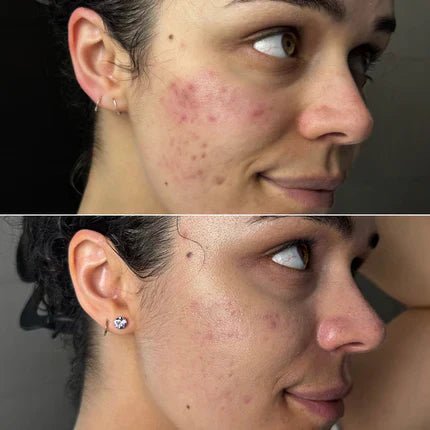
Imagine waking up each day with clearer, smoother skin, free from the stubborn scars that acne often leaves behind. If you’ve been battling these unwanted reminders, you’re not alone.
Acne scars can be persistent, affecting your confidence and how you feel about yourself. But what if there was a simple, non-invasive way to help reduce their appearance? Enter red light therapy, a revolutionary treatment that’s gaining popularity for its potential to heal and rejuvenate your skin.
You’ll discover how red light therapy works, why it might be the solution you’ve been searching for, and how it can transform your skincare routine. Ready to learn more and take a step towards clearer skin? Let’s dive in and explore the wonders of red light therapy for acne scars.

Credit: www.currentbody.com
How Red Light Therapy Works
Red light therapy uses low-level wavelengths of red light to treat acne scars. The light penetrates the skin and triggers natural healing processes. It targets skin cells to improve texture and reduce scar visibility. Understanding how red light therapy works helps to see why it is effective for scar treatment.
Cellular Repair And Regeneration
Red light stimulates skin cells at a deep level. It increases the energy within cells, helping them repair damage faster. This boost in cell activity speeds up healing of scar tissue. New, healthy cells replace old, damaged ones. The skin gradually looks smoother and more even.
Reduction Of Inflammation
Inflammation makes acne scars look worse and feel tender. Red light therapy reduces swelling by calming skin cells. It lowers redness and irritation around scars. This creates a better environment for skin to heal. Less inflammation also means less chance of new scars forming.
Boosting Collagen Production
Collagen is a protein that gives skin strength and elasticity. Red light therapy encourages the skin to produce more collagen. Increased collagen fills in depressed scars and improves skin texture. Over time, scars become less noticeable. The skin appears firmer and healthier.
Benefits For Acne Scar Healing
Red light therapy offers promising benefits for healing acne scars. It uses low-level wavelengths of red light to stimulate skin repair. This non-invasive treatment supports the skin’s natural healing process. It helps reduce scar visibility and improves overall skin health. Many users report softer, smoother skin after regular sessions.
Minimizing Scar Appearance
Red light therapy helps break down old scar tissue. It encourages new collagen production, which fills in scars. This process gradually reduces the size and depth of scars. The skin looks more even and less marked. Over time, scars become less noticeable and blend with surrounding skin.
Improving Skin Texture
The therapy smooths rough skin caused by acne scars. It promotes cell renewal, replacing damaged skin cells. This leads to a softer and more balanced texture. Uneven bumps and indentations soften with continued treatment. The skin surface feels healthier and more uniform.
Enhancing Skin Tone
Red light therapy helps balance skin pigmentation. It can reduce redness and dark spots linked to scars. The light stimulates blood flow, which supports healthy skin color. Skin appears brighter and more radiant after treatment. It helps create a clearer, more uniform complexion.
Types Of Red Light Devices
Red light therapy offers a promising solution for reducing acne scars, but choosing the right device is crucial for effective results. Various types of red light devices exist, each designed for different settings and needs. Understanding these options can help you decide what fits best into your skincare routine or treatment plan.
Professional Clinic Machines
Professional red light machines are powerful and often used by dermatologists or skincare specialists. These devices deliver higher intensity light, targeting deeper layers of the skin to promote collagen production and reduce scarring.
They often come with adjustable settings for wavelength and treatment time, allowing customized sessions. Have you ever wondered why clinic treatments sometimes show faster improvements? The strength and precision of these machines play a big role.
At-home Red Light Devices
At-home devices are more accessible and designed for regular use without professional supervision. They are usually smaller, less intense, and more affordable than clinic machines.
Many users find consistency easier with at-home devices because they can fit treatments into their daily routine. Would you be more likely to stick with a treatment if you could do it comfortably in your own space?
Choosing The Right Wavelength
Not all red light devices use the same wavelength, which matters a lot for acne scars. Wavelengths between 630-660 nanometers are commonly effective for skin healing and collagen stimulation.
Devices with wavelengths outside this range might not penetrate skin layers as deeply or could be less efficient. Checking the wavelength before buying a device ensures you’re getting the right tool for scar reduction. What wavelength does your current device use, and could it be optimized for better results?
Treatment Guidelines
Knowing the right treatment guidelines for red light therapy can make a big difference in how well it works for your acne scars. It’s not just about turning on the device and hoping for the best. Careful attention to session length, frequency, and skin preparation ensures you get the most benefit without irritation.
Session Duration And Frequency
Each red light therapy session typically lasts between 10 to 20 minutes. Longer sessions don’t always mean better results; your skin can only absorb so much light at once. Aim for three to five sessions per week to see noticeable improvements.
Consistency matters more than occasional long sessions. Think about how you felt after trying it regularly for a couple of weeks—did your scars start to soften or fade? That steady approach often outperforms sporadic, intense treatments.
Pre-treatment Skin Care Tips
Before your session, cleanse your face gently to remove oils, dirt, and makeup. This helps the light penetrate deeper into the skin. Avoid using any harsh exfoliants or chemical treatments right before therapy, as your skin will be more sensitive.
Consider removing any jewelry or metal accessories near the treatment area to prevent interference. If you have sensitive skin, patch test the red light on a small area first to check for any unusual reactions.
Post-treatment Care
After your session, apply a soothing moisturizer to help calm your skin. Some people find aloe vera gel or products with hyaluronic acid very comforting. Avoid direct sun exposure immediately after treatment since your skin might be more vulnerable.
Hydrate well and steer clear of heavy makeup for a few hours to let your skin breathe. Have you noticed how your skin feels after treatments? Paying attention to these little details can speed up your healing and improve results.
Potential Risks And Side Effects
Red light therapy offers a promising approach to reducing acne scars, but it’s important to understand the potential risks and side effects before starting treatment. While many users experience minimal or no issues, some reactions can occur depending on your skin type and how you use the device. Knowing what to expect helps you stay safe and get the best results.
Common Mild Reactions
Most people tolerate red light therapy well, but you might notice some mild side effects. These can include:
- Temporary redness or irritation in the treated area
- Dryness or tightness of the skin
- Mild itching or a warm sensation
These reactions usually fade within a few hours. If they persist or worsen, it’s a sign to pause treatment and reassess your routine.
When To Avoid Therapy
Red light therapy isn’t for everyone. Avoid it if you have:
- Photosensitivity or skin conditions worsened by light exposure
- Active skin infections or open wounds in the area to be treated
- Used certain medications like retinoids or antibiotics that increase light sensitivity
Also, pregnant women and people with certain medical implants should consult their healthcare provider before trying this therapy. Are you aware of any medications or conditions that might make red light therapy risky for you?
Consulting A Dermatologist
Talking to a dermatologist can save you from potential complications. They can evaluate your skin type, current condition, and medical history to determine if red light therapy suits you.
A professional can recommend the right device strength, session length, and frequency tailored to your needs. This personalized guidance can prevent side effects and improve your chances of seeing real improvement in your acne scars.
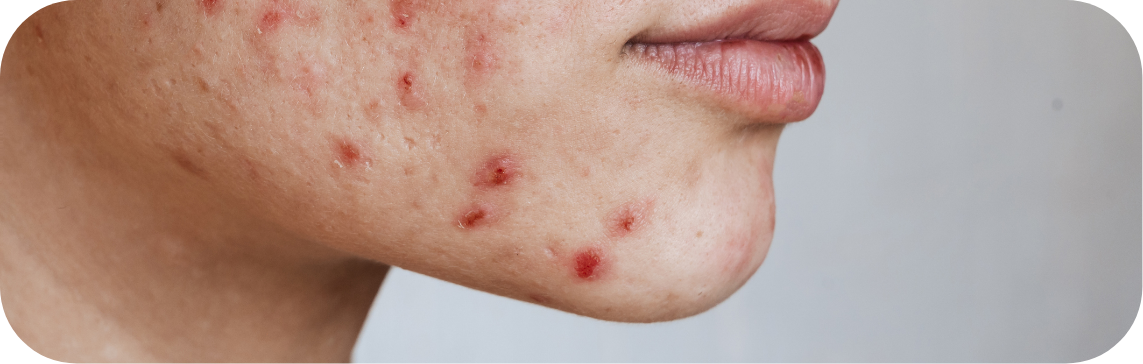
Credit: rendoncenter.com
Comparing Red Light Therapy With Other Acne Scar Treatments
Choosing the right treatment for acne scars can feel overwhelming with so many options available. Comparing red light therapy with other popular treatments can help you find what suits your skin and lifestyle best. Each method has its own benefits and drawbacks, so understanding these will guide you toward a more confident decision.
Laser Therapy
Laser therapy uses intense light beams to resurface your skin and promote collagen production. It often provides quicker and more dramatic results than red light therapy. However, laser treatments can be painful, require downtime, and may cause redness or swelling.
Red light therapy, on the other hand, is painless and can be done at home or in a clinic. It works by stimulating skin cells gently, making it a safer choice if you have sensitive skin or want a more gradual improvement. Would you prefer faster results with some discomfort or steady progress with zero pain?
Microneedling
Microneedling creates tiny punctures in the skin to trigger healing and collagen growth. This method is effective for deeper scars and can be combined with topical treatments for enhanced results. It requires multiple sessions and some recovery time, including redness and mild swelling.
Red light therapy doesn’t involve needles or breaks in the skin, reducing infection risk. It’s a good option if you’re hesitant about invasive procedures but still want to improve your scars. Think about how comfortable you are with needles and healing periods when choosing your treatment.
Chemical Peels
Chemical peels use acids to remove damaged outer layers of skin, revealing smoother skin underneath. They vary in strength from mild to deep peels, with stronger peels offering more noticeable results but also longer recovery. Side effects might include peeling, redness, and sensitivity to sunlight.
Compared to chemical peels, red light therapy avoids harsh chemicals and skin peeling. It can be used regularly without downtime, making it convenient for your busy schedule. Would you rather commit to a single intense session or consistent gentle treatments?
Real User Experiences
Real user experiences reveal the true effects of red light therapy on acne scars. These stories show how people respond to this treatment over time. Users share both positive results and obstacles they encounter. Their insights help others understand what to expect and how to improve their treatment routine.
Success Stories
- Many users report softer, smoother skin after weeks of consistent therapy.
- Some notice a visible reduction in scar depth and redness.
- Improved skin texture and tone are common benefits shared.
- Users often feel more confident as scars fade gradually.
- Several people combine red light therapy with skincare products for better results.
Challenges Faced
- Initial results can be slow, requiring patience and persistence.
- Some users experience mild skin dryness or irritation.
- Consistency is difficult for busy individuals, impacting progress.
- Not all scars respond the same; deeper scars may need longer treatment.
- Device quality and usage duration vary, affecting outcomes.
Tips From Users
- Use the therapy at least three times a week for best effects.
- Keep skin clean before each session to enhance light absorption.
- Apply moisturizer after treatment to prevent dryness.
- Avoid overusing the device to reduce skin irritation risk.
- Track progress with photos to stay motivated.

Credit: www.celluma.com
Future Trends In Red Light Therapy
The future of red light therapy for acne scars holds exciting possibilities. Advances in technology and new treatment methods promise better results. Scientists explore ways to improve skin healing and reduce scars faster. The therapy’s use may extend beyond scars to other skin problems.
Technological Innovations
Devices are becoming smaller, more powerful, and easier to use at home. New light wavelengths target skin cells more precisely. Improved sensors help control the treatment dose safely. These advances make therapy more effective and convenient.
Combination Therapies
Combining red light therapy with other treatments boosts healing. Examples include:
- Microneedling to stimulate collagen production
- Topical creams that enhance skin repair
- Blue light therapy to fight bacteria
These combinations help reduce scars faster and improve skin texture.
Expanded Skin Applications
Red light therapy may soon treat more skin issues beyond acne scars. Possibilities include:
- Wrinkle reduction
- Sun damage repair
- Inflammation and redness control
- Wound healing support
The therapy’s versatility could benefit many skin conditions in the future.
Frequently Asked Questions
What Is Red Light Therapy For Acne Scars?
Red light therapy uses low-level wavelengths to reduce acne scars. It promotes collagen production and skin healing. This non-invasive treatment improves skin texture and reduces scar visibility safely over time.
How Effective Is Red Light Therapy On Acne Scars?
Red light therapy effectively reduces mild to moderate acne scars. It stimulates skin repair and reduces inflammation. Results vary but noticeable improvements often appear after several sessions.
How Often Should I Use Red Light Therapy For Scars?
For best results, use red light therapy 2-3 times weekly. Consistent treatments over 4-8 weeks enhance collagen and fade scars. Follow device guidelines and consult a dermatologist for personalized advice.
Are There Any Side Effects Of Red Light Therapy?
Red light therapy is generally safe with minimal side effects. Some users may experience mild redness or irritation. These effects usually disappear quickly without lasting issues.
Conclusion
Red light therapy helps reduce acne scars gently and safely. It works by boosting skin healing and reducing redness. Many people see clearer, smoother skin after regular use. Consistency matters; results improve with time and patience. This therapy suits many skin types and is easy to use.
Always follow instructions and consult a doctor if unsure. Try red light therapy as part of your skincare routine. Clearer skin is possible with simple, natural care.
