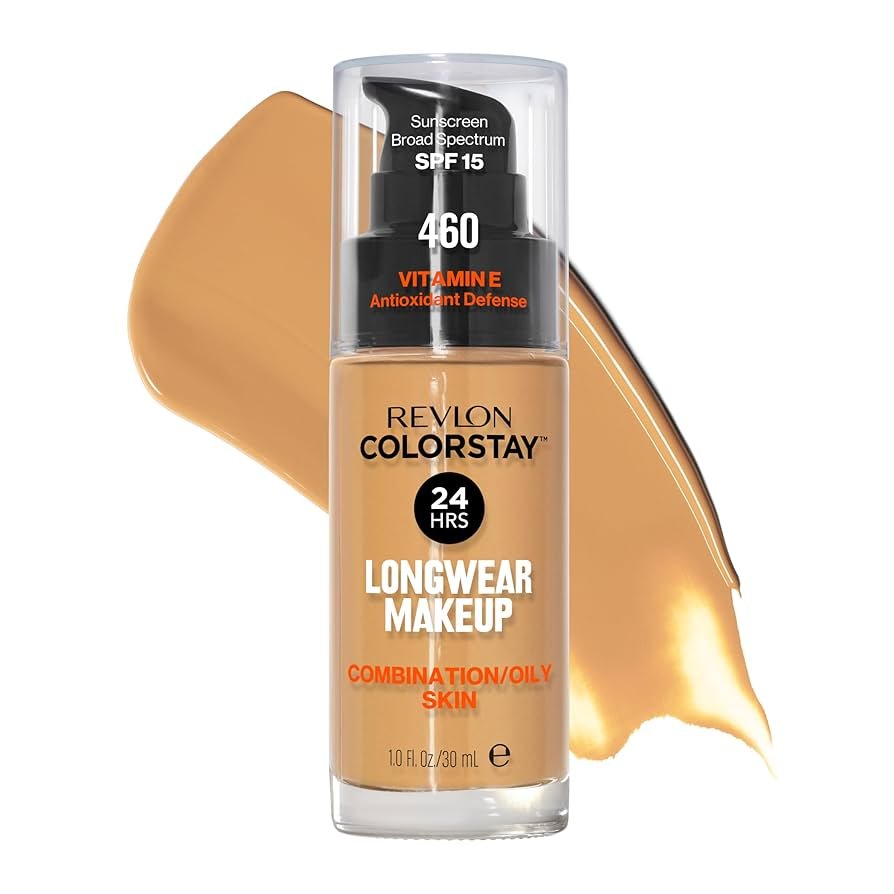
Imagine achieving that flawless, dewy complexion you’ve always wanted. If you have combination skin, you know the struggle of finding the right foundation that caters to both oily and dry areas.
It feels like a never-ending quest, doesn’t it? You’ve probably tried countless products that promised perfection, only to be disappointed. But what if there was a way to make your skin look smooth and vibrant without the constant battle? Dive into this article, and you’ll discover the recommended foundation for combination skin that could transform your beauty routine.
With the right foundation, you can enhance your natural beauty and feel confident every day. Ready to unlock the secret to radiant skin? Keep reading to find out how you can achieve that flawless look effortlessly.

Credit: www.amazon.com
Choosing Foundation For Combination Skin
Finding the right foundation for combination skin can feel like walking a tightrope. You want a formula that balances the oily T-zone without drying out the cheeks. It’s a challenge, but knowing what to look for makes all the difference in achieving a flawless, comfortable finish.
Key Skin Concerns
Combination skin means you’re dealing with two different skin types on your face. Your forehead, nose, and chin might get oily, while your cheeks remain dry or normal. This can cause foundation to wear unevenly, with some areas looking shiny and others flaky.
Think about how your skin feels by midday. Does your nose shine through your makeup? Do your cheeks look patchy? Addressing these concerns helps you pick a foundation that works all day without constant touch-ups.
Ingredients To Look For
Look for foundations labeled as oil-free or non-comedogenic to avoid clogging pores in oily areas. Ingredients like hyaluronic acid can hydrate dry patches without adding grease. Matte-finish formulas with silica or kaolin clay help control shine without making your skin feel tight.
Some foundations also include soothing ingredients like aloe vera or chamomile to calm sensitive spots. Would you choose a foundation that cares for your skin while covering imperfections? That kind of multitasking product often leads to better results.
Avoiding Common Pitfalls
Steer clear of heavy, creamy foundations that can feel suffocating on oily zones. Avoid foundations with too many oils, as they can increase shine and cause breakouts. Also, don’t pick a foundation solely based on shade; texture and finish matter just as much.
Applying too much product can emphasize dry patches or make oily areas look worse. Instead, use a light hand and build coverage only where you need it. Have you ever noticed how less product can sometimes give you the best look?

Credit: www.youtube.com
Types Of Foundation Suited For Combination Skin
Choosing the right foundation for combination skin can be tricky. Combination skin has both oily and dry areas, so the foundation must balance these differences. Foundations for combination skin should control shine without drying the skin. They should also provide a smooth, even finish that lasts all day. Different types of foundations offer unique benefits for this skin type.
Liquid Foundations
Liquid foundations are ideal for combination skin. They offer a lightweight feel and blend easily. Many liquid formulas control oil while hydrating dry patches. Look for liquid foundations labeled “matte” or “oil-control” for the oily parts. Those with hydrating ingredients help the dry areas stay smooth. Liquid foundations provide buildable coverage and a natural finish.
Powder Foundations
Powder foundations work well for oily zones on combination skin. They absorb excess oil and reduce shine. Powders are easy to apply and give a matte look. However, they may dry out the skin if used on dry patches. Use powder foundation mainly on the T-zone, where oil tends to build up. This type is great for quick touch-ups during the day.
Stick Foundations
Stick foundations offer convenience and good coverage. Their creamy texture blends smoothly without feeling heavy. They help balance oily and dry areas by providing moisture and control. Stick foundations are easy to carry and apply on the go. They work well for combination skin when applied lightly and blended well. Ideal for targeted coverage on uneven skin.
Tinted Moisturizers
Tinted moisturizers combine hydration and light coverage. They are gentle on dry areas and reduce shine on oily parts. This type is perfect for a natural, fresh look. Tinted moisturizers keep the skin comfortable throughout the day. They are a great choice for those who prefer minimal makeup. These products even out skin tone without clogging pores.
Top Foundation Picks For A Flawless Glow
Finding the perfect foundation for combination skin can be tricky. You want something that balances oily and dry areas without feeling heavy or patchy. The right foundation can give you that flawless glow, making your skin look fresh and radiant all day long.
Best Lightweight Formulas
Lightweight foundations are a game changer for combination skin. They allow your skin to breathe while providing enough coverage to even out your complexion. Look for formulas labeled as “weightless” or “feather-light” to avoid feeling cakey or sticky.
Brands like IT Cosmetics Your Skin But Better CC+ Cream and NARS Sheer Glow Foundation offer excellent lightweight options. They blend seamlessly and don’t settle into dry patches or highlight oily zones.
Long-lasting Options
Do you struggle with foundations that fade or separate by midday? Long-lasting foundations are essential for combination skin to maintain a fresh look without constant touch-ups.
Try Estée Lauder Double Wear Stay-in-Place or Fenty Beauty Pro Filt’r Soft Matte Longwear Foundation. Both provide impressive staying power without drying out your skin, giving you confidence from morning till night.
Foundations With Hydrating Properties
Dry patches can ruin your foundation’s finish if it doesn’t include hydration. Foundations with moisturizing ingredients help smooth your skin and prevent flaking.
Consider Clinique Moisture Surge Hydrating Tint or Maybelline Fit Me Dewy + Smooth. These add a subtle glow while keeping dry areas comfortable and nourished throughout the day.
Matte Vs Dewy Finishes
Which finish suits your combination skin better—matte or dewy? Matte foundations control shine, perfect for oily zones but can sometimes dry out your cheeks. Dewy finishes hydrate and add glow but might feel greasy in the T-zone.
You can even mix them! Apply matte foundation on oily areas and dewy on drier spots for a balanced, natural look. What finish makes you feel most confident?
Application Tips For Combination Skin
Applying foundation on combination skin can be tricky because you have to balance oily and dry areas. The right approach helps your makeup last longer and look flawless. Here are some practical tips to make your foundation work perfectly on your unique skin type.
Prepping The Skin
Start with a gentle cleanser that won’t strip your skin. Follow with a lightweight moisturizer that hydrates dry patches without making oily areas greasy.
Use a mattifying primer on your T-zone to control shine and a hydrating primer on your cheeks. This targeted prepping ensures your foundation applies smoothly everywhere.
Layering Techniques
Apply foundation in thin layers rather than one thick coat. This prevents cakiness on dry spots and excess shine on oily areas.
- Use a damp beauty sponge for a natural, even finish.
- Tap foundation gently on dry patches for extra coverage.
- Blend with light strokes over oily zones to avoid buildup.
Have you tried mixing a bit of moisturizer with your foundation? It can help dry areas feel more comfortable and keep your look fresh.
Setting The Foundation
Use a translucent powder to set your foundation, focusing on oily areas like the forehead, nose, and chin.
For dry areas, skip heavy powders and opt for a light dusting or setting spray instead. This keeps your skin from looking flaky.
Press powder gently with a puff rather than sweeping it on. This technique locks in makeup without disturbing your foundation.
Maintaining Glow Throughout The Day
Maintaining a fresh glow on combination skin can be tricky. Oily areas may shine too much, while dry spots lose their glow. Using the right foundation helps, but smart habits keep your skin radiant all day. Small fixes and proper care make a big difference.
Touch-up Essentials
Carry a few key items for quick fixes. A small mirror, blotting sheets, and a compact powder are perfect. Blotting sheets absorb shine without adding extra product. A light dusting of powder refreshes your look without cakiness. Keep these in your bag for midday touch-ups.
Blotting Vs Powdering
Blotting removes excess oil gently. It stops shine without disturbing your foundation. Powdering adds coverage but can look heavy if overdone. Use blotting first to control oil. Apply powder only if needed, and focus on oily zones. This balance keeps your skin looking natural and fresh.
Skincare Habits To Support Makeup
Good skincare supports long-lasting makeup. Cleanse your face twice daily to remove dirt and oil. Use a light moisturizer to hydrate dry areas without greasiness. Apply a primer to balance oily and dry spots. Drink water to keep skin hydrated from inside. Healthy skin makes foundation stay flawless longer.

Credit: www.amazon.com
Frequently Asked Questions
What Foundation Types Suit Combination Skin Best?
Foundations with a balanced formula work best for combination skin. Look for oil-free, matte, or satin-finish foundations to control shine and hydrate dry areas simultaneously.
How To Choose Foundation For Oily T-zone And Dry Cheeks?
Opt for foundations labeled as “long-lasting” or “hydrating. ” These formulas manage oil in the T-zone and nourish dry cheeks without clogging pores.
Can I Use Matte Foundation On Combination Skin?
Yes, matte foundations can control shine but may dry out cheeks. Use a hydrating primer or moisturizer on dry areas before application.
Should I Apply Different Foundations On Dry And Oily Zones?
Yes, using different foundations or mixing formulas can balance your skin. Apply matte foundation on oily zones and hydrating foundation on dry patches.
Conclusion
Finding the right foundation for combination skin can feel tricky. Choose products that balance oily and dry areas well. Look for formulas that stay light but offer good coverage. Matte finishes help control shine without drying your skin. Remember to test foundations before buying to avoid surprises.
Healthy skin starts with good care and the right makeup. Keep your routine simple and gentle. This way, your skin looks fresh and smooth all day. Trust your skin’s needs and enjoy a flawless look.
