Are you tired of dealing with dry, brittle hair that just won’t grow? Your hair needs more than just regular shampoo and conditioner—it needs protein care.
Protein is the secret ingredient that strengthens your strands, repairs damage, and keeps your hair looking healthy and full of life. You’ll discover how protein hair care can transform your hair routine and give you the shiny, strong hair you’ve always wanted.
Keep reading to find out exactly what protein does for your hair and how to use it the right way.
Benefits Of Protein For Hair
Protein plays a crucial role in maintaining healthy hair. It acts as a building block for your hair strands, helping to repair damage and improve overall texture. Adding protein to your hair care routine can make a noticeable difference in how strong and vibrant your hair feels.
Strengthening Hair Structure
Your hair is primarily made of keratin, a type of protein. When you add protein treatments, you help fill in weak spots along the hair shaft. This reinforces the structure and makes your hair less prone to damage from daily styling or environmental stress.
Think about how your hair feels after coloring or heat styling—it often becomes fragile. Using protein can rebuild some of that lost strength, giving your hair a sturdier foundation to grow from.
Reducing Breakage And Split Ends
Protein helps seal the cuticle layer, which protects the inner parts of your hair. A sealed cuticle means less moisture loss and reduced friction between strands. This reduces the chance of breakage and split ends forming.
If you struggle with fragile ends, protein treatments can be a game changer. They don’t just treat the symptoms—they work to prevent future damage by reinforcing each strand.
Enhancing Shine And Smoothness
When your hair cuticles lie flat, your hair looks shinier and feels smoother. Protein treatments help smooth out rough surfaces, making light reflect better. This gives your hair a natural shine without needing extra products.
Have you noticed your hair looking dull despite regular washing? Protein can restore that healthy glow by improving the hair’s surface texture, leaving it soft and easy to manage.
Types Of Protein Treatments
Protein treatments come in various forms, each designed to strengthen and repair your hair in different ways. Understanding the types available helps you pick the right one for your hair’s unique needs. Whether your hair feels weak, brittle, or just lacks shine, there’s a protein treatment suited to bring it back to life.
Deep Conditioning Masks
Deep conditioning masks are intense treatments that deliver a heavy dose of protein directly into your hair strands. You apply them after washing, leave them on for 10-30 minutes, and then rinse thoroughly. These masks work best if your hair feels fragile or has suffered damage from heat styling or coloring.
One time, I used a deep conditioning mask after bleaching my hair. The difference was clear—my strands felt thicker, smoother, and looked healthier immediately. If you want noticeable repair and moisture, these masks are a must-try.
Leave-in Protein Sprays
Leave-in protein sprays offer a lighter, more flexible approach to protein treatment. You spray them on damp or dry hair and leave them in without rinsing. They provide ongoing protein support throughout the day without weighing your hair down.
They’re perfect for those who want daily protection or have fine hair that gets limp with heavy products. Have you ever noticed your hair breaking when brushing? A leave-in protein spray can help reduce that by strengthening weak spots.
Protein-infused Shampoos And Conditioners
Protein-infused shampoos and conditioners deliver protein gradually as part of your regular wash routine. They’re less intense than masks but great for maintenance and prevention. These products often contain keratin, collagen, or silk proteins to add strength and shine.
Using these consistently can keep your hair resilient against everyday damage. Do you pay attention to the ingredients in your shampoo? Choosing one with protein might be the simple change that improves your hair’s texture over time.
How To Choose The Right Protein
Choosing the right protein for your hair care routine can make a huge difference in how your hair looks and feels. Protein treatments help strengthen weak strands, repair damage, and add shine, but picking the wrong type or amount can leave your hair stiff or brittle. Understanding your hair’s specific needs and the kind of protein it responds to is key to getting the best results.
Identifying Hair Type And Needs
Start by figuring out your hair type—whether it’s fine, thick, curly, or straight. Each type reacts differently to protein treatments. For instance, fine hair usually needs lighter proteins, while thicker or curly hair can handle stronger, heavier proteins.
Ask yourself what your hair needs most right now: Are you dealing with breakage? Is your hair dry and brittle? Or maybe it’s losing elasticity? Knowing this helps you pick a protein that targets those problems effectively. If your hair feels mushy or overly soft after washing, it might be lacking protein. On the other hand, dry, straw-like hair often needs moisture more than protein.
Common Protein Ingredients
Protein ingredients come in many forms, each with unique benefits. Here are some common ones you’ll find in hair products:
- Keratin:The main protein in hair, great for rebuilding damaged strands.
- Hydrolyzed Silk:Adds smoothness and shine without weighing hair down.
- Wheat Protein:Boosts moisture retention and improves hair strength.
- Collagen:Enhances elasticity and helps prevent breakage.
- Rice Protein:Provides volume and helps repair split ends.
Look for products listing these proteins near the top of the ingredient list to ensure they’re effective. Some proteins are small enough to penetrate the hair shaft, while others coat the surface. Knowing this can help you decide based on your hair’s condition.
Avoiding Over-proteinization
Too much protein can be as damaging as too little. Over-proteinized hair feels stiff, dry, and may break easily. If your hair starts to lose its natural bounce or looks dull, you might be using too much protein.
Balance is crucial. Use protein treatments no more than once a week unless your hair is extremely damaged. Pair protein with moisturizing products to keep hair flexible and healthy.
Have you noticed your hair getting harder to manage after a protein treatment? It’s a sign to cut back. Listen to your hair’s response and adjust your routine accordingly.
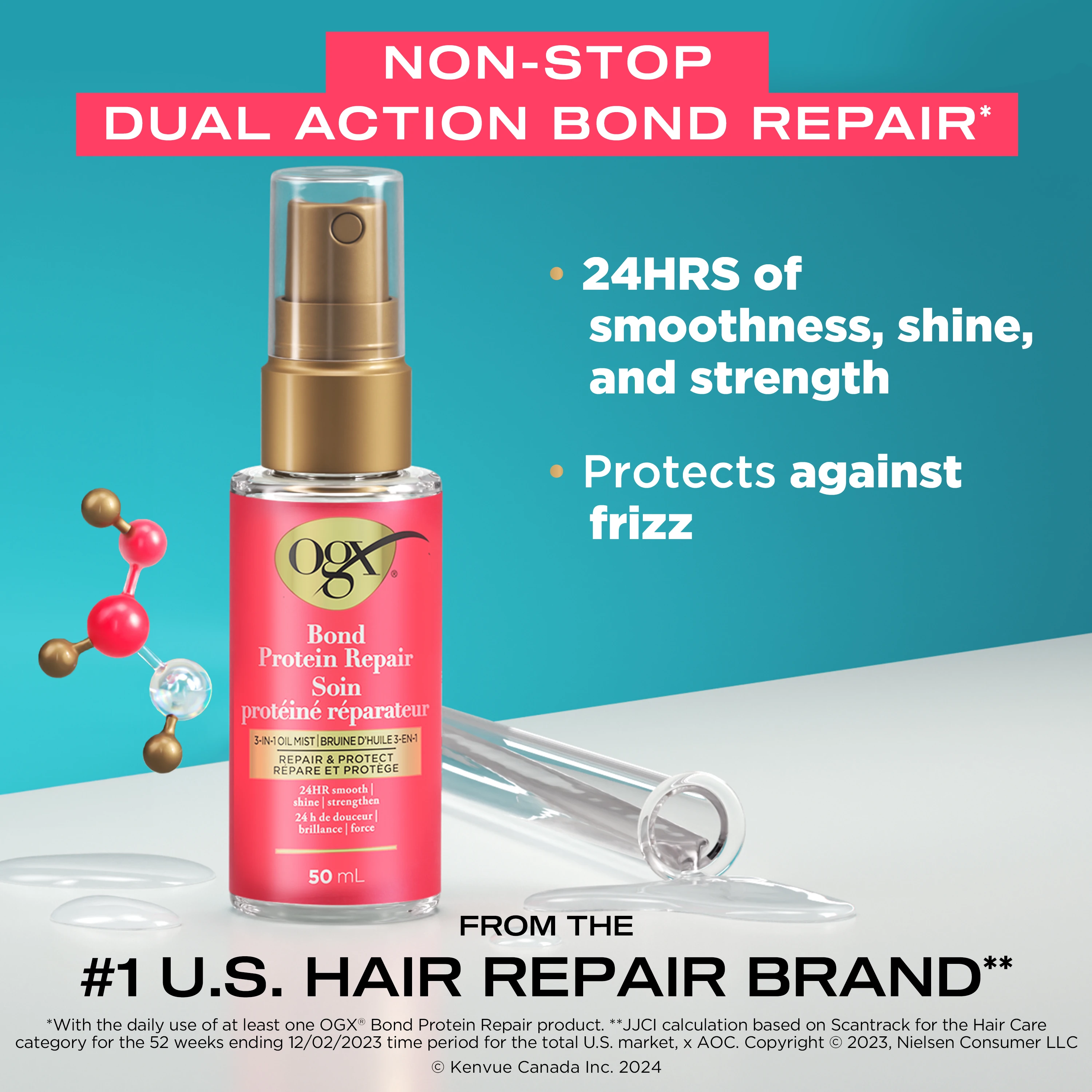
Credit: www.ogxbeauty.ca
Incorporating Protein Into Hair Routine
Incorporating protein into your hair routine strengthens strands and improves overall health. Protein rebuilds damaged hair by filling gaps in the cuticle layer. Using the right amount prevents breakage and promotes shine. Balanced protein care maintains hair elasticity and softness.
Frequency Of Protein Treatments
Protein treatments should match hair type and condition. Fine or low-porosity hair benefits from treatments every 3 to 4 weeks. Thick or damaged hair may need protein every 1 to 2 weeks. Overuse can cause stiffness and dryness. Adjust frequency based on how your hair responds.
Combining With Moisture Care
Protein and moisture must balance for healthy hair. Use moisturizing conditioners or masks after protein treatments. Moisture softens hair and prevents protein overload. Alternate protein days with deep moisturizing sessions. This keeps hair flexible and prevents breakage.
Signs Of Protein Deficiency
Weak, limp hair often lacks protein. Hair feels mushy or overly stretchy when wet. Breakage and split ends increase without protein. Hair looks dull and lifeless. These signs show your hair needs protein care soon.
Diy Protein Hair Care Recipes
Protein hair care is essential for strengthening and repairing damaged strands. Using DIY protein hair care recipes can give your hair a natural boost without harsh chemicals. These simple treatments use everyday kitchen ingredients to deliver the protein your hair craves.
Egg And Yogurt Mask
Eggs are rich in protein and biotin, which help rebuild your hair’s structure. Yogurt adds moisture and soothes the scalp, balancing the protein treatment.
Mix one egg with two tablespoons of plain yogurt until smooth. Apply the mixture to damp hair, focusing on the ends. Leave it on for 20 minutes, then rinse with cool water to avoid cooking the egg in your hair.
Have you noticed how this mask leaves hair feeling stronger yet soft? It’s a powerful combo that many overlook but works wonders.
Avocado And Honey Treatment
Avocado is packed with healthy fats and protein, while honey acts as a natural humectant, locking in moisture. Together, they create a nourishing treatment that strengthens and hydrates.
Mash half a ripe avocado and mix it with a tablespoon of honey. Spread evenly through your hair and let it sit for 30 minutes. Rinse thoroughly and enjoy the smooth, shiny results.
Why not try this when your hair feels dry and brittle? The natural oils in avocado repair damage and the honey keeps your hair hydrated.
Gelatin Protein Boost
Gelatin is a pure protein that can temporarily strengthen your hair by coating each strand. It’s an easy and affordable way to add protein without complicated ingredients.
Heat half a cup of water and dissolve one tablespoon of unflavored gelatin powder. Let it cool, then apply it to clean, damp hair. Leave it on for 15 minutes before rinsing out.
Have you ever thought about using gelatin on your hair? This quick treatment can add noticeable bounce and reduce breakage.

Credit: ca.curlsmith.com
Protecting Hair After Protein Care
After using protein treatments, hair needs special care to stay strong and healthy. Protein helps repair and build hair structure, but it can also make hair stiff or dry if not cared for properly. Protecting hair after protein care keeps it balanced and prevents breakage.
Taking gentle steps helps maintain softness and shine. Avoiding harsh actions and using proper products supports the hair’s new strength. Small habits make a big difference in keeping hair smooth and manageable.
Gentle Styling Tips
- Use wide-tooth combs to detangle hair slowly.
- Avoid tight hairstyles that pull on hair roots.
- Choose soft hair ties without metal parts.
- Limit brushing to once or twice a day.
- Pat hair dry with a towel instead of rubbing.
Heat Protection Strategies
- Always apply a heat protectant spray before styling.
- Use the lowest heat setting on tools like straighteners.
- Keep heat tools moving to avoid hot spots.
- Air dry hair partially before using heat.
- Limit heat styling to a few times per week.
Nighttime Hair Care
- Sleep on a satin or silk pillowcase to reduce friction.
- Wrap hair loosely in a silk scarf to protect strands.
- Try a loose braid or bun to prevent tangles.
- Apply a light leave-in conditioner before bed.
- Avoid sleeping with wet hair to prevent damage.
Common Mistakes With Protein Hair Care
Protein hair care helps strengthen hair and repair damage. Many people make mistakes that reduce its benefits. Avoiding these errors protects hair health and improves results.
Overuse And Hair Stiffness
Too much protein makes hair stiff and brittle. Hair loses softness and feels rough to touch. Limit protein treatments to avoid this problem. Balance is key for healthy, flexible hair.
Ignoring Moisture Balance
Protein alone does not keep hair hydrated. Hair needs moisture to stay soft and shiny. Skipping moisturizing products causes dryness and breakage. Always pair protein with hydrating care.
Using Wrong Products
Not all protein products suit every hair type. Some formulas may cause buildup or irritation. Choose products designed for your hair’s needs. Read labels carefully and test before regular use.
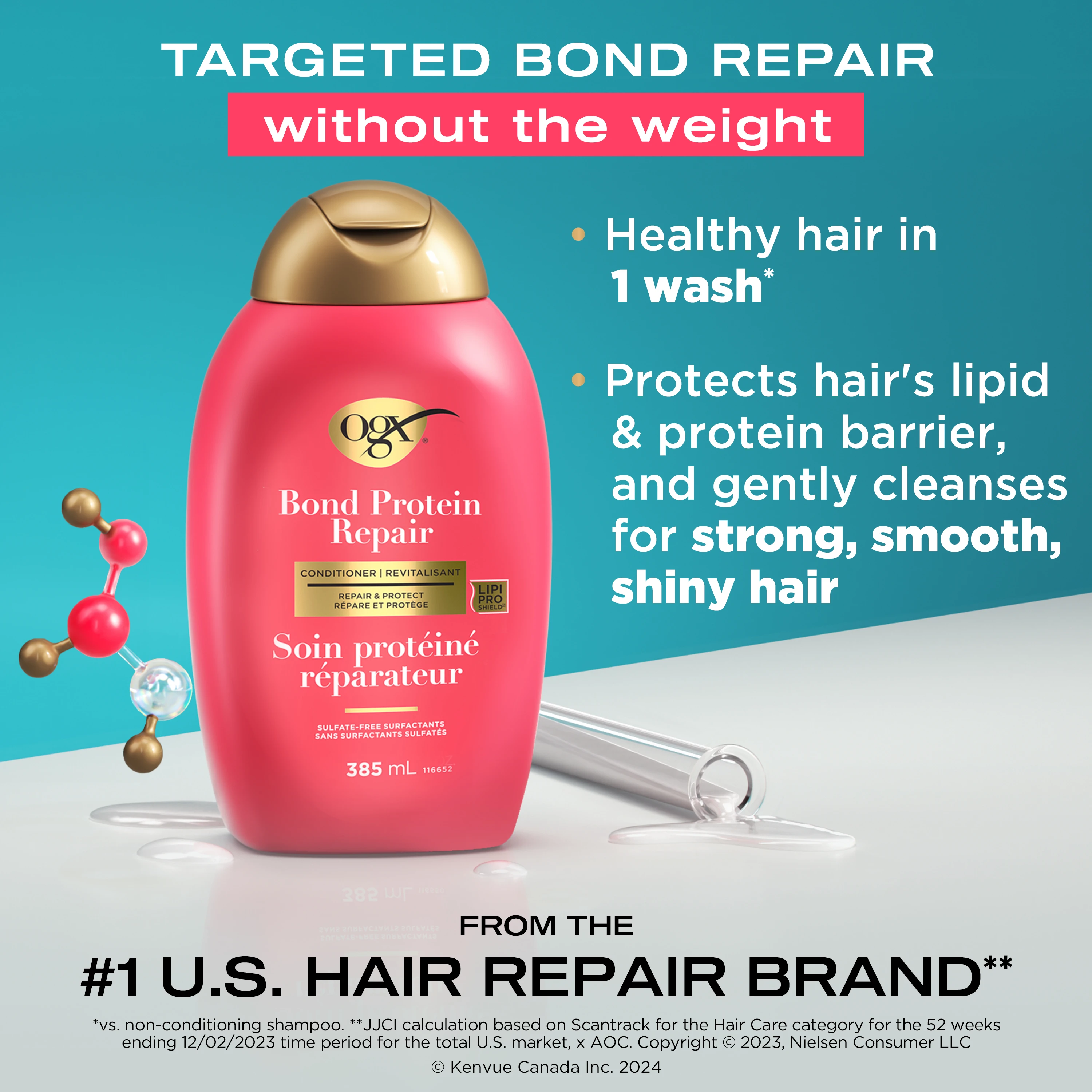
Credit: www.ogxbeauty.ca
Frequently Asked Questions
What Is Protein Hair Care?
Protein hair care involves using products enriched with proteins to strengthen hair. Proteins help repair damage, increase elasticity, and reduce breakage. Regular use can improve hair texture and shine. It’s essential for damaged, brittle, or chemically-treated hair. Incorporating protein treatments can lead to healthier, more resilient hair over time.
How Often Should I Use Protein Treatments?
Using protein treatments depends on hair type and condition. Generally, once every 4-6 weeks is recommended. Overuse can lead to dryness or stiffness. Always balance with moisturizing products to maintain hydration. If hair feels strong and healthy, reduce frequency. Monitor your hair’s response and adjust as needed.
Can Protein Hair Care Repair Damaged Hair?
Yes, protein hair care can help repair damaged hair. Proteins fill in gaps in the hair shaft, strengthening weak areas. This reduces breakage and improves overall hair health. While it can’t fully reverse damage, it significantly enhances hair’s appearance and resilience.
Combine with moisturizing treatments for best results.
Are There Any Side Effects Of Protein Treatments?
Overuse of protein treatments can lead to dry, brittle hair. It’s crucial to balance with moisture-rich products. Some people might experience stiffness or reduced elasticity. Always follow product instructions and adjust frequency based on your hair’s needs. Test new products on a small section first to avoid adverse reactions.
Conclusion
Protein helps keep hair strong and healthy. It repairs damage and stops breakage. Using protein treatments can make hair smooth and shiny. Choose products that match your hair type. Avoid using too much protein, as it can cause dryness. Regular care with protein will improve hair texture over time.
Healthy hair needs good nutrients and gentle handling. Keep your hair clean, moisturized, and protected from heat. Small changes in your routine can bring big benefits. Your hair will thank you with strength and shine.