
Are you tired of trying countless skincare products but still not seeing the results you desire? You’re not alone.
Many people apply various lotions and potions without knowing the proper order, which can hinder effectiveness. Imagine having radiant, healthy skin that makes you feel confident and beautiful every day. All it takes is understanding the right skincare routine order.
This isn’t just another beauty tip; it’s the secret to unlocking your skin’s full potential. Dive into this article, and discover how a few simple changes can transform your skincare regimen and give you the glowing complexion you’ve always dreamed of. Don’t miss out on the chance to revolutionize your skincare journey and achieve the skin you deserve.
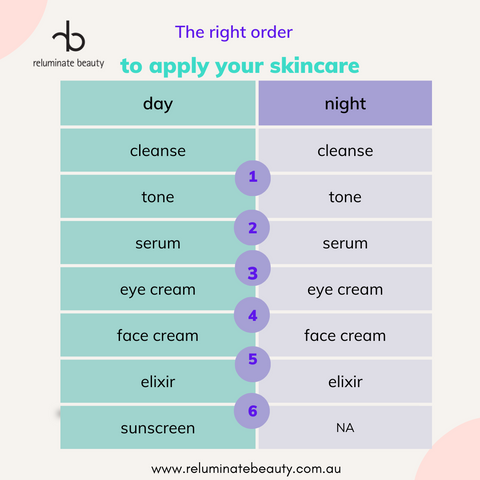
Credit: reluminatebeauty.com.au
Morning Skincare Steps
Your morning skincare routine sets the tone for your entire day. Starting with the right steps can help your skin stay healthy, hydrated, and protected. Let’s break down each essential part so you know exactly what to do every morning.
Cleansing For Fresh Start
Cleansing in the morning removes sweat, oils, and any leftover products from the night. Choose a gentle cleanser that suits your skin type to avoid stripping natural oils. I used to skip this step and noticed my skin felt dull by midday—once I started cleansing, my face felt instantly refreshed and ready for the day.
Toning Benefits
Toning helps restore your skin’s pH balance and tightens pores after cleansing. It also preps your skin to absorb serums and moisturizers better. Look for alcohol-free toners with ingredients like witch hazel or rose water for a soothing boost.
Serums And Treatments
Serums deliver concentrated ingredients directly to your skin. Pick serums with antioxidants like vitamin C to brighten your complexion or hyaluronic acid to lock in moisture. Applying these before moisturizer ensures they penetrate deeply and work effectively.
Moisturizing Tips
Moisturizer keeps your skin hydrated and creates a barrier against environmental stress. Even if you have oily skin, don’t skip this step; opt for a lightweight, non-comedogenic formula. I once thought skipping moisturizer would reduce oiliness, but it actually made my skin produce more oil.
Sun Protection Essentials
Applying sunscreen is non-negotiable. UV rays can damage your skin even on cloudy days. Use a broad-spectrum sunscreen with at least SPF 30 and reapply if you’re outdoors for extended periods.
Evening Skincare Steps
Evening skincare is your skin’s time to repair and recharge. The steps you take before bed can make a huge difference in how your skin looks and feels the next day. Skipping or mixing up these steps might leave residue, clogged pores, or missed treatment opportunities.
Makeup Removal Techniques
Removing makeup thoroughly is the first and most crucial step. Use a gentle makeup remover that suits your skin type, like micellar water or cleansing oils. These break down makeup without harsh rubbing, preventing irritation and keeping your skin calm.
If you wear waterproof mascara or heavy foundation, try double cleansing. Start with an oil-based remover to dissolve makeup, then follow with a water-based cleanser to clean your skin deeply. Have you noticed how skipping this step can cause breakouts or dullness?
Deep Cleansing Methods
After makeup removal, deep cleansing clears away sweat, dirt, and excess oils from the day. Choose a cleanser that matches your skin type—foaming for oily skin, cream-based for dry skin. Use lukewarm water to open your pores gently.
Massaging your cleanser in circular motions helps increase blood flow and ensures every part of your face is cleaned. Avoid hot water, which can strip natural oils and leave your skin dry or irritated. What cleanser texture do you find most soothing?
Exfoliation Guidelines
Exfoliating removes dead skin cells and promotes cell renewal but should be done wisely. Limit exfoliation to 2–3 times a week to avoid over-exfoliating, which can cause redness or sensitivity. Use chemical exfoliants like AHAs or BHAs if your skin is sensitive to physical scrubs.
Try to exfoliate after cleansing but before applying serums or moisturizers. This allows active ingredients to penetrate better. How does your skin feel after exfoliation—smooth or tight?
Night Serums And Treatments
Night serums deliver powerful ingredients that target specific concerns like wrinkles, dark spots, or dryness. Look for ingredients such as retinol, peptides, or hyaluronic acid depending on your skin needs. Apply serums on clean skin to maximize absorption.
Be cautious with retinol if you’re new to it; start with a low concentration and monitor your skin’s reaction. Adding a few drops to your routine can improve texture and firmness over time. What skin issue do you wish a serum could fix?
Nighttime Moisturizers
Night creams or moisturizers lock in all the benefits of your previous steps. They are often richer and more hydrating than day creams to support overnight skin repair. Pick a moisturizer that feels comfortable and doesn’t clog pores.
Apply it gently, pressing it into your skin rather than rubbing. This helps maintain skin barrier health and prevents irritation. Have you noticed how your skin feels in the morning after a good moisturizer?
Choosing Products By Skin Type
Choosing skincare products based on your skin type is essential for healthy skin. Different skin types need different ingredients and textures. Using the wrong products can cause irritation or worsen skin problems.
Understanding your skin type helps you pick items that work best. This section covers essentials for dry, oily, sensitive, and combination skin. Follow these tips for a balanced and effective skincare routine.
Dry Skin Essentials
Dry skin needs products that hydrate and lock in moisture. Choose gentle cleansers that do not strip natural oils. Look for creams with ingredients like hyaluronic acid, glycerin, and ceramides. Avoid harsh exfoliants and alcohol-based toners.
- Use rich moisturizers after cleansing.
- Apply hydrating serums with antioxidants.
- Include gentle exfoliation once or twice a week.
Oily Skin Solutions
Oily skin requires lightweight, non-comedogenic products. Select foaming or gel cleansers to remove excess oil. Use oil-free moisturizers that balance hydration without greasiness. Ingredients like salicylic acid help control shine and prevent breakouts.
- Cleanse twice daily to keep pores clear.
- Use mattifying sunscreens to reduce shine.
- Incorporate clay masks to absorb oil weekly.
Sensitive Skin Care
Sensitive skin needs mild, soothing products. Avoid fragrances, dyes, and harsh chemicals. Choose cleansers and moisturizers with calming ingredients like aloe vera and chamomile. Patch test new products before full use to prevent reactions.
- Opt for fragrance-free and hypoallergenic items.
- Use minimal products to reduce irritation risk.
- Apply sunscreen formulated for sensitive skin daily.
Combination Skin Tips
Combination skin needs balanced care for oily and dry areas. Use gentle cleansers that do not dry out skin. Apply lighter moisturizers on oily zones and richer creams on dry patches. Blotting papers help control shine without over-cleansing.
- Target treatments for specific skin zones.
- Use exfoliants to smooth texture but not too often.
- Choose sunscreens that suit both dry and oily skin.
Credit: www.lemon8-app.com
Common Skincare Mistakes
Many people make simple mistakes in their skincare routines. These errors can cause skin problems and reduce the benefits of products. Knowing these common mistakes helps to keep skin healthy and glowing. Avoiding them saves time and money on treatments that do not work.
Over-exfoliation Risks
Exfoliating too often can harm your skin. It removes natural oils and damages the skin barrier. This leads to redness, dryness, and irritation. Limit exfoliation to 2-3 times a week. Use gentle scrubs or chemical exfoliants suited for your skin type.
Skipping Sunscreen
Not using sunscreen daily invites sun damage. UV rays cause premature aging, dark spots, and skin cancer. Apply a broad-spectrum sunscreen every morning, even on cloudy days. Reapply every two hours if outdoors for long periods.
Layering Errors
Applying skincare products in the wrong order reduces their effectiveness. Start with the thinnest texture like toner or serum. Follow with thicker creams or oils. Always apply sunscreen last. This order helps products absorb better and protects skin properly.
Ignoring Patch Tests
Trying new products without patch tests can cause allergies or irritation. Test a small amount on your wrist or behind the ear first. Wait 24-48 hours to check for reactions. This simple step prevents skin damage and discomfort.
Additional Skincare Tips
Adding extra care to your skincare routine can make a noticeable difference in your skin’s health and appearance. Beyond the order of products, these additional tips help you support your skin from the inside out and keep your routine effective over time.
Hydration And Diet
What you eat and drink directly affects your skin’s condition. Drinking enough water keeps your skin plump and helps flush out toxins.
Foods rich in antioxidants, like berries and leafy greens, protect your skin from damage. On the other hand, excess sugar and processed foods can cause breakouts and dullness.
Have you ever noticed how your skin reacts after a heavy meal or a day without water? Paying attention to these connections can guide healthier choices.
Importance Of Consistency
Skincare isn’t about quick fixes; it’s about steady care. Using your products regularly allows active ingredients to work effectively.
Skipping days or switching products too often can confuse your skin and prevent results. Even on busy days, a simple routine keeps your skin balanced.
Think about the last time you missed your routine—did you see any changes? Consistency is a simple tool that you might be overlooking.
Seasonal Adjustments
Your skin’s needs change as the weather does. In colder months, you might need richer moisturizers to fight dryness.
During summer, lighter products and extra sunscreen protect against sun damage and sweat. Adjusting your routine seasonally prevents irritation and keeps your skin comfortable.
Have you tried using the same products all year round? You may find that small tweaks make a big difference.
When To Consult A Dermatologist
Sometimes, skin issues don’t improve with regular care. Persistent redness, itching, or unusual spots need professional advice.
A dermatologist can diagnose conditions like eczema, acne, or allergies and recommend targeted treatments. Don’t wait too long if your skin feels uncomfortable or looks worse.
Have you ever hesitated to see a professional? Remember, early consultation can save you time and frustration.
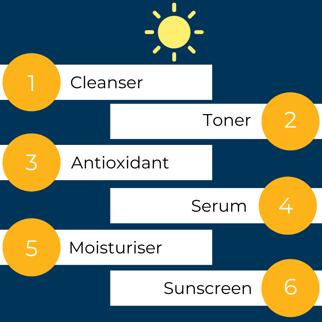
Credit: www.skincancercentres.com.au
Frequently Asked Questions
What Is The Correct Order For A Skincare Routine?
Start with cleansing to remove dirt. Apply toner to balance skin pH. Use serums for treatment. Finish with moisturizer to hydrate. Always apply sunscreen last during the day.
Should I Apply Serum Before Or After Moisturizer?
Apply serum before moisturizer. Serums contain concentrated active ingredients. They penetrate deeper when applied on clean skin. Moisturizer seals in the serum and hydrates skin.
How Often Should I Follow My Skincare Routine?
Follow your skincare routine twice daily: morning and night. Consistency ensures better skin results. Adjust products based on your skin type and concerns.
Can I Skip Toner In My Skincare Routine?
Toner helps balance skin’s pH and removes leftover residue. It preps skin for better absorption of serums. While optional, toner improves overall skincare effectiveness.
Conclusion
A proper skincare routine keeps your skin healthy and fresh. Start with cleansing to remove dirt and oil. Follow with toner to balance your skin’s pH. Apply serum next for extra care and nutrients. Finish with moisturizer to lock in hydration.
Use sunscreen daily to protect from sun damage. Consistency matters more than expensive products. Your skin will thank you with a natural glow. Simple steps, done right, make a big difference. Stick to the order and enjoy better skin every day.
