Imagine waking up each morning to smooth, glowing skin that radiates confidence and health. Sounds amazing, right?
A proper skincare routine can make this dream a reality. Whether you’re battling breakouts, dryness, or simply want to maintain your skin’s youthful glow, having a structured routine is essential. You might be wondering if you’re doing everything you can to care for your skin.
Are you using the right products? Are you following the right steps? We’ll guide you through a simple yet effective skincare routine tailored just for you. Get ready to transform your skincare game and unlock the secrets to a flawless complexion. Keep reading, and discover how you can achieve the skin you’ve always wanted.

Credit: www.reddit.com
Daily Skincare Steps
Building a daily skincare routine doesn’t have to be complicated. Consistency matters more than complexity, and simple steps can make a big difference in how your skin looks and feels. Let’s break down the core actions you should take every day to keep your skin healthy and glowing.
Cleansing Techniques
Cleansing is the foundation of any skincare routine. Use a gentle cleanser that matches your skin type—whether it’s oily, dry, or combination.
Wash your face with lukewarm water to avoid stripping natural oils. Use your fingertips in small circular motions to clean your face, not a harsh scrub or washcloth, which can irritate the skin.
Have you noticed how often skipping cleansing leaves your skin dull and prone to breakouts? That’s a clear sign your skin needs a fresh start every day.
Toning Benefits
Toner helps restore your skin’s natural pH and tightens pores, preparing your face for moisturizing. Choose alcohol-free toners to avoid drying out your skin.
Applying toner with a cotton pad or your hands can remove leftover dirt and balance oil production. It’s a quick step that sets up your skin for better absorption of other products.
Think of toner as the bridge between cleansing and moisturizing—do you skip this step? Try adding it for a week and see how your skin responds.
Moisturizing Essentials
Moisturizer locks in hydration and protects your skin barrier. Pick a moisturizer that suits your skin’s needs—light gels for oily skin and richer creams for dry skin.
Apply moisturizer on slightly damp skin to seal in moisture more effectively. Don’t forget your neck and décolletage, as these areas also show signs of aging.
When was the last time you changed your moisturizer according to seasons? Adjusting your product can prevent dryness or excess oiliness.
Sun Protection Tips
Sun protection is a non-negotiable part of your daily routine. Use a broad-spectrum SPF of at least 30, even on cloudy days or if you’re indoors near windows.
Apply sunscreen as the last step in your morning routine, about 15 minutes before going outside. Reapply every two hours if you stay outdoors for long periods.
Do you realize how much sun damage accumulates over time? Regular sunscreen use can prevent premature aging and reduce the risk of skin cancer.
Choosing The Right Products
Choosing the right products is the backbone of any effective skincare routine. The products you pick can either enhance your skin’s health or cause more harm than good. Understanding what your skin truly needs will save you time, money, and frustration.
Identifying Your Skin Type
Your skin type determines which products will work best for you. Are you dealing with dryness, oiliness, sensitivity, or a combination? Simple tests, like how your skin feels a few hours after washing or how it reacts to certain products, can help you figure this out.
For example, if your skin feels tight and flaky, it’s likely dry. If it shines and feels greasy by midday, you probably have oily skin. Knowing your skin type helps you avoid products that can worsen issues, such as heavy creams on oily skin or harsh cleansers on sensitive skin.
Ingredients To Look For
Look for ingredients that target your specific skin concerns effectively and gently. Hyaluronic acid is excellent for hydration, while salicylic acid helps clear acne without over-drying. Antioxidants like vitamin C brighten skin and protect it from damage.
Natural oils such as jojoba or rosehip can nourish without clogging pores. If you want anti-aging benefits, retinol is a proven choice but start slow to avoid irritation. Always check ingredient lists and choose products with fewer artificial fillers and fragrances.
Products To Avoid
Certain ingredients can cause more harm than good, especially if you have sensitive or reactive skin. Avoid products with alcohol denat, which can dry out your skin and disrupt its natural barrier. Fragrance and artificial dyes often trigger irritation and redness.
Be cautious with harsh exfoliants or scrubs that can damage your skin’s surface. Also, steer clear of sulfates found in some cleansers—they strip natural oils and leave skin feeling tight. Do you know what’s really inside your daily skincare products? Taking a moment to check can make a big difference in your skin’s health.
Weekly Skincare Additions
Weekly skincare additions help refresh and improve your skin deeply. They support daily routines by targeting specific needs. Including these treatments once or twice a week enhances skin health and glow.
Exfoliation Methods
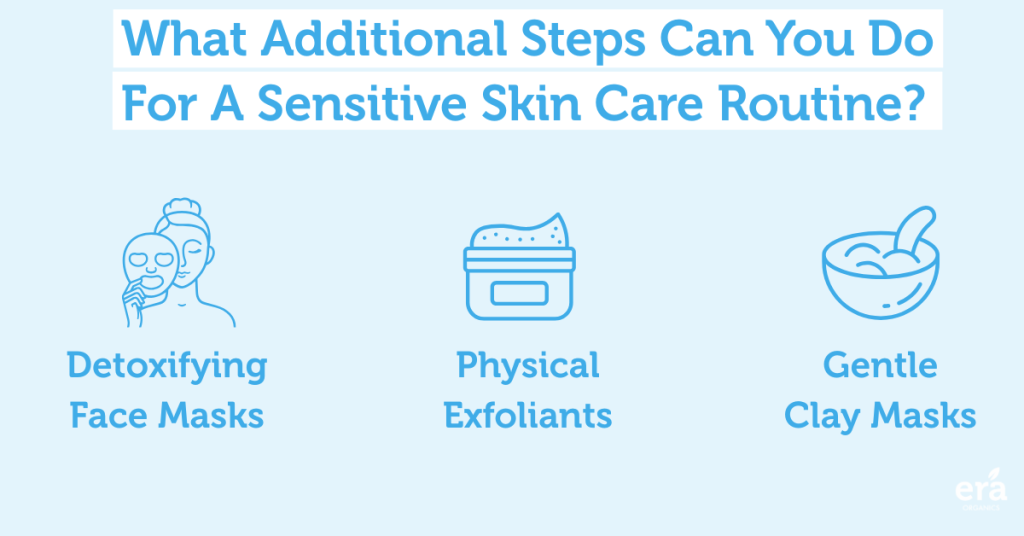
Exfoliation removes dead skin cells, revealing fresh skin underneath. Choose gentle scrubs or chemical exfoliants based on your skin type. Avoid over-exfoliating to prevent irritation and dryness.
- Physical scrubs with small, smooth particles for sensitive skin
- Chemical exfoliants like AHAs and BHAs for oily or acne-prone skin
- Enzyme exfoliants for gentle, natural exfoliation
Face Masks For Different Skin Needs
Face masks target hydration, detox, or soothing effects. Pick masks based on your skin’s current condition. Using masks weekly boosts moisture and clears impurities effectively.
- Clay masks for oily and acne-prone skin
- Hydrating masks with ingredients like aloe or hyaluronic acid
- Calming masks with chamomile or oatmeal for sensitive skin
Serums And Treatments
Serums deliver concentrated ingredients deeper into the skin. Use specific serums for brightening, anti-aging, or acne treatment. Apply these treatments after cleansing and before moisturizing.
- Vitamin C serums to brighten dull skin
- Retinol treatments for fine lines and wrinkles
- Salicylic acid serums to reduce acne and unclog pores
Addressing Common Skin Concerns
Many people face skin problems daily. These issues can affect confidence and comfort. Understanding common skin concerns helps in choosing the right care steps. Each skin problem needs special attention and products.
Proper care improves skin health and appearance. It prevents worsening of issues and supports healing. Tailoring your routine to specific problems brings better results.
Acne Solutions
Acne forms from clogged pores and bacteria. Keep skin clean using a gentle cleanser twice a day. Avoid harsh scrubbing that irritates skin.
- Use products with salicylic acid or benzoyl peroxide.
- Apply non-comedogenic moisturizers to avoid clogging pores.
- Limit heavy makeup that blocks pores.
- Do not pick or squeeze pimples to prevent scars.
Anti-aging Tips
Wrinkles and fine lines appear with age. Protect skin from sun damage by using sunscreen daily. Moisturizers with antioxidants support skin repair.
- Choose creams with retinol or peptides to boost collagen.
- Drink plenty of water for skin hydration.
- Get enough sleep to help skin regenerate.
Managing Dryness And Sensitivity
Dry and sensitive skin needs gentle care to avoid irritation. Use fragrance-free and mild cleansers. Avoid hot water which strips natural oils.
- Apply rich, hydrating moisturizers immediately after washing.
- Use products with ingredients like ceramides or aloe vera.
- Wear protective clothing in harsh weather.
Lifestyle Factors For Healthy Skin
Healthy skin does not rely solely on creams and serums. True skin health starts within. Lifestyle choices play a vital role in maintaining glowing, youthful skin. Daily habits affect how your skin looks and feels. Simple changes can lead to lasting improvements.
Nutrition And Hydration
Your skin needs nutrients to stay strong and radiant. Eating a balanced diet rich in fruits and vegetables supplies essential vitamins and antioxidants. These help protect skin cells from damage. Drink plenty of water to keep skin hydrated and supple. Proper hydration supports elasticity and helps flush out toxins. Avoid excessive sugar and processed foods, as they can cause inflammation and breakouts.
Stress Management
Stress triggers hormones that can harm your skin. High stress levels often cause acne, redness, and dullness. Find ways to relax and calm your mind daily. Techniques such as deep breathing, meditation, or light exercise reduce stress hormones. A calm mind leads to clearer, healthier skin. Consistent stress control boosts your skin’s ability to heal and renew.
Sleep And Skin Repair
Sleep is the time when your skin heals and regenerates. Lack of sleep causes dark circles, puffiness, and a tired complexion. Aim for 7 to 9 hours of quality sleep each night. During deep sleep, the body produces collagen, a protein that keeps skin firm. Good rest improves skin texture and reduces signs of aging. Establish a relaxing bedtime routine for better skin health.
Skincare Myths Debunked
Many skincare tips you hear might sound convincing but don’t actually help your skin. Some myths can even cause harm or make your skin problems worse. Let’s clear up the confusion so you can build a routine that truly works for you.
Overwashing Your Face Makes Skin Healthier
It’s easy to think washing your face more often will make it cleaner and clearer. But washing too much strips away natural oils, leading to dryness and irritation. I once tried washing my face four times a day, hoping to fix breakouts, but it only made my skin red and flaky.
Stick to washing twice daily with a gentle cleanser. Your skin needs a balance of cleanliness and moisture to stay healthy.
Oily Skin Doesn’t Need Moisturizer
Many believe oily skin means you should skip moisturizer. The truth is, oily skin still needs hydration. Skipping moisturizer can cause your skin to produce even more oil to compensate.
Look for lightweight, non-comedogenic moisturizers that won’t clog pores but will keep your skin balanced.
More Product Layers Mean Better Results
Applying many products in one go might seem like a shortcut to glowing skin. In reality, piling on too many can irritate your skin or reduce the effectiveness of active ingredients.
Focus on a few key products tailored to your skin needs. Quality beats quantity every time.
Sunscreen Is Only Necessary On Sunny Days
You might skip sunscreen when it’s cloudy or indoors, thinking UV rays aren’t harmful then. But UVA rays penetrate clouds and windows, causing damage all year round.
Apply sunscreen every day, regardless of weather or your plans outside. Your skin will thank you later.
Natural Ingredients Are Always Safer
“Natural” doesn’t automatically mean safe or better for your skin. Some natural ingredients can cause allergies or irritations.
Patch test new products, whether natural or synthetic. Your skin’s reaction is the real test.
Tips For Consistency And Patience
Consistency and patience are key to seeing real results from any skincare routine. Skin changes slowly, and quick fixes rarely last. Sticking to your routine every day helps your skin adjust and improve over time.
Patience allows your skin to heal and show progress. Avoid switching products too often. Give each product time to work before trying something new. This approach builds a strong foundation for healthy skin.
Set A Simple Daily Schedule
Create a routine you can easily follow every day. Use products in the same order and at the same time. Keeping it simple reduces the chance of skipping steps.
Track Your Progress
Take photos or notes weekly to see how your skin changes. Small improvements can motivate you to keep going. Tracking helps you notice what works best.
Manage Expectations
Understand that skin needs weeks or months to improve. Some issues take longer to heal. Realistic goals stop frustration and keep you committed.
Use Reminders
Set alarms or notes to remind you of your routine. Consistent timing trains your skin and builds good habits. Reminders prevent forgetting important steps.
Be Gentle With Your Skin
Avoid harsh scrubs or over-washing. Treat your skin with care every day. Gentle care supports healing and reduces irritation.
Credit: www.lemon8-app.com

Credit: www.eraorganics.com
Frequently Asked Questions
What Are The Basic Steps Of A Proper Skincare Routine?
A proper skincare routine includes cleansing, toning, moisturizing, and sun protection. These steps keep skin clean, hydrated, and protected from damage daily.
How Often Should I Follow My Skincare Routine?
You should follow your skincare routine twice daily, morning and night. Consistency helps maintain healthy skin and improves its overall appearance.
Can I Skip Moisturizer If I Have Oily Skin?
No, even oily skin needs moisturizer. Use a lightweight, non-comedogenic moisturizer to keep skin balanced without clogging pores.
Why Is Sunscreen Important In Skincare?
Sunscreen protects skin from harmful UV rays that cause aging and skin cancer. Applying it daily prevents damage and maintains skin health.
Conclusion
A proper skincare routine helps keep your skin healthy and fresh. Cleanse, tone, and moisturize daily for best results. Protect your skin from sun damage every day. Drink water and eat well to support your skin. Consistency is key to seeing real improvement.
Small steps make a big difference over time. Take care of your skin, and it will thank you. Simple habits create lasting beauty and confidence. Keep your routine easy and steady for glowing skin.
