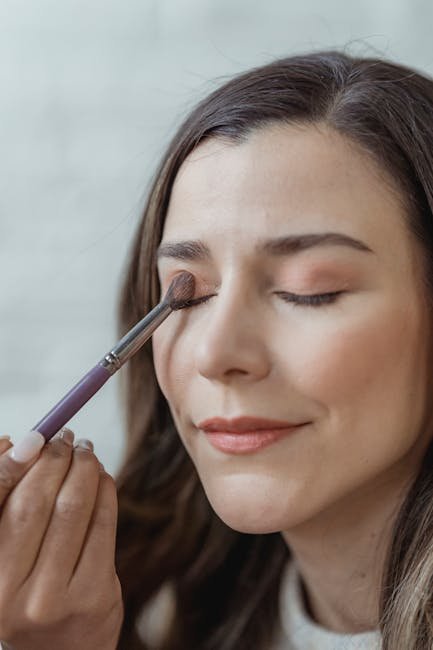
Want to master the art of flawless makeup that turns heads and boosts your confidence? You’re in the right place.
Whether you’re getting ready for a big event or just want to look your best every day, professional makeup tips can make all the difference. Imagine achieving a stunning look with ease, using simple tricks that experts swear by. Keep reading, and you’ll discover how to enhance your natural beauty like a pro—no complicated steps, just effective advice tailored for you.
Skin Preparation
Preparing your skin before applying makeup ensures a smooth and lasting finish. Clean, hydrated skin helps makeup go on evenly and prevents patchiness. Proper skin preparation also protects your skin from potential irritation caused by makeup products.
Cleansing And Moisturizing
Start with a gentle cleanser to remove dirt and oil. Clean skin creates a fresh canvas for makeup. Use a moisturizer suitable for your skin type to keep your skin hydrated. Well-moisturized skin prevents dryness and flakiness under makeup.
Priming For Longevity
Apply a primer after moisturizing to help makeup stick better. Primers create a smooth surface and control oil or dryness. They also minimize pores and fine lines. This step extends the wear time of your makeup.
Choosing The Right Base
Select a foundation or base that matches your skin tone and type. Use lighter formulas for oily skin and richer ones for dry skin. Test shades in natural light to find the best match. A good base evens out skin tone and hides imperfections.

Credit: www.shefinds.com
Foundation Techniques
Foundation is the base of any flawless makeup look. It evens out the skin tone and hides imperfections. Using the right techniques helps create a smooth and natural finish. These tips focus on matching your skin, choosing the right tools, and building coverage gently.
Matching Skin Tones
Choose a foundation shade that blends seamlessly with your natural skin color. Test shades on your jawline or wrist for accuracy. Look at the color in natural light to avoid mistakes. Consider your skin’s undertone—cool, warm, or neutral—for the best match.
Application Tools And Methods
Select tools that suit your foundation type and desired finish. Brushes offer precision and a polished look. Sponges give a soft, airbrushed effect. Fingers help warm the product and blend easily for a natural result.
- Use a damp sponge for liquid foundations.
- Brushes work well with cream or powder bases.
- Apply in thin layers to avoid heaviness.
Building Coverage Naturally
Start with a small amount of foundation. Apply evenly and blend gently into the skin. Add more product only on areas that need extra coverage. This technique avoids cakey or heavy makeup. Patting motions help keep the finish fresh and natural.
Enhancing The Eyes
Your eyes can be the most captivating feature of your face, and enhancing them effectively makes a huge difference in your overall look. Small changes in how you shape, line, and shadow your eyes can highlight their natural beauty and express your personality. Let’s dive into practical tips that will help you make your eyes stand out effortlessly.
Shaping And Filling Brows
Your eyebrows frame your eyes and set the tone for your entire makeup look. Start by identifying your natural brow shape—do they arch high or are they straighter? Follow the natural curve rather than forcing a shape; this keeps your look authentic.
Use a brow pencil or powder that matches your hair color. Light, hair-like strokes fill in gaps without looking harsh. Avoid overfilling, which can make brows look unnatural. Have you ever noticed how a slight brow tweak can instantly lift your face?
Perfecting Eyeliner Styles
Eyeliner defines your eyes and can dramatically change their appearance. If you want a subtle enhancement, try tightlining—applying liner on the waterline. This makes lashes look fuller without obvious lines.
For a classic look, use a pencil liner for a soft edge or liquid liner for a sharp wing. Steady your hand by resting your elbow on a flat surface and draw in short strokes. Curious how different liner shapes change eye shapes? Experiment with thin lines for smaller eyes or bold wings for a cat-eye effect.
Mastering Eyeshadow Blending
Blending eyeshadow creates depth and dimension that make your eyes pop. Use a fluffy brush and soft, circular motions to blend colors seamlessly. Harsh lines can distract, so take your time blending for a smooth transition.
Start with a neutral base shade all over the lid, then add a darker color in the crease to create depth. Highlight the inner corners and brow bone with a light shimmer to brighten your eyes. Have you tried layering colors from light to dark to see how it changes your eye’s appearance?

Credit: www.youtube.com
Sculpting The Face
Sculpting the face is an essential technique in professional makeup. It helps create shape and dimension. This technique can enhance natural features. It also balances the face’s proportions. Using light and shadow tricks can make the face look slimmer and more defined.
Contouring Tips
Choose a contour shade two shades darker than your skin tone. Apply it under cheekbones, along the jawline, and sides of the nose. Blend well to avoid harsh lines. Use a small angled brush for precision. Keep the contour matte for a natural look. Avoid applying too much product at once. Build up the intensity slowly.
Highlighting For Radiance
Pick a highlighter that matches your skin undertone. Apply it on the high points of the face. Focus on the cheekbones, brow bones, bridge of the nose, and cupid’s bow. Use a light hand to keep the glow subtle. Use a fan brush or fingertips for gentle application. Highlighting lifts the face and adds fresh radiance.
Blush Placement Tricks
Select a blush color that complements your skin tone. Smile to find the apples of your cheeks. Apply blush there and blend it upwards toward the temples. This technique lifts the face and adds a healthy glow. Use a fluffy brush for a soft, natural finish. Avoid placing blush too low or too close to the nose.
Lip Techniques
Lip techniques shape the overall look of your makeup. Perfect lips draw attention and highlight your smile. Small changes in application can create big effects. Understanding color, precision, and lasting power is key. These tips help achieve a polished and beautiful lip look.
Choosing Lip Colors
Select colors that match your skin tone and outfit. Warm skin tones suit reds, oranges, and coral shades. Cool skin tones pair well with pinks, plums, and blues. Neutral colors like nude and soft pink work for all tones.
- Match lip color with your makeup style.
- Use brighter shades for daytime or events.
- Darker shades add drama for evening looks.
Defining Lips With Precision
Outline lips with a lip liner close to your lipstick shade. This prevents color from bleeding and sharpens the lip shape. Start from the cupid’s bow and follow the natural lip line. Fill in lips lightly with the liner for a base that helps lipstick last.
- Use a fine brush or pencil for clean lines.
- Blend the liner inward for a natural gradient.
- Correct mistakes with a concealer brush around edges.
Long-lasting Lip Application
Begin with exfoliated and moisturized lips for smooth application. Apply lipstick in thin layers and blot with tissue between coats. Use a translucent powder lightly over lips to set color. Lip primers or long-wear formulas extend wear time without cracking.
- Carry your lipstick for quick touch-ups.
- Avoid oily foods to keep lips fresh longer.
- Use a straw when drinking to protect color.
Setting And Finishing
Setting and finishing your makeup is the final touch that transforms your look from good to flawless. It locks in all the hard work you’ve done and ensures your makeup stays fresh throughout the day. Without proper setting, even the best makeup can fade, smudge, or melt away, leaving you frustrated.
Using Setting Sprays
Setting sprays are a game-changer for keeping your makeup intact. After completing your makeup, hold the bottle about 8-12 inches from your face and mist evenly. Look for sprays that suit your skin type—hydrating sprays for dry skin and mattifying ones for oily skin.
I once forgot to use setting spray before a long event and noticed my foundation sliding off by midday. Since then, I always carry a travel-sized spray to refresh my look. Have you tried using a setting spray that made a noticeable difference?
Touch-up Essentials
Carrying a small kit with touch-up essentials can save your makeup on hectic days. Include blotting papers to remove excess oil without disturbing your makeup, a compact powder for quick mattifying, and a mini lipstick or gloss for refreshing your lips.
Keep these items in your bag or desk drawer to quickly fix shine or faded color. It’s amazing how a simple touch-up can boost your confidence instantly. What items do you always carry for makeup touch-ups?
Maintaining Makeup All Day
Maintaining your makeup doesn’t just rely on products but also on your daily habits. Avoid touching your face often and use a gentle patting motion with a sponge or brush if you need to fix anything. Drinking water regularly helps keep your skin hydrated, which supports makeup longevity.
Try to stay in cooler environments or use a fan when possible, as heat causes makeup to break down faster. Have you noticed your makeup lasts longer in certain conditions? Paying attention to these details can extend your flawless look well beyond what you expect.
Common Mistakes To Avoid
Professional makeup looks flawless, but many common mistakes can spoil the effect. Avoiding these errors helps your makeup appear natural and long-lasting. Understanding what to skip is as important as knowing what to do.
Overusing Products
Using too much makeup can make the face look heavy and cakey. Thick layers of foundation or powder block the skin’s natural glow. Apply small amounts and build up only where needed. Less product often creates a fresher look.
Ignoring Skin Type
Different skin types need different makeup products. Oily skin requires mattifying formulas to reduce shine. Dry skin benefits from hydrating and creamy textures. Using the wrong product can cause irritation or poor finish.
Skipping Blending
Harsh lines ruin any makeup look. Blending edges softly creates a smooth transition between colors. Use brushes or sponges to blend foundation, eyeshadow, and blush well. Take your time to avoid patchy or uneven makeup.

Credit: www.amazon.com
Frequently Asked Questions
What Are The Essential Tools For Professional Makeup?
Essential tools include quality brushes, sponges, eyelash curlers, and a good set of makeup products. These help achieve a flawless look with precision and ease.
How To Choose The Right Foundation Shade?
Select a foundation that matches your skin tone and undertone. Test shades on your jawline in natural light for the best match.
What Is The Best Way To Apply Makeup Primer?
Apply a thin, even layer of primer after moisturizing. This smooths skin texture and helps makeup last longer throughout the day.
How To Make Makeup Last All Day?
Use primer, set makeup with powder, and finish with setting spray. Avoid touching your face frequently to maintain the look.
Conclusion
Experiment with these professional makeup tips for stunning results. Confidence grows with practice. A little effort goes a long way. Remember, makeup should enhance your natural beauty. Everyone’s unique, so adapt tips to suit your style. Don’t forget to care for your skin daily.
Healthy skin makes makeup application smoother. Keep trying new techniques. Makeup is fun, not a chore. Share your creations with friends. Inspire each other. Your makeup journey is personal and creative. Enjoy the process. Keep learning, keep glowing.
