Congratulations on your pregnancy! As you prepare for this incredible journey, you might be wondering how to keep your skincare routine both effective and safe.
Your skin can change in surprising ways during pregnancy, and it’s essential to know which products will nurture and protect it without risking your health or your baby’s. You deserve to feel beautiful and confident every day, and with the right pregnancy-safe skincare routine, you can achieve just that.
Imagine the relief of knowing every product you use is gentle yet effective, allowing you to focus on the joy of expecting. Ready to discover the secrets to a radiant, worry-free glow? Let’s dive into the essentials that will transform your skincare routine and keep you shining throughout your pregnancy journey.
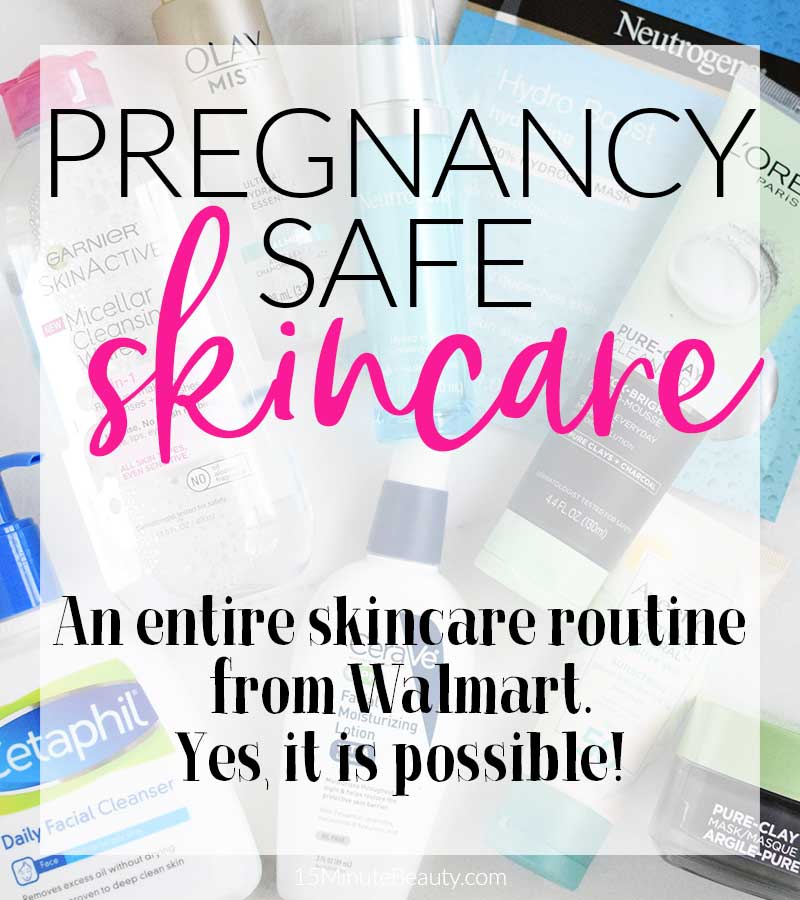
Credit: www.15minutebeauty.com
Choosing Gentle Cleansers
Choosing the right cleanser during pregnancy is crucial for maintaining healthy skin without risking your baby’s safety. Your skin becomes more sensitive, and some ingredients that were fine before might now cause irritation or harm. Opting for gentle cleansers helps you keep your skin fresh, clean, and balanced without stripping away essential moisture.
Ingredients To Avoid
Not all skincare ingredients are safe during pregnancy. Some can penetrate your skin and affect your developing baby.
- Retinoids:These vitamin A derivatives are common in anti-aging products but can cause birth defects.
- Salicylic Acid:High concentrations, especially in chemical peels, should be avoided due to potential risks.
- Hydroquinone:Used for lightening dark spots, but it’s best to steer clear during pregnancy.
- Phthalates and Parabens:These preservatives may disrupt hormones, so it’s wise to avoid them.
Have you checked your current cleanser’s label for any of these ingredients? It might be time to switch if you spot them.
Best Cleanser Types For Pregnancy
Look for cleansers that offer a gentle yet effective cleanse without harsh chemicals.
- Cream Cleansers:They hydrate while cleaning, perfect for dry or sensitive skin.
- Micellar Water:A gentle option that removes dirt and makeup without rinsing.
- Gel Cleansers:Ideal for oily or acne-prone skin but choose ones with mild formulas.
- Oil Cleansers:Surprisingly effective and nourishing, these help maintain your skin’s natural barrier.
Think about how your skin feels after cleansing. Does it feel tight or irritated? If yes, consider switching to a more soothing formula.
Moisturizing For Hydration
Keeping your skin hydrated during pregnancy is essential. Hormonal changes can make your skin feel dry, tight, or itchy. Moisturizing regularly helps maintain your skin’s elasticity and comfort.
Choosing the right products is crucial because some ingredients might not be safe for you or your baby. You want to nourish your skin without any worries.
Safe Moisturizers
Look for moisturizers labeled as pregnancy-safe or suitable for sensitive skin. These products typically avoid retinoids, salicylic acid, and other harsh chemicals.
Ingredients like hyaluronic acid, glycerin, and ceramides are excellent for hydration and skin barrier repair. They keep your skin soft without irritation.
- Cetaphil Moisturizing Lotion
- Vanicream Moisturizing Cream
- Bioderma Atoderm Intensive Balm
Have you checked your moisturizer’s ingredient list lately? It might surprise you what’s lurking in some products.
Natural Oils That Nourish Skin
Natural oils can be powerful allies during pregnancy. They provide deep hydration and are usually free from harmful additives.
Consider oils like coconut oil, jojoba oil, and sweet almond oil. These oils absorb well and often help reduce stretch marks and itchiness.
- Coconut Oil:Moisturizes and soothes dry patches.
- Jojoba Oil:Balances oil production and improves skin texture.
- Sweet Almond Oil:Rich in vitamins and gentle on sensitive skin.
Have you tried adding a few drops of natural oil to your moisturizer? It might be a simple way to boost hydration without extra products.
Sun Protection Essentials
Protecting your skin from the sun is vital during pregnancy. Hormonal changes make your skin more sensitive. This can lead to dark spots or melasma. Sun exposure can worsen these issues. A good sun protection routine helps keep your skin healthy and glowing.
Pregnancy-safe Sunscreens
Choose sunscreens with mineral ingredients like zinc oxide or titanium dioxide. These ingredients sit on top of the skin and block UV rays physically. Avoid chemical sunscreens with oxybenzone, retinyl palmitate, or avobenzone. They may harm your baby or irritate sensitive skin.
Look for sunscreens labeled as broad-spectrum. They protect against both UVA and UVB rays. Use at least SPF 30 for effective protection. Apply sunscreen 15 minutes before going outside. Reapply every two hours or after swimming or sweating.
Additional Sun Safety Tips
- Wear wide-brimmed hats to shield your face and neck.
- Use sunglasses that block 100% of UV rays.
- Stay in the shade during peak sun hours, usually 10 a.m. to 4 p.m.
- Wear light, long-sleeved clothing made of breathable fabric.
- Drink plenty of water to stay hydrated under the sun.
Treating Common Skin Issues
Pregnancy can cause many skin changes. Hormones shift and skin reacts in new ways. Common issues include acne, dark spots, and stretch marks. Treating these safely is key. Gentle care helps skin heal and stay healthy. Use products made for sensitive skin. Avoid harsh chemicals and strong fragrances. A calm routine supports skin’s natural balance.
Managing Acne
Pregnancy acne happens due to hormone changes. The skin produces more oil. Pores get clogged and cause pimples. Use a mild cleanser twice daily. Look for products with ingredients like:
- Salicylic acid (low concentration)
- Benzoyl peroxide (safe in small amounts)
- Azelaic acid
Avoid retinoids and strong acids. Do not pick or squeeze pimples. Keep skin clean and moisturized. Use non-comedogenic sunscreens to protect skin.
Handling Hyperpigmentation
Dark patches often appear on the face. This is called melasma or “pregnancy mask.” Sun exposure makes it worse. Always apply broad-spectrum sunscreen daily. Wear hats and protective clothing outdoors. Use gentle brightening ingredients such as:
- Vitamin C
- Niacinamide
- Azelaic acid
Do not use hydroquinone or chemical peels. Consistency helps reduce dark spots over time.
Dealing With Stretch Marks
Stretch marks appear as skin stretches quickly. Common on belly, thighs, and breasts. Moisturizing is essential to keep skin soft. Use creams with:
- Shea butter
- Cocoa butter
- Vitamin E
- Natural oils like almond or jojoba oil
Massage products gently into the skin daily. Hydrated skin is more elastic and less prone to marks. While complete prevention is not guaranteed, early care reduces their severity.
Safe Exfoliation Methods
Exfoliation is a great way to keep your skin glowing during pregnancy, but it’s important to choose safe methods. Your skin can become more sensitive now, so harsh scrubs or strong chemicals might cause irritation or damage. Understanding the difference between physical and chemical exfoliants will help you pick the best option for your changing skin.
Physical Vs Chemical Exfoliants
Physical exfoliants use small particles or tools to manually remove dead skin cells. Common examples include sugar scrubs, jojoba beads, or soft washcloths. However, these can sometimes be too abrasive, especially for pregnancy-sensitive skin, leading to redness or microtears.
Chemical exfoliants, on the other hand, use gentle acids like lactic acid or fruit enzymes to dissolve dead skin cells without scrubbing. These tend to be safer and more effective during pregnancy when used in low concentrations. Avoid strong acids like salicylic acid or retinoids, as they can be harmful to your baby.
Have you noticed your skin reacting differently to scrubs now? Switching to mild chemical exfoliants might be the answer to keeping your skin smooth without irritation.
Recommended Frequency
Exfoliating too often can strip your skin’s natural oils, especially when you’re pregnant. Most experts recommend exfoliating just 1-2 times per week to maintain balance and avoid dryness. Pay attention to how your skin feels—if it’s tight or flaky, reduce the frequency.
Try setting a gentle routine and stick to it. For example, use a mild chemical exfoliant on Monday and a light physical exfoliant on Thursday. This approach lets your skin breathe and renew naturally.
How often do you exfoliate now compared to before pregnancy? Adjusting the frequency could make a big difference in how comfortable and radiant your skin feels every day.
Avoiding Harmful Ingredients
During pregnancy, some skincare ingredients can harm your baby or cause skin problems. Avoiding these harmful substances helps keep your skin safe and healthy. Always check product labels and choose gentle formulas made for pregnant skin.
Retinoids And Salicylic Acid
Retinoids are strong vitamin A derivatives. They help with acne and wrinkles but may cause birth defects. Avoid products with retinol, tretinoin, or isotretinoin. Salicylic acid, a common acne treatment, can also be risky in high amounts. Low-dose salicylic acid in cleansers is usually safe. Do not use strong peels or spot treatments with this ingredient.
Essential Oils To Skip
Some essential oils can harm pregnancy or cause allergic reactions. Avoid oils like rosemary, clary sage, jasmine, and cinnamon. These may cause contractions or other risks. Lavender and tea tree oils are safer but use them in small amounts. Always dilute essential oils before applying to skin.
Incorporating Healthy Lifestyle Habits
Building a pregnancy safe skincare routine goes beyond the products you apply. What you eat, how much water you drink, and the rest you get all play a crucial role in how your skin looks and feels. Paying attention to these lifestyle habits can make your skin glow naturally and keep it healthy throughout your pregnancy journey.
Balanced Diet For Skin Health
Your skin needs nutrients just like the rest of your body. Focus on eating foods rich in vitamins A, C, and E, as they help repair and protect your skin.
- Include plenty of fruits like berries and oranges for vitamin C.
- Add leafy greens and carrots for vitamin A.
- Don’t forget nuts and seeds that provide vitamin E and healthy fats.
I noticed that after adding more colorful vegetables and nuts to my meals, my skin felt less dry and looked brighter. What small changes can you make to your diet today that your skin will thank you for?
Staying Hydrated
Water is your skin’s best friend. Drinking enough water helps flush out toxins and keeps your skin plump and smooth.
Try to drink at least 8 glasses of water daily, and remember that herbal teas and water-rich fruits like cucumbers also contribute to hydration.
When I struggled with dull skin, increasing my water intake made a noticeable difference within a week. How often do you pause to drink water during your busy day?
Importance Of Rest
Sleep is when your skin repairs itself. Without enough rest, your skin can look tired, dull, and even develop dark circles.
Aim for 7-9 hours of quality sleep each night. Try creating a calming bedtime routine to help your body wind down.
After I prioritized sleep during my pregnancy, I saw fewer breakouts and a natural glow. Could a better sleep schedule be the missing piece in your skincare puzzle?
Credit: www.thebump.com
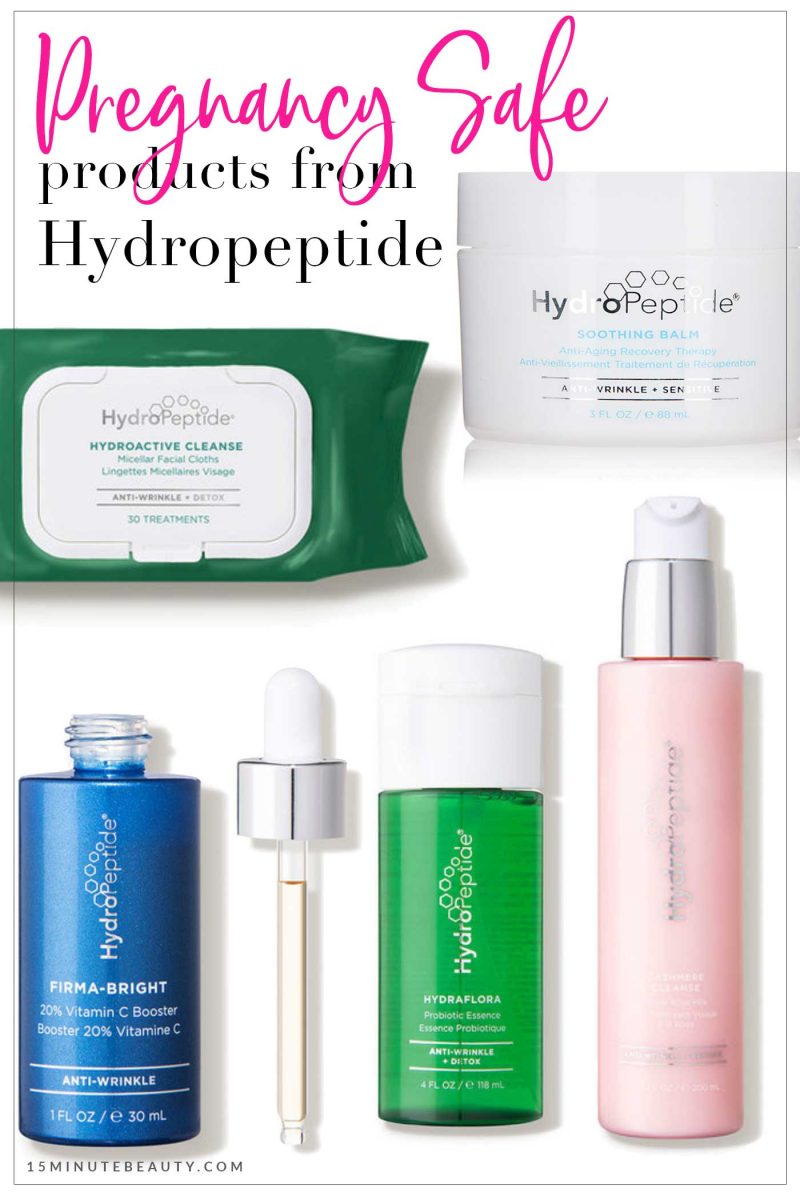
Credit: www.15minutebeauty.com
Frequently Asked Questions
What Skincare Ingredients Are Safe During Pregnancy?
Safe ingredients include hyaluronic acid, vitamin C, and glycolic acid. Avoid retinoids and salicylic acid. Always check labels carefully.
How To Handle Pregnancy Skin Changes Safely?
Use gentle, fragrance-free cleansers and moisturizers. Apply sunscreen daily. Consult a dermatologist for severe acne or pigmentation issues.
Can I Use Facial Oils While Pregnant?
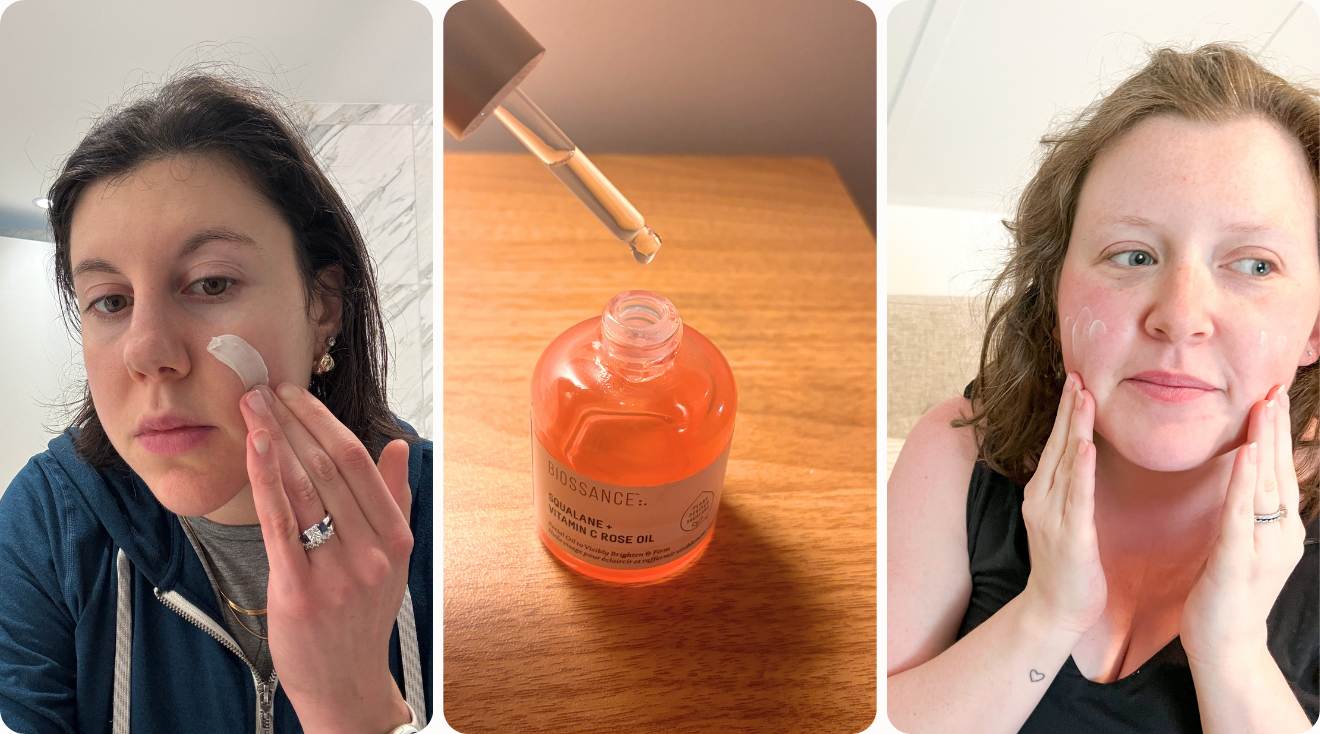
Yes, natural oils like jojoba and rosehip are safe. They hydrate and soothe skin without harmful chemicals.
Is It Safe To Get Chemical Peels During Pregnancy?
Chemical peels are generally not recommended during pregnancy. Opt for milder exfoliants and consult your healthcare provider first.
Conclusion
Taking care of your skin during pregnancy is important for health. Choose gentle, natural products that protect both you and your baby. Keep your routine simple and consistent to avoid irritation. Drink plenty of water and get enough rest for glowing skin.
Always check ingredients to stay safe and avoid risks. Enjoy this special time with confidence and care for yourself. Your skin will thank you now and later. A healthy skincare routine supports your well-being throughout pregnancy.
