
Imagine this: You’re pregnant and glowing with excitement, but suddenly you’re second-guessing every product in your skincare routine. It’s a common scenario, and you’re not alone.
Navigating the world of skincare during pregnancy can feel overwhelming, especially when you’re trying to ensure everything you use is safe for you and your baby. But what if you could achieve that radiant, healthy glow without any worries? That’s exactly what this guide is here to help you with.
Discover the secrets to pregnancy safe skincare that not only keeps you feeling beautiful but also gives you peace of mind. Dive in to learn how you can pamper your skin while keeping your little one safe.
Skin Changes During Pregnancy
Pregnancy brings many changes to the body, and the skin is no exception. Hormones shift, blood flow increases, and the skin reacts. Some changes are visible, while others happen beneath the surface. Understanding these shifts helps expectant mothers care for their skin safely and effectively.
Common Pregnancy Skin Issues
Many women notice different skin issues during pregnancy. Some common problems include:
- Stretch marks appearing on the belly, breasts, and thighs
- Dark patches on the face, known as melasma or the “mask of pregnancy”
- Increased acne due to oil production
- Dry, itchy skin especially on the belly
- Spider veins and redness from increased blood flow
These changes vary from person to person. Some women experience mild effects, while others face more intense symptoms.
Hormonal Effects On Skin
Pregnancy hormones impact skin texture and appearance. The rise in estrogen and progesterone can:
- Boost oil gland activity, causing acne flare-ups
- Increase melanin production, leading to dark spots
- Make skin more sensitive and prone to irritation
- Slow down skin healing processes
Hormones also cause blood vessels to dilate, making veins more visible. These effects usually fade after childbirth but require gentle care during pregnancy.
When To Consult A Dermatologist
Some skin changes need professional help. Seek advice if you notice:
- Severe itching or rash that spreads quickly
- Sudden, painful lumps or growths
- Unusual skin discoloration or bleeding
- Persistent acne that affects your confidence
- Signs of infection like redness, swelling, or pus
A dermatologist can recommend safe treatments suitable for pregnancy. Early care protects both mother and baby.
Choosing Safe Skincare Ingredients
Choosing safe skincare ingredients is key for every pregnant woman. Your skin changes during pregnancy. It becomes more sensitive and reactive. Some common skincare ingredients may harm your baby or cause irritation. Knowing which ingredients to avoid and which are safe helps protect your health and your baby’s.
Pregnancy safe skincare focuses on gentle, natural components. It supports your skin without adding risks. Reading product labels carefully helps you make smart choices. Understanding ingredient names and effects makes shopping easier and safer.
Ingredients To Avoid
- Retinoids:Includes retinol and tretinoin. Can cause birth defects.
- Salicylic Acid:High doses may harm the baby. Use only low concentrations.
- Hydroquinone:Skin lightening agent linked to risks during pregnancy.
- Parabens:Preservatives that may disrupt hormones.
- Phthalates:Often found in fragrances, linked to developmental issues.
- Formaldehyde:Used in nail products and some cosmetics; toxic to fetus.
Safe And Beneficial Ingredients
- Aloe Vera:Soothes skin and reduces irritation.
- Vitamin C:Brightens skin and protects from damage.
- Hyaluronic Acid:Hydrates skin without irritation.
- Shea Butter:Moisturizes deeply and supports elasticity.
- Glycolic Acid (Low Concentration):Helps with gentle exfoliation.
- Niacinamide:Reduces redness and improves skin texture.
Reading Product Labels
Check all ingredients listed on skincare products. Avoid products with long, complex chemical names. Look for clear, simple labels that list natural ingredients. Watch for words like “fragrance” or “parfum,” which may hide harmful chemicals.
Choose products labeled “pregnancy-safe” or “dermatologist-tested.” Scan for certifications like organic or hypoallergenic. Use apps or websites that identify unsafe ingredients for pregnancy. Always test new products on a small skin patch first.
Daily Skincare Routine Tips
Pregnancy changes your skin in many ways. A gentle daily skincare routine helps keep your skin healthy and glowing. Choose products that are safe for both you and your baby. Simple steps can make a big difference in your skin’s health.
Cleansing And Moisturizing
Use a mild cleanser that does not dry out your skin. Cleanse your face twice a day to remove dirt and oil. Avoid harsh ingredients like retinoids and salicylic acid. After cleansing, apply a gentle moisturizer to keep skin soft and hydrated. Look for moisturizers with natural ingredients, such as aloe vera or shea butter.
Sun Protection
Protecting your skin from the sun is very important during pregnancy. Use a broad-spectrum sunscreen with SPF 30 or higher every day. Choose mineral-based sunscreens with zinc oxide or titanium dioxide. They are safe and effective. Wear a wide-brimmed hat and seek shade when outside for long periods.
Hydration And Nutrition
Drink plenty of water to keep your skin hydrated from inside. Eating a balanced diet rich in fruits and vegetables supports skin health. Foods with vitamins C and E help skin repair and glow. Avoid excessive sugar and processed foods that can harm your skin.
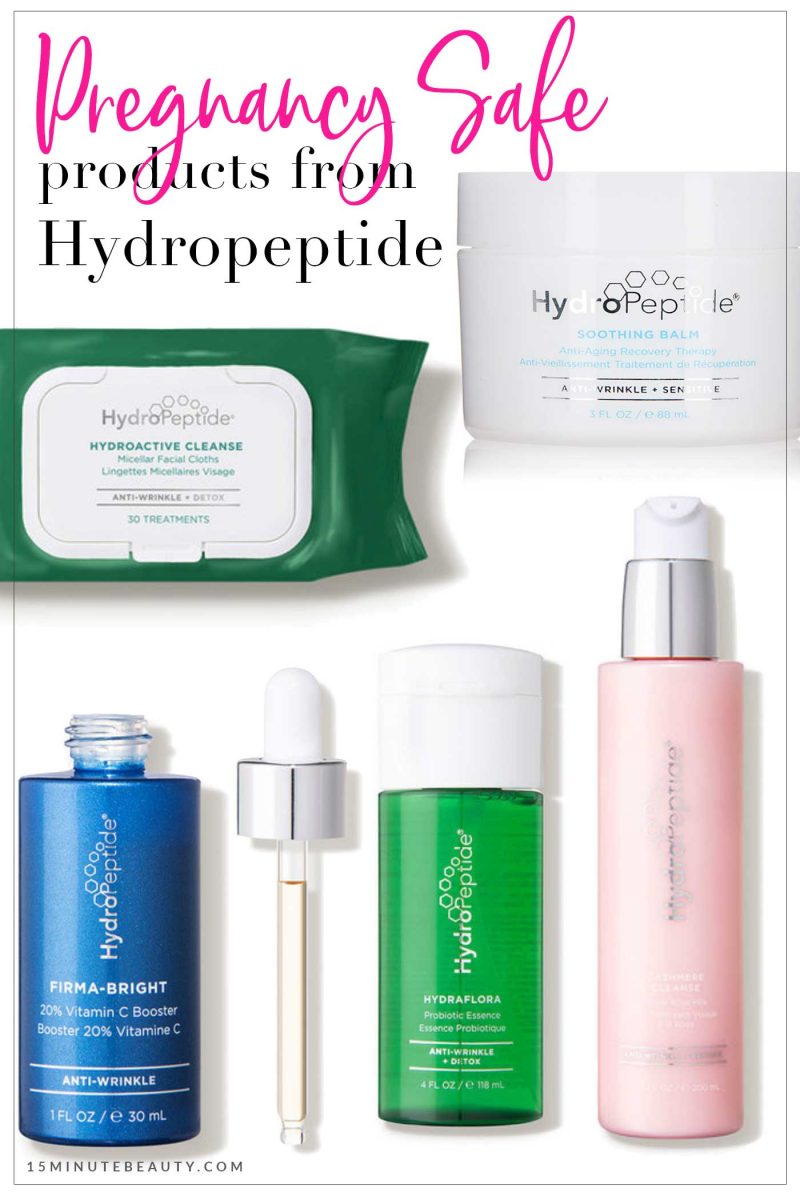
Credit: www.15minutebeauty.com
Natural Remedies And Diy Options
Natural remedies and DIY options offer safe and gentle care for pregnant skin. These methods use simple ingredients found in most kitchens or stores. They help soothe, hydrate, and nourish without harsh chemicals. Many women prefer these natural treatments to avoid risks during pregnancy.
Gentle Homemade Masks
Homemade masks use ingredients like yogurt, honey, and oatmeal. These items soothe sensitive skin and reduce redness. For example, mix plain yogurt with a spoon of honey. Apply it gently to the face and leave for 10 minutes. Rinse with warm water to feel refreshed and soft skin.
Oatmeal masks calm itchy or dry patches. Blend oats with water or milk until smooth. Spread on the face and relax for 15 minutes. This mask helps keep skin hydrated and calm during pregnancy.
Soothing Oils And Butters
Natural oils and butters provide deep moisture without irritation. Coconut oil, shea butter, and almond oil work well. They protect skin from dryness and stretch marks. Massage small amounts into the belly, breasts, and thighs daily.
These oils also help improve skin elasticity. Use pure, cold-pressed oils to avoid additives. Applying them after a shower locks in moisture and keeps skin soft.
Precautions With Natural Products
Not all natural ingredients are safe for pregnancy. Some may cause allergic reactions or irritate sensitive skin. Always do a patch test before using new products. Apply a small amount on the wrist and wait 24 hours.
Avoid essential oils like rosemary, clary sage, and jasmine during pregnancy. These can affect hormone levels or cause contractions. Consult a healthcare provider before trying new natural treatments. Safety comes first for both mother and baby.
Managing Common Skin Concerns
Pregnancy changes your skin in many ways. Managing common skin concerns helps you feel comfortable and confident. Your skin may become sensitive, oily, or dry. Some issues like acne, stretch marks, and dark spots are very common. Safe skincare during pregnancy keeps both you and your baby safe.
Acne And Breakouts
Hormone changes can cause acne during pregnancy. Use gentle cleansers that do not dry your skin. Avoid products with retinoids or salicylic acid. Choose moisturizers that are oil-free and non-comedogenic. Natural ingredients like aloe vera and chamomile calm irritation. Keep your skin clean, but avoid over-washing. A soft, clean cloth can help remove sweat and dirt.
Stretch Marks Prevention
Stretch marks appear as the skin stretches quickly. Moisturizing daily helps keep skin flexible. Use creams or oils rich in vitamin E and cocoa butter. Massage these gently on your belly, hips, and thighs. Drinking plenty of water supports skin elasticity. Wearing loose clothes reduces skin irritation and pulling. Remember, genetics also play a big role in stretch marks.
Hyperpigmentation Control
Dark patches may form due to pregnancy hormones. Sun exposure makes these spots darker. Always use a broad-spectrum sunscreen safe for pregnancy. Wear hats and protective clothing outdoors. Ingredients like vitamin C and niacinamide can lighten dark spots. Avoid harsh scrubs and chemical peels. Consistent gentle care improves skin tone over time.
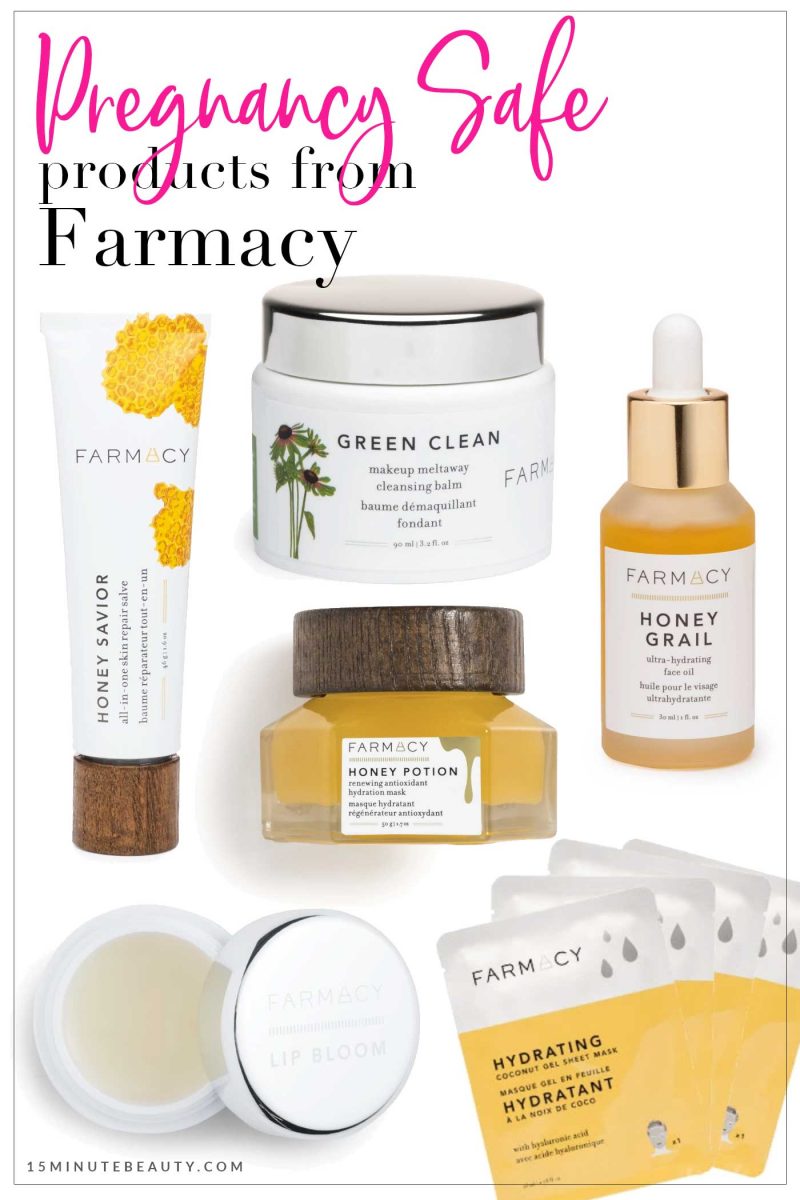
Credit: www.15minutebeauty.com
When To Seek Professional Treatments
Knowing when to seek professional skincare treatments during pregnancy is crucial for maintaining healthy skin without risking your baby’s well-being. Your skin changes rapidly, and what worked before might not be safe or effective now. Understanding which treatments are safe and when to get expert advice can make a huge difference in how you feel and look throughout these special months.
Safe Facial Treatments
Some facial treatments are gentle and safe during pregnancy. Hydrating facials, light exfoliation with natural ingredients, and soothing masks can refresh your skin without irritation.
Consider treatments like:
- Oxygen facials that boost circulation
- Gentle enzyme peels using fruit acids
- Cold laser therapy to reduce inflammation
These options support your skin’s natural glow and avoid harsh chemicals. Always check the ingredient list and confirm the treatment is pregnancy-friendly before booking.
Avoiding Harmful Procedures
Some popular skincare treatments can be risky during pregnancy and should be avoided. Procedures involving retinoids, salicylic acid in high concentrations, chemical peels, and microdermabrasion can affect your baby’s development or cause skin sensitivity.
Laser treatments, Botox, and injectable fillers are also generally off-limits. These methods may carry unknown risks, so staying away from them is safer.
Ask yourself: Is this treatment worth the potential danger? Often, simpler is better.
Consulting With Skincare Experts
Talking to a dermatologist or licensed esthetician who understands pregnancy skincare is the best way to tailor treatments safely. They can assess your skin’s needs and recommend options that won’t harm you or your baby.
Bring a list of your current products and any skin concerns to your appointment. This helps the expert guide you effectively and avoid harmful ingredients.
Remember, every pregnancy is different. What worked for a friend might not work for you, so personal guidance is key.
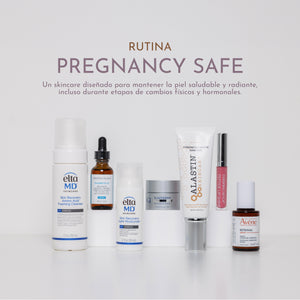
Credit: montalvandermatology.com
Frequently Asked Questions
What Ingredients Should I Avoid In Pregnancy Skincare?
Avoid retinoids, salicylic acid, hydroquinone, and parabens during pregnancy. These can harm fetal development or irritate sensitive skin. Choose gentle, natural, and dermatologist-approved products for safety.
Can I Use Vitamin C Serum While Pregnant?
Yes, vitamin C serums are safe and beneficial during pregnancy. They brighten skin, reduce pigmentation, and promote collagen without harmful effects. Use mild concentrations for best results.
Is It Safe To Use Chemical Sunscreens When Pregnant?
Physical (mineral) sunscreens with zinc oxide or titanium dioxide are safer. Avoid chemical sunscreens with oxybenzone or avobenzone, as they may affect hormone balance. Always prioritize broad-spectrum protection.
How Often Should I Moisturize My Skin During Pregnancy?
Moisturize twice daily to combat dryness and stretch marks. Choose fragrance-free, hydrating creams with natural oils like shea butter or coconut oil. Consistent moisturizing helps maintain skin elasticity and comfort.
Conclusion
Choosing safe skincare during pregnancy protects both mother and baby. Natural ingredients can soothe and nourish your skin gently. Avoid harsh chemicals that might cause harm or irritation. Simple routines with trusted products work best. Stay informed and listen to your body’s needs daily.
Healthy skin supports overall well-being throughout pregnancy. Keep your glow without risking safety or comfort. Small changes lead to big benefits for you and your little one. Safe skincare is part of caring for yourself and your baby.
