Are you wondering how to keep your hair healthy and beautiful during pregnancy without risking your baby’s safety? Pregnancy brings so many changes, and your hair care routine should be one of the easiest parts.
But with so many products and tips out there, how do you know what’s truly safe for you and your little one? You’ll discover simple, effective, and pregnancy-safe hair care practices that protect your hair and give you peace of mind.
Keep reading to find out how to nourish your hair the right way—because you deserve to look and feel your best throughout this special time.
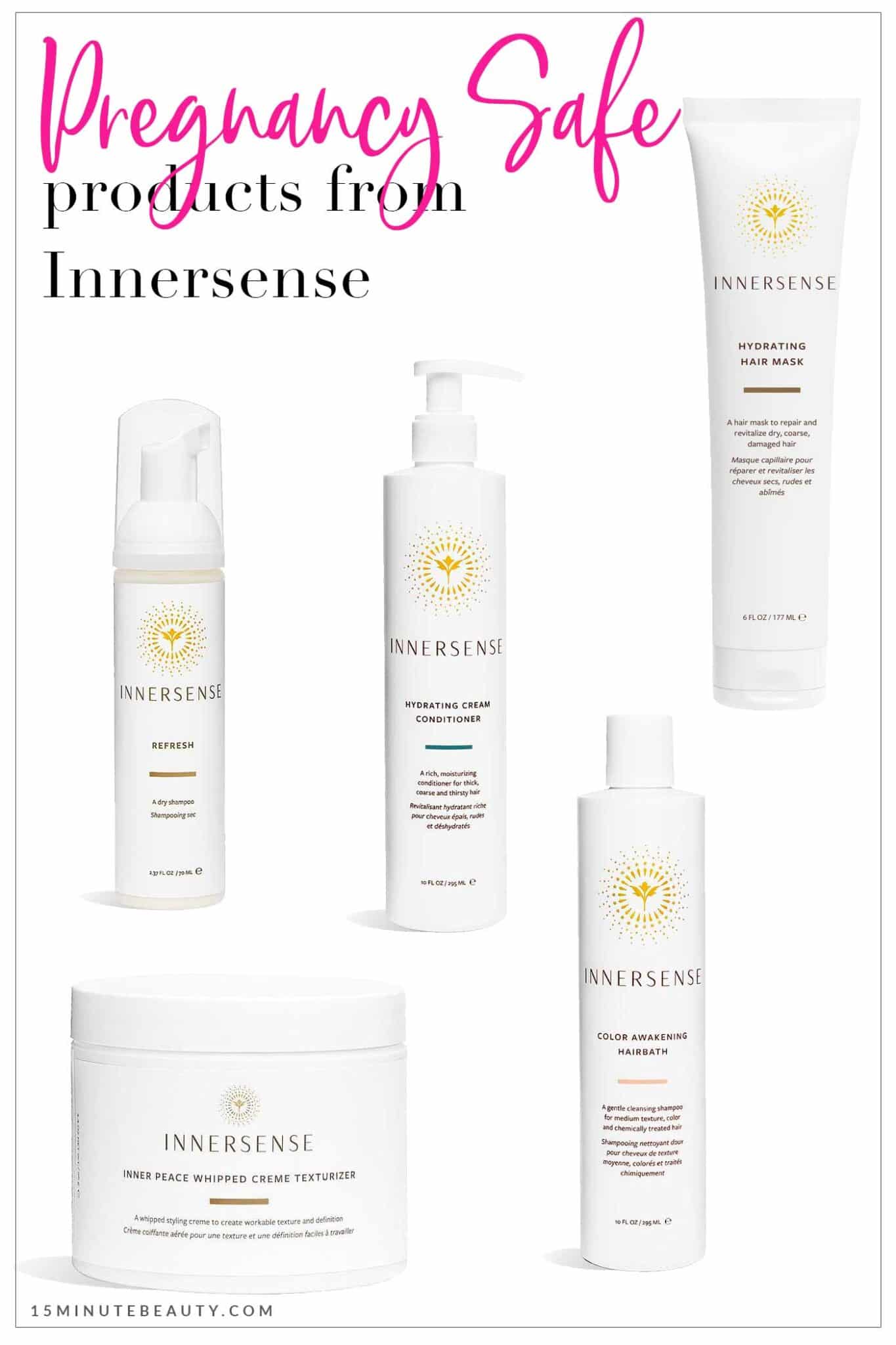
Credit: www.15minutebeauty.com
Hair Changes During Pregnancy
Pregnancy brings many changes to your body, including your hair. Hormones shift, affecting hair texture, thickness, and growth. Many women notice differences in their hair during pregnancy. These changes can be surprising but are usually temporary.
Hormonal Impact On Hair
During pregnancy, hormone levels rise sharply. Estrogen increases, which can slow hair loss. This causes hair to look thicker and fuller. After birth, hormones drop, which may lead to hair shedding. These changes are natural and part of the pregnancy process.
Common Hair Issues
- Increased oiliness or dryness of the scalp
- Frizz and changes in hair texture
- Unusual hair shedding after delivery
- Scalp sensitivity or itchiness
These issues happen due to hormonal shifts and stress on the body. Most resolve within a few months postpartum.
Growth Patterns
Hair may grow faster during pregnancy. Follicles stay in the growth phase longer. This results in thicker, shinier hair. After pregnancy, growth slows down. Hair then enters the shedding phase, causing noticeable hair fall. This pattern is normal and temporary.

Credit: www.15minutebeauty.com
Safe Hair Products To Use
Choosing safe hair products during pregnancy is essential for both your health and your baby’s development. Your scalp absorbs many ingredients, so using gentle, non-toxic options can help you avoid unwanted chemicals. Let’s look at what you should pick and what to avoid to keep your hair care routine safe and effective.
Choosing Non-toxic Shampoos
Look for shampoos labeled as sulfate-free and paraben-free. These ingredients can irritate your scalp and may contain harmful chemicals.
Brands that use natural extracts like aloe vera, chamomile, or coconut oil offer gentle cleansing without harsh side effects. A shampoo with a simple ingredient list is usually safer.
Ask yourself: does your shampoo list ingredients you can easily recognize and pronounce? If not, it might be time to switch.
Natural Conditioners And Oils
Natural conditioners like shea butter or avocado oil can deeply nourish your hair without synthetic additives. These ingredients help maintain moisture and shine without risk.
Oils such as argan, jojoba, and sweet almond oil provide extra hydration and can soothe an itchy scalp. I personally found jojoba oil a lifesaver during my pregnancy—it kept my hair soft without any irritation.
Try applying oils after washing your hair or as a leave-in treatment to see what works best for your hair type.
Avoiding Harmful Chemicals
Steer clear of products containing phthalates, formaldehyde, and synthetic fragrances. These chemicals have links to health risks for pregnant women.
Check labels carefully for terms like “fragrance” or “parfum” which often hide harmful ingredients. Instead, choose products with natural scents from essential oils.
Have you checked the labels of your current hair products? It might surprise you what’s inside.
Gentle Hair Care Practices
Taking gentle care of your hair during pregnancy is more important than ever. Hormonal changes can make your hair feel different—sometimes drier, more fragile, or even thicker. Adopting soft and careful habits helps keep your hair healthy without causing unnecessary damage.
Washing And Drying Tips
Choose a mild, sulfate-free shampoo to avoid stripping natural oils from your scalp. Wash your hair with lukewarm water; hot water can dry out your hair and scalp, making them more fragile.
After washing, gently squeeze out excess water with a soft towel instead of rubbing vigorously. Air-drying your hair is best, but if you need to use a blow dryer, keep it on the coolest setting to prevent heat damage.
Brushing Without Damage
Use a wide-tooth comb or a brush with soft bristles to detangle your hair. Start from the ends and work your way up slowly to avoid pulling or breaking strands.
If your hair is wet, be extra careful—wet hair is more vulnerable. Have you noticed how brushing gently reduces hair fall? Try switching to a silk or satin pillowcase to minimize friction while you sleep.
Protective Hairstyles
Choose hairstyles that don’t pull tightly on your scalp, like loose braids, low ponytails, or soft buns. Tight hairstyles can cause tension, leading to hair breakage or discomfort.
Switching your hairstyle regularly can also prevent stress on the same hair strands. Have you tried using soft hair ties without metal parts? They help prevent snagging and reduce hair damage during the day.
Credit: www.15minutebeauty.com
Nutrition For Healthy Hair
Healthy hair starts from inside the body. Nutrition plays a key role in keeping hair strong and shiny during pregnancy. Eating the right foods helps nourish hair follicles and supports growth. Proper nutrition also reduces hair loss and dryness often linked to pregnancy.
Essential Vitamins And Minerals
Vitamins and minerals fuel hair health. Important nutrients include:
- Vitamin A:Helps scalp produce natural oils.
- Vitamin C:Supports collagen, a protein in hair.
- Vitamin E:Protects hair from damage.
- Biotin (Vitamin B7):Strengthens hair strands.
- Iron:Prevents hair thinning by improving blood flow.
- Zinc:Aids hair tissue growth and repair.
These nutrients keep hair healthy and reduce breakage.
Foods To Boost Hair Strength
Choose foods rich in key vitamins and minerals:
- Leafy greens like spinach and kale
- Eggs, a great source of biotin and protein
- Lean meats and poultry for iron
- Nuts and seeds packed with vitamin E and zinc
- Fruits such as berries and oranges for vitamin C
- Whole grains providing essential nutrients
Eating a variety helps maintain strong hair during pregnancy.
Hydration Benefits
Water is vital for healthy hair. It hydrates the scalp and hair strands. Well-hydrated hair looks fuller and less brittle. Drinking enough water helps nutrients reach hair follicles. Aim for at least 8 glasses daily to support hair growth.
Managing Hair Problems Safely
Pregnancy brings many changes to your body, and your hair is no exception. Managing hair problems safely during this time means choosing gentle, effective solutions that protect both you and your baby. Understanding how to address common issues like hair loss, dryness, and scalp problems can help you maintain healthy hair without risking harmful chemicals or treatments.
Dealing With Hair Loss
Hair loss during pregnancy might surprise you, but it’s often temporary. Hormonal shifts can cause more hair to shed than usual, especially after birth.
To manage this safely, avoid harsh chemical treatments or tight hairstyles that pull on your strands. Instead, try gentle scalp massages with natural oils like coconut or jojoba to stimulate growth. Have you noticed increased shedding? Tracking your hair’s condition can help you decide when to consult a healthcare provider.
Handling Dryness And Frizz
Dryness and frizz can make your hair feel unmanageable and dull. Pregnancy hormones may reduce your scalp’s natural oils, leading to dryness.
Use sulfate-free shampoos and conditioners designed for hydration. Applying a leave-in conditioner or a small amount of argan oil after washing can smooth frizz without weighing hair down. You might want to limit heat styling tools—air drying is a safer option that still looks great.
Treating Scalp Issues
Itching, dandruff, or irritation can become more noticeable during pregnancy. These symptoms often come from increased sensitivity or hormonal changes.
Choose mild, fragrance-free shampoos to soothe your scalp. If dandruff is persistent, try natural remedies like aloe vera gel or diluted tea tree oil, but always do a patch test first. Persistent scalp problems? Don’t hesitate to ask your doctor for safe treatment options.
When To Consult A Specialist
Pregnancy brings many changes, and your hair is no exception. While most hair concerns during this time are normal, some signs mean it’s time to seek expert advice. Knowing when to consult a specialist helps you protect both your hair and overall health.
Identifying Serious Concerns
Not all hair changes during pregnancy are harmless. Sudden, severe hair loss or patchy bald spots can signal underlying health issues. If you notice scalp redness, itching, or pain that won’t go away, these could be signs of infection or other conditions needing medical attention.
Ask yourself: Is my hair shedding more than usual despite gentle care? Are there visible sores or unusual scalp changes? Ignoring these symptoms could make problems worse.
Safe Medical Treatments
Many hair treatments aren’t safe during pregnancy, but some options are carefully approved by doctors. Specialists can recommend shampoos, conditioners, or topical treatments that won’t harm you or your baby. They also guide you on avoiding harmful ingredients like retinoids or certain dyes.
If you’re considering supplements or medications for hair health, only take those prescribed by your healthcare provider. Remember, your specialist can tailor treatments to your unique pregnancy needs, ensuring safety and effectiveness.
Professional Hair Care Advice
Specialists can offer practical tips beyond medical treatments. They can suggest gentle styling techniques and hair care routines that reduce breakage and improve scalp health. Sometimes, simple changes like switching to a milder shampoo or adjusting washing frequency make a big difference.
Have you talked with a professional about your hair worries during pregnancy? Their insights might reveal easy fixes you haven’t tried yet. Don’t hesitate to ask questions and share your experiences — your hair deserves expert care during this special time.
Frequently Asked Questions
What Hair Care Products Are Safe During Pregnancy?
Look for pregnancy-safe labels on shampoos and conditioners. Avoid products with parabens, sulfates, and phthalates. Natural, gentle formulas are best for sensitive scalps.
Can I Dye My Hair While Pregnant?
Hair dye is generally safe after the first trimester. Choose ammonia-free, low-chemical dyes. Always do a patch test and consult your doctor before coloring.
How Often Should I Wash My Hair During Pregnancy?
Washing hair 2-3 times a week is ideal. Over-washing can dry out the scalp. Use mild, moisturizing shampoos to maintain hair health.
Are There Natural Remedies For Pregnancy Hair Care?
Yes, coconut oil and aloe vera soothe the scalp. These natural oils help reduce dryness and promote shine without harmful chemicals.
Conclusion
Pregnancy brings joy and new concerns. Hair care should be safe and simple. Choose products with natural ingredients. Avoid harsh chemicals. Consult with your doctor if unsure. Healthy hair needs gentle treatment during this time. Look for nourishing shampoos and conditioners.
Regular trims can prevent split ends. Embrace a low-maintenance routine. Feel confident and beautiful with safe choices. Enjoy this special journey with peace of mind. Prioritize both your health and beauty. Simple changes make a big difference. Keep hair care easy and safe.
Celebrate your pregnancy with healthy, radiant hair.
