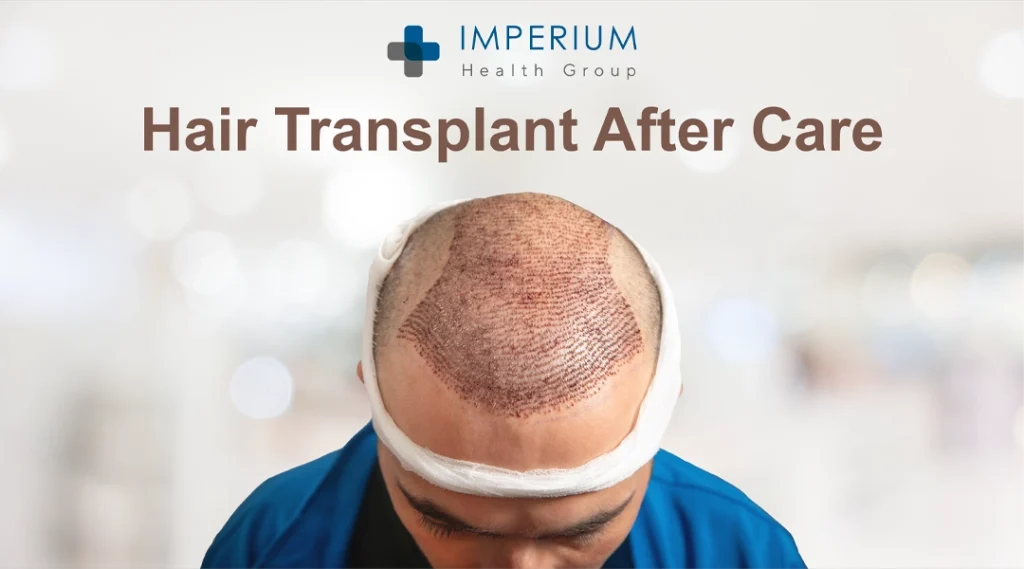
You just had a hair transplant, and now comes the most important part—taking care of your new hair. How you treat your scalp in the days and weeks after the procedure can make all the difference in how natural and full your hair looks.
If you want to protect your investment and see the best results, you need to know exactly what to do—and what to avoid. Keep reading to discover simple, effective post-care tips that will help your hair grow strong and healthy, so you can feel confident and proud of your new look.
Immediate Post-transplant Care
Immediate care after a hair transplant is crucial for healing and success. The first days require gentle handling and specific routines to protect the new grafts. Small efforts can prevent damage and infection. Follow clear steps to support the recovery process.
Handling The Transplanted Area
Touch the transplanted area very gently. Avoid scratching or rubbing. Use only soft towels to pat the scalp dry. Sleep with your head elevated to reduce swelling. Keep the area clean but do not wash it for the first 48 hours. Avoid direct sunlight on the scalp. Wear loose hats if needed.
Medications And Pain Management
Take prescribed medications exactly as the doctor advises. Use antibiotics to prevent infection. Painkillers help reduce discomfort and swelling. Avoid aspirin or blood thinners unless approved. Apply any topical treatments carefully. Keep a schedule for medication to avoid missing doses.
Avoiding Physical Strain
Rest is essential during the first week. Avoid heavy lifting, bending, or intense exercise. Do not bend over or strain your neck. Stay away from activities that cause sweating. Avoid swimming, especially in chlorinated water. Give your body time to heal properly.
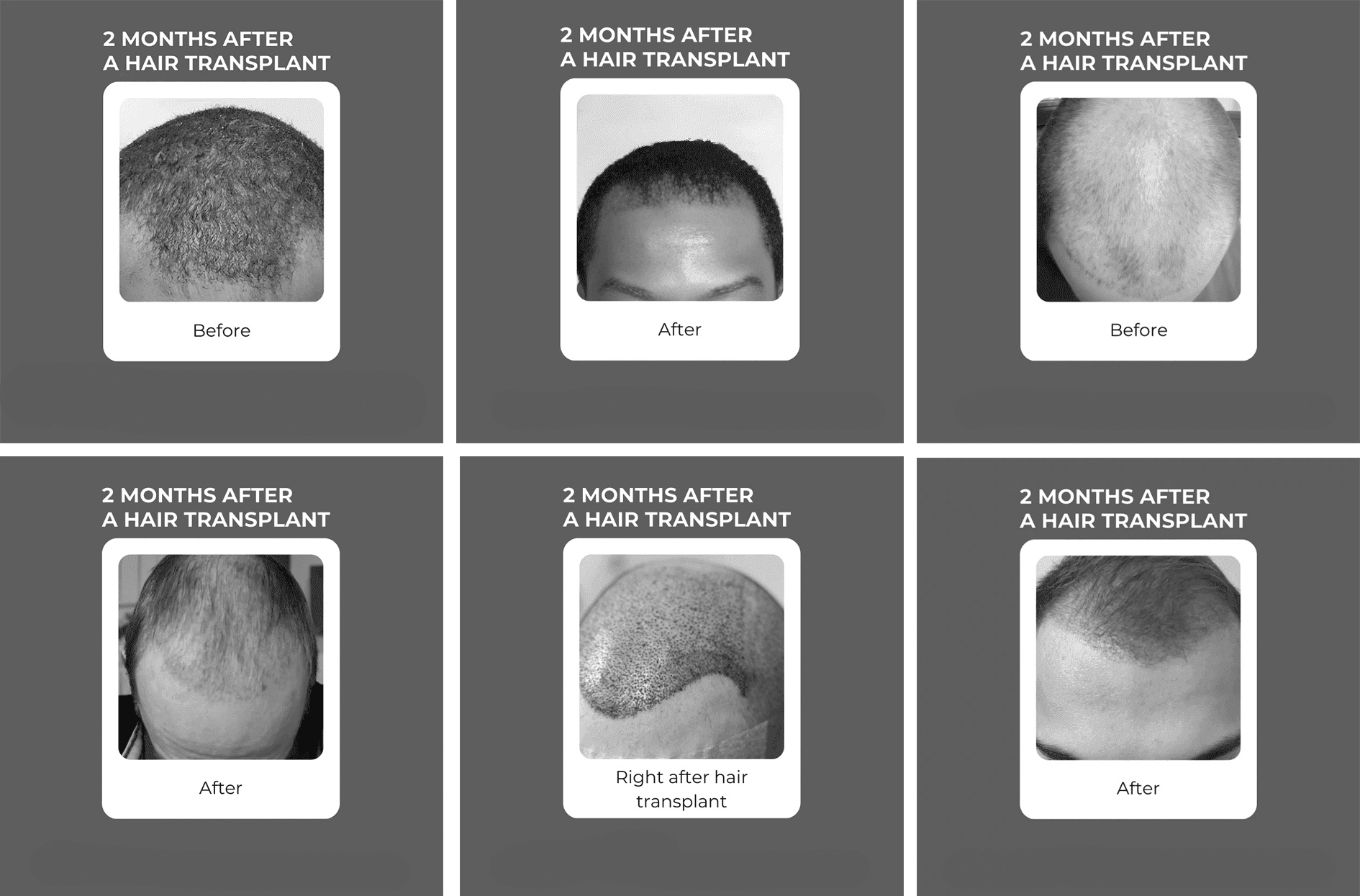
Credit: clinmedica.com
Washing And Cleaning Guidelines
Proper washing and cleaning after a hair transplant play a key role in healing. Gentle care helps protect new hair follicles. It prevents infection and reduces scab formation. Following clear guidelines ensures the best results from your transplant. Understanding when and how to wash is essential for healthy recovery.
When To Start Washing
Wait at least two to three days before washing your hair. The surgeon will give specific instructions. Early washing can damage grafts and slow healing. Use only light rinsing at first. Avoid strong water pressure on the scalp. Start gentle washing only after approval from your doctor.
Proper Washing Techniques
Use lukewarm water to rinse your scalp. Avoid hot water, which can irritate skin. Apply shampoo gently using fingertips, not nails. Do not rub or scratch the transplanted area. Rinse softly and let water flow naturally. Pat dry with a soft towel. Avoid heavy rubbing or towel pressure. Clean the scalp twice daily until scabs fall off naturally.
Products To Use And Avoid
- Use mild, fragrance-free shampoos recommended by your doctor.
- Choose shampoos with natural ingredients and no harsh chemicals.
- Avoid shampoos with sulfates, parabens, or alcohol.
- Do not use hair styling products during the first few weeks.
- Skip strong conditioners or hair oils that can clog pores.
- Consult your doctor before trying any new hair care product.
Protecting The Scalp
Protecting your scalp after a hair transplant is crucial for ensuring the best results. The new grafts are delicate and need a safe environment to heal properly. Taking simple yet effective precautions can make a big difference in how your scalp recovers and how your hair grows back.
Sun Exposure Precautions
Direct sunlight can harm your sensitive scalp after a transplant. UV rays may cause irritation, redness, or even damage the newly implanted hair follicles. Try to avoid going outside during peak sun hours, usually between 10 AM and 4 PM.
If you must be outdoors, apply a gentle sunscreen recommended by your doctor. Wearing a wide-brimmed hat also helps block harmful rays without putting pressure on your scalp. Have you noticed how quickly sunburn can ruin your skin? Imagine that happening to your healing scalp.
Avoiding Dust And Dirt
Your scalp needs to stay clean and free from contaminants to prevent infections. Dust and dirt can easily settle on the grafts and cause irritation or delay healing. Keep your environment clean and avoid dusty areas as much as possible.
If you live in a dusty place, consider using a clean, soft cloth to gently cover your scalp when going outside. Washing your hair as directed by your doctor will also help keep the area free from grime. How often do you think about airborne particles landing on your skin?
Wearing Hats And Headgear
Hats can protect your scalp but only if chosen carefully. Avoid tight hats that press on the grafts, as this may damage them or restrict blood flow. Opt for loose-fitting, breathable headgear made from soft materials.
Some people find lightweight caps or scarves comfortable and protective during the early healing phase. Make sure to clean any headwear regularly to prevent bacteria buildup. Have you checked if your favorite hat might be too tight for your healing scalp?
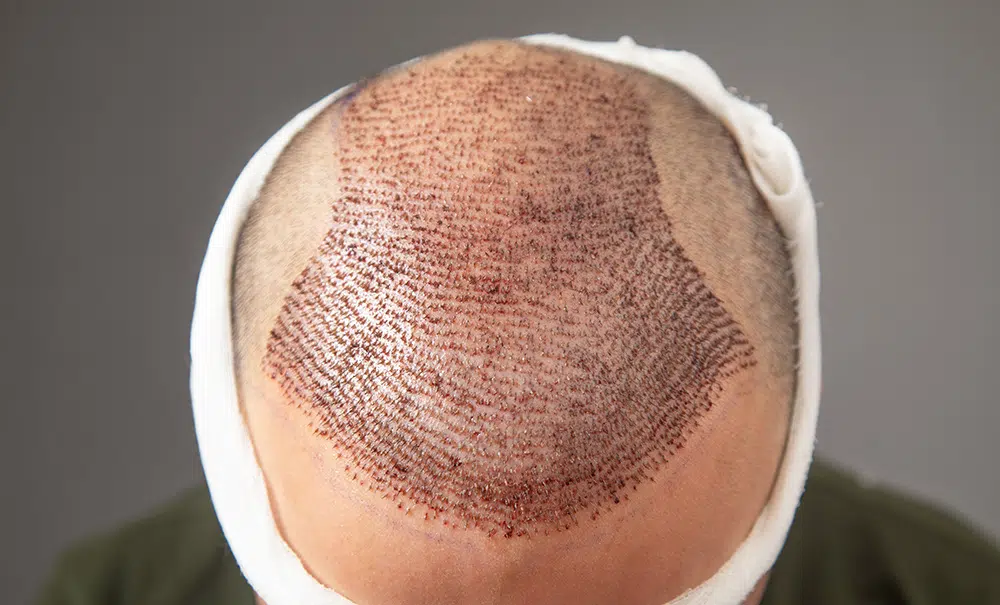
Credit: www.drmalaymehta.com
Lifestyle Adjustments
Adjusting your lifestyle after a hair transplant is just as important as the procedure itself. These changes help protect the new grafts and support healthy hair growth. Small, thoughtful adjustments can make a big difference in your recovery journey and final results.
Diet And Hydration Tips
Your body needs the right nutrients to heal and grow new hair. Focus on eating foods rich in vitamins A, C, D, E, and minerals like zinc and iron. Leafy greens, eggs, nuts, and fish should be on your plate.
Drink plenty of water throughout the day. Staying hydrated keeps your scalp healthy and supports blood flow to the transplanted area. Have you noticed how a simple glass of water can sometimes boost your energy? It works the same for your hair.
Rest And Sleep Position
Sleep is when your body repairs itself, so getting enough quality rest is crucial. Try to sleep with your head elevated on pillows to reduce swelling around the transplant site. This small change can improve comfort and speed up healing.
Sleeping on your stomach or sides can put pressure on your scalp and damage grafts. If you find it hard to stay on your back, use supportive pillows to keep you in place. Have you tried creating a sleep setup that feels like a mini recovery station?
Avoiding Smoking And Alcohol
Smoking narrows your blood vessels, which limits oxygen and nutrients from reaching your scalp. This can slow down healing and affect hair growth negatively. Quitting or cutting back even for a few weeks can improve your transplant outcome.
Alcohol thins your blood and can increase the risk of bleeding and swelling after surgery. It also dehydrates your body, which hinders recovery. Skipping alcohol during your healing phase is a smart choice that your new hair will thank you for.
Recognizing Signs Of Complications
After a hair transplant, your focus should be on healing and nurturing your new hair. But sometimes, complications can arise that need your immediate attention. Recognizing the early signs of these issues can save you from discomfort and more serious problems down the line.
Infection Symptoms
An infection is one of the most common concerns after a hair transplant. Watch out for:
- Rednessthat spreads beyond the transplant area
- Increased painrather than gradual relief
- Pus or unusual dischargefrom the scalp
- Feveror chills that come without other explanations
If you notice any of these signs, don’t ignore them. Infections can worsen quickly, and early treatment is crucial.
Excessive Swelling Or Bleeding
Some swelling and minor bleeding are normal after your procedure. But what if it feels like more than expected?
- Swelling that spreads to your eyes or face
- Bleeding that soaks through your bandages or lasts more than a day
- Hard lumps or severe tenderness in the transplant area
These symptoms might mean your body is reacting poorly or that there’s an underlying issue. Ignoring them can lead to longer recovery or damage to your new grafts.
When To Contact Your Doctor
Knowing when to reach out to your doctor is key. If any of the following happen, call your healthcare provider immediately:
- Signs of infection like spreading redness or fever
- Uncontrolled bleeding or swelling
- Severe pain that doesn’t improve with medication
- Sudden changes in vision or severe headaches
Your doctor can provide the right care and prevent complications from becoming serious. Remember, early action is your best defense.
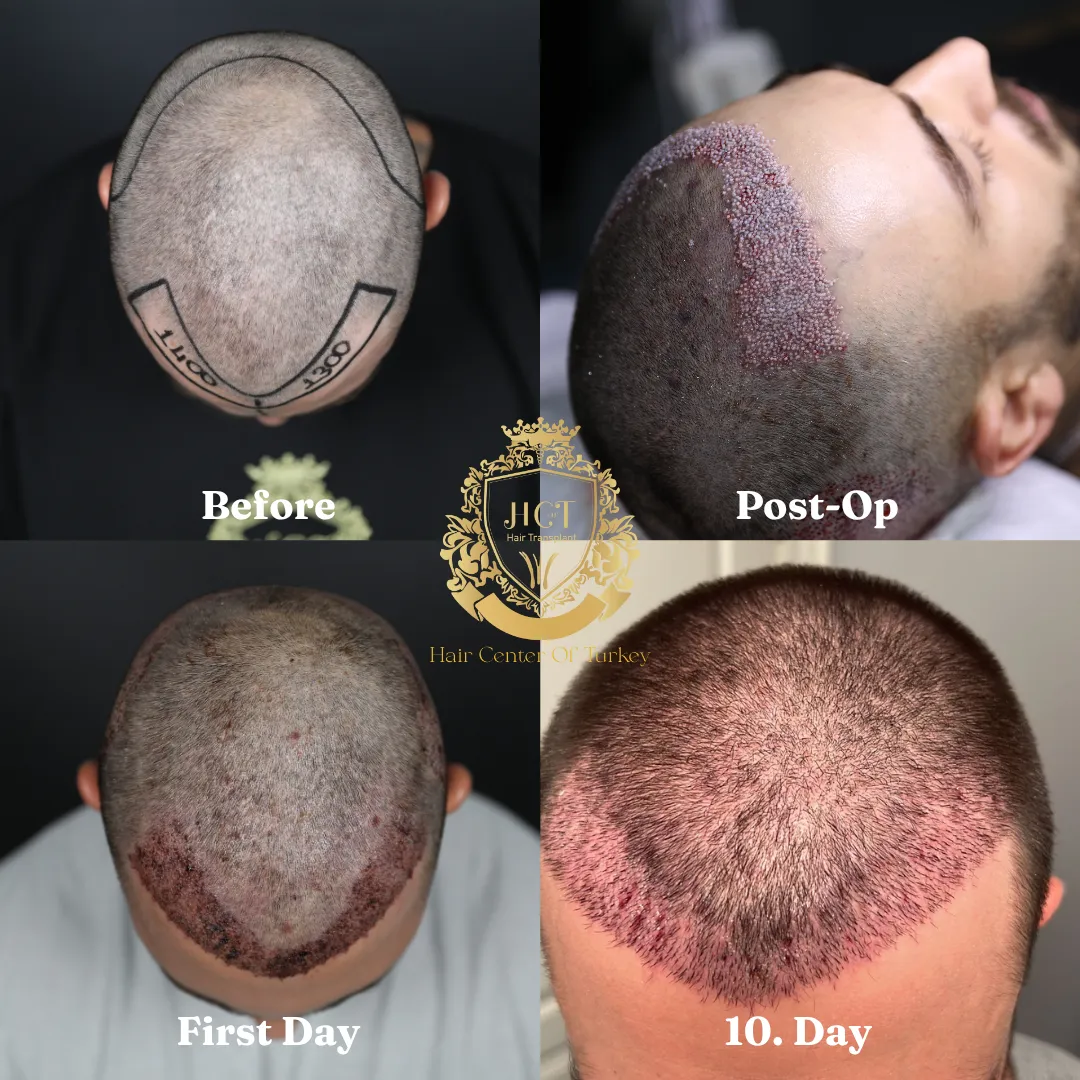
Credit: haircenterofturkey.com
Long-term Hair Care
Long-term hair care after a transplant is essential to protect your investment and keep your hair looking healthy. It’s not just about the first few months but about how you treat your hair years down the line. Taking proactive steps will help you maintain natural-looking results and avoid further hair loss.
Hair Growth Timeline
Understanding your hair growth timeline helps set realistic expectations. Usually, new hair starts to appear around three to four months after the procedure.
Between six to nine months, you’ll notice more significant growth and thickness. Full results often take up to a year, but this varies from person to person.
Patience is key—if you don’t see immediate changes, it doesn’t mean the transplant failed. Your body needs time to adjust and for follicles to settle in.
Maintenance Treatments
To support your new hair, consider gentle maintenance treatments. Using mild shampoos and avoiding harsh chemicals can prevent damage.
Regular scalp massages improve blood flow and can promote healthier hair growth. You might also want to try topical solutions like minoxidil as recommended by your doctor.
Some people find low-level laser therapy helpful for strengthening hair follicles. Have you tried any maintenance routine that worked well for your hair?
Preventing Future Hair Loss
Stopping future hair loss requires ongoing care beyond the transplant. Healthy lifestyle choices, including a balanced diet rich in vitamins and minerals, play a big role.
Stress management is often overlooked but can significantly impact hair health. Finding ways to relax and reduce tension might protect your hair’s future.
Medications prescribed by your doctor can slow down hair loss. Don’t hesitate to discuss options, as early intervention can make a big difference.
Frequently Asked Questions
How Soon Can I Wash My Hair After A Transplant?
You should wait at least 48 hours before washing your hair. Use a gentle shampoo and avoid strong water pressure. Pat your scalp dry softly to protect the grafts and ensure proper healing.
What Activities Should I Avoid Post Hair Transplant?
Avoid strenuous exercise, heavy lifting, and swimming for at least two weeks. These activities can increase swelling or damage grafts. Protect your scalp from direct sun exposure during the initial healing phase.
How Long Does Scalp Redness Last After Transplant?
Scalp redness typically lasts 7 to 10 days post-surgery. It gradually fades as the healing progresses. Using recommended creams and avoiding sun exposure can help reduce redness faster.
Can I Sleep Normally After A Hair Transplant?
Sleep with your head elevated for the first few nights. This reduces swelling and protects grafts. Avoid sleeping on the transplanted area to prevent dislodging the new hair follicles.
Conclusion
Proper care after a hair transplant ensures success. Follow the doctor’s advice closely. Protect your scalp from sun and dust. Gently wash your hair as instructed. Avoid heavy exercise or stress. Keep your head elevated while sleeping. This reduces swelling.
Stay hydrated and eat a balanced diet. These steps support healing. Patience is key during recovery. Hair growth takes time. Regular check-ups with your doctor help track progress. Your commitment to these steps matters. Enjoy your new hair journey confidently.
