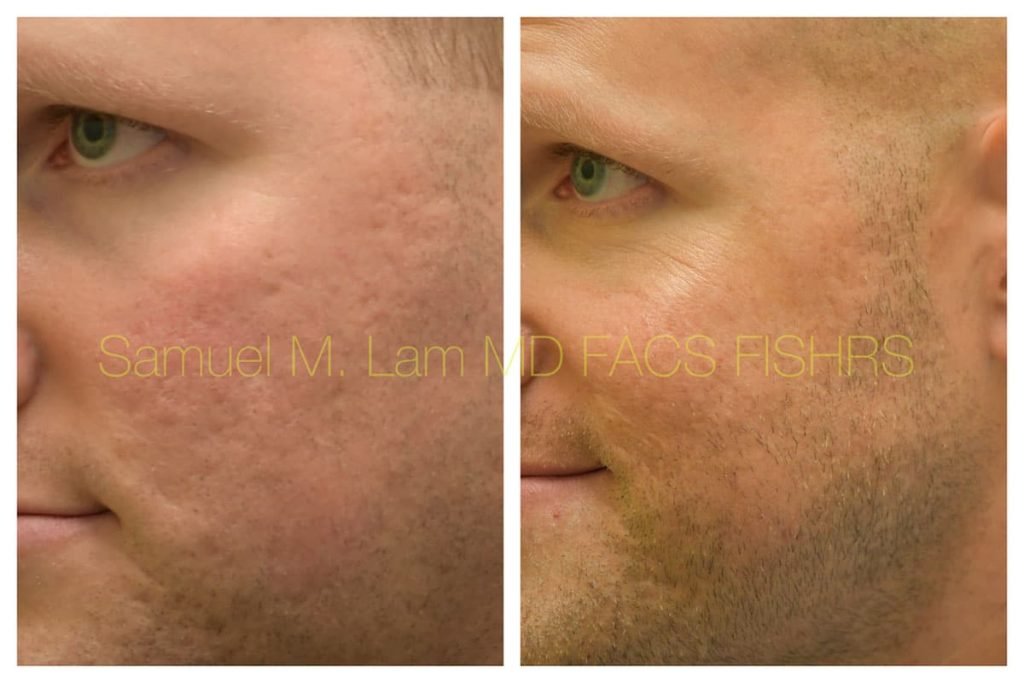
Imagine waking up every morning to a clear, glowing reflection in the mirror. This is the dream for many who have battled with acne scars.
You’ve tried countless remedies, spent hours researching treatments, and yet, those stubborn scars remain. But what if you could see real, transformative results? Photos of acne scars before and after can be incredibly powerful. They offer not just proof, but hope.
They show you what’s possible and inspire you to take action. Dive into these stories and see how others have turned their skin struggles into success. Your journey to smoother, more confident skin might just start here. Keep reading to discover the secrets behind these amazing transformations and find out how you can achieve similar results.
Credit: drcarniol.com
Types Of Acne Scars
Acne scars appear in many shapes and sizes. Each type has a unique look and texture. Knowing the types helps to understand treatment options. Photos of acne scars before and after show clear differences in these scar types.
Some scars look like small, deep holes. Others have sharp edges or smooth, rolling surfaces. Some scars rise above the skin instead of sinking in. Let’s explore the main types of acne scars below.
Ice Pick Scars
Ice pick scars are narrow and deep. They look like tiny holes or punctures in the skin. These scars are hard to treat because they go deep below the surface. They often leave the skin with a pitted, uneven texture.
Boxcar Scars
Boxcar scars have sharp edges and flat bottoms. They look like small craters or rectangular depressions. These scars are wider than ice pick scars but still create noticeable indentations. They often appear on the cheeks and temples.
Rolling Scars
Rolling scars create a wave-like texture on the skin. They have gentle slopes and rounded edges. These scars cause the skin to look uneven and bumpy. They result from damage to the skin’s underlying tissue.
Hypertrophic Scars
Hypertrophic scars are raised above the skin. They appear as thick, red, or pink lumps. These scars form from excess collagen during healing. Unlike other scars, they do not create indentations but may be itchy or uncomfortable.

Credit: dermatologyclinics.com.au
Common Treatments For Acne Scars
Acne scars can feel like a permanent reminder of past skin struggles, but various treatments can significantly improve their appearance. Understanding your options helps you make informed choices that fit your skin type and lifestyle. Let’s explore some common treatments that many have found effective in transforming their skin, often backed by compelling before and after photos.
Topical Treatments
Topical treatments include creams and gels that contain ingredients like retinoids, vitamin C, and alpha hydroxy acids (AHAs). These help boost collagen production and promote skin cell turnover, which can gradually fade scars. Have you ever tried a cream that visibly improved your skin texture? Consistency is key with these, and results can take weeks or months to show.
Chemical Peels
Chemical peels involve applying a solution that exfoliates the top skin layers, revealing smoother skin beneath. They vary in strength, from mild at-home peels to stronger professional treatments. Many users report brighter skin and softer scars after a few sessions, but it’s important to follow post-care instructions to avoid irritation.
Microneedling
Microneedling uses tiny needles to create micro-injuries, prompting your skin to heal and produce collagen. This process can reduce the depth of acne scars and improve overall skin texture. People often notice a fresher, plumper look after multiple treatments, with minimal downtime.
Laser Therapy
Laser therapy targets damaged skin with focused light beams, stimulating collagen and resurfacing the skin. Different lasers suit different scar types, so consulting a dermatologist is crucial. Many have seen dramatic improvements, especially with newer laser technologies that balance effectiveness and recovery time.
Dermal Fillers
Dermal fillers are injectable treatments that raise depressed scars to the level of surrounding skin. This offers immediate improvement, making it a popular choice for people seeking quick results. Fillers are temporary but can be repeated to maintain smoother skin.
Before And After Photos: What To Expect
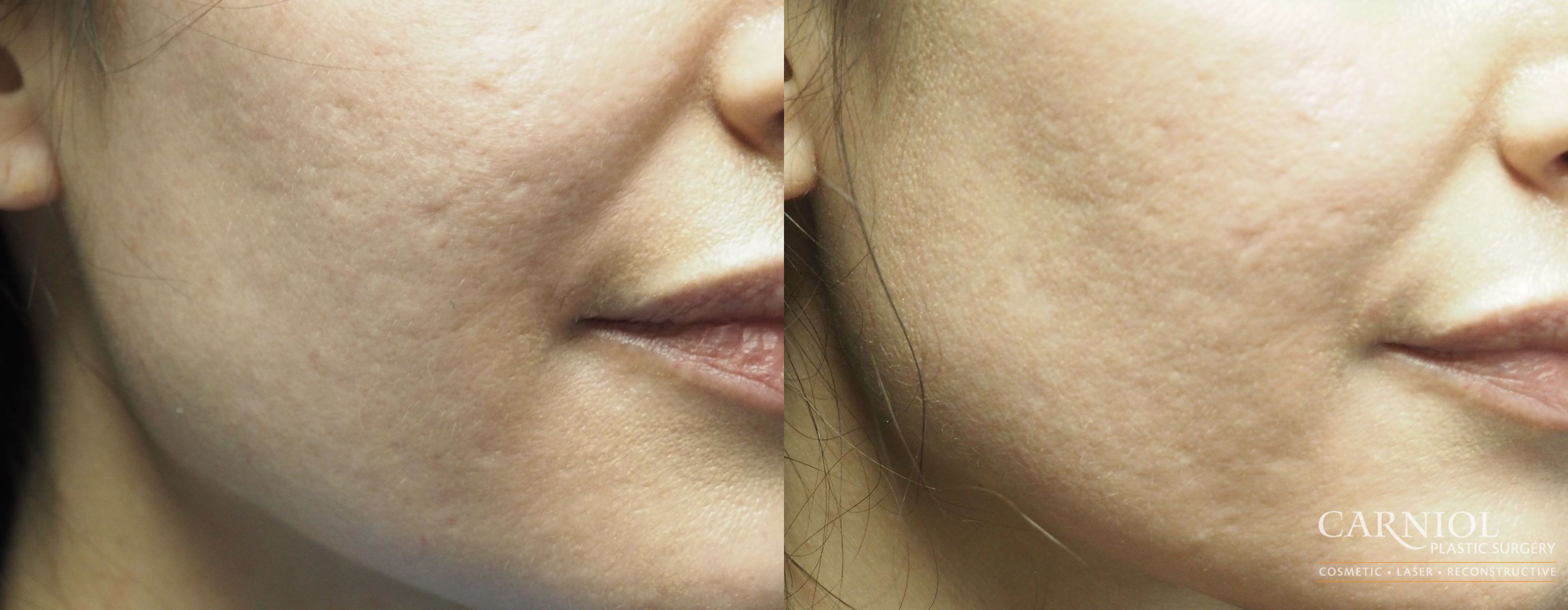
Before and after photos of acne scars tell a story beyond just skin changes. They show progress, setbacks, and real results from various treatments. Understanding what to expect from these images can help you set realistic goals and prepare mentally for your own skincare journey.
Initial Condition Of Scars
Before photos capture the starting point of your acne scars. These images reveal the type, depth, and size of scars, such as ice pick, boxcar, or rolling scars. Noticing these details helps you and your dermatologist choose the right treatment plan.
Have you ever wondered how different scars respond to treatments? Seeing your scars clearly in the before photos can highlight areas that may need extra attention.
Treatment Process
During the treatment phase, photos show gradual changes rather than instant fixes. You might see redness, peeling, or slight swelling as your skin reacts to treatments like microneedling, laser therapy, or chemical peels.
Tracking your progress with photos can motivate you to stick with the routine, even when results seem slow. Remember, healing takes time, and these images document each step.
Visible Improvements
After several sessions, after photos often reveal smoother skin texture and reduced scar visibility. You may notice scars becoming less deep or less noticeable in color.
It’s important to focus on these positive changes, even if your skin isn’t perfect yet. What small improvements have you noticed that encourage you to continue your treatment?
Long-term Results
Final photos months after treatment show the lasting impact of your skincare efforts. They confirm whether scars have faded significantly and if your skin tone looks more even.
Some scars may never disappear completely, but these pictures help you appreciate the overall transformation. What long-term changes would make you feel confident in your skin?
Factors Influencing Scar Improvement
Photos of acne scars before and after reveal how different factors play a role in how well scars improve. Understanding these factors helps set realistic expectations and guides you toward the best approach for your skin. Let’s break down what influences scar healing and improvement.
Skin Type And Tone
Your skin type and tone affect how scars heal and respond to treatments. Oily skin might experience more inflammation, which can worsen scarring, while dry skin may heal slower. Darker skin tones may be prone to hyperpigmentation after acne, making scars appear more noticeable.
Have you noticed how some treatments work well on others but not on you? That’s often because your unique skin type and tone change the outcome. Tailoring treatment to your skin’s needs is key to better results.
Severity Of Scars
Not all scars are created equal. Shallow, red marks usually fade faster than deep, pitted scars. The more severe the scar, the longer and more intensive the treatment will need to be.
If you’re comparing before and after photos, think about the starting point. A dramatic transformation might be harder to achieve with very old or severe scars, but even small improvements can boost confidence.
Consistency Of Treatment
One-time treatments rarely show lasting results. Scar improvement demands patience and regular care. Consistent use of recommended products or procedures helps skin regenerate and reduces scar visibility over time.
Have you ever stopped a skincare routine too soon and wondered why your scars didn’t improve? Staying on track, even when progress seems slow, makes a huge difference in before and after results.
Professional Vs. At-home Care
Professional treatments like laser therapy, microneedling, or chemical peels often provide faster and more noticeable improvements. However, at-home care with proper products can also be effective, especially for mild scars.
Think about your budget, time, and comfort level. Combining professional sessions with a strong at-home routine can maximize results. What’s your experience with professional versus DIY treatments?
Tips For Maintaining Clear Skin Post-treatment
Maintaining clear skin after acne scar treatment requires care and consistency. Following simple tips helps keep your skin smooth and healthy. These tips support the healing process and prevent new skin problems.
Daily Skincare Routine
Cleanse your face gently twice a day to remove dirt and oil. Use a mild cleanser suitable for your skin type. Apply a moisturizer to keep your skin hydrated. Avoid harsh scrubbing or over-washing, which can irritate skin. Incorporate products with ingredients like niacinamide or hyaluronic acid to boost skin repair.
Sun Protection
Protect your skin from the sun every day. Use a broad-spectrum sunscreen with at least SPF 30. Reapply sunscreen every two hours if outdoors. Wear hats and sunglasses for extra protection. Sun exposure can darken scars and slow healing.
Healthy Lifestyle Choices
Eat a balanced diet rich in fruits and vegetables. Drink plenty of water to keep skin hydrated. Avoid smoking and limit alcohol intake. Manage stress through exercise or relaxation techniques. Healthy habits improve skin texture and overall appearance.
Regular Dermatologist Visits
Schedule follow-up visits to monitor skin progress. Your dermatologist can adjust treatments as needed. Professional advice helps prevent complications and new scars. Early detection of issues supports better skin health.

Credit: www.lamfacialplastics.com
Frequently Asked Questions
What Do Acne Scars Before And After Photos Show?
Acne scars before and after photos display real results of treatments. They highlight skin texture improvement and scar fading. These images help set realistic expectations for people seeking scar removal options.
How Effective Are Acne Scar Treatments Shown In Photos?
Photos reveal that acne scar treatments vary in effectiveness. Results depend on scar type, skin condition, and treatment method. Consistent care and professional guidance enhance visible improvement over time.
Can Before And After Photos Help Choose Acne Scar Treatment?
Yes, these photos assist in comparing treatment outcomes. They guide patients in selecting suitable options based on visible success with similar scars. Visual proof builds confidence in treatment decisions.
Are Acne Scars Completely Removed In After Photos?
Most after photos show significant scar reduction, not total removal. Some scars may fade but not disappear completely. Treatment goals focus on improving skin appearance and texture.
Conclusion
Seeing photos of acne scars before and after shows real progress. Healing takes time and patience. Each picture tells a story of change and hope. Treatments can help reduce scars and improve skin texture. Everyone’s skin responds differently, so results vary.
Consistent care matters most for better skin health. Keep realistic expectations and stay positive on your journey. Clearer skin is possible with the right steps. These images inspire and remind us that healing happens.
