Struggling with perioral dermatitis can feel frustrating and overwhelming, especially when your skin just won’t cooperate. You want a clear, gentle skincare routine that actually soothes your skin instead of making it worse.
What if you could discover simple steps tailored specifically for your condition? You’ll find easy-to-follow tips that help calm flare-ups, protect your skin barrier, and boost your confidence. Keep reading—you’re closer to healthier skin than you think.
Causes Of Perioral Dermatitis
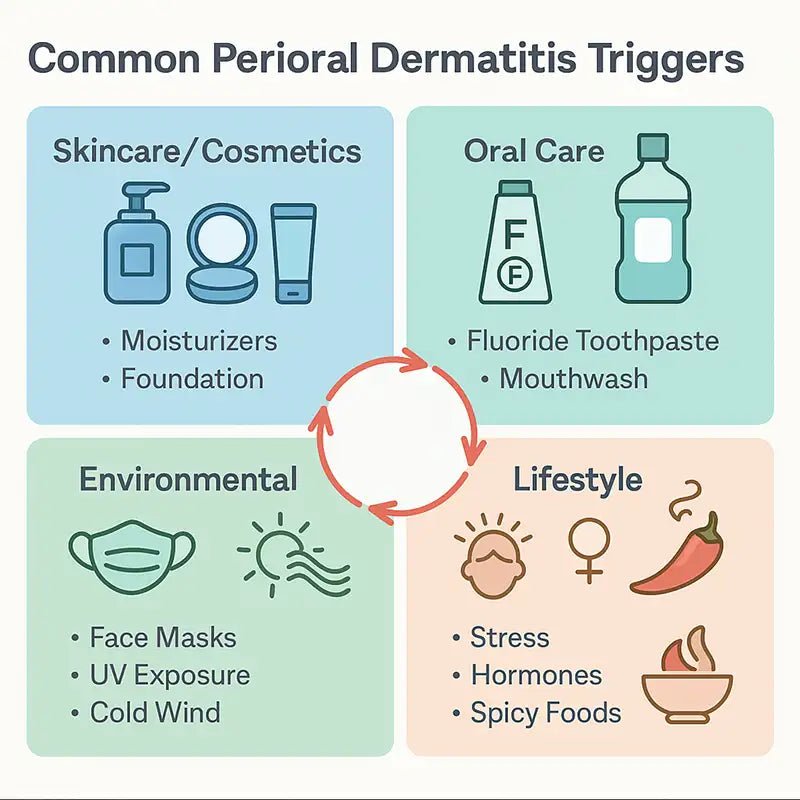
Perioral dermatitis is a common skin condition causing redness and bumps around the mouth. Understanding its causes helps manage and prevent flare-ups. Several factors can trigger this condition, ranging from everyday habits to environmental exposure. Knowing these causes allows for better care of sensitive facial skin.
Common Triggers
- Use of strong topical steroids on the face
- Hormonal changes, especially in women
- Stress and anxiety affecting skin balance
- Changes in weather, like cold or dry air
- Fluorinated toothpaste irritating the skin
Role Of Skincare Products
Many skincare products contain ingredients that irritate sensitive skin. Heavy creams, oily lotions, and harsh cleansers can clog pores. Fragrances and preservatives may also cause reactions. Overuse of facial moisturizers or makeup can worsen symptoms. Choosing gentle, non-comedogenic products is essential.
Environmental Factors
- Exposure to wind and sun without protection
- Air pollution damaging the skin barrier
- Humidity changes affecting moisture levels
- Contact with irritants in water or soaps
Choosing Gentle Cleansers
Choosing gentle cleansers is essential for managing perioral dermatitis. This skin condition reacts badly to harsh ingredients and aggressive washing. Using a mild cleanser soothes irritation and helps your skin heal faster. It also prevents dryness and redness, common problems with perioral dermatitis. Selecting the right product keeps your skin barrier intact and calm.
Ingredients To Avoid
- Sulfates like sodium lauryl sulfate (SLS) that strip natural oils
- Fragrances and perfumes that irritate sensitive skin
- Alcohols such as ethanol or isopropyl alcohol that dry out skin
- Harsh exfoliants like scrubs or beads that cause microtears
- Essential oils that can trigger inflammation in some people
Recommended Cleansing Methods
Use lukewarm water to rinse your face. Hot water can worsen dryness and redness. Apply a small amount of gentle cleanser with your fingertips. Avoid using washcloths or sponges that may irritate the skin. Gently massage in circular motions for about 20 seconds. Rinse thoroughly and pat your face dry with a soft towel. Do not rub or scrub the skin harshly. Cleanse your face twice daily—morning and night—for best results.
Moisturizers That Soothe
Choosing the right moisturizer is key to calming perioral dermatitis. The goal is to soothe the skin without causing irritation or clogging pores. Gentle, hydrating moisturizers help restore the skin’s natural barrier and reduce redness. Avoid heavy creams with harsh chemicals that can worsen symptoms.
Hydrating Ingredients
Look for moisturizers that contain ingredients known for hydration and calming effects:
- Glycerin – attracts moisture to the skin
- Aloe vera – soothes irritation and redness
- Hyaluronic acid – holds water to keep skin plump
- Niacinamide – reduces inflammation and strengthens skin barrier
- Oat extract – calms itching and soothes sensitive skin
These ingredients provide gentle hydration without triggering flare-ups. Avoid fragrances and alcohol, which irritate sensitive skin.
Non-comedogenic Options
Non-comedogenic moisturizers do not block pores. They help prevent further breakouts and keep skin clear. Choose products labeled “non-comedogenic” or “oil-free.”
- Gel-based moisturizers are lightweight and absorb quickly
- Water-based creams hydrate without heaviness
- Lotions with minimal ingredients lower risk of irritation
Test new products on a small skin patch to check for reactions. Consistency in using gentle, non-comedogenic moisturizers supports healing.
Sun Protection Tips
Protecting your skin from the sun is crucial when managing perioral dermatitis. UV rays can irritate sensitive skin and worsen flare-ups. Knowing how to shield your skin effectively helps maintain your progress and keeps your complexion calm.
Safe Sunscreen Ingredients
Look for sunscreens with mineral-based ingredients like zinc oxideand titanium dioxide. These are gentle on sensitive skin and less likely to cause irritation or breakouts.
Avoid chemical filters such as oxybenzone and avobenzone, which can trigger redness or itching. Instead, opt for formulas labeled as fragrance-freeand hypoallergenic.
Have you ever checked the ingredient list and found hidden irritants? Choosing the right sunscreen can make a huge difference in how your skin feels after application.
Application Techniques
Apply sunscreen at least 15 minutes before sun exposure to allow it to form a protective barrier. Use gentle, patting motions rather than rubbing to avoid aggravating your skin.
Don’t forget areas around your mouth and nose, where perioral dermatitis usually appears. Reapply every two hours, especially if you are sweating or swimming.
Try using a lightweight, non-comedogenic sunscreen to prevent clogged pores. Have you noticed how some sunscreens leave a heavy residue? Choose products that absorb quickly for comfort and better protection.
Avoiding Irritants
Avoiding irritants is a key part of managing perioral dermatitis effectively. Your skin is sensitive, so even small triggers can cause flare-ups. Identifying and steering clear of these irritants helps calm your skin and supports healing.
Makeup Choices
Your makeup can either soothe or worsen perioral dermatitis. Choose products labeled as “non-comedogenic” and “fragrance-free” to reduce irritation. Heavy foundations and thick creams often clog pores and trap bacteria, so opt for lighter, mineral-based options instead.
Have you noticed breakouts after using certain lipsticks or tinted balms? Ingredients like fragrances, preservatives, and silicones often irritate sensitive skin around the mouth. Switching to gentle, hypoallergenic makeup can make a huge difference.
- Use mineral powder foundations rather than liquid or cream formulas.
- Check labels for alcohol, parabens, and synthetic fragrances.
- Remove makeup thoroughly but gently at the end of the day.
Lifestyle Adjustments
Everyday habits impact your skin more than you might realize. Stress, diet, and hygiene routines all play a role in triggering or calming perioral dermatitis. Small changes can lead to noticeable improvements.
Think about the products you use daily—face washes, toothpaste, even the fabrics that touch your skin. Some toothpastes contain fluoride or sodium lauryl sulfate, which can aggravate your condition. Switching to a mild, fluoride-free toothpaste might help reduce flare-ups.
Consider your environment too. Do you spend a lot of time in dry or windy places? Protective measures like covering your face or using a simple barrier cream can shield your skin from irritation.
- Avoid harsh scrubs and exfoliants that strip natural oils.
- Choose gentle, fragrance-free cleansers.
- Manage stress with calming routines like meditation or light exercise.

Credit: freshfaceskin.com.au
Treatment Options
Finding the right treatment for perioral dermatitis can feel overwhelming. You want to soothe your skin without making the condition worse. Luckily, several options can help you manage flare-ups and promote healing effectively.
Over-the-counter Remedies
Many people start by trying gentle, over-the-counter products. Look for cleansers that are fragrance-free and formulated for sensitive skin. Harsh soaps or exfoliants can irritate your skin further, so avoid those.
Moisturizers with ingredients like ceramides and niacinamide can help restore your skin’s barrier. Some find mild anti-inflammatory creams, such as those containing hydrocortisone, useful—but only for a short time. Using these sparingly is key because overuse might worsen the condition.
Have you checked the labels on your skincare products? Even natural ingredients can sometimes trigger irritation. Patch testing new products on a small skin area can save you from unexpected flare-ups.
When To See A Dermatologist
If over-the-counter products don’t bring relief within a few weeks, it’s time to seek professional advice. A dermatologist can prescribe medications like topical antibiotics or oral treatments tailored to your specific condition.
Persistent redness, discomfort, or spreading rash are signs that expert care is needed. Remember, self-medicating with strong steroids without guidance may worsen perioral dermatitis.
Have you noticed your skin reacting badly to certain treatments? Sharing your skincare history with your dermatologist helps them create a better plan for you. Your skin deserves personalized care, especially when dealing with tricky conditions like this.
Daily Routine Checklist
Keeping your skin calm and balanced when dealing with perioral dermatitis means sticking to a gentle, consistent daily routine. This checklist simplifies your skincare into easy steps that protect your skin barrier without causing irritation. Each part of your day offers a chance to care for your skin thoughtfully—are you ready to make every moment count?
Morning Steps
- Use a mild cleanser:Choose a fragrance-free, gentle cleanser to wash your face. Avoid scrubbing; instead, use your fingertips to cleanse softly.
- Apply a soothing toner:If you use toner, pick an alcohol-free formula with calming ingredients like chamomile or aloe vera to reduce redness.
- Moisturize carefully:Select a lightweight, non-comedogenic moisturizer that supports your skin’s barrier. Ingredients like ceramides and niacinamide can help repair and protect.
- Use sunscreen:Protect your skin with a mineral-based SPF 30 or higher. Sunscreen shields sensitive skin from harmful UV rays without clogging pores.
Have you noticed how skipping sunscreen can make your skin flare up? Adding this simple step can prevent irritation and speed up healing.
Evening Steps
- Remove makeup gently:Use a mild, non-irritating makeup remover or cleansing oil. Avoid harsh wipes or rubbing your skin.
- Cleanse with care:Repeat the gentle cleanser to wash away dirt and impurities accumulated during the day.
- Apply treatment products cautiously:If your doctor prescribed topical medication, apply it as directed. Avoid layering multiple active ingredients that can worsen dryness or irritation.
- Moisturize deeply:Use a richer moisturizer to hydrate and soothe overnight. Ingredients like squalane or oat extract can provide extra comfort.
Do you find your skin feels drier at night? Adjusting your moisturizer here can make a big difference in managing flare-ups and discomfort.

Credit: harlanmd.com

Credit: osmiaskincare.com
Frequently Asked Questions
What Is The Best Skincare Routine For Perioral Dermatitis?
A gentle, fragrance-free cleanser and moisturizer are essential. Avoid heavy creams, steroids, and harsh products. Use mild sunscreen and consult a dermatologist for tailored treatment.
Can I Use Makeup With Perioral Dermatitis?
Yes, but choose non-comedogenic, fragrance-free makeup. Avoid heavy foundations and irritating ingredients. Always remove makeup gently to prevent flare-ups and maintain skin health.
How Often Should I Cleanse My Face With Perioral Dermatitis?
Cleanse your face twice daily with a gentle cleanser. Avoid over-washing, which can worsen irritation. Pat dry gently without rubbing to protect the skin barrier.
Are Topical Steroids Safe For Perioral Dermatitis Treatment?
No, topical steroids often worsen perioral dermatitis. They can cause flare-ups and prolonged symptoms. Consult a dermatologist for alternative treatments that safely manage the condition.
Conclusion
Crafting a gentle skincare routine soothes perioral dermatitis. Consistency is key for skin health. Avoid harsh products that irritate. Choose simple, natural ingredients. Listen to your skin. Notice changes and adjust accordingly. Regularly moisturize to maintain skin balance. Seek professional advice for persistent issues.
Patience and care lead to improvement. Prioritize your skin’s needs daily. Healing takes time, but results show with dedication. Your skin deserves gentle attention and respect. Keep it simple for best results. Remember, every skin journey is unique. Stay informed and proactive in your skincare choices.
Your skin will thank you.
