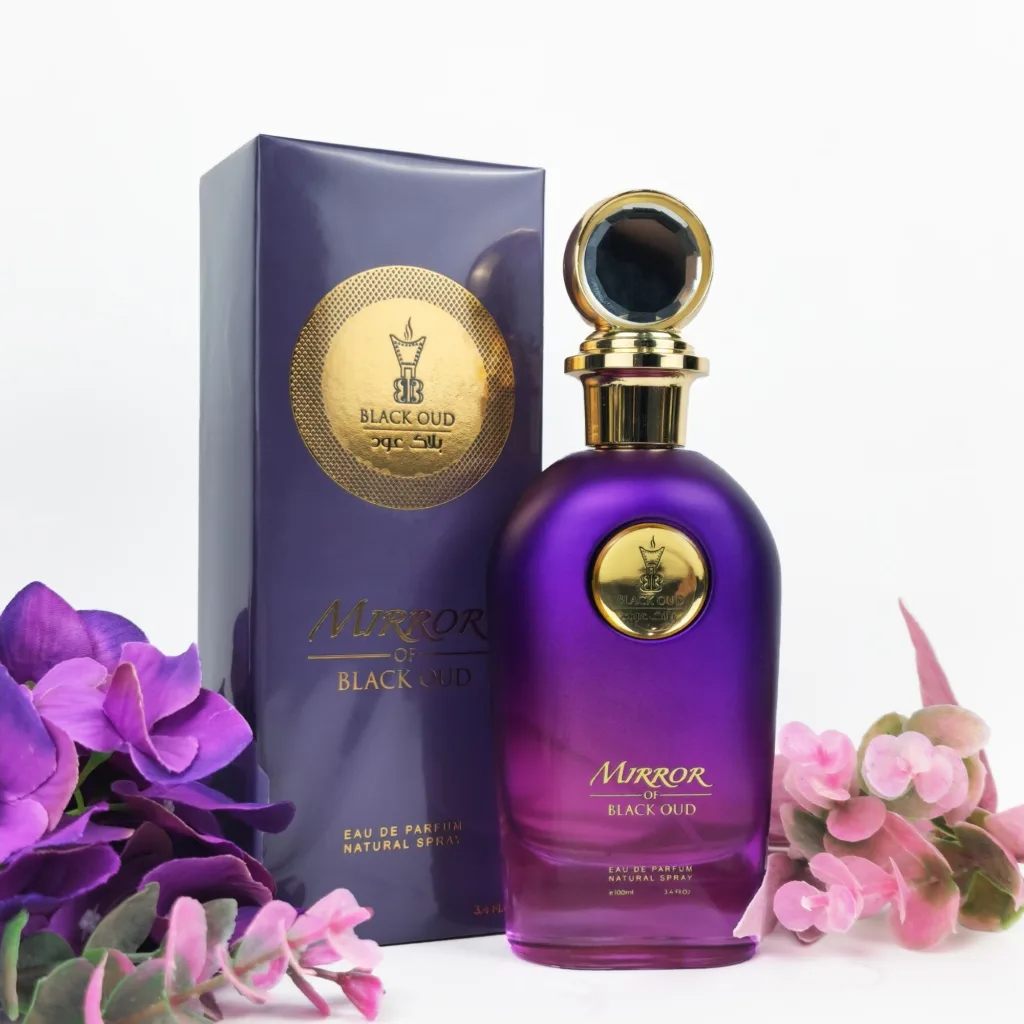
Have you ever stood in a perfume aisle, overwhelmed by the countless choices and wondering if a particular scent is meant for you? You’re not alone.
The age-old question of whether perfume is for men or women has puzzled many. But what if the answer is simpler than you think? Perfume is a form of personal expression, transcending traditional gender boundaries. Imagine choosing a scent that perfectly matches your personality, making you feel confident and unique.
Are you ready to discover how to find the fragrance that truly speaks to you, regardless of labels? Read on to uncover the secrets behind choosing the right perfume for you.
Credit: fragrancecanada.ca
History Of Perfume And Gender
The history of perfume and its link to gender is long and varied. Perfume has been part of human culture for thousands of years. It served many purposes, from religious rituals to personal scent. Over time, views on who should wear perfume have changed a lot. The story of fragrance shows much about society’s ideas on gender and beauty.
Ancient Fragrance Traditions
Ancient Egyptians used perfumes in daily life and worship. Both men and women wore scents made from flowers and spices. In Mesopotamia, perfumes were part of royal ceremonies. Greeks and Romans linked perfume to health and cleanliness. They believed scent could attract gods or protect from evil. Perfume was not for one gender only but a shared practice.
Perfume Evolution Through Ages
During the Middle Ages, perfume use declined in Europe due to hygiene views. It returned in the Renaissance with new flower and herb blends. The 17th century saw perfume as a mark of nobility. By the 18th century, many scents became gender-specific. Men’s fragrances were strong and spicy. Women’s perfumes were light and floral. Modern times mix these ideas freely.
Gender Roles In Fragrance Use
Perfume has often been split by gender in marketing and design. Men’s scents tend to be described as bold or woody. Women’s perfumes are called soft or sweet. These roles reflect social ideas rather than scent qualities. Today, many people choose fragrances without gender limits. The line between men’s and women’s perfumes grows thinner.
Fragrance Families And Notes
Fragrance families and notes shape how a perfume smells and feels. Each perfume belongs to a family based on its main scent characteristics. These families help people choose scents that match their style or mood. Understanding these groups makes picking the right perfume easier.
Citrus And Fresh Scents
Citrus perfumes smell bright and energetic. They include notes like lemon, orange, and grapefruit. These scents feel clean and lively, perfect for daytime wear. Fresh scents can also have watery or green notes. They give a sense of coolness and lightness.
Floral And Sweet Aromas
Floral perfumes smell like flowers such as rose, jasmine, and lily. They often feel soft and romantic. Sweet aromas add a sugary touch with hints of vanilla or honey. These perfumes can be gentle or bold. They suit many occasions and moods.
Woody And Spicy Profiles
Woody perfumes use notes like cedar, sandalwood, and patchouli. They create warm and earthy scents. Spicy perfumes add pepper, cinnamon, or clove for a lively kick. These profiles feel rich and deep. They often suit evening wear and cooler weather.
Oriental And Exotic Blends
Oriental perfumes mix warm spices, resins, and sweet notes. They smell mysterious and luxurious. Exotic blends can include amber, musk, or incense. These perfumes feel intense and sensual. They make a strong impression and last long on skin.
Marketing And Gender Stereotypes
Marketing perfumes often relies on gender stereotypes to shape product appeal. These stereotypes guide how brands design, advertise, and position their scents. The result is a clear division between perfumes for men and women. Understanding this helps reveal how deep-rooted ideas influence consumer choices.
How Brands Target Men And Women
Brands create distinct messages for men and women. Men’s perfumes often highlight strength, power, and adventure. Ads show confident men in rugged or active settings. Women’s perfumes emphasize beauty, elegance, and softness. Commercials feature graceful women in luxurious or romantic scenes.
This targeting uses language and imagery that match traditional gender roles. It builds a clear identity for each perfume type. Consumers then connect the scent with their own gender expectations.
Color And Packaging Influence
Color plays a big role in signaling gender. Men’s perfumes use dark, bold colors like black, blue, or gray. The packaging is often simple and sturdy. Women’s perfumes favor lighter colors such as pink, purple, or gold. Bottles tend to be ornate and delicate.
Packaging style supports the scent’s personality. It tells buyers who the perfume is for without words. These visual cues shape buying decisions before the scent is even tested.
Breaking Traditional Gender Norms
Some brands now challenge old stereotypes. They create unisex perfumes that suit everyone. Marketing focuses on scent and mood rather than gender. The packaging uses neutral colors and simple designs.
This shift appeals to people who want freedom from labels. It also reflects changing social views about identity. Perfumes become personal choices, not gender markers.

Credit: fragrancecanada.ca
Choosing Perfume Beyond Gender
Choosing perfume goes beyond traditional labels of men’s or women’s scents. Fragrance is a personal expression. It reflects mood, style, and personality more than gender. Many perfumes have a mix of notes that anyone can enjoy.
Breaking free from gender norms opens a world of scent possibilities. You can find a fragrance that suits your unique taste and skin. The key lies in understanding how personal preferences, skin chemistry, seasons, and occasions influence your choice.
Personal Preferences And Skin Chemistry
Each person smells perfume differently. Skin type, diet, and body heat change how scents develop. A fragrance may smell fresh on one person but heavy on another.
Choose scents that feel comfortable and reflect your personality. Floral, woody, spicy, or citrus—pick what makes you happy. Testing on your skin is essential before buying.
Seasonal And Occasion-based Choices
Seasons affect how perfume smells and lasts. Light, fresh scents suit warmer months. Warm, rich fragrances work well in colder weather.
Occasions also guide your choice. Daytime scents tend to be subtle. Evening perfumes can be stronger and more complex. Think about where and when you will wear your fragrance.
Testing And Sampling Tips
- Spray perfume on your wrist, not on paper strips.
- Wait 10-15 minutes to smell the true scent.
- Test one fragrance at a time to avoid confusion.
- Try samples before buying a full bottle.
- Check how the scent changes throughout the day.
Unisex And Gender-neutral Fragrances
Unisex and gender-neutral fragrances challenge the old idea that perfumes must be labeled strictly for men or women. These scents offer a fresh approach, blending notes that appeal to anyone regardless of gender. They invite you to think about fragrance as a personal expression, not a category.
Rise Of Unisex Perfumes
The popularity of unisex perfumes has grown steadily over the last decade. Many brands now create fragrances meant to be worn by anyone, breaking down traditional barriers. This shift reflects changing social attitudes and a desire for more inclusive products.
People appreciate the freedom to choose scents based on mood or personality, rather than gender labels. Have you ever noticed a fragrance that doesn’t fit typical “men’s” or “women’s” categories but feels just right? That’s the appeal of unisex perfumes.
Popular Gender-neutral Scents
Citrus, woody, and fresh herbal notes often dominate gender-neutral fragrances. Scents like Vetiver, Bergamot, and Sandalwood work well because they balance warmth and freshness without leaning too masculine or feminine.
- CK Oneby Calvin Klein – a classic unisex option with light citrus and green tea.
- Tom Ford’s Neroli Portofino– bright, floral, and citrusy, loved by all genders.
- Jo Malone Wood Sage & Sea Salt– earthy and fresh, perfect for anyone.
These scents prove that your perfume choice can be about what you enjoy, not what you’re “supposed” to wear.
Benefits Of Gender-neutral Choices
Choosing gender-neutral fragrances gives you more options and flexibility. You can share your favorite scent with friends or partners without worrying about labels. It also encourages creativity in how you express yourself daily.
Gender-neutral perfumes often focus on quality ingredients and balanced compositions. This means you get a scent that’s subtle yet memorable, suited for any occasion. Wouldn’t it be nice to pick a fragrance simply because it feels right to you?

Credit: perfumeunlimited.com
Cultural Variations In Perfume Use
Perfume use varies widely across cultures, reflecting deep-rooted traditions and social norms. What might be considered a feminine scent in one culture could be embraced by men in another. Understanding these cultural differences can help you choose fragrances that resonate with your identity and surroundings.
Perfume Traditions Around The World
Perfume has a long history tied to cultural rituals. In the Middle East, strong, resinous scents like oud are popular and often used by both men and women during celebrations. In contrast, many Western countries favor lighter, floral fragrances for women and musk or wood-based scents for men.
In India, perfumes made from jasmine and sandalwood are common, often linked to spiritual practices and daily life. Have you noticed how scent traditions can shape your perception of a fragrance’s purpose? This awareness can guide your perfume choices beyond mere preference.
Gender And Fragrance In Different Cultures
Gender roles heavily influence fragrance choices globally. In Japan, subtle and clean scents are preferred across genders, blurring the lines between men’s and women’s perfumes. Meanwhile, in Latin America, bold and sweet fragrances often signal femininity, while men tend to select spicy or woody notes.
Some cultures have no strict division between men’s and women’s perfumes, encouraging individuals to wear scents that express personality rather than gender. Does your culture’s view on fragrance affect how you pick your scent?
Global Trends In Fragrance Preferences
Globalization is mixing perfume traditions, creating new trends. Unisex fragrances are gaining popularity as more people seek scents that feel authentic rather than gender-specific. Brands now offer fresh, citrusy, or smoky perfumes that appeal broadly, challenging old stereotypes.
Travel and digital exposure also influence preferences, with consumers exploring scents from different cultures. Your next favorite perfume might come from a tradition you hadn’t considered before—are you open to trying something unexpected?
Frequently Asked Questions
Is Perfume Made Specifically For Men Or Women?
Perfumes are traditionally marketed for men or women. However, many scents are unisex and suit all genders. Personal preference and fragrance notes matter more than labels. Choose a perfume that complements your style and personality regardless of gender.
Can Men Wear Perfumes Designed For Women?
Yes, men can wear perfumes made for women. Fragrance preferences are personal and not restricted by gender. Many men enjoy floral, fruity, or sweet scents typically marketed to women. The key is selecting a scent that feels right for you.
What Fragrances Are Popular In Men’s Perfumes?
Men’s perfumes often feature woody, spicy, citrus, and musk notes. These scents evoke masculinity, freshness, and warmth. Common ingredients include sandalwood, cedar, bergamot, and amber. They create a bold and confident aroma preferred by many men.
Are Unisex Perfumes A Good Choice?
Unisex perfumes blend elements from both men’s and women’s fragrances. They offer versatility and appeal to diverse tastes. Unisex scents are ideal if you want a unique, balanced fragrance without gender labels. Many brands now focus on creating inclusive perfumes.
Conclusion
Perfume does not belong only to men or women. Everyone can enjoy scents they like. Choose a fragrance that feels right to you. Personal taste matters more than labels. Scents can express mood, style, and personality. Exploring different perfumes can be fun and exciting.
Let your nose guide your choice. Wear what makes you feel confident and happy. After all, fragrance is about self-expression and joy.
