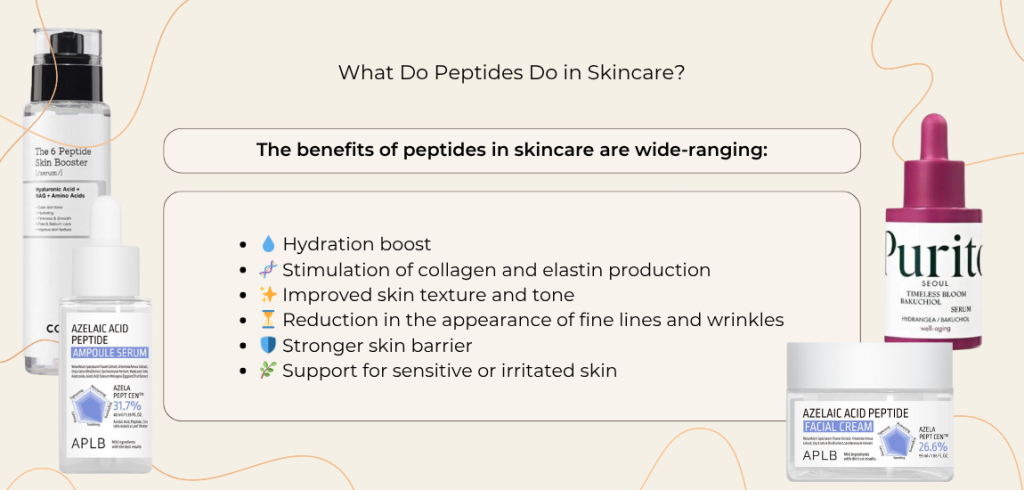
Imagine unlocking the secret to youthful, glowing skin with a simple addition to your skincare routine. Peptides in skincare have become the buzzword in the beauty industry, and for good reason.
These tiny proteins work wonders at a cellular level, promising to rejuvenate your skin from within. But what exactly are peptides, and how can they transform your skin? If you’ve been searching for that miracle ingredient to elevate your skincare game, you’re in the right place.
Dive into this article, and discover how peptides could be the key to achieving the radiant complexion you’ve always desired.
What Peptides Are
Peptides are small chains of amino acids. These amino acids link together like beads on a string. They are the building blocks of proteins, which are essential for skin health. Peptides send signals to skin cells, telling them to perform specific tasks. This makes peptides important for skin repair and renewal. Many skincare products include peptides to help improve skin texture and firmness.
Basic Structure
Peptides are made of amino acids joined by peptide bonds. The chain length varies from a few to dozens of amino acids. Short chains are called peptides, while longer ones are proteins. The sequence of amino acids defines the peptide’s function. Peptides can be simple or complex depending on their structure.
Types Of Peptides Used In Skincare
- Signal Peptides:These peptides tell skin cells to produce more collagen.
- Carrier Peptides:They deliver minerals like copper to the skin, aiding healing.
- Enzyme Inhibitor Peptides:These block enzymes that break down collagen.
- Neurotransmitter-Inhibitor Peptides:They reduce muscle movement to smooth wrinkles.
How Peptides Work On Skin
Peptides are small chains of amino acids that signal the skin to perform specific tasks. They act like messengers, telling skin cells to produce more proteins or repair damage. This helps improve skin texture, firmness, and overall health.
Peptides work by interacting with skin cells, boosting natural processes that keep skin youthful and strong.
Stimulating Collagen Production
Peptides encourage skin cells to make more collagen. Collagen is a protein that gives skin its strength and elasticity. As we age, collagen production slows, causing wrinkles and sagging. Peptides help reverse this by signaling cells to create fresh collagen.
Enhancing Skin Barrier
Peptides support the skin’s protective barrier. This barrier keeps moisture in and harmful elements out. A strong barrier means skin stays hydrated and looks smooth. Peptides help rebuild this barrier by promoting the production of essential skin lipids.
Reducing Inflammation
Some peptides have anti-inflammatory properties. They calm irritated skin and reduce redness. This helps prevent damage and promotes faster healing. By soothing inflammation, peptides improve skin comfort and appearance.
Benefits Of Peptides For Youthful Skin
Peptides have become a popular ingredient in skincare because they offer real benefits for maintaining youthful skin. These small chains of amino acids signal your skin to perform important tasks, like producing more collagen and repairing damage. Adding peptides to your routine can help you see noticeable improvements in texture, firmness, and moisture.
Smoothing Wrinkles
Peptides help reduce the appearance of fine lines and wrinkles by encouraging collagen production. Collagen is the protein that keeps your skin plump and smooth, but it decreases as you age. Using products with peptides supports your skin’s natural ability to rebuild this vital protein, which can soften wrinkles over time.
Have you ever noticed how your skin looks after a week of consistent peptide use? Many people report smoother skin and less visible crow’s feet. It’s like giving your skin the tools it needs to repair itself daily.
Improving Elasticity
Elasticity is what keeps your skin firm and springy. Peptides help by stimulating elastin production, another key protein that allows your skin to bounce back after stretching. This means your skin can resist sagging and maintain a youthful contour.
Think about how your skin feels after a good night’s sleep versus after a long day. Peptides work behind the scenes to keep that “just rested” firmness intact, even when life gets hectic.
Boosting Hydration
Peptides can also improve your skin’s ability to retain moisture. Well-hydrated skin looks fuller and more radiant, which naturally contributes to a youthful glow. Peptides encourage your skin to strengthen its protective barrier, locking in hydration and keeping irritants out.
Have you tried adding a peptide serum before your moisturizer? Many find that it enhances their skin’s softness and resilience, making dryness and dullness less of a concern.

Credit: us.medik8.com
Top Peptides To Look For
Choosing the right peptides can make a noticeable difference in your skincare routine. Not all peptides work the same way, so knowing which ones to look for helps you target specific skin concerns effectively. Below are some of the most powerful peptides that can improve your skin’s health and appearance.
Palmitoyl Pentapeptide
Palmitoyl Pentapeptide stimulates collagen production, which is essential for firmer, younger-looking skin. It also helps reduce the appearance of fine lines and wrinkles by supporting skin repair. If you want a peptide that supports skin elasticity, this is a great option to add to your routine.
Copper Peptides
Copper Peptides are well-known for their ability to promote wound healing and improve skin texture. They help increase antioxidant levels and support the production of collagen and elastin. Many users notice smoother skin and a more even tone after regular use.
Acetyl Hexapeptide
Acetyl Hexapeptide works by relaxing facial muscles, which can help reduce the look of expression lines. It’s often called a natural alternative to Botox because it targets wrinkles caused by muscle movement. If you struggle with dynamic wrinkles around the eyes or forehead, this peptide might be worth trying.
Incorporating Peptides Into Your Routine
Adding peptides to your skincare routine can dramatically boost your skin’s health and appearance. These small protein fragments support collagen production and help repair your skin barrier. But knowing how to choose, combine, and apply peptide products will make all the difference in seeing real results.
Choosing The Right Products
Look for products that list peptides clearly on the label, like palmitoyl pentapeptide or copper peptides. Serums often contain higher concentrations, making them a great choice if you want targeted effects. If you have sensitive skin, start with a peptide cream or moisturizer to see how your skin responds.
Pay attention to the product’s texture and formulation. Lightweight serums absorb quickly, while creams offer extra hydration. Also, check if the formula includes additional ingredients like antioxidants or hyaluronic acid, which can boost peptides’ benefits.
Layering With Other Ingredients
Peptides work well with most ingredients, but avoid using them alongside strong acids like AHAs or BHAs at the same time. These acids can break down peptides and reduce their effectiveness. Instead, use acids in the morning and peptides at night, or alternate days.
Combining peptides with antioxidants like vitamin C can enhance skin repair and protection. Hyaluronic acid pairs nicely too, helping peptides penetrate deeper by keeping your skin hydrated. Always apply lighter, water-based products before heavier creams for better absorption.
Application Tips
Apply peptide products on clean, slightly damp skin to boost absorption. Use gentle tapping motions rather than rubbing to avoid irritating your skin. Consistency is key; applying peptides twice daily can lead to noticeable improvements within weeks.
Don’t forget to follow peptide serums with a moisturizer to lock in hydration. And always apply sunscreen during the day to protect your skin and maximize the benefits of your routine. How might your skin change if you gave peptides a proper chance over the next month?
Common Myths About Peptides
Peptides have become a popular ingredient in skincare products. Despite their rise, many myths about peptides still confuse users. Clearing up these myths helps you understand how peptides actually work and benefit your skin.
Peptides Work Instantly
Peptides do not provide immediate results. They work by signaling skin cells to produce more collagen and repair. This process takes time, usually weeks or months. Patience is key for visible improvements.
Peptides Are Only For Aging Skin
Peptides help all skin types, not just aging skin. They support skin repair, hydration, and barrier function. Using peptides early can prevent signs of aging. Anyone wanting healthier skin can benefit from peptides.
Peptides Cause Sensitivity
Peptides are generally gentle and safe for most skin types. They rarely cause irritation or sensitivity. People with sensitive skin should patch test new products. Choosing peptide formulas without harsh ingredients reduces risk.
Peptides Vs Other Anti-aging Ingredients
Peptides stand out in the crowded world of anti-aging skincare. They work by sending signals to skin cells. These signals help boost collagen and improve skin texture. Other ingredients also fight signs of aging but do so differently. Understanding how peptides compare to common anti-aging ingredients helps in choosing the right products.
Peptides And Retinol
Retinol speeds up skin cell turnover. It helps reduce wrinkles and fine lines. Peptides support skin by encouraging collagen production. Retinol can sometimes cause dryness or irritation. Peptides are gentler and suit sensitive skin well. Using both can enhance skin firmness and smoothness.
Peptides And Vitamin C
Vitamin C brightens the skin and fights free radicals. It promotes collagen like peptides but also lightens dark spots. Peptides mainly focus on skin repair and firmness. Vitamin C may cause sensitivity in some skin types. Together, they improve skin tone and reduce aging signs.
Peptides And Hyaluronic Acid
Hyaluronic acid hydrates skin deeply. It helps skin look plump and soft. Peptides work on skin structure and strength. Hyaluronic acid provides moisture, while peptides build collagen. Both ingredients combined keep skin youthful and hydrated.
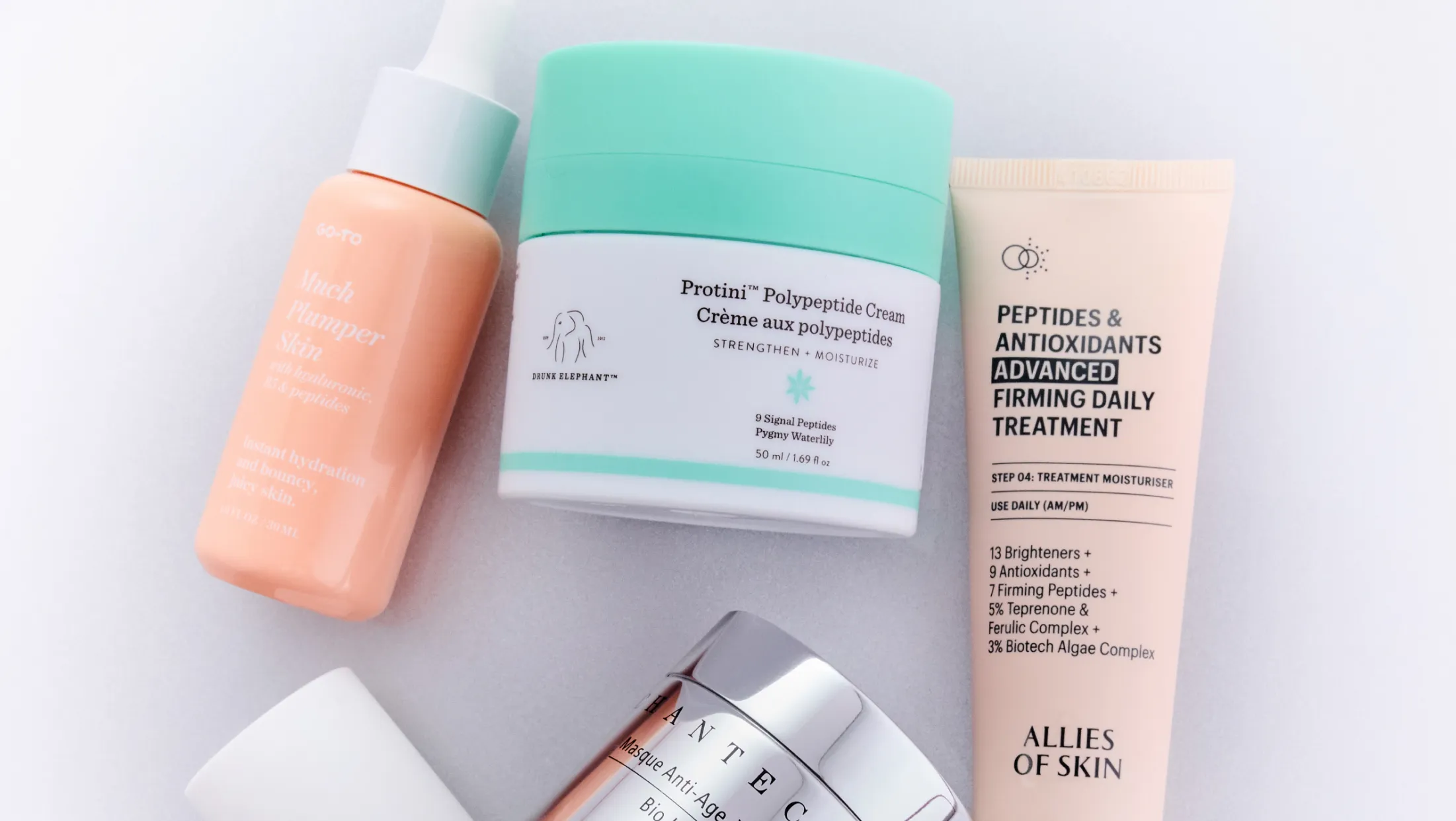
Credit: www.mecca.com
Future Trends In Peptide Skincare
Peptide skincare is evolving rapidly. New trends focus on enhancing effectiveness and personalization. These changes aim to deliver better results for various skin types and concerns. The future holds promising innovations that make peptides a vital part of skincare routines.
Innovative Peptide Formulations
Scientists are creating peptides with improved stability and skin absorption. These new peptides work faster and target deeper skin layers. Formulations combine peptides with antioxidants and moisturizers for stronger effects. Some products use slow-release peptides for longer-lasting benefits. This approach helps maintain skin firmness and reduce wrinkles more effectively.
Peptides In Personalized Skincare
Personalized skincare uses peptides tailored to individual skin needs. Technology analyzes skin condition and suggests specific peptide blends. Customized products address unique problems like dryness, aging, or sensitivity. This trend makes skincare more precise and efficient. Users get better results by targeting their exact skin concerns.
Credit: bskinenvie.ca
Frequently Asked Questions
What Are Peptides In Skincare Products?
Peptides are short chains of amino acids that signal skin cells to boost collagen. They improve skin firmness and elasticity. Peptides help reduce wrinkles and fine lines. They are essential ingredients in anti-aging skincare formulas.
How Do Peptides Benefit Your Skin?
Peptides stimulate collagen production, which supports skin structure. They enhance skin hydration and repair damaged skin. Peptides also reduce inflammation and improve skin texture. Overall, they promote smoother, firmer, and younger-looking skin.
Are Peptide Skincare Products Safe For All Skin Types?
Yes, peptide skincare products are generally safe for all skin types. They are gentle and non-irritating. Peptides work well with other ingredients and do not cause sensitivity. Always patch test new products to ensure compatibility with your skin.
How Long Does It Take To See Peptide Effects?
Visible effects of peptides usually appear after 4 to 8 weeks. Consistent daily use is key to noticeable improvements. Skin gradually becomes firmer, smoother, and more youthful. Patience and regular application yield the best results.
Conclusion
Peptides help improve skin’s texture and firmness. They support collagen, which keeps skin youthful. Regular use can reduce fine lines and wrinkles. Peptides suit many skin types and needs. Choosing products with peptides can boost your routine. Small molecules, big impact.
Simple, gentle, and effective skincare ingredients worth trying.
