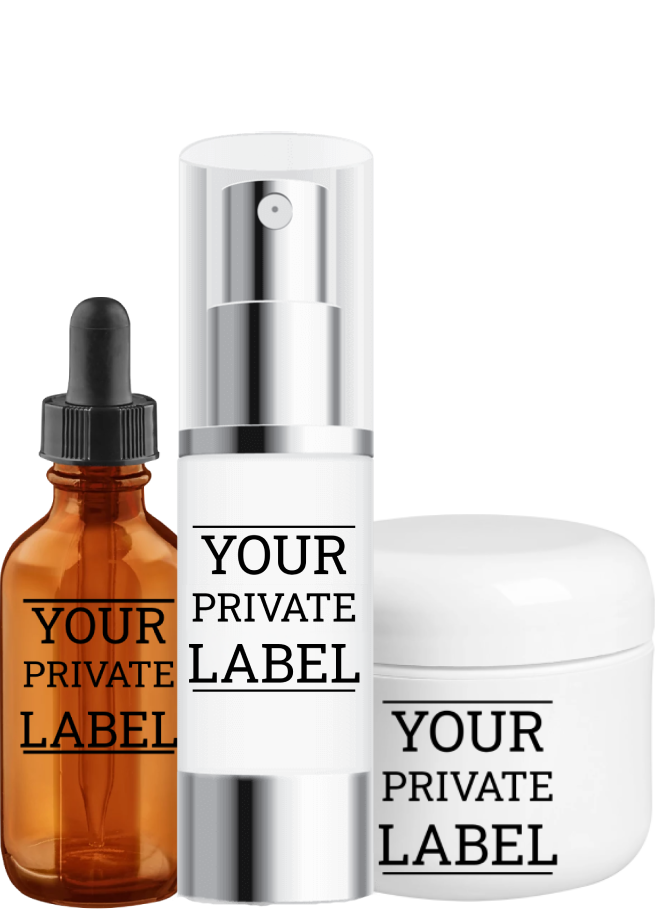
Imagine having a skin care line that is not only luxurious and effective but also entirely unique to you. With organic private label skin care, this is more than just a dream—it’s a reality within your grasp.
You might be wondering why choosing organic matters or how private labeling can set your brand apart. Here’s the secret: when you harness the power of organic ingredients, you’re offering your skin the nourishment it truly craves while providing a product line that reflects your personal values and style.
This blog post will reveal how you can create a distinct and successful skin care brand that not only enhances your beauty routine but also aligns with your commitment to health and sustainability. Stay with us as we uncover the transformative potential of organic private label skin care, and discover how this could be your next big step in beauty innovation.

Credit: boyaskincare.en.made-in-china.com
Benefits Of Organic Skin Care
Choosing organic private label skin care products offers more than just a natural touch to your daily routine. It brings a range of benefits that affect your health, the environment, and even the market trends shaping the beauty industry. Understanding these advantages can help you make smarter choices for your skin and the planet.
Health Advantages
Organic skin care products avoid harsh chemicals, synthetic fragrances, and artificial colors that can irritate your skin. Many people notice fewer breakouts and less redness after switching to organic options. Have you ever wondered how much your skin could improve by removing harmful toxins?
These products often use ingredients rich in antioxidants and vitamins, which support skin repair and hydration naturally. For example, aloe vera and chamomile soothe sensitive skin without causing side effects. Using organic skin care means feeding your skin with gentle, nurturing elements instead of chemicals.
Environmental Impact
Organic skin care brands prioritize sustainable farming and biodegradable packaging. This means less pollution and reduced harm to wildlife habitats. When you choose organic, you’re actively reducing your carbon footprint and conserving water resources.
Think about the ingredients that go into conventional products and how they might affect soil and waterways. Organic farming avoids pesticides and synthetic fertilizers that can poison ecosystems. Your skin care routine can be a small but powerful step toward environmental responsibility.
Consumer Demand Trends
The demand for organic skin care is rising rapidly, reflecting a growing awareness among consumers about health and sustainability. Brands offering private label organic products are tapping into a market hungry for transparency and ethical practices.
This trend shows no signs of slowing down. Are you ready to meet your customers’ expectations by providing products that align with their values? Staying ahead means adapting to what people want: clean, green, and effective skin care solutions.
Choosing Private Label Partners
Choosing the right private label partner is key to success in organic skin care. The partner you select affects product quality, brand reputation, and customer satisfaction. Careful evaluation helps ensure your brand stands out in a crowded market.
Quality And Certification
Quality is the foundation of organic skin care products. Choose partners with strict quality control processes. Certifications prove that products meet organic standards. Look for certifications like USDA Organic, ECOCERT, or COSMOS.
These certificates build trust with customers. They confirm the use of natural ingredients. They also ensure no harmful chemicals are in the products. Always ask for documentation and lab test results.
Customization Options
Customization helps your brand stay unique. Private label partners should offer options for formulas, scents, and packaging. Custom blends allow you to target specific skin concerns.
Packaging choices reflect your brand identity. Ask about label design and container options. This flexibility helps create a product that fits your vision perfectly.
Production Capacity
Production capacity affects delivery times and order size. Choose a partner who can meet your current and future needs. Check their minimum order quantities and maximum output.
A reliable partner maintains consistent supply. They handle large orders without delays. Confirm their ability to scale as your brand grows. This avoids stock shortages and lost sales.
Designing Your Brand Identity
Designing your brand identity is a crucial step in launching your organic private label skin care line. It shapes how customers perceive your products and influences their buying decisions. Crafting a clear and memorable identity helps you stand out in a crowded market and builds lasting trust.
Packaging Ideas
Your packaging should tell the story of your brand at a glance. Choose materials that reflect your commitment to organic and eco-friendly values, like recycled glass or biodegradable containers.
Colors and fonts matter. Soft, natural tones often work well for organic skin care, but don’t be afraid to add a bold accent color to catch the eye. Minimalist designs with clear labels can communicate purity and simplicity effectively.
Think about usability too. Easy-to-open lids, pumps, or droppers improve the customer experience and encourage repeat purchases. Have you tested your packaging for convenience and durability?
Brand Messaging
Your brand message should clearly communicate the benefits and values behind your skin care line. Focus on what makes your products unique—whether it’s the sourcing of ingredients, cruelty-free testing, or skin health benefits.
Use simple, honest language that your customers can relate to. Avoid jargon or vague claims. Instead, highlight specific results like “hydrates deeply” or “rich in antioxidants.”
Ask yourself: What feeling or promise do you want your customers to associate with your brand? Let that guide every message you create, from your website to social media posts.
Target Audience
Knowing your target audience is essential for designing a brand that resonates. Are you appealing to young adults seeking natural beauty solutions, or mature customers looking for anti-aging benefits?
Define their lifestyle, values, and skincare needs. This will help you tailor both your product line and marketing strategies to fit their preferences.
Consider creating customer personas to visualize who you’re speaking to. What motivates their purchase decisions? What problems are they hoping your skin care line will solve?

Credit: www.qualityplus.co.th
Formulating Pure And Effective Products
Formulating pure and effective organic private label skin care products demands careful selection of ingredients and strict quality control. The goal is to create safe, gentle, and nourishing formulas that meet high standards. It requires knowledge of natural components and avoiding harmful substances. Testing ensures each product performs well and complies with regulations.
Key Organic Ingredients
Organic skin care relies on natural ingredients from plants and minerals. These ingredients provide vitamins, antioxidants, and hydration without harsh effects. Common key ingredients include:
- Aloe vera for soothing and moisturizing
- Jojoba oil to balance skin’s natural oils
- Green tea extract packed with antioxidants
- Shea butter for deep nourishment
- Chamomile to calm irritated skin
Choosing certified organic sources ensures purity and potency. These ingredients support healthy skin and improve appearance naturally.
Avoiding Harmful Chemicals
Pure organic products exclude synthetic chemicals and toxins. This means no parabens, sulfates, phthalates, or artificial fragrances. These substances can irritate skin or disrupt its natural balance. Instead, formulas use gentle preservatives and natural fragrances. This approach protects sensitive skin and reduces allergy risks. It also respects environmental health by minimizing pollution.
Testing And Compliance
Testing guarantees the safety and effectiveness of skin care products. This includes stability tests to check product consistency over time. Microbial tests ensure no harmful bacteria grow in the formula. Clinical tests measure skin compatibility and performance. Compliance with organic certification standards is essential. This builds trust with customers and meets legal requirements. Reliable testing and certification confirm product quality every step of the way.
Marketing Strategies For Organic Skin Care
Marketing organic private label skin care requires clear strategies to build trust and attract customers. These products rely on transparency and authenticity to stand out. Brands must connect with their audience through honest messages and useful information. Effective marketing highlights the natural benefits and ethical values of organic skin care.
Social Media Campaigns
Social media is a powerful tool for organic skin care brands. Use platforms like Instagram, Facebook, and TikTok to show product benefits and real results. Share behind-the-scenes content about product ingredients and production. Engage followers with polls, stories, and user-generated content. Post regularly to keep the audience interested and involved.
Influencer Collaborations
Partner with influencers who share your brand values. Choose those who focus on wellness, beauty, and eco-friendly lifestyles. Influencers can provide honest reviews and tutorials. Their followers trust their opinions, increasing brand credibility. Micro-influencers often have higher engagement and more loyal fans.
Educational Content
Create content that explains the benefits of organic skin care clearly. Use blogs, videos, and infographics to teach about ingredients and skin health. Show how organic products differ from conventional ones. Provide tips for healthy skin routines using your products. Educated customers are more likely to buy and stay loyal.
Credit: private-label-skin-care.com
Scaling Your Private Label Brand
Scaling your private label brand in organic skin care demands careful planning and smart moves. Growth means more products, loyal customers, and handling tough market rules. Each step must focus on quality and trust. This helps your brand stand out and attract more buyers.
Expanding Product Lines
Adding new products can boost your brand’s reach. Start with items that fit your current range. Use customer feedback to find what they want next. Keep all products natural and safe. This builds confidence in your brand.
- Introduce daily essentials like cleansers and moisturizers
- Offer specialized items, such as serums or masks
- Include products for different skin types
- Test new formulas carefully before launch
Building Customer Loyalty
Strong relationships keep customers coming back. Deliver consistent quality every time. Listen to customer concerns and act fast. Reward loyal buyers with discounts or special offers. Share stories about your brand’s values and ingredients.
- Send personalized emails and updates
- Create a points or rewards program
- Engage with customers on social media
- Provide clear and helpful product information
Navigating Market Challenges
Organic skin care faces strict rules and tough competition. Stay updated on laws about ingredients and claims. Watch competitor moves and market trends. Keep your pricing fair but profitable. Focus on honest marketing and excellent service.
- Follow local and international regulations
- Invest in quality control and certifications
- Adapt quickly to changes in demand
- Train your team on product knowledge
Frequently Asked Questions
What Is Organic Private Label Skin Care?
Organic private label skin care refers to skincare products made with natural ingredients. Brands customize these products under their own labels. It ensures quality, safety, and branding flexibility, appealing to eco-conscious consumers seeking personalized organic skincare solutions.
How To Start An Organic Private Label Skin Care Line?
Begin by researching reliable organic manufacturers with private label services. Choose product types and ingredients. Design branding and packaging. Ensure compliance with organic certifications. Finally, market your unique organic skincare products to your target audience effectively.
Why Choose Organic Ingredients In Private Label Skin Care?
Organic ingredients are free from harmful chemicals and pesticides. They offer safer, gentler skin benefits and reduce environmental impact. Using organic components enhances product appeal and trust among customers seeking natural, eco-friendly skincare options.
Can Private Label Organic Skin Care Boost Brand Credibility?
Yes, offering organic private label skincare products can enhance brand credibility. It shows commitment to health and sustainability. Consumers trust brands that prioritize natural ingredients and quality, increasing loyalty and sales.
Conclusion
Choosing organic private label skin care supports healthy, natural beauty. These products use pure ingredients that nourish your skin safely. You can trust what goes into each bottle. Creating your own brand allows control over quality and values. Customers appreciate honesty and clean formulas.
Start small and grow with care and patience. Quality matters more than quick success. Organic skin care offers gentle, effective solutions for everyone. A thoughtful approach builds loyal customers over time. Simple, natural products often bring the best results.
