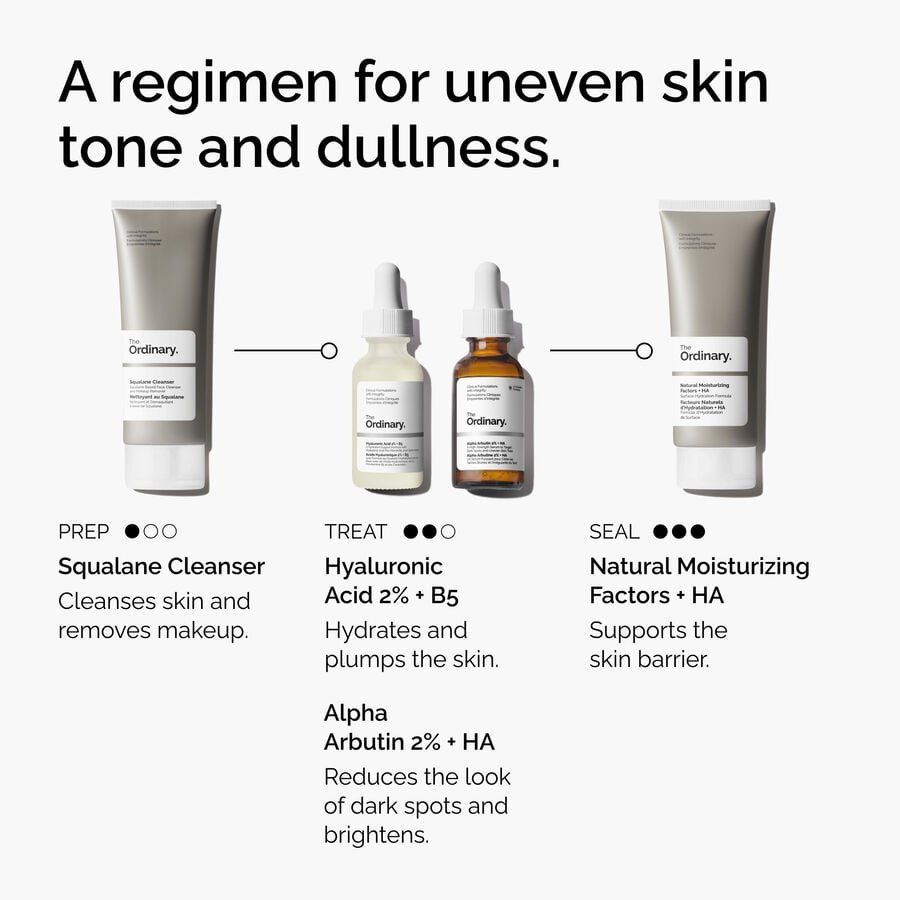
You want clear, healthy skin without spending hours or using complicated products. An ordinary skincare routine might be exactly what you need.
It’s simple, effective, and fits easily into your daily life. Imagine waking up to skin that feels fresh and looks radiant every day. You’ll discover how a straightforward routine can transform your skin without overwhelming you. Keep reading to unlock the secrets to easy, everyday skincare that really works for you.

Credit: www.sephora.com
Daily Cleansing Habits
Daily cleansing is the foundation of a good skincare routine. It removes dirt, oil, and impurities. Clean skin helps your other products work better. Skipping cleansing or using the wrong method can cause breakouts and dullness. Simple, consistent habits keep your skin fresh and healthy every day.
Choosing The Right Cleanser
Select a cleanser based on your skin type. For dry skin, use gentle, hydrating formulas. Oily skin benefits from foaming or gel cleansers. Sensitive skin needs fragrance-free, mild options. Avoid harsh cleansers that strip natural oils. Test a small amount to check for irritation.
Morning Vs Evening Cleansing
Morning cleansing removes sweat and oil from sleep. Use a light cleanser to refresh your skin. Evening cleansing clears dirt, makeup, and pollution. Choose a stronger cleanser for thorough cleaning. Double cleansing works well for heavy makeup or sunscreen. Always rinse with lukewarm water to protect skin barriers.
Common Cleansing Mistakes
- Using hot water that dries out skin.
- Over-cleansing leading to irritation and redness.
- Rough scrubbing that damages skin surface.
- Skipping cleansing before bed, causing clogged pores.
- Applying cleanser with dirty hands spreading bacteria.
Follow gentle motions and stick to your routine. Clean skin feels soft, balanced, and ready for next steps.

Credit: theordinary.com
Effective Exfoliation
Exfoliation is a key step in any effective skincare routine. It removes dead skin cells that can clog pores and dull your complexion. But knowing how to exfoliate properly can make a big difference in how your skin looks and feels.
Types Of Exfoliants
There are two main types of exfoliants: physical and chemical. Physical exfoliants use small particles or tools to manually scrub away dead skin. Examples include scrubs with sugar or salt and brushes.
Chemical exfoliants work by dissolving dead cells using acids or enzymes. Common ones are AHAs (like glycolic acid), BHAs (like salicylic acid), and enzyme-based products from fruits. Which type suits your skin best depends on your skin sensitivity and concerns.
How Often To Exfoliate
Exfoliating too often can irritate your skin, while too little may leave your skin looking dull. For most skin types, 2-3 times a week is enough. If you have sensitive skin, once a week might be better.
Pay attention to how your skin reacts. Does it feel tight or red? That’s a sign you may need to reduce frequency or switch to a gentler exfoliant.
Benefits For Skin Texture
Regular exfoliation smooths your skin by removing rough, flaky patches. It helps your skincare products absorb better and can even reduce the appearance of fine lines. You might notice your skin looking brighter and feeling softer after just a few uses.
Have you ever felt your face was rough to the touch or looked dull in photos? Exfoliation can fix that. It’s one of the simplest ways to refresh your skin without complicated treatments.
Hydrating And Moisturizing
Hydrating and moisturizing are essential parts of any skincare routine. They help maintain your skin’s balance, keeping it soft, smooth, and glowing. Without proper hydration, your skin can feel tight, dry, or even flaky, which no one wants.
Selecting Suitable Moisturizers
Choosing the right moisturizer depends on your skin type and concerns. If your skin feels oily, look for lightweight, non-comedogenic gels or lotions that won’t clog pores. Dry skin benefits from richer creams or ointments packed with ingredients like hyaluronic acid or ceramides.
I once switched to a moisturizer with ceramides during winter, and my skin stopped feeling rough and flaky. It’s worth trying different formulas until you find one that feels comfortable and effective.
Layering Hydration Products
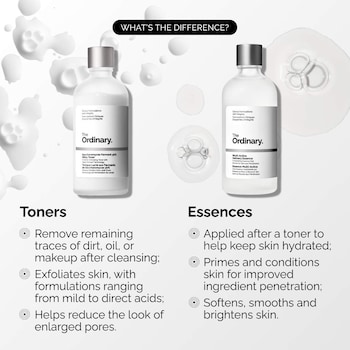
Layering hydration products can boost your skin’s moisture levels. Start with a hydrating toner or essence to add a thin layer of moisture. Follow with a serum containing active ingredients like hyaluronic acid for deeper hydration, then seal everything in with your moisturizer.
Think of it as giving your skin a drink, then locking it in so it doesn’t evaporate. Have you noticed how some serums feel sticky? That’s why the final moisturizer step is crucial to smooth everything out.
Hydration Tips For Different Skin Types
- Oily Skin:Use lightweight, oil-free moisturizers and avoid heavy creams that can cause breakouts.
- Dry Skin:Choose thick creams or ointments with nourishing ingredients like shea butter or squalane.
- Combination Skin:Apply lighter moisturizers on oily areas and richer ones on dry patches.
- Sensitive Skin:Stick to fragrance-free, hypoallergenic moisturizers and test new products on a small area first.
Do you adjust your moisturizer based on the season or your skin’s changing needs? Small tweaks can make a big difference in keeping your skin hydrated all year round.
Sun Protection Essentials
Sun protection is a crucial part of any skincare routine. It helps prevent skin damage, premature aging, and reduces the risk of skin cancer. Even on cloudy days, harmful UV rays can reach your skin. Consistent sun protection keeps your skin healthy and glowing.
Choosing The Right Sunscreen
Select a sunscreen with broad-spectrum protection. This means it shields against UVA and UVB rays. Look for an SPF of at least 30 for daily use. For outdoor activities, choose SPF 50 or higher. Consider your skin type—gel or water-based sunscreens suit oily skin. Cream-based options work better for dry skin. Check for ingredients that suit sensitive skin to avoid irritation.
Application Tips For Full Coverage
Apply sunscreen 15 minutes before sun exposure. Use enough to cover all exposed areas thoroughly. One teaspoon for the face and neck is a good start. Don’t forget ears, hairline, and hands. Reapply every two hours, especially after swimming or sweating. Use a gentle patting motion to spread sunscreen evenly. Allow it to absorb fully before applying makeup.
Daily Habits To Reduce Sun Damage
- Wear wide-brimmed hats to protect your face and neck.
- Use sunglasses with UV protection to shield your eyes.
- Seek shade during peak sun hours, usually 10 AM to 4 PM.
- Wear protective clothing, like long sleeves and pants.
- Stay hydrated to help your skin stay healthy.
Incorporating Serums And Treatments
Adding serums and treatments to your skincare routine can dramatically improve your skin’s texture and appearance. These concentrated formulas target specific concerns like dryness, dullness, or acne. However, knowing how to use them correctly is key to seeing real benefits without irritation.
Popular Active Ingredients
Serums often contain powerful ingredients that deliver targeted results. Some of the most popular include:
- Vitamin C:Brightens skin and fights free radicals.
- Hyaluronic Acid:Hydrates deeply and plumps the skin.
- Retinol:Boosts cell turnover and reduces fine lines.
- Niacinamide:Calms inflammation and evens out skin tone.
- Salicylic Acid:Clears pores and prevents breakouts.
Choosing the right ingredient depends on your skin type and concerns. Have you noticed how some ingredients work better in certain seasons or with your skin’s changing needs?
When To Use Serums
Timing is crucial for serums. Apply them after cleansing and toning but before moisturizing. This order helps the active ingredients penetrate your skin effectively.
Many people find serums work best twice a day—morning and night. However, some treatments, like retinol, are better reserved for nighttime to avoid sun sensitivity.
Pay attention to how your skin reacts. Does using a serum in the morning make your skin feel sticky or oily? Adjust your routine accordingly to keep your skin comfortable.
Combining Treatments Safely
Mixing multiple active ingredients can be tempting, but it requires caution. Certain combinations, like vitamin C and retinol, can cause irritation if layered incorrectly.
Start by introducing one new product at a time. This approach helps you identify which treatments suit your skin and which might cause reactions.
Consider alternating nights for stronger treatments. For example, use retinol one night and a gentle hydrating serum the next. Have you tried a patch test before adding a new serum to avoid surprises?
Credit: www.sephora.com
Simple Lifestyle Changes
Simple lifestyle changes can make a big difference in your skin’s health. Small adjustments in daily habits often lead to clearer, more radiant skin without the need for expensive products. You might be surprised how much control you actually have over your skin’s condition by just tweaking a few routines.
Diet Impact On Skin Health
Your skin reflects what you eat. Foods high in sugar and processed ingredients can cause breakouts and dullness. On the other hand, adding more fruits and vegetables provides antioxidants that help repair and protect your skin.
Consider adding foods rich in omega-3 fatty acids like salmon or walnuts. These help reduce inflammation and keep your skin hydrated. Have you noticed how your skin reacts after a heavy junk food day? Paying attention to these patterns can guide better choices.
Importance Of Sleep And Hydration
Sleep is when your skin repairs itself. Without enough rest, you may see increased redness, puffiness, or dark circles. Aim for 7-8 hours per night to let your skin bounce back.
Hydration plays a crucial role too. Drinking water helps flush out toxins and keeps your skin plump. If you struggle to drink enough water, try setting reminders or infuse water with fruits for better taste.
Stress Management Techniques
Stress can trigger skin problems like acne or eczema flare-ups. Finding ways to manage stress can improve your skin’s appearance and your overall well-being. Simple practices like deep breathing, yoga, or even short walks can make a difference.
Have you tried journaling your stress levels and skin changes? Tracking can help you spot connections and take control. What small stress relief habit can you add today to see better skin tomorrow?
Tracking Skin Progress
Tracking your skin progress is essential to understand how your Ordinary skincare routine affects your skin over time. It helps you see what works and what doesn’t, so you avoid wasting time and money on products that don’t deliver results. Keeping an eye on changes also keeps you motivated and confident in your routine.
Setting Realistic Goals
Start by defining clear and achievable goals for your skin. Instead of aiming for perfect skin overnight, focus on specific improvements like reducing dryness or fading dark spots.
Ask yourself: What do I want to improve in the next month or two? Setting realistic goals keeps your expectations grounded and helps you stay patient.
Documenting Changes
Keep a simple journal or use your phone to take photos weekly under the same lighting. This lets you notice subtle improvements or new issues that might arise.
Write down any changes you feel, like less tightness or fewer breakouts. This record becomes your personal guide to what your skin loves or dislikes.
Adjusting Routine Over Time
Your skin is always changing, so your routine should too. If you notice dryness, consider adding a hydrating serum. If breakouts persist, it might be time to swap or pause a product.
Don’t hesitate to tweak your routine based on your documented progress. Your skin is unique—listen to it, and adjust accordingly to keep it healthy and glowing.
Frequently Asked Questions
What Are The Basic Steps In An Ordinary Skincare Routine?
An ordinary skincare routine includes cleansing, toning, moisturizing, and applying sunscreen. These steps keep skin clean, hydrated, and protected from damage. Consistency is key for healthy skin.
How Often Should I Follow An Ordinary Skincare Routine?
Follow your ordinary skincare routine twice daily—morning and night. Morning care protects skin from environmental stress, while nighttime care aids repair and hydration.
Can An Ordinary Skincare Routine Improve Skin Texture?
Yes, a regular routine helps remove impurities, exfoliate dead cells, and hydrate skin. This improves texture, smoothness, and overall skin health over time.
Is Sunscreen Necessary In An Ordinary Skincare Routine?
Absolutely. Sunscreen protects skin from harmful UV rays, preventing premature aging and damage. Use a broad-spectrum SPF 30 or higher daily, even on cloudy days.
Conclusion
A simple skincare routine helps keep skin clean and healthy. Stick to basic steps like cleansing, moisturizing, and sun protection. Consistency matters more than fancy products. Your skin will thank you over time. Small daily habits lead to better skin.
No need for complicated routines or expensive items. Just care and patience make a difference. Try to enjoy the process. Healthy skin is within reach for everyone.
