Ever found yourself staring at a shelf full of skincare products, feeling utterly confused about what goes on first? You’re not alone.
Crafting the perfect skincare routine can be a daunting task. The order in which you apply your products is just as important as the products themselves. Getting it right can transform your skin, making it look more radiant and youthful.
Imagine waking up to a glowing complexion every morning, all because you mastered the sequence. Curious to know the secret order that unlocks the full potential of your skincare products? Dive in, and discover how you can make every drop count for your skin.
Credit: jacks-beautyline.com
Cleanse Properly
Cleansing is the foundation of any good skincare routine. It removes dirt, oil, and impurities that build up on your skin daily. Proper cleansing helps keep pores clear and skin fresh. It prepares your skin to absorb other products better. Skipping this step can lead to dull, congested skin.
Choosing The Right Cleanser
Pick a cleanser that fits your skin type. For dry skin, use a creamy or hydrating cleanser. Oily skin needs a foaming or gel cleanser to control shine. Sensitive skin benefits from mild, fragrance-free options. Avoid harsh ingredients that strip natural oils. Test new cleansers on a small skin patch first.
Morning Vs Evening Cleansing
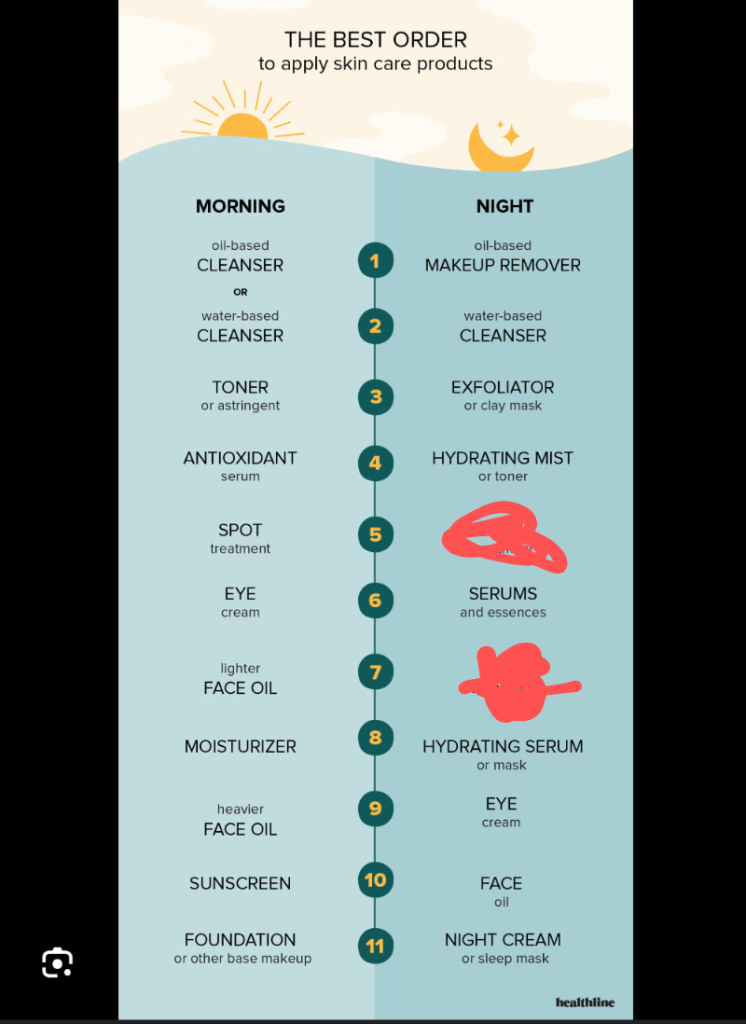
Morning cleansing removes sweat and oils from sleep. Use a gentle cleanser to refresh skin without over-drying. Evening cleansing is crucial to remove makeup, sunscreen, and pollutants. Consider a double cleanse if you wear heavy makeup or sunscreen. Start with an oil-based cleanser, then follow with a water-based one. This keeps skin clean and balanced for the next day.
Credit: www.lemon8-app.com
Exfoliate Gently
Exfoliating gently is a crucial step in your skincare routine that often gets overlooked or rushed. It helps remove dead skin cells, revealing fresh, glowing skin underneath. However, over-exfoliating or using harsh products can cause irritation, redness, and damage your skin’s natural barrier.
Think about the last time you exfoliated—did your skin feel smooth or tight and uncomfortable afterward? Finding the right balance and type of exfoliant can make all the difference in maintaining healthy skin.
Types Of Exfoliants
Exfoliants come in two main forms: physical and chemical. Physical exfoliants use small granules or tools to manually scrub away dead skin. Examples include sugar scrubs, brushes, and exfoliating gloves.
Chemical exfoliants use acids or enzymes to dissolve dead skin cells without scrubbing. Common types are alpha hydroxy acids (AHAs) like glycolic acid, beta hydroxy acids (BHAs) like salicylic acid, and natural enzymes like papaya extract.
Choosing the right type depends on your skin sensitivity and concerns. Sensitive skin often benefits more from gentle chemical exfoliants, while less sensitive skin might tolerate mild physical exfoliation.
Frequency And Timing
How often you exfoliate matters just as much as how you do it. Most skin types respond well to exfoliation 1-3 times per week. Overdoing it can cause dryness and irritation.
Timing also plays a role. Exfoliate after cleansing but before applying serums and moisturizers. If you use chemical exfoliants, apply sunscreen the next day since your skin becomes more sensitive to UV rays.
Ask yourself: Are you exfoliating just to remove flakes, or are you aiming for long-term skin health? Adjust your routine based on how your skin reacts—sometimes less is more.
Tone Your Skin
Toning your skin is a vital step in any skincare routine. It helps balance the skin’s pH after cleansing and prepares it for moisturizing. Toners can refresh your face, remove leftover dirt, and tighten pores. This step leaves your skin feeling clean and smooth, ready for the next products.
Benefits Of Toners
- Removes traces of dirt and cleanser residue
- Restores the skin’s natural pH balance
- Tightens and minimizes the appearance of pores
- Prepares skin to absorb moisturizers better
- Soothes and refreshes tired or irritated skin
Selecting Suitable Toner
Choose a toner based on your skin type. For oily skin, look for ingredients like salicylic acid. Dry skin benefits from hydrating toners with glycerin or aloe vera. Sensitive skin needs alcohol-free formulas with calming ingredients. Avoid harsh chemicals that can cause irritation or dryness.
Apply Serums
Apply serums after cleansing and toning to target specific skin concerns. Serums have a lightweight texture that absorbs quickly. They deliver concentrated ingredients deep into the skin. Using serums can improve hydration, brighten the complexion, and reduce signs of aging.
Common Active Ingredients
Serums contain active ingredients that address different skin needs. Here are some popular ones:
- Vitamin C:Brightens skin and protects against sun damage.
- Hyaluronic Acid:Hydrates and plumps the skin.
- Retinol:Helps reduce wrinkles and smooths texture.
- Niacinamide:Reduces redness and controls oil production.
- Peptides:Boost collagen and improve firmness.
Layering Multiple Serums
Using more than one serum can target several concerns at once. Start with the thinnest serum first. Apply thicker or oil-based serums after. Allow each serum to absorb before adding the next. Avoid mixing too many active ingredients to prevent irritation.
Moisturize Daily
Moisturizing daily is a key part of any skincare routine. It keeps your skin soft and hydrated. Moisturizers help protect the skin barrier and prevent dryness. Applying moisturizer every day supports healthy, glowing skin.
Choosing the right moisturizer depends on your skin type. The right product can improve skin texture and comfort. Using different moisturizers during the day and night can also benefit your skin.
Matching Moisturizer To Skin Type
Choose a moisturizer that fits your skin’s needs. For oily skin, use a light, oil-free lotion. Dry skin needs a thicker cream with hydrating ingredients. Sensitive skin benefits from fragrance-free, gentle formulas. Normal skin can use most types of moisturizers.
Look for ingredients that support your skin type. Hyaluronic acid works well for all skin types. Oils like jojoba or almond suit dry skin. Gel-based moisturizers are good for oily skin.
Daytime Vs Nighttime Moisturizers
Daytime moisturizers protect your skin from sun and pollution. Many include SPF to shield from UV rays. They feel light and absorb quickly to fit under makeup.
Nighttime moisturizers focus on repair and hydration. They are richer and help restore skin while you sleep. Ingredients like retinol and peptides boost skin renewal.
Use both types to support your skin 24/7. Daytime moisturizers protect and hydrate. Night creams repair and nourish deeply.
Protect With Sunscreen
Protecting your skin with sunscreen is a crucial final step in your skincare routine. It shields your skin from harmful UV rays that can cause premature aging, sunburn, and even skin cancer. Applying sunscreen daily helps maintain your skin’s health and keeps your glow intact.
Choosing Spf Levels
Picking the right SPF can be confusing. SPF 30 blocks about 97% of UVB rays, while SPF 50 blocks around 98%. The difference might seem small, but it can be important if you spend long hours outdoors.
If you have fair or sensitive skin, or if you’re prone to sunburn, go for at least SPF 50. For daily indoor activities or short outdoor exposure, SPF 30 is usually enough. Remember, a higher SPF doesn’t mean you can skip reapplying sunscreen.
Reapplication Tips
Applying sunscreen once in the morning isn’t enough. You should reapply every two hours, especially if you’re sweating, swimming, or wiping your face. Carry a travel-size sunscreen for easy touch-ups during the day.
Use about a teaspoon for your face and a shot glass amount for your body. Don’t forget often-missed spots like your ears, neck, and the tops of your hands. How often do you check if your sunscreen has worn off during the day?
Optional Treatments
Optional treatments enhance your skincare routine without daily use. They target specific concerns or provide extra care. Use them based on your skin’s needs and time availability. These treatments boost your skin’s health and appearance effectively.
Face Masks
Face masks deliver concentrated ingredients for deep care. Choose masks based on your skin type and issues.
- Hydrating masks add moisture and soothe dry skin.
- Clay masks absorb oil and clear pores for oily skin.
- Brightening masks help fade dullness and uneven tone.
- Calming masks reduce redness and irritation.
Use masks once or twice a week after cleansing. Follow instructions carefully for best results.
Spot Treatments
Spot treatments focus on problem areas like pimples or blemishes. They contain ingredients that reduce inflammation and heal faster.
- Benzoyl peroxide kills acne-causing bacteria.
- Salicylic acid exfoliates and unclogs pores.
- Tea tree oil offers natural antibacterial benefits.
Apply spot treatments only on affected areas after your serum step. Avoid overuse to prevent dryness or irritation.

Credit: www.bellinispdx.com
Frequently Asked Questions
What Is The Best Order For A Skincare Routine?
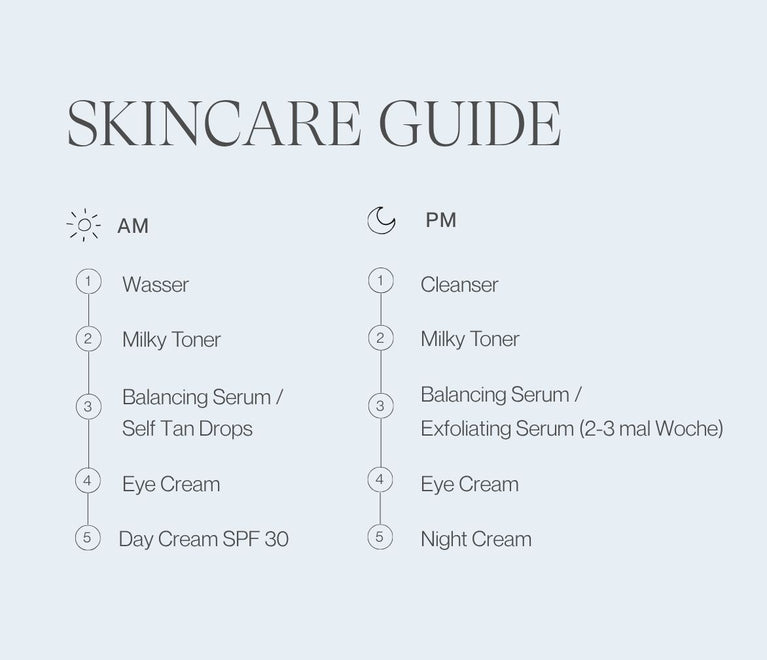
The best skincare routine order is cleanser, toner, serum, moisturizer, and sunscreen. This sequence cleans, treats, hydrates, and protects skin effectively.
Why Should I Use Toner After Cleansing?
Toner removes leftover dirt and balances skin pH. It preps skin to absorb serums and moisturizers better.
When Should I Apply Sunscreen In Skincare Routine?
Apply sunscreen last, after moisturizer, every morning. It protects skin from harmful UV rays and prevents premature aging.
Can I Skip Serum In My Skincare Routine?
Skipping serum is possible but not ideal. Serums deliver concentrated ingredients that target specific skin concerns effectively.
Conclusion
A good skincare routine keeps your skin healthy and fresh. Start with cleansing, then tone, and follow with moisturizer. Don’t forget sunscreen to protect your skin daily. Consistency matters more than using many products. Small steps add up to better skin.
Keep your routine simple and stick to it. Your skin will thank you with a natural glow. Try to listen to your skin’s needs and adjust as needed. Enjoy the process of caring for yourself every day.
