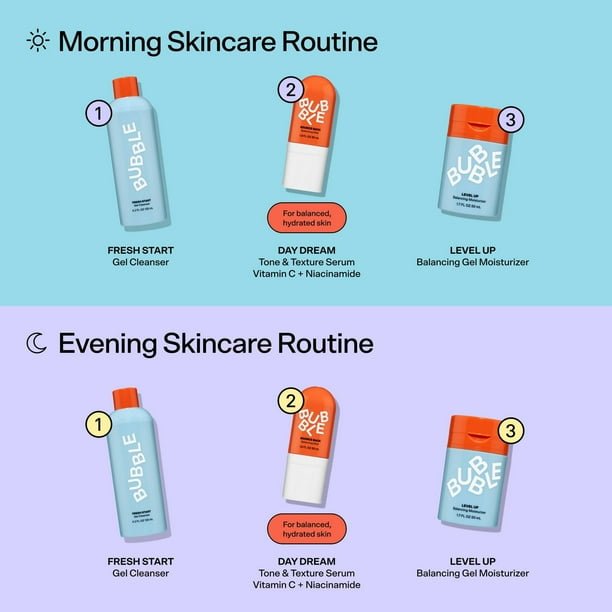
Struggling with oily skin can feel like an endless battle. You wake up hoping today will be different, but by midday, your face gleams with an unwanted shine.
Sound familiar? You’re not alone. Many people face the same challenge, trying countless products and routines without finding the perfect solution. But what if you could turn the tide in your favor? Imagine looking in the mirror and seeing a complexion that feels fresh and balanced all day long.
With the right oily skincare routine, this can become your reality. Dive into the secrets of managing oily skin and discover tips that not only promise results but deliver them. Are you ready to transform your skincare woes into wins? Let’s get started.

Credit: chemistconfessions.com
Causes Of Oily Skin
Oily skin happens when your skin produces too much sebum. Sebum is a natural oil that keeps skin soft and hydrated. But excess oil can make your face look shiny and feel greasy. It can also cause clogged pores and acne. Understanding what causes oily skin helps you manage it better.
Hormonal Influences
Hormones play a big role in oily skin. During puberty, hormone levels rise and increase oil production. Women may notice more oiliness before their periods. Pregnancy and menopause also change hormone levels. These changes can make skin oilier than usual.
Diet And Lifestyle
What you eat affects your skin’s oil levels. Foods high in sugar and fat can boost oil production. Drinking little water can dry out skin, causing more oil to form. Stress increases hormone levels that trigger oil glands. Lack of sleep also impacts skin health.
Environmental Factors
Weather and pollution influence oily skin too. Hot and humid climates make your skin sweat and produce more oil. Pollution clogs pores and irritates skin, causing more oil. Using harsh skincare products can strip skin’s natural oils, causing it to overproduce oil to compensate.
Choosing The Right Cleanser
Choosing the right cleanser is the foundation of an effective oily skincare routine. Your skin’s natural oils need balance, not removal, so the cleanser you pick should cleanse deeply without stripping moisture. It’s about finding that sweet spot where your skin feels fresh but not tight or irritated.
Foaming Vs Gel Cleansers
Foaming cleansers create a rich lather that feels like it’s washing away all the oil and dirt. They’re great if you love the clean, squeaky sensation after washing. But be careful—some foaming formulas can be too harsh and leave your skin dry or irritated.
Gel cleansers usually have a lighter texture and can be more soothing. They often target oiliness without disrupting your skin’s natural barrier. If your skin feels sensitive or you notice redness with foaming cleansers, switching to a gel might make a big difference.
Key Ingredients To Look For
Look for ingredients that control oil without over-drying. Salicylic acid is a superstar—it gently exfoliates inside your pores and reduces breakouts. Niacinamide calms inflammation and controls excess oil production, making it a perfect addition.
Avoid harsh alcohols or fragrances that can irritate oily skin and cause more oil production as a defense. Instead, try cleansers with green tea extract or witch hazel for their natural soothing and balancing effects.
Cleansing Frequency
You might think washing your face multiple times a day will keep oil at bay, but over-cleansing can backfire. Twice a day is usually enough—morning and night.
Pay attention to how your skin reacts. If you feel tightness or dryness, reduce your cleansing frequency or switch to a gentler formula. Your skin’s oil production will thank you for the balance rather than the battle.
Toners That Balance Oil
Toners play a crucial role in managing oily skin by helping to balance excess oil without stripping away essential moisture. Choosing the right toner can prevent breakouts and keep your skin feeling fresh throughout the day. Let’s look at the types of toners that work best for oily skin and how they can fit into your routine.
Alcohol-free Options
Alcohol-free toners are gentle yet effective for oily skin. They avoid the harsh drying effects that alcohol-based toners often cause, which can lead your skin to produce even more oil. Look for products labeled “alcohol-free” with ingredients like witch hazel or chamomile to calm and refresh your skin without irritation.
Natural Astringents
Natural astringents help tighten pores and reduce oiliness without harsh chemicals. Ingredients such as rose water, green tea, and cucumber extract work well to cleanse and tone your skin naturally. Have you noticed how some natural toners can soothe your skin while keeping oil under control? That balance is key to maintaining a healthy complexion.
Hydrating Toners
Hydrating toners might sound counterintuitive for oily skin, but they actually help by maintaining moisture and preventing your skin from overproducing oil. Look for hydrating ingredients like hyaluronic acid or aloe vera. These toners keep your skin plump and balanced, reducing the greasy feel often associated with oily skin.
Moisturizers For Oily Skin
Choosing the right moisturizer for oily skin can feel like walking a tightrope. You want hydration without adding extra shine or clogging your pores. The key is picking products designed specifically to balance oil production while keeping your skin comfortable and healthy.
Lightweight Formulas
Heavy creams can overwhelm oily skin, making it feel greasy and weighed down. Lightweight formulas absorb quickly and leave no residue, making them ideal for daily use. They provide just enough moisture to keep your skin soft without triggering excess oil.
Look for products labeled as “light” or “weightless.” These often include water-based ingredients that hydrate without heaviness. Have you noticed how your skin feels fresher and less shiny after switching to a light moisturizer?
Oil-free And Non-comedogenic
Oily skin needs moisture without the risk of clogged pores or breakouts. Oil-free moisturizers avoid adding any extra oil, helping to prevent that greasy look. Non-comedogenic labels mean the product won’t block your pores, a must for acne-prone skin.
Choosing these can reduce the frequency of pimples and blackheads. Check ingredient lists for terms like “non-comedogenic” and avoid heavy oils like mineral oil or coconut oil. What changes might you see if you cut out pore-clogging ingredients from your routine?
Gel-based Moisturizers
Gel-based moisturizers offer a refreshing alternative to creams. They feel cool on the skin and often contain soothing ingredients like aloe vera or green tea. This type of moisturizer hydrates without any sticky or oily finish.
Many people find gels perfect for humid climates or hot days when heavy products feel uncomfortable. Have you tried gel moisturizers and noticed how they help control shine while keeping your skin calm?
Exfoliation Tips
Exfoliation plays a crucial role in managing oily skin. It helps clear away dead skin cells that can clog pores and worsen oiliness. Knowing how to exfoliate correctly can transform your skincare routine and leave your skin feeling fresh and balanced.
Chemical Vs Physical Exfoliants
Chemical exfoliants use acids like salicylic acid or glycolic acid to dissolve dead skin cells gently. They work beneath the surface, making them ideal if you want to avoid irritation. Physical exfoliants, such as scrubs with tiny beads or brushes, manually remove dead skin but can sometimes be too harsh on oily skin if used too aggressively.
From my experience, switching to a gentle chemical exfoliant reduced breakouts and minimized shine without causing redness. Have you noticed how some scrubs leave your skin feeling raw? That’s a sign to try chemical options instead.
Safe Exfoliation Frequency
Exfoliating too often can strip your skin of natural oils, prompting it to produce even more oil. For oily skin, exfoliating 2 to 3 times a week is usually enough. Pay attention to how your skin reacts; if it feels tight or irritated, cut back.
Using a mild exfoliant regularly helped me keep my skin smooth without triggering extra oil production. How often do you exfoliate now, and have you checked if your skin feels balanced after?
Benefits For Oil Control
Regular exfoliation helps unclog pores and reduces the buildup of excess oil and dirt. This can lead to fewer breakouts and a clearer complexion. It also improves the effectiveness of other products by allowing them to penetrate deeper into your skin.
Adding exfoliation into your routine might be the missing step you need to control shine throughout the day. Have you noticed how your moisturizer works better on freshly exfoliated skin?
Sun Protection Without Shine
Sun protection is essential for oily skin, but many sunscreens leave a shiny, greasy finish. This can feel uncomfortable and cause makeup to slide off. Choosing the right product helps keep skin safe without adding shine. Lightweight formulas and matte finishes work best for a fresh, clean look all day.
Matte Finish Sunscreens
Matte finish sunscreens absorb excess oil and reduce shine. They create a smooth, velvety surface that feels light on the skin. These sunscreens often contain ingredients like silica or clay to control oil. They prevent the skin from looking greasy while providing strong sun protection. Ideal for oily skin types, they help maintain a natural, shine-free appearance.
Non-greasy Formulas
Non-greasy sunscreens avoid heavy oils and thick creams. They use water-based or gel textures that absorb quickly. These formulas do not clog pores or cause breakouts. Many include mattifying agents to keep the skin dry. Using non-greasy sunscreens reduces the risk of shine and discomfort. Look for labels that say “oil-free” or “non-comedogenic” for best results.
Application Tips
- Apply sunscreen on clean, dry skin before makeup.
- Use a small amount and spread evenly across your face.
- Allow sunscreen to fully absorb for a few minutes.
- Blot excess oil with a tissue if needed after application.
- Reapply sunscreen every two hours, especially when outdoors.
Following these tips helps sunscreen blend seamlessly. It keeps oily skin protected without shine or stickiness. Consistent use supports healthy, matte skin under the sun.
Lifestyle Habits For Clear Skin
Clear skin doesn’t just come from your skincare products; it reflects your everyday habits. How you eat, handle stress, and hydrate can either help your oily skin stay balanced or make it worse. Paying attention to these lifestyle habits can make your skincare routine more effective and your skin visibly healthier.
Healthy Diet Choices
Your skin reacts quickly to what you put on your plate. Foods high in sugar and dairy often increase oil production and cause breakouts. Instead, try adding more fresh vegetables, fruits, and whole grains to your meals.
Omega-3 fatty acids found in fish, walnuts, and flaxseeds help reduce inflammation and control excess oil. Have you noticed that greasy fast food tends to make your skin feel oilier? Swapping those for balanced meals can calm your skin down.
Managing Stress
Stress triggers hormones that can make your skin produce more oil. When I started practicing simple breathing exercises daily, I saw fewer breakouts within weeks.
Find what relaxes you—whether it’s meditation, walking, or listening to music—and make it part of your routine. What small change can you make today to reduce your stress and help your skin?
Proper Hydration
Drinking enough water helps flush out toxins and keeps your skin balanced. When your body is dehydrated, your skin may produce more oil to compensate.
Try to drink at least 8 glasses of water daily. Carry a water bottle with you and set reminders if you often forget. Notice how your skin feels more refreshed and less greasy when you stay hydrated consistently.

Credit: www.reddit.com
Makeup Tips For Oily Skin
Managing makeup with oily skin can feel like a balancing act. You want your makeup to stay put without sliding off or looking greasy. Choosing the right products and techniques can make all the difference in keeping your look fresh and matte throughout the day.
Oil-free Foundations
Oil-free foundations are a game-changer for oily skin. They provide coverage without adding extra shine or clogging pores. Look for labels that say “non-comedogenic” and “matte finish” to avoid breakouts and excess oil.
Many brands now offer lightweight formulas that feel comfortable and breathable. If you’ve ever felt your foundation melting off by midday, switching to an oil-free option might be the solution you need. Have you tried gel or powder foundations? They often work better than creamy ones for oily skin.
Setting Powders And Sprays
Setting powders help lock your makeup in place and absorb excess oil. Choose translucent powders with mattifying properties to avoid cakey buildup. Apply lightly with a fluffy brush, focusing on your T-zone where oil tends to be heaviest.
Setting sprays add an extra layer of hold and can refresh your makeup during the day. Look for sprays designed specifically for oily skin—they often contain ingredients that control shine and reduce sweat. Ever felt the frustration of your makeup smudging after a long day? A good setting spray can prevent that.
Removing Makeup Thoroughly
Thorough makeup removal is essential for oily skin to prevent clogged pores and breakouts. Use a gentle, oil-free cleanser or micellar water that effectively removes makeup without stripping your skin. Double cleansing can be very effective—first with an oil-based cleanser to break down makeup, then a water-based one to clean pores.
Don’t rush this step. Leaving residue can make your skin oilier and prone to acne. Have you noticed how your skin feels after skipping makeup removal? Taking the time to cleanse properly can improve your skin’s balance dramatically.

Credit: www.eraorganics.com
Frequently Asked Questions
What Is The Best Cleanser For Oily Skin?
A gentle foaming cleanser works best for oily skin. It removes excess oil without stripping moisture. Look for ingredients like salicylic acid to unclog pores and control shine effectively.
How Often Should I Moisturize Oily Skin?
Moisturize oily skin twice daily—morning and night. Choose a lightweight, oil-free moisturizer to hydrate without clogging pores. Proper hydration balances oil production and keeps skin healthy.
Can Oily Skin Benefit From Exfoliation?
Yes, oily skin benefits from exfoliation 2-3 times weekly. Use a gentle exfoliant with salicylic acid or glycolic acid. It removes dead skin cells and prevents clogged pores and breakouts.
Should I Use Toner In An Oily Skincare Routine?
Yes, toners help remove residual oil and dirt. Choose alcohol-free toners with soothing ingredients like witch hazel or niacinamide. They balance skin pH and reduce shine without irritation.
Conclusion
Caring for oily skin needs patience and simple steps. Cleanse gently to avoid extra oil production. Use lightweight moisturizers that keep skin soft. Don’t skip sunscreen to protect your skin daily. Avoid harsh products that may cause irritation or dryness.
Consistency is key to see clear, healthy skin. Small changes can lead to better skin balance. Keep your routine simple and stick with it. Healthy skin is possible with the right care.
