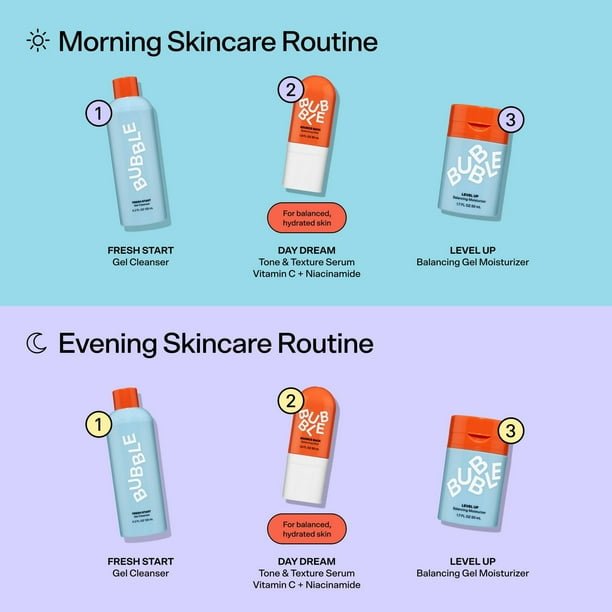
Are you tired of battling unwanted shine and persistent breakouts? If oily skin has become your daily struggle, you’re not alone.
Many people find themselves frustrated with the constant need to blot and the search for that perfect skincare routine. But here’s the exciting part: you’re just steps away from transforming your skin into the clear, balanced canvas you’ve always wanted.
Imagine waking up each day to a complexion that feels fresh and looks radiant. Intrigued? Dive into this guide to uncover the secrets of an effective oily skincare routine that will leave you feeling confident and in control.

Credit: www.eraorganics.com
Causes Of Oily Skin
Oily skin happens when the skin produces too much sebum. Sebum is an oily substance made by glands under the skin. It helps protect and moisturize the skin. But too much sebum can make the skin shiny and cause clogged pores. Several causes make the skin produce extra oil. Understanding these causes helps manage oily skin better.
Genetic Factors
Oily skin can run in families. Genes control how much oil your skin produces. Some people inherit skin that makes more oil than others. If your parents have oily skin, you might have it too. Genetics affect the size and activity of oil glands. Larger or more active glands create more oil. This is why oily skin often starts early in life.
Hormonal Influences
Hormones play a big role in oil production. Androgens are hormones that increase during puberty. They signal oil glands to produce more sebum. Hormone changes during menstruation, pregnancy, or stress also boost oil. This causes the skin to become oilier at certain times. Hormonal imbalances can make oily skin worse or cause breakouts.
Environmental Triggers
Outside factors can increase oil on the skin. Hot and humid weather makes oil glands work harder. Pollution and dirt can clog pores and cause skin to react. Using harsh skin products can strip natural oils. Then the skin tries to make more oil to compensate. Overwashing or scrubbing the skin can also trigger more oil production.
Choosing The Right Cleanser
Choosing the right cleanser is a game-changer for oily skin. It can clear excess oil without stripping your skin’s natural moisture. The cleanser you pick sets the tone for your entire skincare routine, so making the right choice matters more than you might think.
Foaming Vs Gel Cleansers
Foaming cleansers create a rich lather that feels refreshing and deep-cleans pores. They’re great if you want that clean, squeaky feeling after washing. However, some foaming cleansers can be too harsh, causing your skin to produce even more oil to compensate.
Gel cleansers are usually lighter and less drying. They work well to remove oil and impurities without stripping your skin. If you’ve experienced tightness or irritation from foaming cleansers, switching to a gel might calm your skin while still controlling shine.
Ingredients To Look For
Focus on ingredients that balance oil production and soothe inflammation. Salicylic acid is a superstar for oily skin, as it penetrates pores and helps clear blockages.
Niacinamide reduces redness and regulates oil production, making it a gentle, effective option. Avoid cleansers with heavy fragrances or alcohol, as they can aggravate your skin and cause more oiliness.
- Salicylic Acid:Unclogs pores and reduces breakouts
- Niacinamide:Controls oil and calms irritation
- Tea Tree Oil:Natural antibacterial, but use cautiously if you have sensitive skin
- Glycerin:Hydrates without adding oiliness
How Often To Cleanse
It might seem like washing your face more often will keep oil at bay, but over-cleansing can backfire. Twice a day is usually enough—once in the morning and once at night.
Too frequent cleansing strips your skin’s barrier, triggering excess oil production. Listen to your skin: if it feels tight or dry, you might be cleansing too much or using a cleanser that’s too strong.
Effective Exfoliation Tips
Exfoliation plays a key role in managing oily skin. It helps clear clogged pores and reduces shine, but it needs to be done carefully. Knowing the right exfoliation approach can make a big difference in your skincare routine.
Chemical Vs Physical Exfoliants
Chemical exfoliants use acids or enzymes to dissolve dead skin cells gently. Ingredients like salicylic acid are perfect for oily skin because they penetrate pores and reduce excess oil.
Physical exfoliants rely on scrubbing particles or brushes. While they can remove surface buildup, they may irritate oily skin if used too harshly.
Choosing chemical exfoliants often leads to smoother skin without the redness or micro-tears that rough scrubs can cause. Have you noticed how your skin reacts to scrubs versus serums?
Recommended Frequency
Exfoliating too often can backfire by increasing oil production. For oily skin, 2 to 3 times a week is usually enough to keep pores clear and skin balanced.
If you use strong chemical exfoliants, start with once a week and observe your skin’s response. Adjust based on how your skin feels—tightness or irritation means you should cut back.
Consistency is better than frequency. Would you rather have a gentle, steady routine or aggressive exfoliation that causes flare-ups?
Avoiding Over-exfoliation
Over-exfoliation damages your skin’s natural barrier, causing more oiliness and sensitivity. Watch out for signs like redness, dryness, or persistent breakouts.
Use gentle cleansers and moisturizers alongside exfoliation to support your skin’s health. Your skin needs balance—not punishment.
Listening to your skin’s signals can prevent damage. Have you checked your skin lately to see if it’s asking for a break?
Moisturizing Without The Grease
Moisturizing oily skin can feel tricky. The goal is to keep skin hydrated without extra shine or heaviness. Choosing the right moisturizer helps balance oil and moisture. This keeps skin soft and fresh all day.
Lightweight Formulas
Lightweight moisturizers absorb quickly and feel airy on the skin. They prevent clogged pores and reduce greasy buildup. Gel-based and water-based creams work well. These formulas hydrate without adding weight or stickiness.
Oil-free Options
Oil-free moisturizers avoid extra oils that can cause breakouts. They keep skin clear and smooth. Look for products labeled “non-comedogenic.” These do not block pores or increase shine. Perfect for oily and acne-prone skin types.
Hydrating Ingredients
Some ingredients hydrate deeply without oil. Hyaluronic acid pulls moisture into skin layers. Glycerin helps skin hold water for long-lasting softness. Aloe vera soothes and calms irritated skin. These ingredients support moisture without grease.
Sun Protection For Oily Skin
Protecting oily skin from the sun is essential. Sun exposure can cause breakouts and make oiliness worse. Choosing the right sunscreen helps keep skin clear and safe. Some sunscreens can clog pores, so oily skin needs special care. The following tips focus on protecting oily skin without causing shine or acne.
Non-comedogenic Sunscreens
Non-comedogenic sunscreens do not block pores. They allow skin to breathe and reduce breakouts. Look for labels that say “oil-free” and “non-comedogenic.” Ingredients like zinc oxide and titanium dioxide are gentle and effective. Avoid heavy creams and greasy formulas that add shine.
Matte Finish Products
Matte finish sunscreens control oil and reduce shine. These products keep skin looking fresh all day. They absorb excess oil and give a smooth look. Many mattifying sunscreens include ingredients like silica or clay. These help keep your face dry and comfortable under the sun.
Reapplication Tips
Reapply sunscreen every two hours, especially outdoors. Use a powder sunscreen or spray to refresh without adding oil. Carry a small bottle or compact for easy touch-ups. Avoid rubbing your face harshly to prevent irritation. Consistent reapplication ensures full sun protection.

Credit: www.reddit.com
Targeted Treatments For Shine Control
Controlling shine is key for oily skin care. Targeted treatments help manage excess oil throughout the day. They keep skin matte and fresh without stripping moisture. These treatments work alongside your daily routine for better results.
Blotting Papers And Powders
Blotting papers absorb oil without disturbing makeup. Carry them in your bag for quick touch-ups. Press gently on oily areas to remove shine.
Oil-control powders set makeup and reduce shine. Use a light layer on your T-zone or cheeks. They help keep skin looking smooth and matte all day.
Oil-control Serums
Oil-control serums balance skin’s oil production. They contain ingredients like niacinamide or salicylic acid. Apply a few drops after cleansing and before moisturizer.
These serums calm inflammation and shrink pores. Regular use helps reduce oily shine and improves skin texture.
Clay Masks
Clay masks draw out impurities and excess oil. Use once or twice a week for deep cleansing. They help clear pores and reduce shine.
Choose masks with kaolin or bentonite clay. These ingredients absorb oil and refresh the skin. Avoid overuse to keep skin from drying out.
Lifestyle Habits To Reduce Oiliness
Managing oily skin goes beyond just skincare products. Your daily habits affect how much oil your skin produces. Small lifestyle changes can help reduce shine and improve skin health. Focus on diet, stress, and hydration to support your oily skin routine.
Dietary Considerations
Your diet impacts your skin’s oil levels. Eating high-glycemic foods like white bread and sweets can increase oil production. Choose foods with low glycemic index such as whole grains and vegetables. Healthy fats from nuts, seeds, and fish help balance skin oils.
- Limit sugary and fried foods.
- Eat more fruits and vegetables.
- Include omega-3 rich foods like salmon.
- Drink green tea for its antioxidants.
Stress Management
Stress triggers hormones that increase oil production. Managing stress keeps your skin calmer and less oily. Simple relaxation methods work well to reduce stress levels. Find time to practice deep breathing or take short walks.
- Try meditation or yoga.
- Take breaks during busy days.
- Get enough sleep every night.
- Talk to friends or family for support.
Proper Hydration
Drinking enough water helps skin stay balanced. Dehydrated skin may produce more oil to compensate. Aim to drink at least eight glasses of water daily. Herbal teas and water-rich fruits also aid hydration.
- Carry a water bottle to remind yourself.
- Eat cucumbers, watermelon, and oranges.
- Limit caffeinated drinks that dry skin.
- Hydrate consistently throughout the day.

Credit: chemistconfessions.com
Frequently Asked Questions
What Is The Best Cleanser For Oily Skin?
A gentle foaming cleanser works best for oily skin. It removes excess oil without stripping moisture. Look for ingredients like salicylic acid to prevent breakouts and control shine effectively.
How Often Should Oily Skin Be Moisturized?
Oily skin needs hydration twice daily. Use a lightweight, oil-free moisturizer to balance skin’s moisture without clogging pores. Proper hydration helps regulate oil production and keeps skin healthy.
Can Oily Skin Benefit From Exfoliation?
Yes, exfoliating 2-3 times a week removes dead skin cells and unclogs pores. Use a gentle chemical exfoliant with AHAs or BHAs. This prevents acne and improves skin texture without irritation.
Should Oily Skin Use Sunscreen Daily?
Absolutely, daily sunscreen is essential. Choose a non-comedogenic, matte-finish sunscreen to protect skin from UV damage without increasing oiliness. Sunscreen helps prevent pigmentation and premature aging in oily skin.
Conclusion
Taking care of oily skin needs a clear, simple routine. Choose gentle cleansers that do not dry your face. Use lightweight moisturizers to keep skin balanced. Apply sunscreen daily to protect against damage. Avoid heavy creams that can clog pores.
Remember, patience helps your skin adjust and improve. Stick to the routine and watch your skin glow. Small steps lead to healthier, fresher skin every day.
