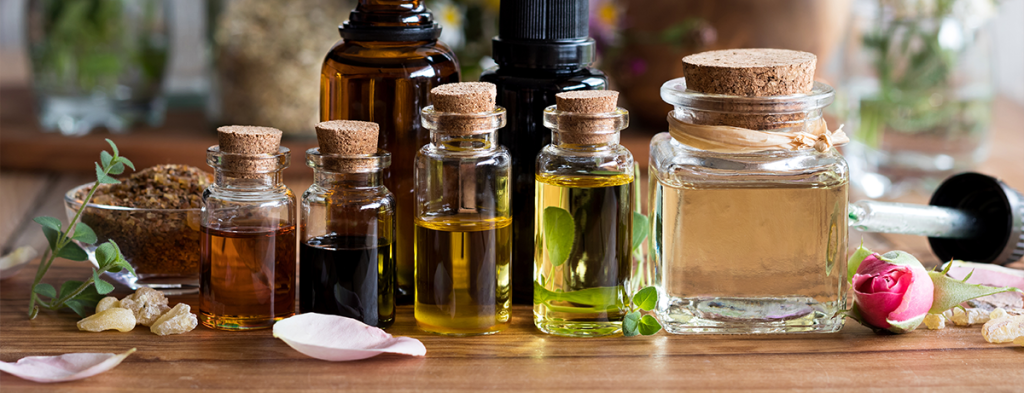
Are you looking for a simple way to boost your skin’s health and glow? Oils for skin might be the secret you’ve been missing.
Whether your skin is dry, oily, or somewhere in between, the right oil can make a huge difference. Imagine a natural ingredient that hydrates, nourishes, and protects your skin all at once. Curious to find out which oils work best for you and how to use them?
Keep reading—you’re about to discover how these oils can transform your skincare routine and reveal your most radiant skin yet.
Benefits Of Skin Oils
Skin oils are natural and effective for healthy, glowing skin. They nourish deeply and protect the skin barrier. Using skin oils regularly improves skin texture and appearance. Oils offer many benefits beyond simple moisture. They support skin health in gentle and lasting ways.
Hydration And Moisture Lock
Skin oils create a barrier that locks in moisture. This prevents water loss from the skin’s surface. Oils help dry skin feel soft and smooth. They keep the skin hydrated for longer periods. Using oils after cleansing seals in moisture effectively.
Anti-aging Properties
Many skin oils contain antioxidants that fight free radicals. These antioxidants reduce fine lines and wrinkles. Oils boost skin elasticity and firmness. Regular use can slow signs of aging. They improve skin’s youthful appearance naturally.
Balancing Skin Tone
Oils help even out skin tone by reducing redness and dark spots. They support skin cell renewal for a brighter complexion. Some oils lighten pigmentation and calm uneven areas. Balanced skin tone looks healthy and radiant.
Soothing Irritation
Skin oils calm redness and irritation quickly. They reduce inflammation and promote healing. Oils are gentle and safe for sensitive skin. They relieve itchiness and discomfort effectively. Using oils soothes the skin and restores comfort.

Credit: www.clarins.ca
Types Of Oils For Different Skin Types
Choosing the right oil for your skin can make a huge difference in your skincare routine. Not all oils suit every skin type, so understanding which oils match your skin needs is key. Let’s break down the best oils for different skin types to help you find your perfect match.
Oils For Dry Skin
If your skin feels tight, flaky, or rough, dry skin oils can help restore moisture and softness. Look for oils rich in fatty acids like argan oilor sweet almond oil. These oils deeply nourish and create a protective barrier, locking in hydration throughout the day.
Many people with dry skin notice a quick improvement by adding a few drops of rosehip oilat night. It not only hydrates but also helps reduce fine lines. Have you tried switching to nourishing oils yet?
Oils For Oily Skin
Oily skin needs oils that balance sebum production without clogging pores. Lightweight options like grapeseed oilor jojoba oilwork well because they mimic your skin’s natural oils. These oils absorb quickly and can even help reduce breakouts.
It might sound strange, but applying certain oils can actually signal your skin to produce less oil. How often do you let your skin breathe with the right oil?
Oils For Sensitive Skin
Sensitive skin calls for gentle, soothing oils to calm irritation and redness. Calendula oiland chamomile oilare excellent choices because of their anti-inflammatory properties. These oils help strengthen your skin’s barrier without causing flare-ups.
When I switched to sensitive skin oils, I noticed less redness and fewer reactions to other products. What oils have you found gentle enough for your skin?
Oils For Combination Skin
Combination skin can be tricky, needing oils that hydrate dry areas without making oily zones greasy. Marula oiland rosehip oilstrike a good balance by being nourishing yet light. They help even out your skin texture and give a natural glow.
Using the right oil for combination skin can reduce the need for multiple products. Have you tried simplifying your routine with a single versatile oil?
Popular Oils And Their Uses
Oils have been used for skin care for centuries. They nourish, protect, and improve the skin’s texture. Different oils suit different skin types and needs. Knowing the popular oils helps you choose the right one.
Each oil offers unique benefits. Some hydrate deeply, while others fight acne or reduce wrinkles. Let’s explore some well-known oils and their uses.
Argan Oil
Argan oil is rich in vitamin E and fatty acids. It hydrates dry skin and adds a natural glow. This oil absorbs quickly and does not leave a greasy feel. It also helps reduce fine lines and softens rough patches.
Jojoba Oil
Jojoba oil closely resembles the skin’s natural oils. It balances oil production and soothes irritated skin. This oil works well for acne-prone skin as it does not clog pores. It also provides gentle hydration and reduces redness.
Rosehip Oil
Rosehip oil is packed with antioxidants and vitamins A and C. It helps fade scars and even out skin tone. This oil promotes skin regeneration and fights signs of aging. Use it to brighten dull skin and reduce wrinkles.
Marula Oil
Marula oil is lightweight and rich in antioxidants. It hydrates deeply without feeling heavy. This oil protects skin from environmental damage and improves elasticity. It is ideal for dry and mature skin types.
Tea Tree Oil
Tea tree oil has strong antibacterial and anti-inflammatory properties. It helps fight acne and prevents breakouts. Use it diluted to soothe irritated or oily skin. This oil also calms redness and reduces swelling.
How To Apply Oils Correctly
Applying oils to your skin needs a gentle, thoughtful approach. Proper use helps oils absorb better and improve skin health. Follow simple steps for best results and avoid common mistakes. This guide shows how to use oils correctly for a glowing complexion.
Choosing The Right Time
Apply oils on clean, slightly damp skin. This helps the oil lock in moisture. Use oils after cleansing and toning your face. Nighttime is ideal because skin repairs while you sleep. Morning use works well if you plan to stay indoors or wear sunscreen.
Application Techniques
Warm a few drops of oil between your palms. Gently press the oil into your skin. Avoid rubbing hard to prevent irritation. Use upward, circular motions on your face and neck. Patting helps the oil absorb deeply into the skin layers.
Layering With Other Products
Apply lighter products before heavier oils. Start with serums or moisturizers. Finish with oils to seal in moisture. Oils can act as the last step in your routine. Wait a few minutes between layers to let each absorb well.
Common Myths About Skin Oils
Many people hesitate to use skin oils because of common myths. These myths cause confusion and stop people from enjoying the benefits of oils. Understanding the truth helps make better choices for skin care. Let’s explore some common myths about skin oils.
Oils Cause Acne
Many believe oils clog pores and cause acne. This is not always true. Some oils are non-comedogenic, meaning they do not block pores. Oils like jojoba and argan can even help balance skin oil production. Acne forms from bacteria and excess oil, not oils alone. Choosing the right oil matters for clear skin.
Oils Are Only For Dry Skin
Oils suit all skin types, not just dry skin. Oily and combination skin can benefit from lightweight oils. These oils can control shine and calm inflammation. Using oils can help maintain skin’s natural moisture barrier. Dry skin is not the only skin type that needs extra hydration.
Oils Make Skin Greasy
Oils do not always leave a greasy feel. Many skin oils absorb quickly without residue. Proper application and small amounts prevent greasiness. Some oils even give a matte finish after absorption. The right oil can leave skin soft and smooth, not oily.

Credit: www.amazon.ca
Diy Oil Blends For Glowing Skin
Creating your own oil blends can brighten your skin naturally. These blends hydrate deeply and bring a soft glow. You control the ingredients, tailoring them to your skin’s needs. A simple mix can refresh tired, dull skin. Oils also calm irritation and balance moisture levels.
Customizing For Skin Needs
Choose oils based on your skin type. For dry skin, use richer oils like avocado or almond oil. Oily skin benefits from lighter oils such as grapeseed or jojoba oil. Sensitive skin needs gentle oils like chamomile or calendula. Mix oils to suit your personal skin condition. Test a small amount before full use to avoid reactions.
Essential Oils To Add
Add essential oils for extra benefits and scent. Lavender soothes and calms the skin. Tea tree oil fights acne and bacteria. Rosehip oil helps with scars and fine lines. Geranium balances oil production. Use only a few drops per ounce of carrier oil. Avoid using essential oils undiluted on skin.
Storage Tips
- Store blends in dark glass bottles to protect from light.
- Keep oils in a cool, dry place to maintain freshness.
- Label your blends with the date made and ingredients.
- Use within 3 to 6 months for best results.
- Shake well before each use to mix the oils again.
Precautions And Allergy Tips
Using oils on skin requires care to prevent allergies and irritation. Knowing precautions helps protect sensitive skin and enjoy benefits safely. Follow simple tips to check reactions and avoid harmful effects.
Patch Testing
Apply a small amount of oil on your wrist or behind the ear. Wait for 24 hours to see any redness, itching, or swelling. This test shows if your skin reacts negatively. Avoid oils that cause irritation or discomfort.
Avoiding Irritants
Choose pure, natural oils without added chemicals or fragrances. Avoid oils known to cause allergies like nut-based oils if you have nut allergies. Use oils suitable for your skin type to reduce irritation risks.
Consulting A Dermatologist
Seek advice from a skin doctor before starting new oils, especially for sensitive or problem skin. Dermatologists help identify safe products and prevent allergic reactions. Professional guidance ensures better skin health and safety.

Credit: www.amazon.ca
Frequently Asked Questions
What Are The Best Oils For Dry Skin?
The best oils for dry skin include jojoba, argan, and avocado oil. These oils deeply hydrate and nourish. They restore moisture and improve skin softness. They also protect the skin barrier from dryness and irritation.
Can Oils Help Reduce Acne And Breakouts?
Yes, certain oils like tea tree and rosehip reduce acne. They have antibacterial and anti-inflammatory properties. These oils help control excess oil and soothe irritated skin. Using non-comedogenic oils prevents clogged pores and breakouts.
How Do Oils Benefit Aging Skin?
Oils rich in antioxidants, like rosehip and marula, fight aging. They boost collagen production and improve skin elasticity. These oils reduce fine lines and wrinkles. They also hydrate and protect skin from environmental damage.
Are Facial Oils Suitable For Oily Skin Types?
Yes, lightweight oils like grapeseed and squalane suit oily skin. They balance sebum production and prevent excess shine. These oils absorb quickly without clogging pores. Using the right oils can improve oily skin texture.
Conclusion
Exploring oils for skin can be a rewarding journey. Each oil offers unique benefits. Choose oils that suit your skin type. Some hydrate, others soothe irritation. Natural oils are gentle on the skin. They can enhance your skincare routine effectively.
Consistency is key for best results. Patch test oils before use. This ensures they work well for you. Enjoy the natural glow oils provide. Your skin deserves care and attention. Embrace nature’s gifts for healthier skin.
