Imagine unlocking the secret to soft, glowing skin with just a few drops of nature’s elixir. That’s right, we’re talking about oil—specifically, oil for your skin.
You might be wondering how something so simple can transform your skin care routine, but here’s the exciting part: oils are packed with nutrients that your skin craves. They can hydrate, rejuvenate, and even protect your skin from the harsh elements.
Intrigued? Stay with us as we delve into why incorporating oil into your skin care routine could be the game-changer you’ve been searching for. Get ready to discover how you can achieve that radiant complexion you’ve always dreamed of.
Benefits Of Oil For Skin
Using oil for your skin can change how your skin feels and looks. Oils provide essential nutrients and help your skin maintain its natural balance. They work gently to improve skin health without harsh chemicals or heavy products.
Hydration And Moisture
Oils lock in moisture by creating a protective barrier on your skin. This helps prevent water loss, keeping your skin soft and smooth throughout the day. If you struggle with dry patches, adding a few drops of oil after cleansing can make a noticeable difference.
Not all oils are greasy—light oils like jojoba absorb quickly, leaving your skin hydrated without feeling heavy. Have you tried replacing your thick creams with a natural oil? You might be surprised how much more comfortable your skin feels.
Anti-aging Effects
Many oils contain antioxidants and vitamins that fight free radicals, the main cause of premature aging. Regular use can reduce fine lines and improve skin elasticity. For example, rosehip oil is rich in vitamin C, which brightens your complexion and supports collagen production.
Using oil daily can be a simple way to keep your skin youthful without expensive treatments. What if a small change in your routine could slow down visible aging?
Balancing Skin’s Natural Oils
Oils can actually help control oily skin by signaling your skin to produce less oil. This may sound strange, but light oils like grapeseed or argan can balance your skin’s natural production. This reduces shine and helps prevent clogged pores.
If you’ve tried drying out oily skin before, you know it often backfires. Adding the right oil can stop that cycle and keep your skin calm and clear. Have you given your skin a chance to reset with a balancing oil?
Soothing Irritation And Redness
Certain oils have anti-inflammatory properties that calm irritated skin and reduce redness. Calendula and chamomile oils are great for sensitive or inflamed skin, offering relief without harsh chemicals. Applying these oils regularly can soothe eczema, rosacea, or sunburn symptoms.
When your skin feels uncomfortable, reaching for a natural oil might be the gentle solution you need. How often do you consider oils as part of your skincare for sensitive skin?

Credit: www.clarins.ca
Types Of Skin Oils
Skin oils come in different types, each serving a unique purpose for your skin’s health and appearance. Understanding the differences helps you pick the right oil that suits your skin type and needs. Let’s break down the main types of skin oils to help you make an informed choice.
Carrier Oils
Carrier oils are the base oils used to dilute essential oils before applying them to the skin. They are gentle, nourishing, and can be used alone to moisturize your skin. Popular carrier oils include jojoba, sweet almond, and coconut oil.
Jojoba oil closely mimics your skin’s natural oils, making it great for oily and acne-prone skin. Sweet almond oil is rich in vitamins and perfect for dry or sensitive skin. Coconut oil provides deep hydration but might clog pores for some skin types, so patch test first.
Essential Oils
Essential oils are concentrated plant extracts known for their therapeutic properties. You should never apply them directly to your skin without diluting because they can cause irritation. Instead, mix a few drops with a carrier oil for safe use.
Tea tree oil is famous for its antibacterial power and works well on acne-prone skin. Lavender oil helps soothe irritation and promotes healing. Do you know which essential oil fits your skin concerns? Trying a small patch test can reveal surprising results.
Blended Oils
Blended oils combine carrier and essential oils to deliver multiple benefits in one product. These blends are often tailored for specific skin types or problems, like anti-aging or calming irritated skin. Choosing a blend can save time and provide a balanced skincare experience.
Look for blends with ingredients like rosehip (for regeneration) and chamomile (for calming). They offer both hydration and targeted care without the hassle of mixing yourself. Have you tried a blended oil that transformed your skincare routine?
Choosing The Right Oil
Choosing the right oil for your skin can make a big difference in how your skin looks and feels. Not all oils are created equal, and picking one that matches your skin type is key to avoiding breakouts, dryness, or irritation. Have you ever tried an oil that seemed perfect but ended up causing more harm than good? Let’s break down which oils work best for different skin types so you can make a smart choice.
Oils For Dry Skin
If your skin feels tight or flaky, you need oils that provide deep hydration and lock in moisture. Look for heavier oils like argan oilor avocado oil. These oils penetrate well and help repair the skin barrier.
Applying these oils at night can turn your dry skin from rough to smooth by morning. Have you noticed how some oils leave a greasy feel? Argan oil absorbs quickly, giving you softness without the shine.
Oils For Oily Skin
It might sound odd, but oily skin can benefit from oils too. The trick is to pick lightweight, non-comedogenic oils that won’t clog pores. Jojoba oilis a favorite because its composition closely resembles your skin’s natural oils.
Another option is grapeseed oil, which helps control excess oil and has antioxidant properties. Using these oils can balance oil production rather than adding to the problem. When was the last time you let an oil actually calm your oily skin?
Oils For Sensitive Skin
For sensitive skin, the goal is to avoid irritation and soothe redness. Choose gentle oils like calendula oilor rosehip oil. These oils have anti-inflammatory and healing properties that calm sensitive skin.
Patch testing is crucial here. Even natural oils can cause reactions, so start with a small amount. How often do you check ingredients to avoid potential irritants?
Oils For Combination Skin
Combination skin can be tricky since it has both dry and oily areas. You want an oil that hydrates without making oily zones worse. Marula oilis great because it balances moisture and absorbs well.
Squalane oilis another excellent choice that works with your skin’s natural oils. You can apply these oils selectively to different areas if needed. Have you tried using different oils on your face or just one all over?
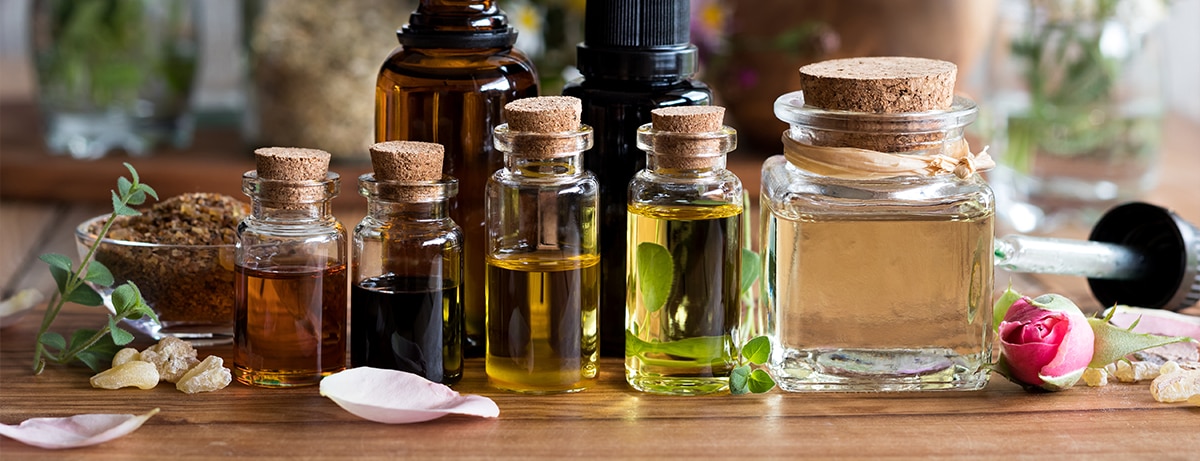
Credit: www.hollandandbarrett.com
How To Apply Skin Oils
Applying skin oils correctly enhances their benefits and keeps your skin healthy. The right method helps oils absorb better and prevents clogged pores. Follow simple steps for smooth, glowing skin.
Best Time To Apply
Apply skin oils after cleansing and toning your face. The skin should be slightly damp to lock in moisture. Use oils before heavier creams or sunscreen for better absorption. Nighttime is ideal for deep hydration and repair. Morning use adds a protective layer against dryness.
Application Techniques
- Warm a few drops of oil between your palms.
- Gently press the oil onto your face and neck.
- Use upward, circular motions for even spread.
- Avoid rubbing to prevent skin irritation.
- Pat around delicate areas like under the eyes.
Layering With Other Skincare Products
Apply lighter products first, like serums or essences. Follow with skin oil to seal in moisture. Oils create a barrier that locks hydration. Avoid mixing oils directly with water-based products. Wait a few minutes between layers for better absorption.
Common Myths About Skin Oils
Skin oils often face many misunderstandings. These myths stop people from using oils that could help their skin. Clearing up these myths helps us see the true benefits of oils.
Oils Cause Acne
Many think oils block pores and cause pimples. This is not always true. Some oils, like jojoba and tea tree, help reduce acne. They balance skin’s natural oils and calm inflammation. Choosing non-comedogenic oils avoids clogging pores.
Oils Make Skin Greasy
People believe oils leave a heavy, greasy feel. Quality oils absorb quickly and leave skin soft. Oils like argan or rosehip hydrate without shine. Using the right amount prevents greasiness and keeps skin smooth.
More Oil Means Better Results
Applying too much oil can overload skin and cause issues. A few drops are enough for most skin types. Overusing oil can block pores and cause breakouts. Consistent, light use works best for glowing skin.
Diy Oil Blends For Glowing Skin
Creating your own oil blends can boost your skin’s natural glow. These blends target specific skin needs. Use simple ingredients found at home or local stores. Mixing oils allows control over what touches your skin. Customize blends for dryness, oiliness, or sensitivity.
Nourishing Blend For Dryness
This blend deeply moisturizes and softens dry skin. Use oils rich in fatty acids and vitamins.
- 2 tablespoons of sweet almond oil
- 1 tablespoon of jojoba oil
- 5 drops of rosehip seed oil
- 3 drops of lavender essential oil
Mix oils in a small bottle. Apply a few drops on clean skin. Massage gently to help absorption.
Balancing Blend For Oily Skin
This blend controls shine and reduces excess oil production. It soothes pores without clogging them.
- 2 tablespoons of grapeseed oil
- 1 tablespoon of jojoba oil
- 5 drops of tea tree essential oil
- 3 drops of lemon essential oil
Combine oils well. Use a small amount to avoid heaviness. Apply on oily areas daily.
Calming Blend For Sensitive Skin
This blend reduces redness and calms irritation. Use gentle and soothing oils.
- 2 tablespoons of chamomile oil
- 1 tablespoon of calendula oil
- 5 drops of frankincense essential oil
- 3 drops of lavender essential oil
Mix thoroughly. Test on a small skin area first. Use as a soothing night treatment.
Precautions And Allergies
Using oil on the skin can bring many benefits but also some risks. Skin reactions and allergies may occur if precautions are ignored. Understanding these risks helps keep your skin safe and healthy.
Patch Testing
Patch testing is essential before applying any new oil to your skin. Apply a small amount on a tiny skin area. Wait 24 to 48 hours to check for redness, itching, or swelling. If irritation appears, avoid using the oil on larger areas. This simple test prevents allergic reactions and skin damage.
Avoiding Harmful Ingredients
Some oils contain ingredients that can harm sensitive skin. Avoid oils with added fragrances, synthetic chemicals, or preservatives. These may cause irritation or allergic reactions. Choose pure, natural oils with no extra additives. Check labels carefully to protect your skin from harmful substances.
Consulting A Dermatologist
Consult a dermatologist before adding new oils to your skincare. Experts can identify your skin type and possible allergies. They guide you on safe oil choices and usage. Seek medical advice if you experience severe reactions or persistent skin problems after using oils.

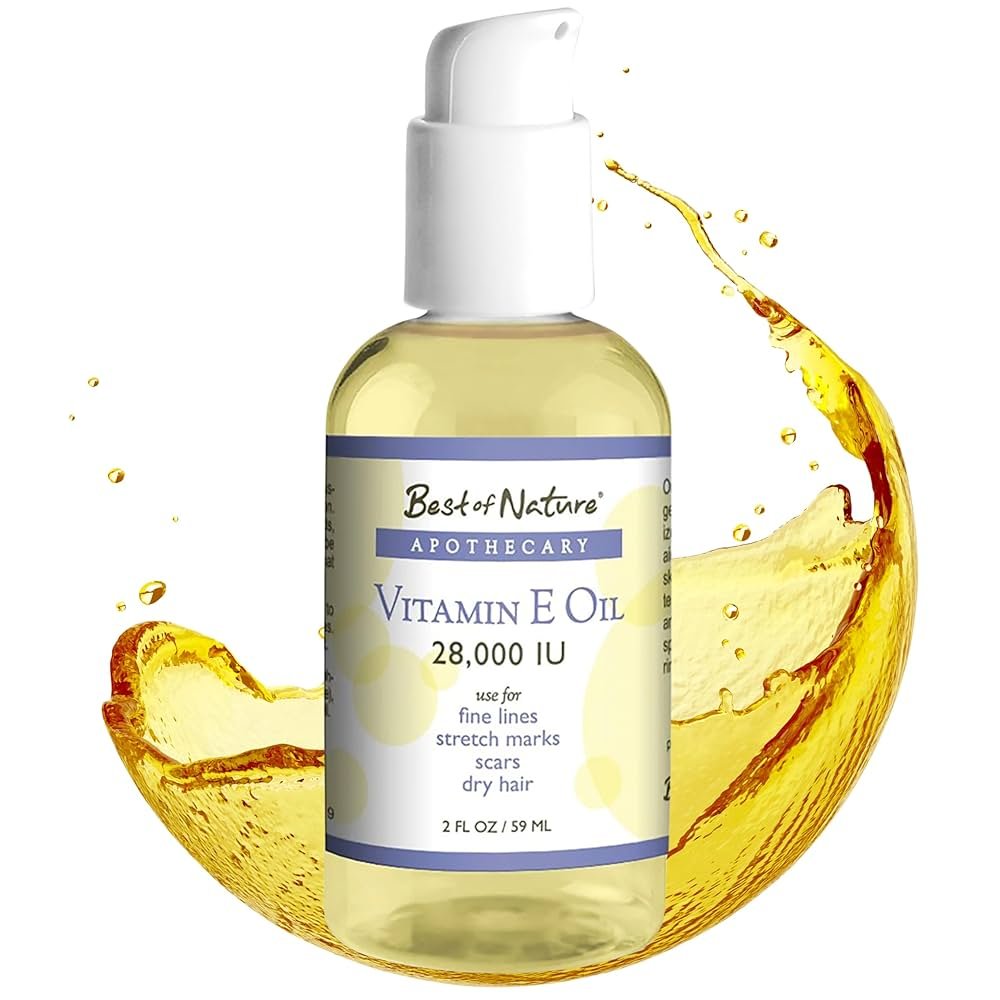
Credit: www.amazon.ca
Incorporating Oils Into Your Routine
Adding oils to your skincare routine can transform your skin’s texture and hydration levels. But knowing when and how to apply them makes all the difference. Whether your skin feels dry in the morning or tight at night, adjusting your oil use can help you get the best results.
Morning Skincare Tips
Start your day with a lightweight oil that absorbs quickly, like jojoba or squalane. These oils provide moisture without leaving a greasy feel, perfect under makeup or sunscreen.
Try applying a few drops after your moisturizer to lock in hydration. Ask yourself: does your skin feel balanced or oily after application? Adjust the amount based on your skin’s response.
Nighttime Rituals
Evening is the best time for richer oils such as rosehip or argan oil. These help repair your skin while you sleep, supporting cell regeneration and reducing dryness.
Mixing a drop of oil with your night cream can boost nourishment. Have you noticed more glow or softness after a few nights? That’s your skin thanking you.
Seasonal Adjustments
Change your oil choice depending on the season. In winter, thicker oils like avocado or marula offer extra protection against harsh weather.
During summer, switch to lighter options to avoid clogged pores and shine. How does your skin react to different oils as the seasons change? Tracking this can help you pick the perfect oil all year round.
Frequently Asked Questions
What Are The Best Oils For Skin Care?
Natural oils like jojoba, argan, and rosehip are excellent for skin care. They hydrate, nourish, and improve skin texture. These oils suit various skin types and help reduce dryness and inflammation effectively.
Can Oil Improve Oily Or Acne-prone Skin?
Yes, certain oils like tea tree and grapeseed oil can balance oily skin. They reduce acne by controlling excess sebum and have antibacterial properties. Using the right oils can soothe and protect acne-prone skin without clogging pores.
How Do I Apply Oil To My Skin Correctly?
Apply oil to clean, slightly damp skin for better absorption. Use a few drops and gently massage in circular motions. Avoid heavy application to prevent greasiness and always patch test for allergies before full use.
Are Facial Oils Suitable For Sensitive Skin?
Yes, gentle oils like chamomile and calendula are safe for sensitive skin. They calm irritation and reduce redness without causing breakouts. Always choose pure, natural oils and perform a patch test before regular use.
Conclusion
Using oil for skin can bring many benefits to your daily routine. It helps keep your skin soft and hydrated. Natural oils often soothe dryness and reduce irritation. They can also protect your skin from damage. Choose the right oil for your skin type to see the best results.
Applying oil gently can improve your skin’s texture and glow. Simple steps and patience matter most. Your skin will thank you with a healthy, fresh look. Try adding oil to your skincare and notice the difference yourself.
