Imagine stepping out of the shower, your skin feeling tight and uncomfortable. If this sounds familiar, you’re not alone.
Dry skin can be a persistent problem, leaving you longing for a solution that truly works. That’s where the magic of oil comes in. Using the right oil can transform your skincare routine, providing the nourishment and hydration your skin craves.
But with so many options out there, how do you choose the best one for your needs? Keep reading to discover the secrets behind oils that soothe and rejuvenate dry skin, and find out how you can achieve that soft, supple glow you’ve been dreaming of. Your skin deserves the best, and we’re here to guide you every step of the way.
Benefits Of Oil For Dry Skin
Oils offer a natural and effective way to care for dry skin. They help restore moisture and improve skin texture. Using oils can soothe tightness and reduce flakiness. Many oils provide essential nutrients that support skin health. Their lightweight nature allows easy absorption without clogging pores.
How Oils Lock In Moisture
Oils create a thin barrier on the skin’s surface. This barrier traps water inside the skin layers. It stops moisture from evaporating too quickly. The result is longer-lasting hydration. Oils help skin stay soft and smooth throughout the day. They work well after applying a water-based moisturizer.
Nutrients In Oils That Nourish Skin
Oils contain vitamins and fatty acids vital for skin health. Common nutrients include:
- Vitamin E, which protects skin from damage
- Omega-3 and Omega-6 fatty acids, aiding repair
- Antioxidants that reduce inflammation and redness
These nutrients help rebuild the skin’s natural barrier. They also improve skin elasticity and tone.
Oils Vs Creams: Which Works Better?
Oils absorb quickly and feel lighter than creams. Creams often contain water and thickeners. They provide surface moisture but may sit on top of skin. Oils penetrate deeper and lock moisture inside better. For very dry skin, combining both can be helpful.
- Oils: Best for deep hydration and nourishment
- Creams: Good for surface moisture and protection
Choosing depends on skin type and personal preference. Testing both can find the best option.

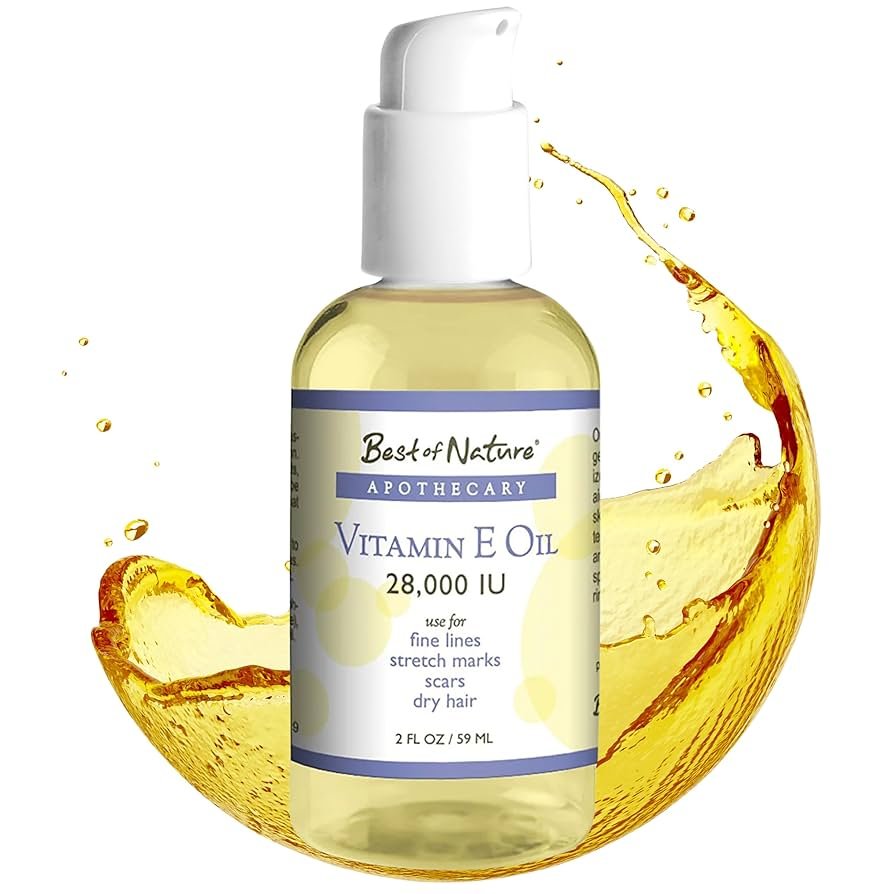
Credit: www.amazon.com
Top Oils For Dry Skin
Dry skin needs special care to stay soft and smooth. Natural oils can help lock in moisture and protect the skin. These oils are rich in nutrients and easy to absorb. They work well to soothe dryness and improve skin texture. Here are some of the best oils for dry skin.
Argan Oil
Argan oil is full of vitamin E and fatty acids. It nourishes the skin deeply and restores its natural glow. This oil absorbs quickly without leaving a greasy feel. It helps reduce dryness and smoothens rough patches.
Jojoba Oil
Jojoba oil mimics the skin’s natural oils closely. It balances moisture levels without clogging pores. This oil calms irritation and softens dry skin gently. It is lightweight and great for daily use.
Rosehip Oil
Rosehip oil contains essential fatty acids and antioxidants. It helps repair damaged skin and fade scars. This oil hydrates deeply and promotes a healthy skin tone. It works well for sensitive and dry skin types.
Coconut Oil
Coconut oil is rich in fatty acids that nourish and protect. It creates a barrier to keep moisture locked in. This oil can soothe very dry and flaky skin. Use it lightly to avoid a heavy residue.
Avocado Oil
Avocado oil is packed with vitamins A, D, and E. It deeply moisturizes and supports skin healing. This oil softens dry patches and improves skin elasticity. It suits both face and body care routines.
How To Choose The Right Oil
Choosing the right oil for dry skin can make a big difference in your skincare routine. Oils can soothe, hydrate, and protect your skin. Picking the best one depends on several simple factors. Keep these points in mind to find an oil that fits your needs perfectly.
Consider Your Skin Type
Dry skin needs oils that provide deep moisture without clogging pores. Look for oils that absorb well and leave skin soft. Some oils are heavier and better for very dry skin. Others are lighter and suit slightly dry skin. Knowing your skin type helps you select the right oil texture and benefits.
Check For Allergies
Test oils on a small skin area before full use. Some natural oils can cause reactions in sensitive skin. Avoid oils with added fragrances or chemicals that may irritate. Choose pure oils to reduce the risk of allergies. Safety matters most when caring for dry skin.
Look For Cold-pressed And Organic Options
Cold-pressed oils keep more nutrients and natural benefits. These oils are extracted without heat, preserving vitamins and antioxidants. Organic oils are free from pesticides and harmful chemicals. They are safer and healthier for your skin. Choosing cold-pressed, organic oils ensures better quality and care.
Daily Oil Application Tips
Applying oil daily can deeply nourish dry skin. It helps lock moisture and creates a smooth texture. Using the right technique improves absorption and effectiveness. Consistent care with oil can reduce dryness and flakiness.
Best Time To Apply Oil
Apply oil right after showering or washing your face. Skin is damp and absorbs oil better. This helps seal in moisture. Nighttime application also works well. Skin repairs itself during sleep, so oil aids this process.
Proper Application Techniques
Use a few drops of oil for your face. Warm the oil between your palms before applying. Gently press and pat oil into your skin. Avoid rubbing harshly to prevent irritation. Focus on dry spots like cheeks and forehead.
Combining Oils With Other Skincare Products
Apply lighter products like serums first. Wait a few minutes before applying oil. Oil acts as a sealant to lock in other products. Mixing oil directly with creams can reduce effectiveness. Use oil as the last step in your routine.
Diy Oil Blends For Extra Hydration
Creating your own oil blends can boost hydration for dry skin naturally. Oils lock moisture and nourish deeply. Mixing oils lets you target your skin’s unique needs. You control the ingredients and avoid harsh chemicals.
These DIY blends feel soothing and absorb well. They help reduce flakiness and leave skin soft. Experimenting with different oils can find your perfect match.
Customizing Oils For Your Skin Needs
Choose base oils rich in fatty acids to hydrate. Examples include:
- Jojoba oil – mimics skin’s natural oils
- Sweet almond oil – gentle and nourishing
- Argan oil – high in vitamin E
- Avocado oil – deeply moisturizing
Mix two or three base oils for balance. Adjust amounts depending on your skin’s dryness level. Add carrier oils for lighter blends if skin feels oily.
Adding Essential Oils Safely
Essential oils add scent and skin benefits. Use them sparingly to avoid irritation. Common choices for dry skin:
- Lavender – soothing and calming
- Chamomile – reduces redness
- Geranium – balances moisture
Always dilute essential oils in a carrier oil. Keep essential oil concentration below 2%. Do a patch test before applying to the face.
Storage And Shelf Life Tips
Store blends in dark glass bottles to protect oils. Keep them in a cool, dry place away from sunlight. Avoid plastic containers that can degrade oils.
Most oil blends last 6 to 12 months. Watch for changes in smell or texture. Discard if oils turn rancid or develop a strange odor.
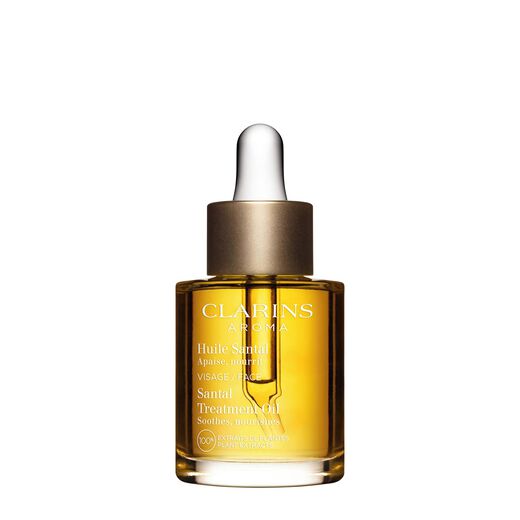
Credit: www.clarinsusa.com
Lifestyle Habits To Boost Skin Hydration
Healthy skin hydration comes from more than just creams and oils. Daily habits play a big role in keeping dry skin soft and smooth. Simple lifestyle changes can help your skin hold moisture better and feel comfortable all day long.
Hydrating Foods And Drinks
Water is the best drink for skin hydration. Drinking plenty of water helps your body stay hydrated from inside. Eating fruits and vegetables with high water content adds extra moisture. Foods like cucumbers, watermelon, oranges, and strawberries are great choices. They provide vitamins and antioxidants that support skin health.
Avoiding Overwashing
Washing your face too often strips natural oils from the skin. These oils protect and keep skin hydrated. Use gentle cleansers and wash your face only twice a day. Avoid hot water; it can dry out your skin quickly. Pat your skin dry instead of rubbing it harshly.
Using Humidifiers
Indoor air can be very dry, especially in winter. Dry air pulls moisture from your skin. Using a humidifier adds moisture back into the air. This helps your skin stay hydrated and reduces dryness. Place humidifiers in bedrooms or living areas where you spend most time.
Common Mistakes To Avoid
Using oil for dry skin can be a game-changer, but many fall into avoidable traps that reduce its benefits. Knowing what not to do is just as important as knowing how to apply the oil properly. Let’s explore some common mistakes that can prevent you from getting the best results.
Using Too Much Oil
It’s easy to think more oil means better hydration, but that’s not true. Applying too much oil can leave your skin feeling greasy and clogged.
Start with just a few drops and gently pat it into your skin. You can always add more if needed, but overdoing it might cause breakouts or irritation.
Applying On Dirty Skin
Have you ever put oil on your face without washing it first? This mistake traps dirt and bacteria under the oil, leading to clogged pores and acne.
Always cleanse your skin thoroughly before applying oil. Clean skin allows the oil to absorb better and work more effectively.
Ignoring Patch Tests
Oils can cause allergic reactions or irritation, especially if you have sensitive skin. Skipping a patch test is a common mistake that can lead to discomfort or worse.
Test a small amount of oil on your inner arm or behind your ear before applying it to your face. If you notice redness, itching, or swelling, avoid using that oil altogether.
Credit: www.walmart.com
Frequently Asked Questions
What Is The Best Oil For Dry Skin?
Argan oil is excellent for dry skin due to its moisturizing properties. It hydrates deeply without clogging pores. Other top oils include jojoba, coconut, and almond oil. These oils nourish and restore skin softness naturally and effectively.
How Often Should I Apply Oil On Dry Skin?
Apply oil on dry skin twice daily, preferably morning and night. Consistent use locks in moisture and improves skin texture. Use a few drops and gently massage until fully absorbed for best results.
Can Oil Help Repair Cracked Dry Skin?
Yes, oils like rosehip and avocado promote skin repair. They contain vitamins and antioxidants that heal and nourish damaged skin. Regular application reduces dryness and prevents further cracking by restoring the skin barrier.
Is Natural Oil Better Than Commercial Moisturizers For Dry Skin?
Natural oils are often better as they provide pure, chemical-free hydration. They nourish skin deeply without synthetic additives that may irritate dry skin. However, choose oils suited to your skin type for optimal benefits.
Conclusion
Choosing the right oil helps keep dry skin soft and smooth. Oils like jojoba, coconut, and almond work well. They provide deep moisture and protect the skin. Use them regularly for best results. Remember to apply oil to clean skin.
This simple step can improve your skin’s health. Dry skin feels comfortable and looks healthy. Small changes in your routine make a big difference. Healthy skin starts with good care every day. Try different oils to find what suits you best.
Your skin will thank you for the extra care.
