Imagine your furry friend happily playing, their coat gleaming and skin healthy. It’s not just a dream—it’s achievable with the right care.
If you’ve noticed your dog scratching more than usual or if their coat lacks its usual luster, you might be searching for a solution. Here’s where oil for your dog’s skin comes into play. Not only does it offer relief from dryness and itching, but it also enhances the overall health and appearance of your dog’s coat.
Curious about how this natural remedy can transform your pet’s skin health? Stick around to discover how the right oils can make a world of difference for your beloved companion. Your dog’s comfort and wellbeing might just be a few drops away.
Benefits Of Oil For Dog Skin
Oils for dog skin offer many benefits that improve overall health. They provide natural care and protection to your pet’s skin. Using the right oil can soothe, nourish, and protect the skin from damage. Regular application helps maintain moisture and reduces discomfort for dogs.
Moisturizing Dry Skin
Oils deeply hydrate dry skin to prevent cracking and flaking. They create a barrier that locks in moisture for longer periods. This helps stop dryness caused by cold weather or frequent bathing. Soft, smooth skin feels more comfortable for your dog.
Reducing Itchiness And Inflammation
Natural oils contain anti-inflammatory properties that calm irritated skin. They can reduce redness and swelling caused by allergies or infections. Applying oils helps soothe itching and prevents your dog from scratching too much. This lowers the risk of skin wounds and infections.
Enhancing Coat Shine
Oils add a healthy shine to your dog’s coat by nourishing the hair follicles. A glossy coat looks clean and well cared for. Oils also reduce dullness and brittleness, making fur soft to touch. Regular use improves your dog’s overall appearance.
Supporting Skin Barrier Health
The skin barrier protects dogs from environmental damage and bacteria. Oils strengthen this barrier to keep harmful elements out. They help repair damaged skin and boost natural defenses. A strong skin barrier means fewer infections and healthier skin.
Common Skin Issues In Dogs
Dogs often face skin problems that cause discomfort and affect their health. These issues can arise from different sources like environment, diet, or parasites. Understanding common skin problems helps in choosing the right care, including oils that soothe and heal. Healthy skin keeps dogs happy and active.
Allergies And Irritations
Allergies cause itching, redness, and swelling on a dog’s skin. Common allergens include pollen, dust, and certain foods. Irritation may also result from harsh shampoos or chemicals. Dogs scratch or bite these itchy spots, making the problem worse. Oils with calming properties can reduce itching and protect the skin.
Hot Spots And Rashes
Hot spots are small, red, moist areas that appear suddenly. They can grow quickly and become painful. Rashes may show as red bumps or patches on the skin. These often result from allergies, insect bites, or infections. Applying soothing oils can help heal hot spots and reduce inflammation.
Dandruff And Flakiness
Dandruff looks like white flakes on a dog’s coat. It happens when the skin dries out or becomes irritated. Flakiness can cause itching and discomfort. Poor diet, weather changes, or frequent baths can worsen this condition. Using nourishing oils helps moisturize the skin and reduce flakes.
Infections And Parasites
Bacterial or fungal infections cause redness, swelling, and bad odor. Parasites like fleas and mites irritate the skin and cause hair loss. These problems need prompt attention to avoid spreading. Oils with antibacterial or antifungal properties support healing and protect against parasites.
Types Of Oils Safe For Dogs
Oils can help keep your dog’s skin healthy and shiny. Some oils are gentle and safe for dogs. They support skin moisture and reduce dryness or itching. Choosing the right oil is important to avoid harm.
Coconut Oil
Coconut oil is a popular choice for dog skin care. It has natural antibacterial and antifungal properties. This oil helps soothe dry and itchy skin. Apply a small amount to your dog’s coat or add it to their food.
Olive Oil
Olive oil is rich in antioxidants and good fats. It supports skin hydration and improves coat shine. You can rub olive oil gently on your dog’s skin or mix it with their meals. It is safe in moderate amounts.
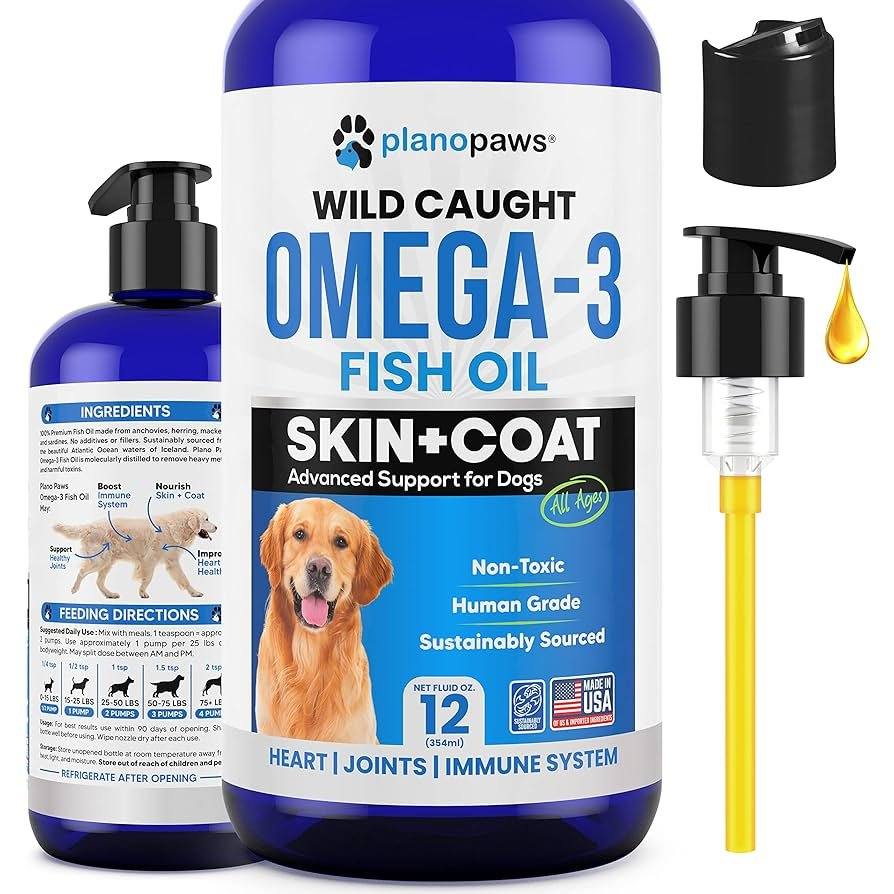
Fish Oil
Fish oil contains omega-3 fatty acids essential for skin health. It reduces inflammation and helps with allergies. Many pet owners give fish oil as a supplement. Capsules or liquid form both work well for dogs.
Vitamin E Oil
Vitamin E oil is great for healing dry or damaged skin. It acts as an antioxidant and supports skin repair. Use Vitamin E oil by applying it directly to problem areas. Avoid giving large doses orally without vet advice.

Credit: www.amazon.com
How To Apply Oil On Dog Skin
Applying oil on your dog’s skin can improve coat health and soothe irritation. Proper technique ensures the oil penetrates well and benefits your dog’s skin. Understanding the right way to apply oil keeps your pet comfortable and safe.
Topical Application Techniques
Use clean hands to apply oil directly on the skin. Part your dog’s fur to expose the skin. Gently massage the oil in small circular motions. Focus on dry or itchy areas for best results. Avoid overapplying to prevent greasy fur. Use a soft cloth to wipe off excess oil.
Oral Supplementation Guidelines
Some oils also work well as supplements. Mix the oil with your dog’s food for easy intake. Choose oils safe for consumption, like fish or flaxseed oil. Start with small amounts to observe any reactions. Consult your vet before adding any new oil to the diet.
Dosage And Frequency
- Topical: Apply oil 2-3 times a week for healthy skin.
- Oral: Follow vet advice, usually 1 teaspoon daily for small dogs.
- Adjust frequency based on skin condition and response.
- Too much oil can cause skin irritation or upset stomach.
Precautions And Allergic Reactions
Test oil on a small skin patch before full use. Watch for redness, itching, or swelling. Stop use immediately if any signs appear. Avoid oils with strong fragrances or harmful additives. Keep oils away from your dog’s eyes and mouth during application.
Homemade Oil Remedies For Dogs
Homemade oil remedies can soothe and protect your dog’s skin naturally. They offer gentle care without harsh chemicals. Many oils provide moisture, reduce itching, and improve skin health. Using natural ingredients allows control over what touches your pet’s skin. Simple blends are easy to prepare at home with common oils.
Diy Soothing Oil Blends
Create calming oil blends with carrier oils and safe essential oils. Start with a base like coconut or olive oil. Add a few drops of dog-safe essential oils for extra benefits.
- Coconut and Lavender Blend:Mix 2 tablespoons of coconut oil with 3 drops of lavender oil. Apply lightly to itchy spots.
- Olive and Chamomile Blend:Combine 2 tablespoons of olive oil with 2 drops of chamomile oil. Use to calm inflamed skin.
- Sweet Almond and Calendula Blend:Blend 2 tablespoons of sweet almond oil with 2 drops of calendula oil. Great for dry, flaky skin.
Always do a patch test before full application to avoid reactions. Use gentle massage to help oils absorb into the skin.
Essential Oils To Avoid
Some essential oils can harm dogs and should never be used. These oils may cause severe skin irritation or toxic reactions.
- Tea Tree Oil
- Peppermint Oil
- Eucalyptus Oil
- Pine Oil
- Cinnamon Oil
- Clove Oil
Stick to oils proven safe for dogs. Consult a vet if unsure about any oil’s safety.
Storage And Shelf Life Tips
Store homemade oil blends in dark glass bottles to keep them fresh. Keep bottles in a cool, dry place away from sunlight.
- Label bottles with the date made.
- Use blends within 3 months for best quality.
- Check oils for rancid smell before each use.
- Refrigerate blends to extend shelf life if needed.
Proper storage preserves the oils’ soothing properties and prevents spoilage.

Credit: www.amazon.com
When To See A Veterinarian
Knowing when to see a veterinarian is key for your dog’s skin health. Some skin problems need expert care. Ignoring serious signs can make issues worse. Watch your dog closely after using any skin oil. Early action protects your pet from pain and infection.
Signs Of Severe Skin Problems
- Large red or swollen areas
- Open sores or bleeding spots
- Extreme itching or scratching
- Hair loss in patches
- Oozing or crusty wounds
- Foul smell from the skin
These signs show serious skin issues. A vet can diagnose and treat them properly.
Allergic Reactions To Oils
- Swelling of the face or paws
- Hives or raised bumps on skin
- Excessive licking or biting
- Vomiting or diarrhea
- Difficulty breathing or coughing
Allergic reactions need quick medical help. Stop the oil use immediately and contact your vet.
Persistent Or Worsening Symptoms
Skin problems lasting more than a week need attention. If symptoms worsen despite treatment, see a vet. Don’t wait for natural healing if your dog is uncomfortable.
Veterinary care ensures safe and effective treatment. It prevents complications and speeds recovery.
Additional Tips For Healthy Dog Skin
Maintaining healthy skin for your dog requires more than just the right oils. Several habits support skin wellness and prevent common issues. These simple steps help keep your dog’s skin soft and strong.
Proper Diet And Hydration
A balanced diet fuels healthy skin and fur. Include foods rich in omega fatty acids, vitamins, and minerals. Fresh water is vital for hydration and skin moisture. Avoid low-quality dog food that lacks essential nutrients.
Offer clean water throughout the day to keep your dog hydrated. Proper hydration improves skin elasticity and reduces dryness. A healthy diet and water intake work together to support skin health.
Regular Grooming Practices
Regular brushing removes dirt, dead skin, and loose fur. It stimulates natural oils that protect and moisturize the skin. Choose a brush that suits your dog’s coat type.
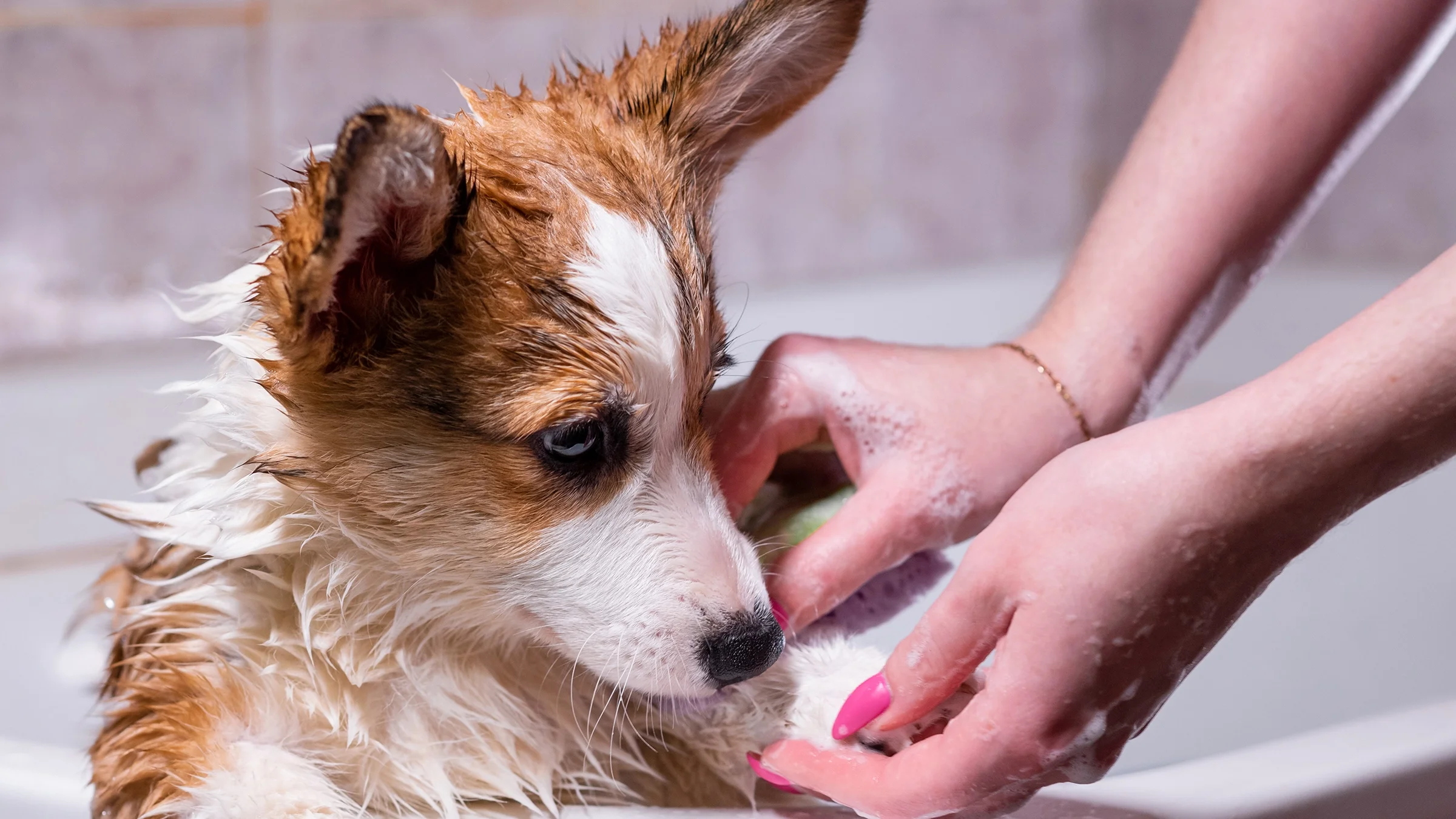
Bath your dog with gentle, skin-friendly shampoo. Avoid over-bathing as it can strip natural oils. Clean ears and trim nails regularly to prevent infections and discomfort.
Environmental Factors To Consider
Protect your dog from extreme weather. Hot sun and cold wind can dry out skin. Provide shade and shelter to reduce exposure.
Check your dog’s skin regularly for signs of irritation or allergies. Avoid harsh chemicals and pesticides in your yard. Use pet-safe products to keep the environment gentle on their skin.
Credit: www.goodrx.com
Frequently Asked Questions
What Oils Are Best For Dogs’ Skin Health?
Omega-3 and coconut oil are top choices for dog skin health. They soothe irritation, reduce inflammation, and promote a shiny coat. These oils also support skin hydration and help heal dryness or flakiness effectively.
How Do I Apply Oil To My Dog’s Skin?
Apply a small amount of oil directly to dry or irritated areas. Massage gently to ensure absorption. You can also add oil to your dog’s food for internal benefits. Regular use improves skin texture and reduces itching.
Can Oils Cause Allergic Reactions In Dogs?
Yes, some oils may trigger allergies. Always do a patch test before full application. Avoid essential oils that are toxic to dogs, like tea tree oil. Consult your vet if unsure about using any new oil.
How Often Should I Use Oil For My Dog’s Skin?
Use oils 2-3 times weekly for best results. Overuse might cause greasy fur or skin issues. Consistency is key to improving your dog’s skin condition safely and effectively.
Conclusion
Choosing the right oil can help your dog’s skin stay healthy. Oils like coconut and fish oil provide good nutrients. They can reduce itching and dryness naturally. Always check for allergies before use. Regular care makes a big difference in your dog’s comfort.
Healthy skin means a happier, more playful pet. Small steps in care bring lasting results. Try oils safely and watch your dog shine.
