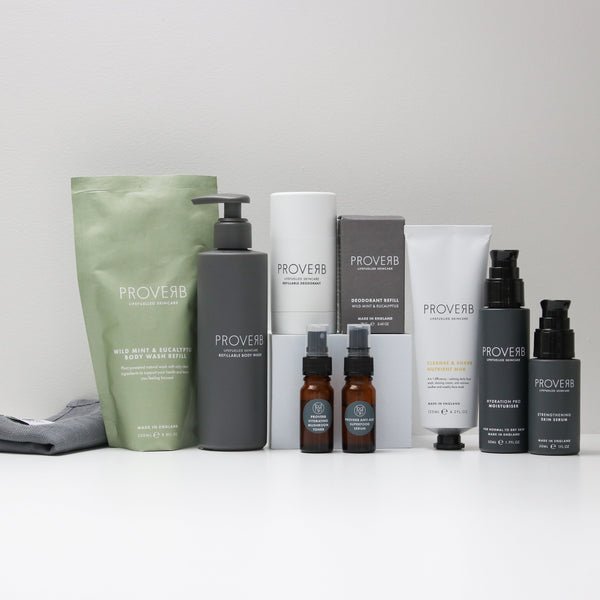
Are you tired of products that promise glowing skin but leave you worried about what’s inside them? Your skin deserves care that’s pure, gentle, and safe.
A non toxic skincare routine can help you achieve healthy, radiant skin without harmful chemicals sneaking in. Imagine feeling confident about every product you use, knowing it nourishes your skin naturally. Keep reading to discover simple, effective steps you can take right now to transform your skincare—and your skin—for the better.

Credit: www.evolvebeauty.com
Why Choose Non Toxic Skincare
Choosing non toxic skincare means caring for your body and the planet. Many skincare products contain chemicals that harm your skin and overall health. Non toxic options use natural ingredients that nourish and protect. Switching to these products supports a safer, cleaner lifestyle.
Health Benefits
Non toxic skincare reduces skin irritation and allergic reactions. It helps maintain your skin’s natural balance without harsh chemicals. These products avoid harmful substances that can cause long-term damage. Your skin feels softer, healthier, and looks more radiant. Using gentle ingredients supports natural healing and hydration.
Environmental Impact
Non toxic skincare products break down easily in nature. They reduce pollution in water and soil. Many use biodegradable packaging to lower waste. Ingredients come from sustainable sources without harming animals or ecosystems. Choosing these products helps protect wildlife and preserves natural resources. It supports a cleaner, greener planet for future generations.
Common Harmful Ingredients To Avoid
- Parabens – preservatives that may disrupt hormones
- Sulfates – harsh detergents that strip skin oils
- Phthalates – chemicals linked to reproductive issues
- Formaldehyde – a known carcinogen used in some preservatives
- Fragrance – often contains synthetic chemicals causing irritation
- Mineral Oil – can clog pores and block skin breathing
Avoiding these ingredients lowers health risks and supports cleaner skincare routines.
Key Ingredients For Glowing Skin
Glowing skin doesn’t happen by chance; it depends heavily on the ingredients you choose in your skincare routine. Selecting the right components can transform dullness into radiance, calm irritation, and boost your skin’s natural defense. Let’s break down some key ingredients that can make a real difference in your journey to healthy, glowing skin.
Natural Moisturizers
Hydration is the foundation of glowing skin, but not all moisturizers are created equal. Natural options like aloe vera, jojoba oil, and shea butter provide deep moisture without clogging pores or causing irritation.
These ingredients mimic your skin’s natural oils, which helps maintain balance and softness. Have you noticed how your skin feels after using a product with natural oils versus synthetic ones? The difference can be surprisingly clear.
Antioxidants And Vitamins
Antioxidants like vitamin C and E fight free radicals, which are a major cause of skin damage and dullness. Vitamin C, in particular, brightens your complexion and supports collagen production for firmer skin.
Including these in your routine can reduce redness and protect your skin from environmental stress. Ever wondered why your skin looks fresher after eating a vitamin-rich meal? The same effect happens when you apply these nutrients topically.
Gentle Exfoliants
Exfoliation removes dead skin cells that block your glow, but harsh scrubs can do more harm than good. Ingredients like lactic acid and fruit enzymes offer gentle exfoliation that smooths your skin without irritation.
Using these regularly helps your moisturizer penetrate better and improves skin texture. What if your skin could reveal its natural glow just by switching to a softer exfoliant?
Building Your Daily Routine
Building a non toxic skincare routine starts with simple, clean steps. Each step helps protect and nourish your skin. Choose products with natural ingredients and avoid harsh chemicals. Consistency is key for healthy, glowing skin. Follow these easy steps daily to care for your skin safely.
Cleansing Tips
Use a gentle cleanser that suits your skin type. Avoid cleansers with sulfates and synthetic fragrances. Wash your face twice daily to remove dirt and oil. Use lukewarm water to protect your skin’s natural oils. Pat your skin dry with a soft towel instead of rubbing.
Toning And Balancing
Select a toner with calming, natural ingredients like rose water or witch hazel. Toners help remove leftover dirt and restore skin’s pH balance. Apply toner with a cotton pad or your hands. Let it absorb fully before moving to the next step.
Moisturizing Essentials
Choose a moisturizer with natural oils and plant extracts. It keeps your skin hydrated and soft all day. Apply moisturizer to damp skin for better absorption. Use lighter formulas for oily skin and richer creams for dry skin. Don’t forget your neck and décolletage.
Sun Protection
Use a broad-spectrum sunscreen with natural mineral ingredients like zinc oxide. Apply sunscreen every morning, even on cloudy days. Reapply every two hours when outside. Sun protection prevents damage and premature aging. Choose a formula that feels light and non-greasy.

Credit: www.muloha.com
Weekly And Monthly Skincare Practices
Weekly and monthly skincare practices help keep your skin healthy beyond daily cleansing and moisturizing. They give your skin a deeper level of care, allowing it to breathe, renew, and stay hydrated. These routines also let you target specific concerns like dullness, dryness, or uneven texture with tailored treatments.
Exfoliation Techniques
Exfoliating once or twice a week removes dead skin cells that clog pores and dull your complexion. You can use gentle physical scrubs made from natural ingredients like sugar or oatmeal, or opt for chemical exfoliants with mild acids such as lactic or mandelic acid.
Be cautious not to over-exfoliate, as it can lead to irritation. How does your skin react after exfoliating? If it feels tight or red, reduce frequency or switch to a gentler product.
Face Masks And Treatments
Adding a face mask to your weekly routine can provide a boost to your skin’s health and appearance. Clay masks help detoxify oily skin, while hydrating masks with ingredients like aloe vera or honey soothe and nourish.
Monthly treatments like facial steaming or using a non-toxic peel can refresh your skin deeply. Have you tried a treatment that made your skin glow for days? Those moments show how powerful occasional care can be.
Hydration Boosters
Hydrating your skin isn’t just a daily task; it needs extra attention weekly or monthly too. Use deep hydrating serums or sheet masks to replenish moisture levels.
Adding facial oils packed with antioxidants can lock in hydration and protect your skin barrier. What’s your favorite way to give your skin a hydration boost?
Choosing The Right Products
Choosing the right products for your non-toxic skincare routine can feel overwhelming. The market is flooded with options, but not all products labeled “natural” or “organic” live up to those claims. Knowing how to identify truly safe and effective products will help you avoid harmful chemicals and protect your skin’s health.
Reading Labels
Labels often hold the key to understanding what you’re putting on your skin. Look for ingredients you recognize and can pronounce. Avoid products with parabens, sulfates, synthetic fragrances, and phthalates—these are common irritants or toxins.
Check the order of ingredients, too. Ingredients are listed from highest to lowest concentration. If water or alcohol is listed first, the product may have fewer active ingredients. Also, beware of vague terms like “fragrance” or “parfum,” which can hide harmful chemicals.
Certifications To Look For
Certifications can guide you toward trustworthy products. Look for seals from organizations like USDA Organic, Ecocert, or COSMOS, which verify that products meet strict natural and organic standards.
Other useful certifications include:
- Leaping Bunny– indicates cruelty-free testing
- EWG Verified– ensures product transparency and safety
- Fair Trade– supports ethical ingredient sourcing
These labels don’t guarantee perfection, but they reduce the guesswork significantly.
Diy Skincare Options
Making your own skincare products puts you in full control of what touches your skin. Simple recipes using ingredients like honey, aloe vera, coconut oil, and oatmeal can be very effective.
However, DIY doesn’t mean you can skip research. Some natural ingredients can cause allergies or react badly if combined incorrectly. Test any DIY product on a small skin patch before regular use.
Have you tried creating your own skincare blend? What worked and what didn’t? Experimenting can be fun and rewarding, but caution is key to avoid irritation or damage.

Credit: fleurandbee.com
Common Mistakes To Avoid
Building a non-toxic skincare routine can feel like a breath of fresh air for your skin. Yet, even the best intentions can lead to missteps that harm rather than heal. Knowing which common mistakes to avoid helps you protect your skin and get the best results from your clean beauty products.
Over-exfoliating
Exfoliation removes dead skin cells, but too much can strip your skin’s natural barrier. I once thought daily scrubbing was the secret to glowing skin—until my face turned red and irritated.
Stick to exfoliating 1-2 times a week with gentle products. Your skin needs time to recover and rebuild its moisture barrier. Ask yourself: Is my skin feeling dry or sensitive? If yes, slow down on exfoliation.
Mixing Incompatible Ingredients
Combining certain ingredients can cause irritation or reduce effectiveness. For example, using retinol with vitamin C or AHAs can be too harsh and lead to redness.
Check product labels and learn which actives don’t play well together. Creating a simple ingredient chart can help you avoid harmful combos. Have you ever experienced unexpected redness after layering products? It might be due to ingredient clashes.
Ignoring Patch Tests
Skipping patch tests is a common mistake that often leads to allergic reactions. Even natural, non-toxic ingredients can cause sensitivity.
Always test a small amount of product on your wrist or behind your ear for 24-48 hours before full use. This simple step can save you from discomfort and wasted products. How often do you try new products without testing them first?
Tips For Maintaining Healthy Skin
Maintaining healthy skin goes beyond just the products you apply. It involves a combination of habits that nurture your skin from the inside out. Here are practical tips you can start today to keep your skin glowing and resilient.
Balanced Diet And Hydration
Your skin reflects what you eat and drink. A diet rich in fruits, vegetables, and healthy fats supplies essential nutrients that support skin repair and glow.
Drink plenty of water throughout the day to keep your skin hydrated and plump. If you struggle to drink enough water, try infusing it with slices of lemon or cucumber for a refreshing twist.
Have you noticed how your skin reacts after eating sugary or processed foods? Cutting back on these can reduce breakouts and dullness.
Stress Management
Stress can cause your skin to flare up or look tired. Simple practices like deep breathing, meditation, or a short walk outside can calm your mind and skin.
When I started journaling for just five minutes a day, I saw fewer breakouts and less redness. What small change could you make to ease your stress?
Consider prioritizing sleep and unplugging from screens before bed to give your skin the rest it needs to regenerate.
Consistent Routine
Sticking to a simple, daily skincare routine helps your skin adjust and thrive. Choose gentle, non-toxic products that suit your skin type and use them regularly.
Remember, skipping days can disrupt your skin’s balance. Even on busy days, washing your face and moisturizing can make a big difference.
Have you evaluated your current routine lately? Sometimes, less is more when it comes to nurturing your skin.
Frequently Asked Questions
What Is A Non Toxic Skincare Routine?
A non toxic skincare routine uses products free from harmful chemicals. It focuses on natural, safe ingredients to protect skin health and reduce irritation.
Why Choose Non Toxic Skincare Products?
Non toxic products minimize exposure to toxins linked to allergies and hormone disruption. They promote healthier skin and environmental sustainability.
How To Start A Non Toxic Skincare Routine?
Begin by reading labels carefully. Choose products with natural, organic ingredients. Avoid parabens, sulfates, and synthetic fragrances.
Are Non Toxic Skincare Products Effective?
Yes, many non toxic products deliver results using gentle, plant-based ingredients. They support skin’s natural balance without harsh chemicals.
Conclusion
Choosing a non-toxic skincare routine benefits your skin and health. It helps avoid harmful chemicals and supports natural beauty. Simple ingredients often work best. Consistency is key for effective results. Always read labels carefully. Seek products with clean, natural ingredients.
Your skin deserves gentle, effective care. Embrace this journey to a healthier you. Small changes can lead to big improvements. Enjoy healthier skin and a happier you. Start today for a brighter tomorrow. Take care of your skin wisely. A non-toxic routine ensures peace of mind.
Your skin will thank you.
