Imagine winding down after a long day, ready to embrace the calm of the night. But before you dive into a cozy bed, there’s a secret ritual waiting to transform your skin.
Yes, a nighttime skincare routine is more than just a series of steps—it’s a personal moment of self-care that can leave you waking up with glowing, rejuvenated skin. Have you ever wondered why some people seem to have a radiant, refreshed look every morning?
The secret often lies in what they do before hitting the pillow. This guide will reveal how you can unlock the potential of those precious nighttime hours to nourish and restore your skin. From choosing the right products to understanding the science behind your skin’s overnight healing process, you’re about to discover how to make every night a step closer to your best skin yet. Keep reading, and let the magic unfold.
Benefits Of Nighttime Skincare
Nighttime skincare is more than just a routine; it’s a powerful way to support your skin’s natural processes. Your skin works differently at night, making this the perfect time to repair and nourish it deeply. Understanding the benefits of nighttime skincare can help you make smarter choices that boost your skin’s health and appearance.
Why Skin Heals At Night
Your skin goes into repair mode while you sleep. During these hours, cell regeneration speeds up, helping to replace damaged cells with fresh, healthy ones.
At night, your skin’s blood flow increases, delivering more oxygen and nutrients to help heal wounds and reduce inflammation. This is why skipping your nighttime routine can mean missed opportunities for skin recovery.
Have you noticed how minor cuts or irritations tend to feel better after a good night’s rest? That’s your skin healing in action—so why not support it with the right products?
Impact On Skin Glow
Using skincare products at night can dramatically improve your skin’s glow. Ingredients like retinol and hyaluronic acid work best during sleep, helping to smooth texture and boost hydration.
Nighttime routines help reduce dullness by removing dead skin cells and encouraging new, radiant ones to surface. This can leave you waking up with a fresh, luminous complexion.
Think about how your skin looks in the morning after a consistent nighttime routine. Isn’t that soft, glowing skin worth the extra few minutes before bed?
Essential Steps For Nighttime Routine
Creating an effective nighttime skincare routine is about more than just slapping on a cream before bed. Each step plays a crucial role in repairing and preparing your skin for the next day. Understanding these essential steps can transform your skin’s health and appearance while you sleep.
Cleansing Techniques
Good cleansing removes dirt, makeup, and excess oil that build up during the day. Try using a gentle cleanser suited for your skin type to avoid stripping natural oils. Double cleansing can be a game-changer—start with an oil-based cleanser to dissolve makeup, followed by a water-based one to clean deeper.
Have you noticed your skin feels tight or dry after cleansing? That’s a sign to switch to a milder formula. Cleansing well sets the foundation for everything else you apply afterward.
Toning And Balancing
Toning helps restore your skin’s natural pH and removes any leftover impurities. Choose alcohol-free toners with soothing ingredients like chamomile or rose water to calm your skin. This step also preps your skin to absorb moisturizers and treatments more effectively.
Think of toning as the bridge between cleansing and moisturizing—it balances your skin and helps it stay healthy. If you skip this, you might miss out on locking in hydration and improving texture.
Moisturizing Benefits
Moisturizing at night supports your skin’s natural repair process. Pick a moisturizer rich in antioxidants, peptides, or hyaluronic acid to nourish deeply. Night creams tend to be thicker and more hydrating, perfect for overnight recovery.
Do you wake up with dry or flaky skin? That’s a clear sign your skin isn’t getting enough moisture while you sleep. Applying moisturizer correctly can help maintain elasticity and reduce signs of aging.
Targeted Treatments For Night
Targeted treatments at night give your skin a chance to repair and renew itself deeply. While you sleep, your skin becomes more receptive to ingredients that can address specific concerns. Adding the right products to your nighttime routine can make a noticeable difference in texture, brightness, and overall health.
Serums And Actives
Serums are lightweight but packed with powerful ingredients designed to penetrate deeply. Choosing the right serum depends on what your skin needs—whether it’s hydration, anti-aging, or acne control.
- Vitamin C serumshelp brighten dull skin and reduce dark spots.
- Retinol
- Hyaluronic acid
Have you ever noticed how your skin looks more refreshed after a few nights of a serum? That’s because these actives work best overnight when your skin is in repair mode.
Eye Creams And Lip Care
The delicate skin around your eyes and lips deserves special attention. These areas often show early signs of aging and dryness, so targeted care is essential.
- Eye creams with peptides or caffeine can reduce puffiness and fine lines.
- Look for lip balms containing nourishing oils or ceramides to prevent dryness and cracking.
- Applying these treatments gently with your ring finger helps avoid unnecessary tugging.
Have you ever skipped eye or lip care and noticed dryness or creases the next day? Consistency here can keep these sensitive zones smooth and healthy.
Credit: www.olivaclinic.com
Skincare Ingredients To Use At Night
Choosing the right ingredients for your nighttime skincare routine can make a huge difference in how your skin looks and feels by morning. Night is the perfect time to use products that work deeply and repair your skin. Let’s look at some key ingredients that can boost your routine and help you wake up with a fresh, glowing complexion.
Retinol And Peptides
Retinol is a powerful ingredient that helps speed up cell turnover and reduces signs of aging like fine lines and wrinkles. It can feel a bit strong at first, so starting with a low concentration and using it a few times a week is a smart move.
Peptides, on the other hand, support your skin’s natural collagen production. They work gently to firm and smooth your skin overnight. Using products with both retinol and peptides can give you a balanced approach to anti-aging without overwhelming your skin.
Hydrating Agents
Hydration is key while your skin repairs itself during sleep. Ingredients like hyaluronic acid attract moisture and keep your skin plump and soft. Glycerin is another excellent hydrator that helps maintain your skin’s barrier.
Don’t underestimate the power of a good moisturizer packed with these agents. Have you noticed how your skin feels tight or flaky in the morning when you skip hydration at night? That’s a clear sign to add hydrating agents to your routine.
Antioxidants
Antioxidants like vitamin C and niacinamide protect your skin from damage caused by free radicals and environmental stress. Using them at night supports your skin’s natural repair processes.
Vitamin E is another antioxidant that pairs well with others to boost skin healing. Think about your skin as if it’s recovering from a long day—antioxidants act like little bodyguards, helping it bounce back stronger. Are you giving your skin the protection it needs while you sleep?
Common Mistakes To Avoid
Nighttime skincare routines help your skin repair and renew. Many people make mistakes that reduce these benefits. Avoiding common errors keeps your skin healthy and glowing. Knowing what to skip is as important as knowing what to do.
Overloading Products
Using too many products can harm your skin. Layers of creams and serums may clog pores and cause irritation. Your skin might react with redness, dryness, or breakouts. Keep your routine simple with a few key products. Focus on quality, not quantity.
Ignoring Skin Type Needs
Every skin type has unique needs. Using products not made for your skin can cause problems. For example, oily skin needs light, non-greasy formulas. Dry skin needs more hydration and nourishment. Choose products based on your skin type for best results.

Credit: www.playingwithapparel.com
Customizing Your Routine
Customizing your nighttime skincare routine is key to seeing real results. Your skin has unique needs that change with seasons, stress, and age. Tailoring your products and steps to your skin type helps you avoid irritation and boosts your skin’s health effectively.
For Dry Skin
Dry skin craves moisture and gentle care. Focus on hydrating cleansers that don’t strip natural oils and rich creams that lock in moisture overnight. Adding a facial oil or a hyaluronic acid serum can make a big difference in keeping your skin plump and comfortable.
Have you noticed your skin feeling tight or flaky after cleansing? Try switching to a cream-based cleanser and applying a thicker moisturizer before bed. Your skin will thank you with a smoother, more radiant look by morning.
For Oily Skin
Oily skin needs balance, not harsh stripping. Use a lightweight cleanser that controls excess oil without drying out your skin. Incorporate a toner with ingredients like salicylic acid to keep pores clear and reduce shine.
Think about how your skin feels after a long day—does it appear shiny or clogged? Adding a gel-based moisturizer can hydrate without heaviness. This prevents your skin from overproducing oil, reducing breakouts in the process.
For Sensitive Skin
Sensitive skin demands the gentlest approach. Opt for fragrance-free, hypoallergenic products that soothe rather than irritate. Using calming ingredients like aloe vera or chamomile can reduce redness and discomfort.
Have you ever experienced burning or itching after applying a product? Cutting out exfoliants and harsh actives can help your skin recover. Instead, focus on repairing your skin barrier with nourishing creams designed for sensitive skin.
Tips For Better Absorption
Getting the most out of your nighttime skincare products depends on how well your skin can absorb them. Even the best serums and creams won’t work effectively if they just sit on the surface. Understanding simple techniques to improve absorption can make a noticeable difference in your skin’s texture and glow.
Massage Techniques
Gently massaging your face helps boost blood flow, which encourages better product absorption. Use upward, circular motions starting from the center of your face moving outwards.
Focus on areas where you apply the most product, like your cheeks and forehead. Light pressure avoids irritating your skin but still activates circulation.
Try using your fingertips or palms; warmth from your hands also helps the product sink in faster. Have you ever noticed how a little extra attention on your skin feels soothing and effective?
Using Tools And Devices
Tools like jade rollers, gua sha stones, or facial cleansing brushes can enhance how well your skincare penetrates. They aid in lymphatic drainage and smooth out the skin surface for deeper absorption.
- Jade rollers: Roll gently from the center of the face outward to reduce puffiness and improve product spread.
- Gua sha stones: Use slow, firm strokes along your jawline and cheekbones to stimulate circulation.
- Facial brushes: Use soft-bristle brushes to lightly exfoliate dead skin cells before applying products.
These devices add a spa-like feel to your routine and can make your skincare ritual more enjoyable. Do you already use any tools that improve your nighttime routine?

Credit: www.youtube.com
Lifestyle Habits For Glowing Skin
Glowing skin isn’t just about the products you use at night; it’s deeply connected to how you live your life. Your daily habits influence skin health in ways you might not expect. Paying attention to your sleep, hydration, and diet can make a noticeable difference in your complexion.
Sleep And Hydration
Are you getting enough quality sleep? During sleep, your skin repairs itself and produces collagen, which keeps it firm and smooth. Missing out on rest can lead to dullness and increased signs of aging.
Hydration goes hand in hand with sleep. Drinking water throughout the day helps flush out toxins and keeps your skin plump. I noticed that on days I skip water, my skin looks tired and flaky despite my skincare routine.
Try setting a bedtime routine that allows for 7-9 hours of uninterrupted sleep. Also, keep a water bottle nearby to sip regularly. These small changes can boost your skin’s natural glow overnight.
Diet And Supplements
Your skin reflects what you eat. Foods rich in antioxidants, like berries and leafy greens, protect your skin from damage caused by free radicals. Including healthy fats such as avocado and nuts supports moisture retention.
Supplements can fill gaps in your diet, but they shouldn’t replace whole foods. I started taking omega-3 supplements and saw reduced redness and improved texture within weeks. However, always check with a healthcare provider before adding new supplements.
Think about your current diet: Are you fueling your skin with vibrant, nutrient-packed foods? Adjusting what you eat can be just as powerful as any nighttime serum.
Frequently Asked Questions
What Are The Essential Steps In A Nighttime Skincare Routine?
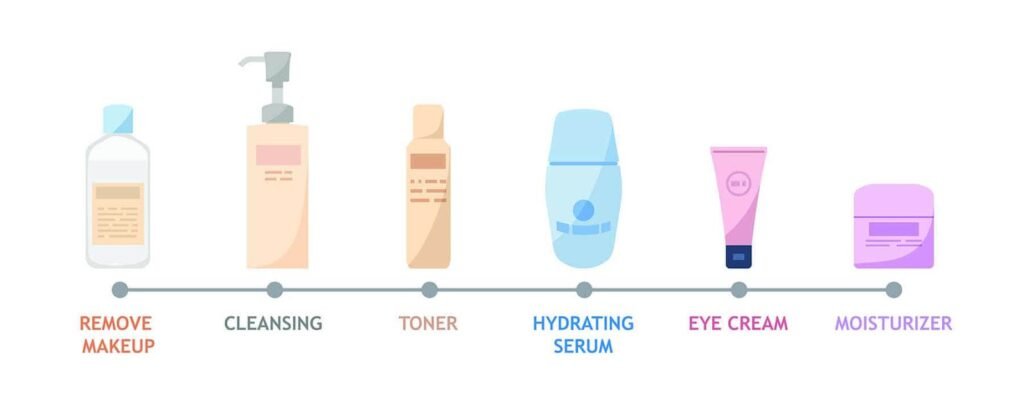
A basic nighttime routine includes cleansing, toning, applying serum, moisturizing, and eye cream. These steps remove impurities and nourish skin overnight, promoting repair and hydration.
How Often Should I Exfoliate In My Nighttime Routine?
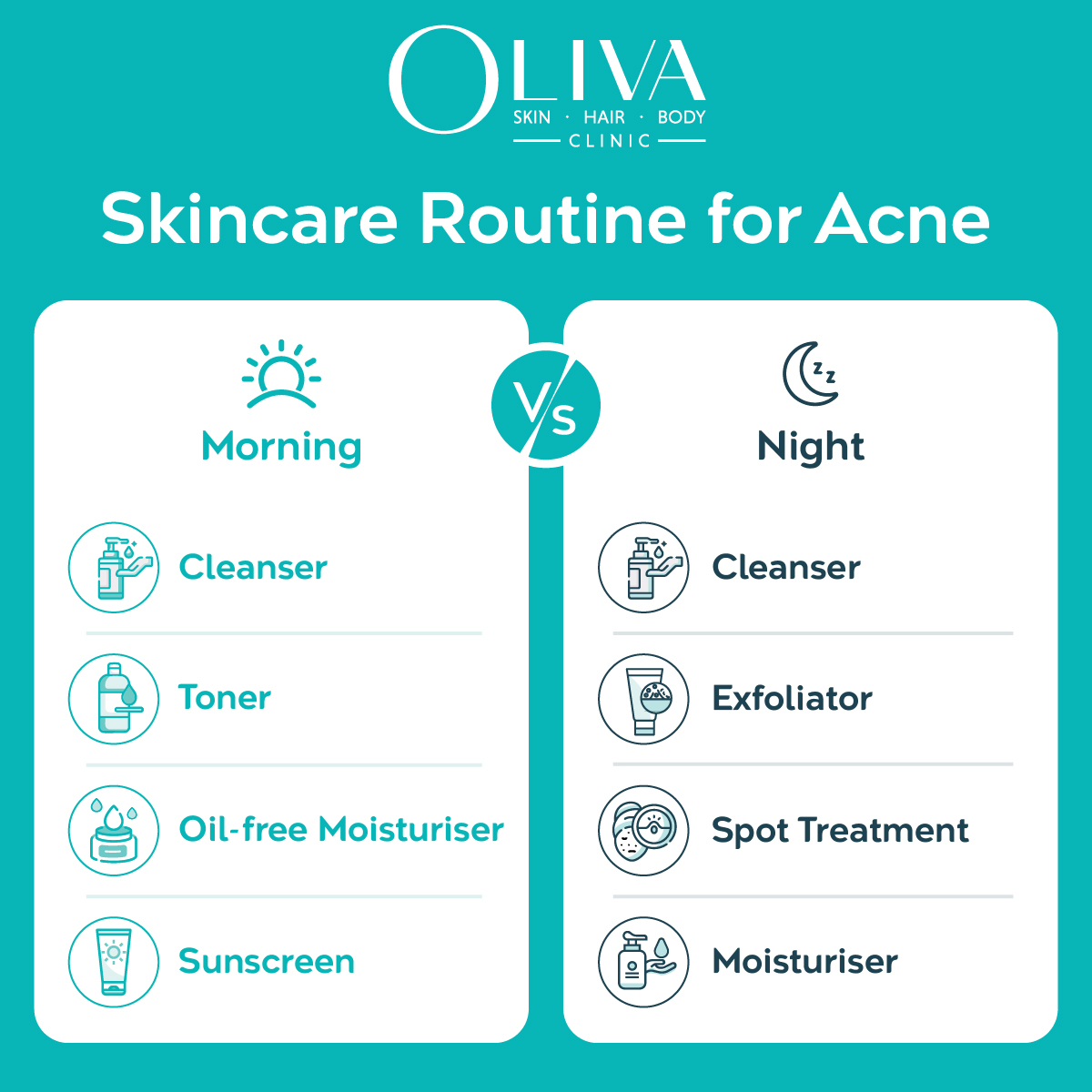
Exfoliate 1-2 times per week at night to remove dead skin cells. Over-exfoliating can irritate skin and disrupt the natural barrier, so moderation is key.
Can I Use Retinol Every Night At Bedtime?
Start with retinol 2-3 nights a week, increasing gradually. Using it every night may cause dryness or sensitivity. Always follow with moisturizer and sunscreen during the day.
Why Is Moisturizing Important Before Sleep?
Moisturizing locks in hydration and repairs the skin barrier overnight. It helps prevent dryness, promotes skin elasticity, and supports natural regeneration while you rest.
Conclusion
A good nighttime skincare routine helps your skin rest and heal. Cleanse gently to remove dirt and makeup before bed. Apply moisturizer to keep skin soft and hydrated all night. Consistency matters more than fancy products or steps. Small, simple habits bring better skin over time.
Your skin will thank you with a fresh, healthy look each morning. Try to stick to a routine that feels easy and natural. Nighttime care is your secret to glowing skin daily.
