
Are you ready to transform your skin while you sleep? A nighttime skincare routine with retinol can do just that.
Retinol is known for its powerful ability to reduce wrinkles, clear acne, and brighten your complexion. But using it the right way is key to getting the best results without irritation. You’ll discover simple steps to build a retinol routine that fits your skin’s needs.
Keep reading, and wake up to healthier, glowing skin every morning.
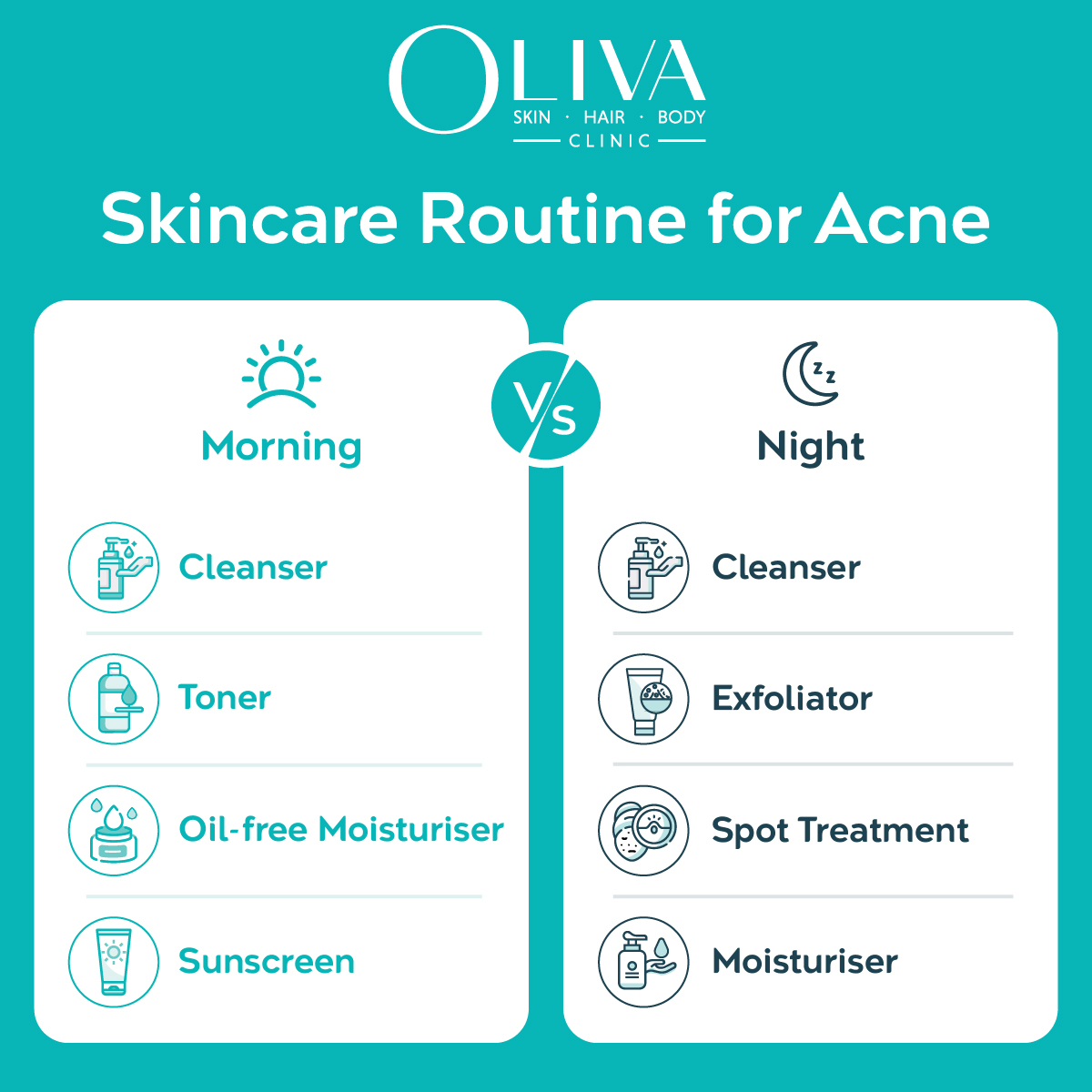
Credit: www.olivaclinic.com
Why Choose Retinol At Night
Choosing retinol for your nighttime skincare routine supports skin health deeply. Retinol works best when your skin is at rest. Nighttime use helps reduce common side effects and boosts results. Here is why retinol fits perfectly into your evening care.
Retinol’s Role In Skin Repair
Retinol encourages skin cell turnover and repair. It helps fade dark spots and smooth fine lines. At night, your skin naturally heals from daily damage. Retinol supports this natural process effectively. Using it at night allows your skin to regenerate faster.
Avoiding Sun Sensitivity
Retinol makes your skin more sensitive to sunlight. Applying it during the day can cause irritation and redness. Night use protects your skin from harmful UV rays. It helps prevent sunburn and damage. Always use sunscreen during the day to protect treated skin.
Maximizing Retinol Effectiveness
Skin absorbs retinol better without sunlight and sweat. Nighttime application ensures the product stays on longer. This improves absorption and performance. Your skin can fully benefit from retinol’s effects. Consistent use at night leads to smoother, clearer skin.
Preparing Your Skin Before Retinol
Preparing your skin before applying retinol is key to getting the best results. Proper prep helps reduce irritation and boosts retinol’s effectiveness. A calm, clean, and hydrated face lets retinol work gently and smoothly.
Gentle Cleansing Tips
Start with a mild cleanser. Avoid harsh soaps that dry out your skin. Use lukewarm water to rinse your face. Pat dry with a soft towel instead of rubbing. Clean skin creates a smooth base for retinol absorption.
Hydration Strategies
Apply a lightweight moisturizer before retinol. Hydrated skin can handle retinol better. Look for ingredients like hyaluronic acid or glycerin. These attract water and keep skin soft. Moisturizing reduces dryness and peeling often caused by retinol.
Exfoliation Dos And Don’ts
- Do exfoliate gently once or twice a week.
- Do use mild chemical exfoliants like lactic acid.
- Don’t scrub your skin hard or use rough scrubs.
- Don’t exfoliate on the same night as retinol application.
Over-exfoliating makes your skin sensitive and prone to irritation. Proper exfoliation removes dead skin cells and helps retinol penetrate better.
How To Apply Retinol Correctly
Applying retinol correctly is key to seeing its benefits without irritation. This powerful ingredient needs careful handling to protect your skin and boost results. Follow clear steps and choose the right product strength for your skin type. Avoid common errors that many make in their routine.
Choosing The Right Concentration
Start with a low concentration of retinol, especially if new to it. Concentrations between 0.25% and 0.5% suit sensitive or dry skin. Oily or more experienced skin types can try 1% or higher. Use a small amount at first to check skin reaction. Gradually increase strength as your skin builds tolerance.
Step-by-step Application
- Cleanse your face with a gentle, non-irritating cleanser.
- Pat your skin dry; avoid rubbing or harsh towels.
- Apply a pea-sized amount of retinol to your face.
- Spread evenly, avoiding the eye area and lips.
- Wait a few minutes before applying moisturizer.
- Use moisturizer to reduce dryness and support skin barrier.
Retinol works best at night because sunlight breaks it down. Always follow with sunscreen the next day to protect your skin.
Avoiding Common Mistakes
- Do not apply retinol on wet skin; it increases irritation.
- Avoid mixing retinol with other strong actives like AHAs or BHAs.
- Don’t skip moisturizer; retinol can dry out skin.
- Limit use to 2-3 times per week at the start.
- Stop using retinol if severe redness or peeling occurs.
- Never use retinol during the day without sunscreen.
Boosting Glow With Complementary Products
Boosting your skin’s glow at night needs more than retinol alone. Using complementary products can improve results and soothe your skin. These additions help your skin heal, stay hydrated, and look brighter by morning.
Serums That Work Well With Retinol
Serums with hyaluronic acid hydrate and calm skin. Vitamin C serums brighten and even skin tone. Niacinamide serums reduce redness and strengthen the skin barrier. Use serums before retinol for better absorption and glow.
Moisturizers For Enhanced Repair
Choose moisturizers with ceramides to repair the skin barrier. Look for products containing peptides to support skin firmness. Creams with squalane help lock in moisture without feeling heavy. Apply moisturizer after retinol to reduce dryness and irritation.
Eye Creams For Nighttime Use
Eye creams with caffeine reduce puffiness and dark circles. Use creams containing peptides to improve skin elasticity around eyes. Gentle, fragrance-free formulas prevent irritation near the delicate eye area. Apply eye cream before moisturizer to protect and hydrate skin at night.
Managing Retinol Side Effects
Retinol is powerful but can cause some unwanted side effects if not managed properly. Understanding how to handle these effects helps you enjoy the benefits without discomfort. Managing retinol side effects means paying close attention to how your skin reacts and adjusting your routine thoughtfully.
Recognizing Irritation Signs
Not every tingle or redness means trouble, but persistent dryness, redness, peeling, or burning are clear signals. You might notice flaky patches or increased sensitivity, especially in the first few weeks. These signs tell you that your skin needs a break or gentler care.
Soothing Remedies
If irritation appears, applying a gentle moisturizer immediately can calm your skin. Look for products with ingredients like ceramides, hyaluronic acid, or aloe vera to restore moisture and reduce redness. Avoid harsh scrubs or alcohol-based toners during this time, as they can worsen irritation.
Adjusting Frequency And Amount
Using too much retinol or applying it every night might overwhelm your skin. Try reducing usage to every other night or applying a pea-sized amount instead of more. How often and how much you use can make all the difference in maintaining comfort while still improving your skin.

Credit: www.youtube.com
Adapting Your Routine For Different Skin Types
Retinol is a powerful ingredient for skin renewal. It works differently on various skin types. Adjusting your nighttime routine ensures the best results without irritation. Understanding your skin type helps prevent dryness, redness, or breakouts. This section explains how to tailor retinol use for sensitive, oily, and dry skin.
Sensitive Skin Tips
- Start with a low concentration of retinol.
- Apply every other night to reduce irritation.
- Use gentle, fragrance-free cleansers and moisturizers.
- Always follow with a hydrating moisturizer to soothe skin.
- Avoid using other strong active ingredients together.
Oily And Acne-prone Skin
- Choose a retinol formula designed for acne control.
- Apply retinol after cleansing and before moisturizer.
- Use non-comedogenic, oil-free products to avoid clogging pores.
- Consider adding a gentle exfoliant 1-2 times per week.
- Monitor skin for dryness or excessive peeling and adjust use.
Dry And Mature Skin Needs
- Opt for a moisturizing retinol serum or cream.
- Apply a rich moisturizer immediately after retinol.
- Limit retinol use to 2-3 times weekly at first.
- Use hydrating masks or oils to boost skin moisture.
- Protect skin with sunscreen every morning to prevent damage.
Long-term Benefits Of Nighttime Retinol Use
Using retinol as part of your nighttime skincare routine offers more than just immediate improvements. The real magic happens over time, as your skin gradually responds to the consistent care. Many people notice changes only after weeks or months, but these long-term benefits can transform your skin’s health and appearance in meaningful ways.
Improved Skin Texture
Retinol encourages your skin to shed dead cells and produce new ones faster. This process smooths rough patches and helps reduce bumps caused by clogged pores. You might find your skin feeling softer and looking more polished with regular use.
Think about how your skin reacts after a week without exfoliating—often dull and uneven. Retinol acts like a gentle, ongoing exfoliant working while you sleep. Have you noticed your skin texture improving after a few weeks of retinol use?
Reduced Fine Lines And Wrinkles
Fine lines and wrinkles form when collagen breaks down and skin loses elasticity. Retinol supports collagen production, helping your skin stay firm and youthful. Over months, you may see these lines becoming less visible.
Many people share stories of their skin looking firmer and smoother after retinol use. It’s not an overnight fix but a steady improvement. What small changes have you noticed in your skin’s firmness since starting retinol?
Brighter, Even Skin Tone
Retinol helps fade dark spots and uneven patches by speeding up cell turnover. This can reduce the appearance of sun damage and acne scars over time. Your complexion may look clearer and more radiant.
If you’ve struggled with dullness or discoloration, retinol can be a game-changer. It gradually brings fresh, healthy skin to the surface. How much brighter could your skin look with consistent nighttime retinol use?
Credit: www.lemon8-app.com
Frequently Asked Questions
What Is The Best Way To Use Retinol At Night?
Apply a pea-sized amount of retinol after cleansing and toning. Follow with moisturizer to reduce irritation and enhance absorption. Use retinol 2-3 times weekly initially, increasing frequency as tolerated to build skin tolerance safely.
Can Retinol Cause Dryness In Nighttime Skincare?
Yes, retinol can cause dryness and peeling initially. Use a gentle moisturizer after applying retinol to maintain hydration. Start with a lower concentration and gradually increase to minimize dryness and irritation effectively.
How Long Does Retinol Take To Show Results?
Retinol usually shows visible improvements in 4 to 12 weeks. Consistent nighttime use improves texture, reduces fine lines, and evens skin tone over time. Patience and regular application are key for best results.
Should I Avoid Any Products With Retinol At Night?
Avoid using retinol with exfoliating acids or vitamin C in the same routine. These combinations can cause irritation and reduce effectiveness. Use retinol separately at night and other actives in the morning or alternate nights.
Conclusion
A nighttime skincare routine with retinol is simple yet effective. It helps renew and refresh your skin overnight. Consistency is key for visible results. Start with clean skin, apply retinol, and moisturize. Be gentle and patient. Retinol can cause dryness at first.
Gradually, your skin will adapt. Use a sunscreen daily to protect your skin. Avoid harsh products that irritate. Listen to your skin’s needs. Adjust your routine as necessary. Embrace the journey to healthier skin. With time, your skin will thank you.
Enjoy your path to a glowing, youthful complexion.
