
Imagine waking up every morning with skin that feels as refreshed as you do after a good night’s sleep. Your nighttime skincare routine can be the secret to achieving that dream-like complexion.
By dedicating just a few minutes each evening to your skin, you can unlock a radiant glow that turns heads and boosts your confidence. This guide is crafted to help you understand the essential steps in a nighttime skincare routine, tailored to meet your unique needs.
Let’s explore how you can transform your nightly ritual into a soothing experience that works wonders while you rest. Ready to uncover the secrets to healthier, more beautiful skin? Keep reading to discover each step that can make all the difference.

Credit: www.bellinispdx.com
Why Nighttime Care Matters
Nighttime skincare is more than just a routine; it’s a crucial part of keeping your skin healthy and glowing. While you sleep, your skin enters repair mode, making this the best time to nourish and fix damage from the day. Skipping this step means missing out on the chance to help your skin recover and strengthen.
How Skin Repairs Itself Overnight
Your skin works hard at night to heal. It produces new cells and boosts collagen, which keeps your skin firm and smooth.
Without proper care, this natural repair can slow down, leading to dullness and early signs of aging. Have you noticed your skin looking tired even after a full night’s sleep? That could be a sign you need better nighttime care.
Why Cleansing At Night Is Essential
During the day, your skin collects dirt, oil, and pollution. If you don’t cleanse properly before bed, these can clog your pores and cause breakouts.
Washing your face at night clears away impurities, helping your skin breathe and absorb treatments better. It’s a simple step that makes a big difference in how your skin feels and looks.
The Role Of Moisturizing While You Sleep
Moisturizing at night helps prevent dryness and supports the skin’s barrier. Your skin loses moisture while you sleep, so adding a rich moisturizer keeps it hydrated and plump.
Think of it as feeding your skin with what it needs to stay resilient. Have you felt the difference when you skip moisturizing before bed? Your skin likely feels tight or flaky the next morning.
Boosting Effectiveness With Targeted Treatments
Nighttime is perfect for using treatments like retinoids, serums, or acids. These ingredients can be stronger because your skin isn’t exposed to sunlight, which can break them down.
Applying targeted products at night can improve issues like acne, wrinkles, and dark spots faster. Are you ready to get more out of your skincare products by timing them right?

Credit: www.colorescience.com
Cleansing Techniques
Cleansing is the foundation of any effective nighttime skincare routine. It removes dirt, oil, makeup, and pollutants from the skin. Proper cleansing helps prevent clogged pores and dullness. It prepares the skin to absorb treatments and moisturizers better. Using the right techniques ensures a clean and refreshed complexion without stripping natural oils.
Double Cleansing Method
Double cleansing involves two steps to thoroughly clean the skin. First, use an oil-based cleanser to dissolve makeup and sunscreen. This step breaks down stubborn impurities gently. Next, follow with a water-based cleanser to remove sweat and dirt. This second cleanse leaves the skin feeling fresh and clean. This method suits all skin types, especially oily and combination skin.
Choosing The Right Cleanser
Select a cleanser that matches your skin type and concerns. For dry skin, choose a hydrating, creamy formula. Oily skin benefits from foaming or gel cleansers that control shine. Sensitive skin needs gentle, fragrance-free cleansers to avoid irritation. Consider ingredients like aloe vera, chamomile, or hyaluronic acid for soothing effects. Avoid harsh soaps that can dry out or damage skin.
Exfoliation Tips
Exfoliation is a crucial part of your nighttime skincare routine. It helps remove dead skin cells, unclog pores, and reveal a brighter complexion. But choosing the right exfoliant and knowing how often to use it can make all the difference in your skin’s health and glow.
Physical Vs Chemical Exfoliants
Physical exfoliants use small grains, beads, or tools to manually scrub away dead skin. They give immediate smoothness but can be too harsh if used aggressively or on sensitive skin.
Chemical exfoliants rely on acids like AHAs (glycolic, lactic) or BHAs (salicylic acid) to dissolve dead cells gently over time. These tend to be more effective for acne-prone or uneven skin without the risk of microtears.
Think about your skin type and sensitivity before picking one. Have you noticed irritation from scrubbing before? A chemical exfoliant might be safer and more comfortable for you.
How Often To Exfoliate
Exfoliating too often can damage your skin barrier, causing redness and dryness. On the other hand, skipping exfoliation might leave your skin dull and clogged.
- For sensitive skin, exfoliating 1-2 times a week is enough.
- Normal or combination skin can handle 2-3 times a week.
- Oily or acne-prone skin might benefit from 3 times a week, but listen to your skin’s reaction closely.
Pay attention to how your skin feels afterward. Does it look refreshed or irritated? Adjust the frequency based on these signs to find your perfect balance.
Toning Benefits
Toning is a key step in any nighttime skincare routine. It helps balance the skin’s pH after cleansing. Toning also removes leftover dirt and oil that a cleanser might miss. It prepares the skin to absorb serums and moisturizers better. Using a toner regularly can improve skin texture and reduce the look of pores.
Selecting A Suitable Toner
Choose a toner based on your skin type. For dry skin, pick a hydrating toner with ingredients like glycerin or aloe vera. Oily or acne-prone skin benefits from toners containing salicylic acid or witch hazel. Sensitive skin needs alcohol-free and fragrance-free toners to avoid irritation. Always check the label to avoid harsh chemicals that can dry or damage your skin.
Application Methods
Apply toner gently to avoid skin irritation. Use a cotton pad to swipe toner across your face. Alternatively, pour a few drops into your palms and pat it onto your skin. Avoid rubbing or pulling the skin. Let the toner dry naturally before moving to the next skincare step. Consistency is important for toning to show its benefits.
Serums And Treatments
Serums and treatments are key parts of a nighttime skincare routine. They deliver powerful ingredients deep into the skin. These products work overnight to repair and nourish your skin. Applying them correctly helps improve skin texture and tone. You can choose serums and treatments based on your skin needs. They target issues like dryness, dullness, or wrinkles. Using these products regularly brings better skin health and glow.
Popular Nighttime Serums
Many serums suit nighttime use. Some common types include:
- Hyaluronic acid serum for hydration
- Retinol serum to reduce wrinkles
- Vitamin C serum for brightening
- Niacinamide serum to calm redness
- Peptide serum to boost collagen
These serums absorb easily and work best on clean skin. Apply a few drops gently on your face. Let them dry before the next step.
Targeting Specific Skin Concerns
Choose serums and treatments based on your skin problems. For dry skin, pick hydrating serums with glycerin or hyaluronic acid. For acne, use serums with salicylic acid or tea tree oil. Aging skin benefits from retinol or peptide serums. Sensitive skin needs calming ingredients like aloe vera or chamomile. Always patch test new products to avoid irritation. Consistency is key to seeing real results in skin health.
Moisturizing Essentials
Moisturizing is a key part of any nighttime skincare routine. It helps repair skin from daily damage and keeps it soft. At night, your skin needs more hydration and nourishment than during the day. Choosing the right moisturizer supports your skin’s natural healing process. It also prevents dryness and dullness by locking in moisture.
Night Creams Vs Day Creams
Night creams are thicker and richer than day creams. They contain ingredients that work best while you sleep. Day creams often include SPF and lighter textures to protect skin from sun and pollution. Night creams focus on repair and deep hydration. They help reduce fine lines and improve skin texture overnight.
Choosing a cream depends on your skin type and needs. Use night cream only at bedtime. Use day cream in the morning for protection and moisture.
Ingredients To Look For
Good night moisturizers contain ingredients that boost skin healing and hydration. Look for:
- Hyaluronic Acid – holds moisture and plumps skin
- Retinol – helps with cell renewal and smooths wrinkles
- Peptides – support collagen production for firmness
- Antioxidants – protect skin from damage and calm inflammation
- Niacinamide – evens skin tone and improves texture
- Natural oils – nourish and soften dry skin
Avoid heavy fragrances and harsh chemicals. They can irritate skin overnight. Pick ingredients suited for your skin type and concerns.
Eye Care Routine
Your eyes reveal a lot about your overall health and well-being. An effective nighttime eye care routine helps reduce signs of fatigue and keeps the delicate skin around your eyes healthy. Taking a few focused steps before bed can make a visible difference by morning.
Reducing Puffiness And Dark Circles
Puffiness and dark circles often appear when fluid builds up or blood circulation slows around your eyes. Gently massaging the area with your ring finger can improve circulation and reduce swelling. Applying a cold compress or chilled spoons for a few minutes also helps shrink puffiness.
Hydration plays a key role here. Drinking enough water throughout the day prevents your body from retaining excess fluid under your eyes. Have you noticed that skipping sleep or eating salty food worsens your dark circles? That’s because these factors disrupt your natural balance.
Best Eye Creams For Night
Look for eye creams containing ingredients like hyaluronic acid, peptides, and retinol. These components work overnight to hydrate, firm, and boost collagen production. If your skin is sensitive, start with a gentle formula and patch test to avoid irritation.
- Hyaluronic Acid:Locks in moisture for plump, smooth skin.
- Peptides:Stimulate collagen to reduce fine lines.
- Retinol:Speeds up cell turnover and fades dark spots.
Applying eye cream with a light tapping motion avoids stretching the delicate skin. Have you tried switching to a night-specific eye cream? Many find it absorbs better and delivers stronger results while you sleep.
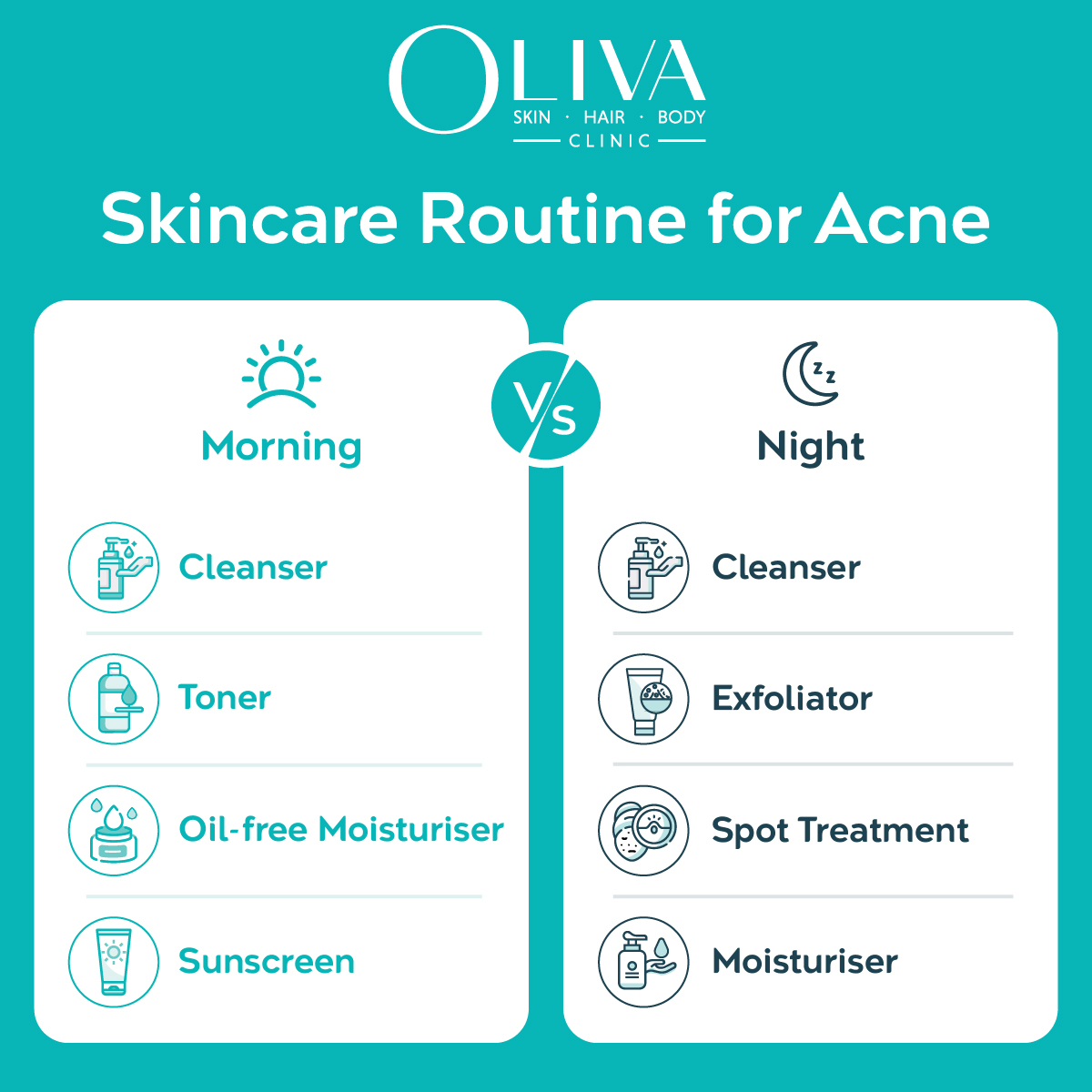
Credit: www.olivaclinic.com
Lip Care At Night
Your lips work hard every day, facing dryness, cracking, and exposure to harsh elements. Nighttime offers the perfect opportunity to restore and nurture them while you sleep. Taking care of your lips before bed can make a noticeable difference in softness and overall lip health.
Hydrating Lip Balms
Choose a lip balm packed with nourishing ingredients like shea butter, beeswax, or coconut oil. These help lock in moisture and create a protective barrier overnight. Applying a generous layer before bed prevents dryness and peeling by morning.
Look for balms without fragrances or artificial colors to avoid irritation. You might be surprised how a simple change in your lip balm can soothe persistent chapping. Have you ever woken up with lips that feel smoother than you expected? That’s the power of good hydration.
Diy Lip Treatments
You don’t need fancy products to pamper your lips at night. Mix a teaspoon of honey with a few drops of olive oil for a natural, moisturizing mask. Honey’s antibacterial properties combined with olive oil’s rich fats repair and soften your lips effectively.
Another easy treatment is a sugar and coconut oil scrub to gently exfoliate dead skin before applying balm. Try this a couple of times a week to reveal fresh, smooth lips. Are you ready to experiment with these simple home remedies and see how your lips respond?
Additional Tips For Glowing Skin
Glowing skin doesn’t just come from the products you apply at night. It thrives on habits that support your skin’s natural functions. Paying attention to hydration, diet, and sleep can transform your skin’s appearance and health more than you might expect.
Hydration And Diet
Water is your skin’s best friend. Drinking enough water flushes out toxins and keeps your skin plump and radiant. Think about how your skin feels after a day of drinking little water versus a day when you stay well-hydrated—you’ll notice the difference immediately.
What you eat shows on your skin. Foods rich in antioxidants, like berries and leafy greens, fight skin damage. Adding healthy fats from sources like avocados and nuts helps maintain your skin’s moisture barrier.
- Drink at least 8 glasses of water daily
- Include vitamin C-rich fruits for collagen support
- Limit sugar and processed foods to reduce inflammation
Sleep And Skin Repair
Sleep is when your skin gets to work repairing itself. During deep sleep, your body produces collagen, a protein that keeps skin firm and smooth. Missing out on sleep can cause dullness and fine lines that no cream can fix alone.
Have you noticed dark circles or puffiness after a restless night? That’s your skin begging for rest. Try to keep a consistent sleep schedule and create a calm bedtime environment to help your skin regenerate effectively.
Frequently Asked Questions
What Are The Essential Steps In A Nighttime Skincare Routine?
A nighttime skincare routine includes cleansing, toning, applying serums, moisturizing, and eye cream. These steps remove impurities and nourish skin overnight for a fresh appearance.
How Does A Nighttime Routine Benefit Your Skin?
Nighttime routines help repair skin damage, boost hydration, and promote cell renewal. Skin absorbs products better at night, improving overall texture and health.
Can I Skip Moisturizer In My Night Routine?
Skipping moisturizer is not recommended. It locks in hydration and supports skin repair during sleep. Choose a moisturizer suitable for your skin type.
How Often Should I Exfoliate In My Night Routine?
Exfoliate 1-3 times weekly depending on your skin sensitivity. Over-exfoliation can cause irritation. Use gentle exfoliants to remove dead skin cells effectively.
Conclusion
A good nighttime skincare routine helps your skin stay healthy and fresh. Cleanse, tone, and moisturize every night for best results. Give your skin time to repair and renew while you sleep. Small steps done daily can make a big difference.
Stick to simple products that suit your skin type. Enjoy the calm and care your skin deserves before bed. Consistency is key for glowing, smooth skin. Try to make this routine a relaxing habit each night. Your skin will thank you in the morning.
