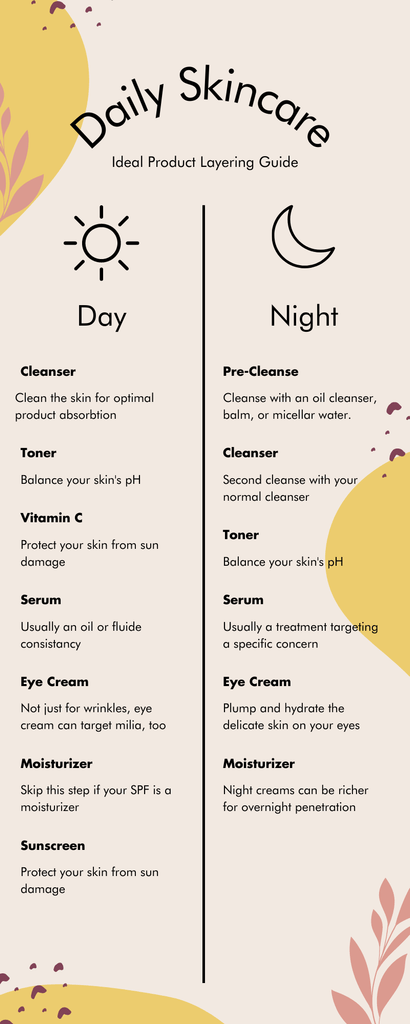
Your skin works hard during the day, and nighttime is when it truly repairs and renews itself. But are you giving it the right care in the right order?
The secret to glowing, healthy skin lies not just in the products you use, but in how and when you apply them. If you want to wake up to a fresher, clearer, and more radiant face, understanding the correct nighttime skincare routine order is key.
Keep reading, because mastering this simple sequence can transform your skin and boost your confidence every morning.
Why Nighttime Care Matters
Nighttime skincare is more than just a routine. It helps your skin heal and renew. During sleep, your skin works to repair damage from the day. This is the perfect time to support that natural process.
Using the right products at night can improve skin texture and brightness. It reduces signs of aging and dryness. Good nighttime care keeps your skin healthy and fresh.
Skin Repair Happens Mostly At Night
Skin cells regenerate faster while you sleep. Damaged cells get replaced with new ones. Nighttime products help speed up this repair.
Better Absorption Of Skincare Products
The skin absorbs creams and serums better at night. There is no sun or pollution to block them. This makes treatments more effective.
Prevents Daytime Damage
Night care strengthens the skin’s barrier. It protects against pollution and UV rays during the day. A strong barrier keeps skin smooth and clear.
Reduces Signs Of Aging
Night creams often contain ingredients that fight wrinkles. They help skin stay firm and elastic. Regular use slows down visible aging.
Hydration And Nourishment
Skin loses moisture overnight. Night creams lock in hydration. They keep skin soft and prevent dryness.
Credit: www.lemon8-app.com
Cleansing Techniques
Cleansing is the first and most important step in any nighttime skincare routine. It removes dirt, oil, makeup, and pollution from the skin. Proper cleansing prepares your skin to absorb the products that follow. Choosing the right technique and cleanser can improve your skin’s health and appearance. Here are two key points to consider for effective cleansing.
Double Cleansing Method
The double cleansing method uses two different types of cleansers in a sequence. Start with an oil-based cleanser. It breaks down makeup and excess oils on your skin’s surface. Follow with a water-based cleanser. This removes sweat, dirt, and leftover residue. Double cleansing ensures a deep clean without stripping your skin’s natural moisture. It works well for all skin types, especially oily and combination skin.
Choosing The Right Cleanser
Select a cleanser based on your skin type and concerns. For dry skin, use gentle cream or lotion cleansers. They hydrate while cleansing. Oily skin benefits from foaming or gel cleansers that control oil. Sensitive skin needs mild, fragrance-free cleansers to avoid irritation. Check ingredient lists for harsh chemicals or alcohol. A good cleanser leaves your skin feeling clean and soft, never tight or dry.
Exfoliation Tips
Exfoliation plays a key role in a good nighttime skincare routine. It helps remove dead skin cells, making your skin smooth and bright. Careful exfoliation also clears pores and helps other products work better. Knowing how to exfoliate correctly keeps skin healthy and prevents irritation.
Chemical Vs Physical Exfoliants
Chemical exfoliants use acids or enzymes to dissolve dead skin cells. They are gentle and work below the surface. Common types include AHAs (like glycolic acid) and BHAs (like salicylic acid). These are good for sensitive or acne-prone skin.
Physical exfoliants use small grains or tools to scrub the skin. Examples include scrubs, brushes, or sponges. They remove dead cells by friction. These work well for normal skin but can irritate sensitive skin if used too hard.
How Often To Exfoliate
The right frequency depends on your skin type and the exfoliant used. Most people benefit from exfoliating 1 to 3 times per week. Over-exfoliating can cause redness and dryness.
- For sensitive skin, exfoliate once a week.
- For normal or oily skin, exfoliate 2 to 3 times a week.
- Use chemical exfoliants more gently and less often if your skin is dry.
Observe your skin’s reaction and adjust how often you exfoliate. Consistency with care keeps skin glowing and healthy.
Credit: colairbeautylounge.com
Toning Benefits
Toning is an essential step in a nighttime skincare routine. It helps balance the skin’s pH, tightens pores, and removes leftover dirt after cleansing. Using toner prepares the skin to absorb moisturizers and serums better. It also refreshes the skin and can soothe irritation.
Selecting Toners For Your Skin Type
Choose a toner that fits your skin’s needs. For dry skin, pick hydrating toners with ingredients like glycerin or aloe vera. Oily skin benefits from toners with salicylic acid or witch hazel to control shine and reduce acne. Sensitive skin requires gentle, alcohol-free formulas with calming ingredients like chamomile. Normal skin can use light, balancing toners to maintain healthy skin.
Applying Toner Correctly
Apply toner right after cleansing your face. Use a cotton pad or your clean hands to spread the toner evenly. Avoid rubbing harshly to prevent irritation. Let the toner dry naturally before adding serums or moisturizer. This step helps your skin fully absorb the next products in your routine.
Serum Application
Applying serums is a crucial step in your nighttime skincare routine. Serums are lightweight, concentrated formulas packed with active ingredients that target specific skin concerns. Getting the order right helps these powerful products absorb effectively and deliver maximum benefits to your skin overnight.
Popular Serums For Glowing Skin
Some serums are especially known for boosting radiance and giving your skin a natural glow. Vitamin C serums brighten dull complexions and even out skin tone. Hyaluronic acid serums deeply hydrate and plump the skin, making it look fresh and dewy.
Niacinamide serums help reduce redness and refine pores, giving your skin a smoother appearance. Retinol serums promote cell turnover, which can improve texture and add a youthful glow. You don’t need all of them—choose what suits your skin type and concerns.
Layering Multiple Serums
Using more than one serum can enhance your skincare results, but layering them correctly is key. Apply the thinnest, water-based serums first, followed by thicker, oil-based ones. This order helps each product penetrate without blocking the others.
Be mindful of ingredient interactions. For example, avoid layering retinol with vitamin C to prevent irritation. Instead, use vitamin C in the morning and retinol at night, or alternate nights. Have you tried layering serums? Which combinations worked best for your skin?
Credit: www.lemon8-app.com
Moisturizing Essentials
Moisturizing is a crucial step in your nighttime skincare routine. It helps repair your skin while you sleep and locks in all the benefits of the products you applied earlier. Choosing the right moisturizer and understanding its ingredients can make a big difference in your skin’s health and appearance.
Night Creams Vs Day Creams
Night creams are thicker and richer than day creams. They focus on deep hydration and skin repair, which happens mostly at night. Day creams, on the other hand, are lighter and often contain SPF to protect your skin from sun damage.
Have you noticed your skin feels dry or tight in the morning? Switching to a night cream might solve that problem. Night creams usually contain ingredients that are too heavy for daytime use but perfect for overnight nourishment.
Ingredients To Look For
Look for moisturizers with hyaluronic acid, which holds moisture and plumps your skin. Peptides help boost collagen, improving skin firmness over time. Antioxidants like vitamin C and E protect your skin from damage caused by free radicals.
Retinol is another powerful ingredient found in many night creams. It speeds up cell turnover, revealing fresher skin but can be irritating if you’re new to it. Start with a low concentration and see how your skin reacts before using it regularly.
- Hyaluronic Acid:Hydrates and plumps skin
- Peptides:Support collagen production
- Antioxidants:Protect against environmental damage
- Retinol:Promotes cell renewal
What ingredients does your current moisturizer have? Checking the label could help you choose a product that truly meets your skin’s needs.
Eye Care Steps
Eye care is a vital part of any nighttime skincare routine. The skin around the eyes is thin and delicate. It needs gentle care and the right products. Proper eye care helps reduce puffiness, dark circles, and fine lines. It also keeps the skin hydrated and healthy. This section explains how to choose eye creams and apply them correctly.
Choosing Eye Creams
Select eye creams based on your skin concerns. Look for ingredients that soothe and repair skin. Common ingredients include:
- Hyaluronic acid for hydration
- Peptides to boost collagen
- Caffeine to reduce puffiness
- Vitamin C for brightening
- Retinol to smooth fine lines
Choose creams made for sensitive skin to avoid irritation. Pick a cream with a light texture for easy absorption. Avoid heavy or greasy formulas that can cause milia.
Techniques For Application
Use your ring finger to apply eye cream gently. This finger applies the least pressure. Dot small amounts of cream under the eyes and on the brow bone. Avoid applying too close to the lash line. Pat the cream softly into the skin. Do not rub or pull the skin.
Allow the cream to absorb fully before moving to the next step. Consistent, gentle application improves results over time.
Targeted Treatments
Targeted treatments are essential in a nighttime skincare routine. They focus on specific skin concerns and work deeply while you rest. These treatments help improve skin texture, reduce blemishes, and boost overall skin health. Applying them in the right order maximizes their benefits and prevents irritation.
Spot Treatments
Spot treatments tackle pimples and blemishes directly. Use a clean finger or cotton swab to apply the product. Apply only on the affected area. Ingredients like salicylic acid or benzoyl peroxide help reduce inflammation and clear pores. Allow the treatment to dry before moving to the next step. Avoid applying spot treatments all over the face to prevent dryness.
Face Oils And Masks
Face oils nourish and lock in moisture. Apply them after lighter treatments for better absorption. Use a few drops and gently press into the skin. Masks provide intense care and target multiple concerns. Choose masks based on your skin type and concerns. Use masks 1-2 times a week. Always follow with a moisturizer to seal in benefits.
Final Touches
Final touches complete your nighttime skincare routine. They help protect and seal in all the benefits from previous steps. These small steps make a big difference for healthy skin.
Lip Care
Lips need special attention at night. Use a moisturizing lip balm to prevent dryness and cracks. Gently apply a thick layer to keep lips soft and smooth. This step guards your lips from losing moisture during sleep.
Setting Your Routine
Lock in moisture and products with a light facial oil or sleeping mask. These act as a barrier, protecting skin from dryness. Choose a product that suits your skin type for best results.
Consistency is key. Follow the same routine every night for better skin health. Your skin will thank you with a fresh and glowing look each morning.
Common Mistakes To Avoid
Many people make mistakes in their nighttime skincare routine. These errors can reduce the benefits of your products and harm your skin. Avoiding common mistakes helps keep your skin healthy and glowing. Simple changes can improve your routine greatly.
Skipping Cleansing Or Not Cleansing Properly
Some skip cleansing to save time. Dirt, oil, and makeup stay on the skin. This clogs pores and causes breakouts. Use a gentle cleanser to remove impurities fully. Double cleansing works well for heavy makeup or sunscreen.
Applying Products In The Wrong Order
Order matters in skincare. Applying heavy creams before serums blocks absorption. Start with lighter products like toners and serums. Finish with thicker creams or oils. This helps active ingredients reach the skin better.
Using Too Much Product
More product does not mean better results. Thick layers can clog pores and cause irritation. Use a pea-sized amount for most products. Spread evenly and gently on your face. Your skin will absorb products more effectively.
Ignoring The Neck And Jawline
Many focus only on the face. The neck and jawline also show aging signs. Extend your routine to these areas. Use the same products to keep skin smooth and firm.
Not Waiting Between Steps
Applying products too quickly can reduce their effect. Give each product time to absorb. Wait 30 to 60 seconds before the next step. This lets your skin fully benefit from each product.
Frequently Asked Questions
What Is The Correct Order For Nighttime Skincare Routine?
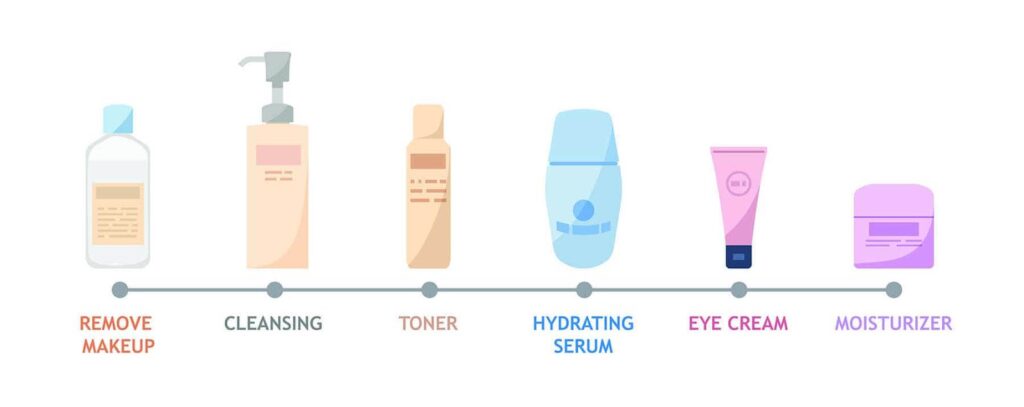
Start with cleansing, then toning to balance pH. Apply serums next for targeted treatment. Follow with moisturizer to hydrate. Finish with eye cream and spot treatments if needed. This order ensures maximum absorption and effectiveness of each product.
How Often Should I Exfoliate In My Nighttime Routine?
Exfoliate 1-3 times a week depending on your skin type. Over-exfoliating can cause irritation and dryness. Use gentle exfoliants to remove dead skin cells. Avoid exfoliating on the same night as retinoids or acids for best results.
Can I Apply Serum Before Or After Moisturizer?
Apply serum before moisturizer for better absorption. Serums contain concentrated active ingredients that penetrate deeply. Moisturizer locks in hydration and creates a protective barrier. Applying serum first maximizes its benefits and enhances your nighttime skincare routine.
Should I Use Toner In My Nighttime Skincare Routine?
Yes, toner helps restore skin’s pH balance after cleansing. It prepares skin to absorb serums and moisturizers better. Choose alcohol-free toners with soothing ingredients to avoid dryness. Toner is an important step for clean, refreshed skin at night.
Conclusion
A good nighttime skincare routine is essential for healthy skin. Follow the steps in order for best results. Cleanse to remove dirt and makeup. Apply toner to balance your skin. Use serum to target specific concerns. Moisturize to lock in hydration.
Don’t forget eye cream to protect delicate areas. Consistency is key. Stick to your routine nightly. Over time, your skin will thank you. Glowing, healthy skin is within reach. Start your routine tonight and see the difference.