Picture this: You’ve had a long, exhausting day, and all you want is to crawl into bed. But wait—your skin craves a little love and care before you doze off.
Enter your night time skin care routine, a simple yet transformative ritual that can make a world of difference. Did you know that nighttime is when your skin does most of its repair work? It’s true! While you sleep, your skin is hard at work, regenerating and rejuvenating itself.
By following the right order of products, you can help maximize these benefits, ensuring you wake up to a fresher, more radiant complexion. Curious about the perfect sequence to supercharge your skin’s nightly repair? Let’s dive in and unveil the secrets to a flawless nighttime routine that your skin will thank you for.
Why Night Care Matters
Night care plays a crucial role in maintaining healthy skin. During the day, skin faces many challenges like pollution, sun damage, and dirt. Nighttime is the perfect chance to restore and nourish your skin deeply. This period allows your skin to heal and regain its strength for the next day.
Skin Repair During Sleep
Sleep triggers natural repair processes in your skin. Cells regenerate faster at night. Damaged skin cells are replaced with new ones. Collagen production increases, which improves skin elasticity. This repair helps reduce fine lines and wrinkles. Night care products support these natural functions. They provide essential nutrients and hydration while you rest.
Benefits Of Nighttime Routine
- Deep cleansing removes impurities and excess oil.
- Moisturizers lock in hydration for soft skin.
- Serums deliver concentrated ingredients for repair.
- Reduces signs of aging like dullness and dryness.
- Improves skin texture and tone over time.
- Prepares skin for better absorption of daytime products.
Following a night care routine helps your skin look fresh and healthy. It supports long-term skin health and beauty.
Pre-cleansing Steps
Before you dive into the full cleansing routine, there are key pre-cleansing steps that set the stage for healthier skin. These steps help remove surface impurities and prepare your skin to absorb the benefits of the products you apply afterward. Taking time here can make a noticeable difference in how clean and refreshed your face feels by morning.
Removing Makeup Effectively
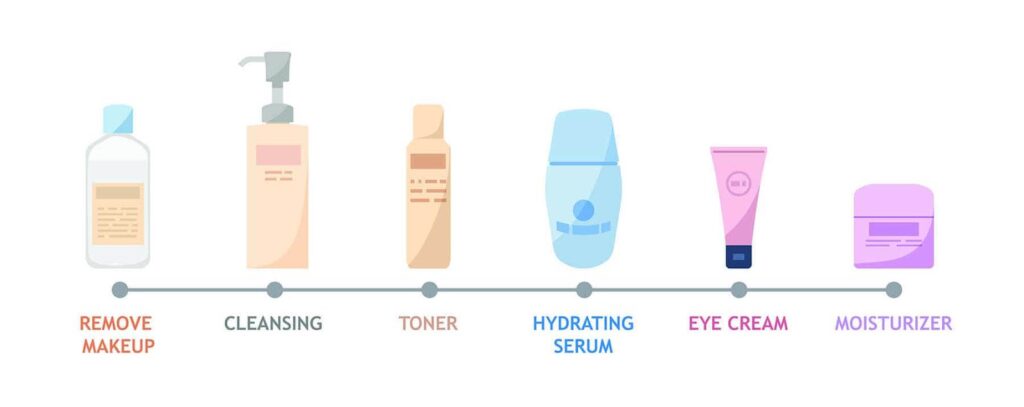
Makeup can clog pores and trap dirt, so removing it thoroughly is essential. Use a gentle makeup remover or micellar water on a cotton pad to dissolve foundation, mascara, and lipstick without harsh rubbing.
Don’t rush through this step. Take your time to gently wipe away all traces of makeup, especially around the eyes and lips where buildup is common. Have you noticed how skipping this step leaves your skin feeling dull or congested the next day?
Choosing The Right Cleanser
Not all cleansers are created equal, and picking one that matches your skin type is crucial. If your skin is dry, a cream-based cleanser adds moisture while cleansing. For oily or acne-prone skin, a foaming or gel cleanser removes excess oil without stripping your skin.
Think about how your skin reacts after cleansing. Does it feel tight or irritated? That’s a sign to switch to a gentler formula. Your cleanser should leave your skin feeling clean but comfortable, not tight or squeaky.
Deep Cleansing Techniques
Deep cleansing is the foundation of an effective night time skin care routine. It removes the day’s buildup of dirt, oil, and makeup that can clog pores and cause breakouts. Getting your skin truly clean helps your other products work better and keeps your complexion healthy and glowing.
Double Cleansing Method
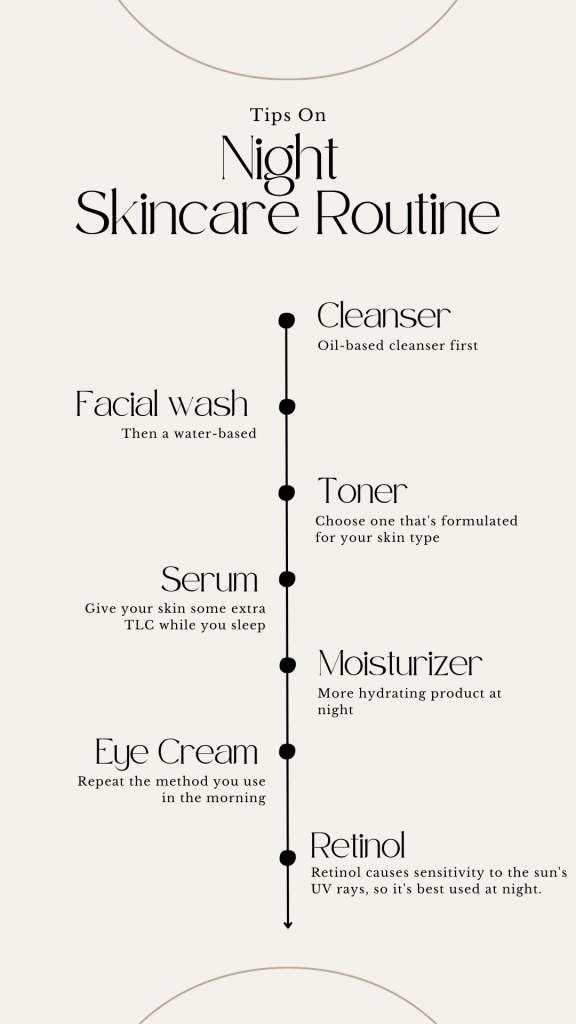
The double cleansing method uses two types of cleansers: an oil-based one followed by a water-based one.
- First cleanse:Use an oil-based cleanser or balm to dissolve makeup, sunscreen, and excess sebum.
- Second cleanse:Follow with a gentle water-based cleanser to remove sweat, dirt, and any residue left behind.
I found that switching to double cleansing cleared up stubborn clogged pores that regular washing never touched. You don’t need harsh scrubs or strong chemicals; just the right order of products can make a big difference. Have you noticed your skin feeling cleaner or fresher after double cleansing?
Cleansing Tools And Tips
Cleansing tools can boost your routine but picking the right one is key. Soft silicone brushes are gentle and help lift impurities without irritating your skin. Avoid rough sponges or brushes if your skin is sensitive.
- Use lukewarm water to open pores before cleansing and rinse with cool water to close them.
- Pat your skin dry with a clean towel instead of rubbing to avoid irritation.
- Replace or clean your cleansing tool regularly to prevent bacteria buildup.
Tools can make cleansing feel like a spa moment, but they also improve how well your cleanser works. Have you tried any cleansing gadgets, and did they change your skin’s texture or clarity?

Credit: www.colorescience.com
Exfoliation Essentials
Exfoliation is a key step in any night time skin care routine. It helps remove dead skin cells and clears pores. This allows your skin to absorb other products better. Exfoliating also promotes a smoother and brighter complexion. Knowing the right exfoliants and how often to use them is important to avoid irritation.
Types Of Exfoliants
Exfoliants come in two main types: physical and chemical.
- Physical exfoliantsuse small particles or brushes to scrub away dead skin cells. Examples include sugar scrubs, facial brushes, and exfoliating gloves.
- Chemical exfoliantsuse acids or enzymes to dissolve dead skin. Common types are alpha hydroxy acids (AHAs), beta hydroxy acids (BHAs), and enzymes from fruits like papaya or pineapple.
Chemical exfoliants are gentler and work well for sensitive skin. Physical exfoliants provide instant smoothness but can be harsh if overused.
How Often To Exfoliate
The frequency of exfoliation depends on your skin type and the product strength.
- For normal or oily skin, exfoliating 2 to 3 times a week is usually enough.
- Dry or sensitive skin types should exfoliate once a week to avoid dryness or irritation.
- Chemical exfoliants with milder acids can be used more often, sometimes daily, but in low concentrations.
Always watch how your skin reacts. Redness, dryness, or irritation means reduce frequency. Regular exfoliation helps keep skin clear and healthy without damage.
Toning For Balance
Toning plays a crucial role in your night time skin care order. It helps restore your skin’s natural pH balance after cleansing. Without toning, your skin might feel tight or oily, which can lead to breakouts or dryness. Adding this step can improve how well your skin absorbs the next products, making your routine more effective.
Selecting The Right Toner
Choosing a toner depends on your skin type and concerns. If you have dry skin, look for hydrating ingredients like glycerin or hyaluronic acid. Those with oily or acne-prone skin benefit from toners with salicylic acid or witch hazel to control excess oil.
Avoid toners with high alcohol content, as they can irritate and dry out your skin. Instead, pick gentle formulas that soothe and calm. Have you noticed how some toners leave your skin feeling refreshed, while others feel harsh? That’s the difference proper selection makes.
Application Tips
Apply toner after cleansing but before any serum or moisturizer. Use a cotton pad or your clean hands to gently spread the toner over your face. Patting it in lightly can help your skin absorb the product better.
Don’t rush this step. Giving your skin a minute to soak in the toner can improve the effectiveness of the products you apply afterward. Have you tried skipping toner? You might find your skin feels less balanced and more prone to breakouts.
Targeted Treatments
Targeted treatments focus on specific skin issues during your nighttime routine. They work deeply to improve skin texture, tone, and health. These treatments prepare the skin for better absorption of moisturizers and creams that follow. Using the right products at the right time maximizes their benefits. Targeted treatments address concerns like dryness, dark spots, wrinkles, and puffiness.
Serums For Specific Concerns
Serums are lightweight and packed with active ingredients. They penetrate deeply to fix problems like acne, dullness, or fine lines. Choose a serum based on your skin needs:
- Vitamin C for brightening and fading dark spots
- Hyaluronic acid for intense hydration
- Retinol for anti-aging and smoothing texture
- Niacinamide for calming redness and balancing oil
Apply a few drops on clean skin. Gently pat the serum to help it absorb fully. Avoid rubbing harshly to protect your skin barrier.
Eye Cream Application
The skin around the eyes is thin and delicate. Use a small amount of eye cream to target puffiness, dark circles, and fine lines. Dot the cream along the orbital bone using your ring finger. This finger applies the least pressure, preventing damage.
Pat lightly until the cream disappears. Avoid getting product too close to your eyes to prevent irritation. Regular use can improve firmness and hydration in this sensitive area.
Moisturizing Strategies
Moisturizing is key to keeping skin soft and healthy overnight. It helps repair damage and locks in hydration. Good moisturizing strategies improve skin texture and reduce dryness. Choosing the right products and applying them correctly makes a big difference. Below are important tips for effective moisturizing during your night routine.
Choosing Night Creams
Night creams differ from daytime moisturizers. They have richer textures and stronger ingredients. Look for creams with hydrating ingredients like hyaluronic acid and glycerin. Ingredients such as ceramides and peptides support skin repair. Avoid heavy creams if your skin is oily. Pick non-comedogenic options to prevent clogged pores. Consider creams with calming components like aloe or chamomile. Test new creams on a small skin patch first.
Layering Moisturizers
Layering helps combine benefits from different products. Start with a lightweight serum or gel to hydrate deeply. Follow with a thicker cream to seal moisture. Apply products while skin is still damp for better absorption. Use gentle upward strokes to avoid pulling skin. Avoid over-layering, which can cause clogged pores. Customize layers based on your skin type and needs. Give each layer time to absorb before adding the next.
Extra Night Care Tips
Adding extra care to your night skin routine can make a big difference in how your skin looks and feels by morning. Small changes and targeted treatments help you wake up with a fresh, glowing complexion. Let’s look at some practical tips that go beyond the basics to boost your skin’s overnight repair process.
Face Masks And Overnight Packs
Face masks and overnight packs provide intense hydration and nutrients while you sleep. Choose masks that suit your skin type—hydrating masks for dry skin, or clay masks if you need to control oil. Applying an overnight pack after your moisturizer locks in moisture and enhances skin repair.
I once tried a honey-based overnight mask and noticed my skin was softer and less irritated the next day. Have you ever wondered why some masks feel sticky but still work wonders? It’s because they form a protective barrier, preventing moisture loss throughout the night.
- Use a hydrating sheet mask once or twice a week for a quick skin boost.
- Try gel-based overnight packs if your skin feels tight after cleansing.
- Apply masks on clean skin and avoid heavy makeup before bedtime.
Lifestyle Habits For Radiant Skin
Your lifestyle plays a huge role in how your skin recovers overnight. Poor sleep, stress, and diet can all show up as dullness or breakouts. Have you noticed your skin changes when you’re stressed or tired?
Try to get 7-9 hours of quality sleep each night to let your skin repair itself fully. Drinking enough water throughout the day keeps your skin hydrated from the inside out. Also, avoid heavy meals close to bedtime, as they can disrupt sleep and affect your skin’s natural rhythm.
- Keep your phone and pillowcase clean to prevent bacteria from causing breakouts.
- Limit screen time before bed to reduce blue light exposure, which can disturb sleep.
- Include foods rich in antioxidants and vitamins to support skin health.
Common Mistakes To Avoid
Getting your night time skin care routine right can transform your skin’s health and appearance. But even the best products won’t help if you make common mistakes along the way. Avoiding these pitfalls ensures you get the full benefit of every step.
Skipping Steps
It’s tempting to rush through your routine, especially after a long day. But skipping essential steps like cleansing or moisturizing can leave your skin unprotected and dry. I once skipped toner for weeks, thinking it was optional, only to notice more breakouts and dullness.
Each step has a purpose. Cleansing removes dirt, toners balance your skin, serums target issues, and moisturizers lock in hydration. Ask yourself: Are you skipping any step because it feels unnecessary? Your skin might be telling you otherwise.
Overloading Products
More doesn’t always mean better. Piling on too many serums, creams, or treatments can overwhelm your skin and cause irritation. I remember trying to fix everything at once by layering five products, which led to redness and discomfort.
Stick to a few products that work well together. Pay attention to how your skin reacts and adjust accordingly. Have you ever felt your skin suffocating under too many layers? Simplifying can actually improve your results.
Credit: www.skincancercentres.com.au
Credit: colairbeautylounge.com
Frequently Asked Questions
What Is The Correct Night Time Skin Care Order?
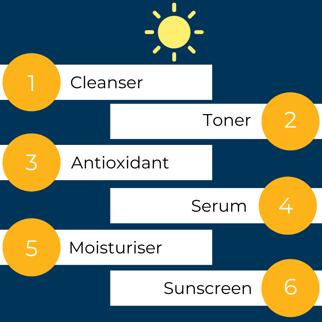
Start with cleansing, then toner, serum, eye cream, moisturizer, and finally face oil. This order maximizes absorption and skin benefits overnight.
Why Is Toner Important In Night Skin Care?
Toner balances skin pH and removes residual impurities. It preps the skin to absorb serums and moisturizers effectively.
When Should I Apply Eye Cream At Night?
Apply eye cream after serums and before moisturizer. This targets delicate under-eye skin and enhances hydration.
Can I Skip Moisturizer In My Night Routine?
No, moisturizer locks in hydration and repairs skin overnight. Skipping it can cause dryness and dullness.
Conclusion
Following the right night time skin care order helps your skin stay healthy. Cleanse first to remove dirt and oil. Apply toner to balance your skin. Next, use serums and treatments for specific needs. Moisturize last to lock in hydration.
Doing this routine every night improves your skin’s look and feel. Small steps make a big difference over time. Stick to the order, be patient, and enjoy glowing skin. Simple habits bring lasting results.
