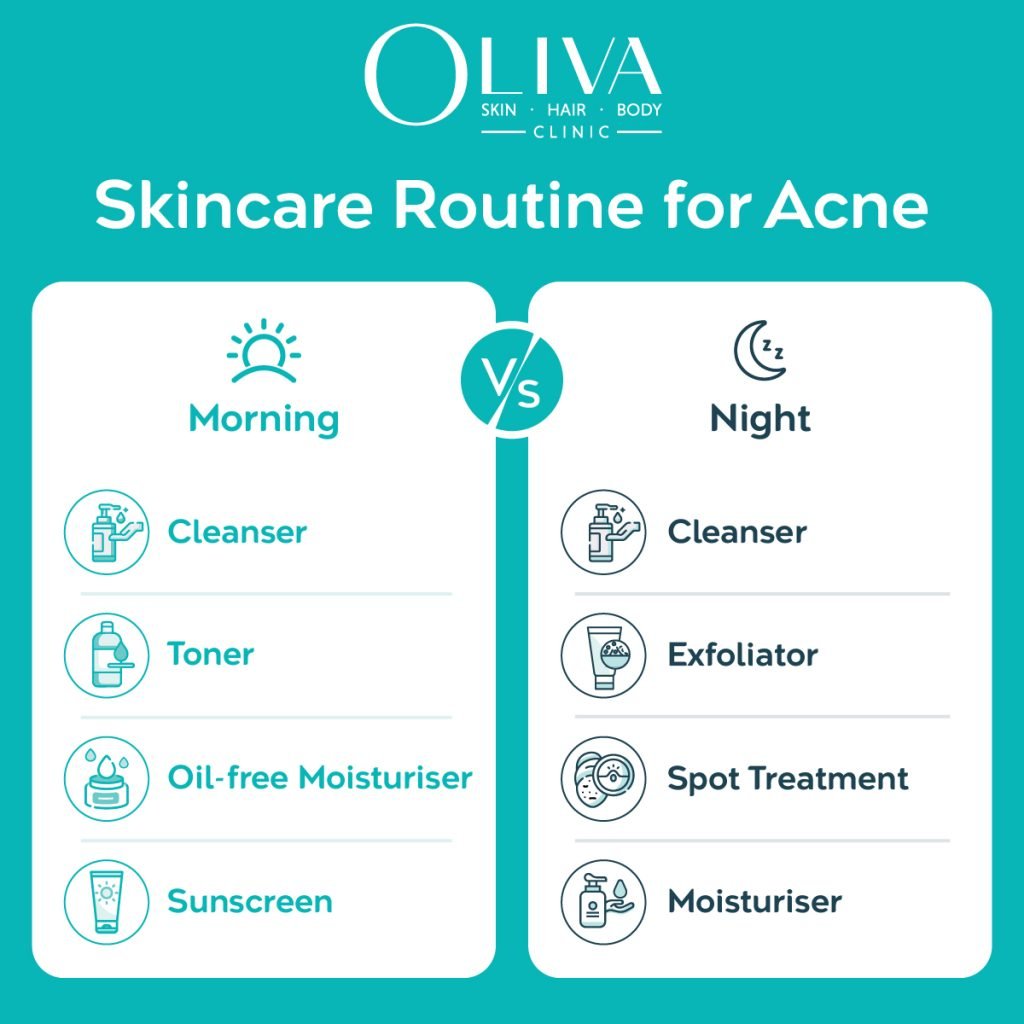
Imagine waking up each morning with skin that feels refreshed, rejuvenated, and ready to face the day. You deserve this kind of glowing confidence every day.
The secret? A well-crafted night skincare routine. You might be wondering why your current skincare approach isn’t yielding the results you desire. Or perhaps you’re just starting to explore the world of skincare, feeling overwhelmed by countless products and advice.
Fear not! This guide is here to unravel the mystery behind an effective night skincare routine, tailored just for you. Dive in to discover how a few simple steps can transform your skin while you sleep, ensuring you greet the morning with a radiant, healthy complexion. Ready to unlock the secrets to achieving your best skin yet? Let’s get started!
Credit: colairbeautylounge.com
Benefits Of A Night Routine
Following a night skincare routine helps your skin heal and stay healthy. Night is the best time for your skin to recover from daily stress. Using the right products before bed supports this natural process. This routine also helps improve skin texture and appearance over time.
Skin Repair During Sleep
Skin works hard to fix damage during sleep. Cells regenerate faster at night than during the day. Cleansing removes dirt and oil, allowing better repair. Moisturizers lock in hydration, aiding skin recovery. This process helps keep skin smooth and fresh.
Boosting Collagen Production
Collagen keeps skin firm and elastic. At night, collagen production increases naturally. Using products with ingredients like retinol can enhance this effect. More collagen means fewer wrinkles and firmer skin. Night routines support this vital skin function.
Reducing Signs Of Aging
Night care helps slow visible aging signs. Hydrating and nourishing skin reduces dryness and fine lines. Antioxidants protect skin from free radical damage. Regular use of night treatments improves skin tone and glow. Over time, your skin looks younger and healthier.

Credit: www.reddit.com
Essential Cleansing Steps
Essential cleansing steps prepare your skin for nighttime repair. Cleansing removes dirt, oil, and impurities from the day. It helps your skin absorb night treatments better. A good cleansing routine supports healthy, glowing skin. Follow these key tips for a clean and fresh face.
Choosing The Right Cleanser
Select a cleanser that suits your skin type. For oily skin, use a foaming or gel cleanser. Dry skin benefits from creamy or hydrating cleansers. Sensitive skin needs gentle, fragrance-free formulas. Avoid harsh ingredients that cause irritation or dryness.
Double Cleansing Method
Double cleansing removes makeup and deep dirt effectively. Start with an oil-based cleanser to dissolve makeup and sunscreen. Follow with a water-based cleanser to clean sweat and residue. This two-step process leaves skin clean but not stripped. It enhances the skin’s natural barrier and softness.
Removing Makeup Effectively
Use a gentle remover or oil cleanser to break down makeup. Massage softly to avoid tugging your skin. Focus on eyes and lips where makeup is heavier. Rinse with lukewarm water and follow with your regular cleanser. Proper removal prevents clogged pores and breakouts.
Exfoliation Tips
Exfoliation is a key step in your night skincare routine that helps remove dead skin cells, unclog pores, and reveal a fresher, brighter complexion. Knowing how to exfoliate properly can make a huge difference in your skin’s health and appearance. Let’s dive into some practical tips to get exfoliation right without causing irritation or damage.
Types Of Exfoliants
There are two main types of exfoliants: physical and chemical. Physical exfoliants use small particles or tools to manually scrub away dead skin. Common examples include facial scrubs with gentle beads or brushes.
Chemical exfoliants use acids or enzymes to dissolve dead skin cells. Ingredients like AHAs (glycolic acid, lactic acid) and BHAs (salicylic acid) are popular chemical exfoliants. They often provide a smoother, more even result without the harsh scrubbing.
Frequency For Different Skin Types
How often you exfoliate depends on your skin type and sensitivity. If you have oily or acne-prone skin, exfoliating 2-3 times a week can help keep pores clear. Dry or sensitive skin types should limit exfoliation to once a week to avoid irritation.
Combination skin may benefit from exfoliating twice a week, adjusting based on how your skin reacts. Pay attention to how your skin feels after exfoliating—if it’s red or tight, reduce the frequency.
Avoiding Over-exfoliation
Over-exfoliation can lead to redness, dryness, and even breakouts. If you notice your skin feeling raw or excessively dry, it’s a sign to cut back. Remember, exfoliation should refresh your skin, not harm it.
Try to avoid using multiple exfoliating products on the same day. Mixing scrubs with chemical exfoliants can increase the risk of irritation. Your skin will thank you for gentle, consistent care rather than aggressive treatment.
Serums And Treatments
Serums and treatments play a vital role in a night skincare routine. They deliver powerful ingredients deep into the skin. This helps repair and nourish skin while you sleep. Using the right serums can improve skin texture and tone over time.
Choosing the right serum depends on your skin type and concerns. Lightweight formulas absorb quickly and work well under moisturizers. Treatments often target specific issues like wrinkles, dark spots, or dryness.
Incorporating Antioxidants
Antioxidants protect skin from daily damage caused by free radicals. Common antioxidants include vitamin C, vitamin E, and green tea extract. These ingredients help reduce redness and brighten dull skin.
Apply antioxidant serums after cleansing and before moisturizing. They boost skin’s defense and improve overall appearance. Use them regularly to see lasting benefits.
Using Retinol Safely
Retinol is a powerful ingredient that helps reduce fine lines and wrinkles. It speeds up skin cell renewal and smooths texture. Start with a low concentration to avoid irritation.
Apply retinol only at night since it makes skin sensitive to sunlight. Use a pea-sized amount and spread evenly on face. Follow with a moisturizer to reduce dryness or peeling.
Gradually increase frequency from twice a week to every night. Stop use and consult a dermatologist if redness or burning occurs.
Targeting Specific Skin Concerns
Different serums can address unique skin problems effectively. For acne-prone skin, look for salicylic acid or niacinamide serums. These reduce breakouts and calm inflammation.
For dry skin, choose hydrating serums with hyaluronic acid or glycerin. These lock in moisture and soften skin overnight.
Dark spots and uneven tone respond well to serums with ingredients like alpha arbutin or licorice root extract. They help fade discoloration with consistent use.
Moisturizing For Night
Moisturizing at night is key to healthy, glowing skin. It helps repair damage from the day and locks in moisture. Nighttime products are richer and designed to work while you sleep. This boosts skin hydration and supports natural healing.
Choosing Night Creams
Pick creams made for night use. These have thicker textures and nourishing ingredients. Look for labels like “night cream” or “overnight mask.” They often include ingredients that help skin recover. Avoid heavy formulas if your skin is oily. Instead, try lightweight gels or lotions.
Benefits Of Hydrating Ingredients
Hydrating ingredients keep skin soft and plump. Common ones include:
- Hyaluronic acid – draws water into the skin
- Glycerin – locks in moisture
- Aloe vera – soothes and hydrates
- Panthenol (Vitamin B5) – boosts skin repair
These ingredients support skin’s natural moisture barrier. They reduce dryness and smooth fine lines.
Sealing The Routine With Oils
Oils help seal moisture into your skin overnight. Choose light oils like jojoba or argan. These absorb well and don’t clog pores. Apply oils after your cream for best results. Oils protect skin and add extra nourishment. They also leave your skin feeling soft and smooth by morning.
Additional Tips For Radiance
Enhancing your night skincare routine goes beyond just applying creams and serums. Small changes in habits and environment boost your skin’s natural glow. These additional tips help your skin stay healthy, fresh, and radiant.
Importance Of Hydration
Hydration plays a key role in skin health and appearance. Drinking enough water flushes out toxins and keeps skin plump. Well-hydrated skin looks smoother and brighter.
Use a hydrating night cream or facial oil to lock moisture. Avoid heavy products that block pores overnight. Simple hydration steps improve texture and reduce dryness.
Sleep Environment And Its Impact
Your sleep environment affects skin repair and glow. Clean, soft pillowcases prevent irritation and breakouts. Change pillowcases regularly to reduce bacteria buildup.
Keep your bedroom cool and dark for better sleep quality. Proper rest allows skin cells to regenerate. Poor sleep causes dullness and dark circles.
Healthy Lifestyle Habits
Healthy habits support your skin’s natural beauty. Eat fruits and vegetables rich in vitamins and antioxidants. These nourish skin from within and protect it.
Limit sugar and processed foods that cause inflammation. Avoid smoking and excessive alcohol, which dry out skin. Regular exercise improves circulation and skin tone.

Credit: www.bellinispdx.com
Frequently Asked Questions
What Are The Essential Steps In A Night Skincare Routine?
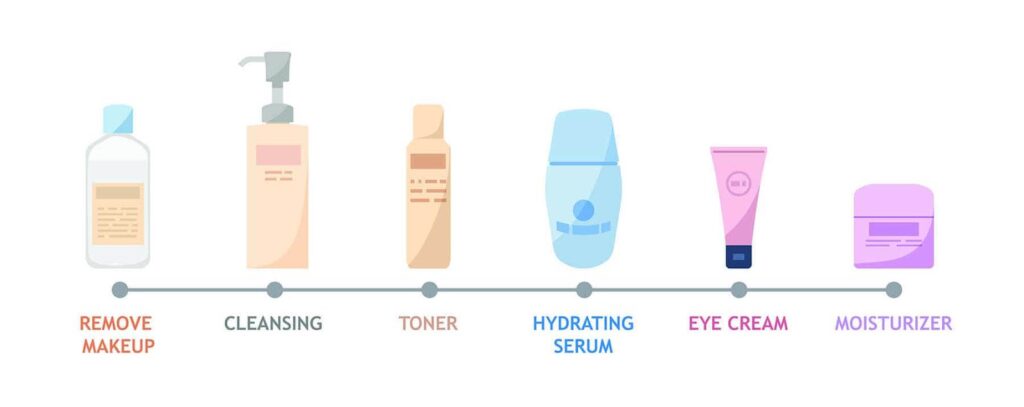
A night skincare routine should include cleansing, toning, applying serum, moisturizing, and using eye cream. These steps help remove impurities, hydrate skin, and repair damage overnight for a refreshed complexion.
How Often Should I Exfoliate During My Night Routine?
Exfoliate 1-3 times weekly depending on your skin type. Over-exfoliating can cause irritation. Use gentle exfoliants to remove dead skin and improve absorption of skincare products.
Can I Use Retinol Every Night In My Routine?
Retinol can be used nightly but start with 2-3 times a week. Gradually increase frequency to avoid dryness and irritation. Always follow with moisturizer and sunscreen during the day.
Why Is Moisturizing Important In A Night Skincare Routine?
Moisturizing locks in hydration and supports skin repair while you sleep. It prevents dryness and enhances skin elasticity, promoting a healthy and youthful appearance.
Conclusion
A good night skincare routine helps your skin heal and stay healthy. Cleanse gently to remove dirt and oil from the day. Use products that suit your skin type for best results. Give your skin time to absorb nutrients while you rest.
Consistency is key; small steps add up over time. Taking care of your skin at night makes a big difference. Try simple habits and notice your skin glowing more each day. Healthy skin starts with a calm, easy routine before bed.
