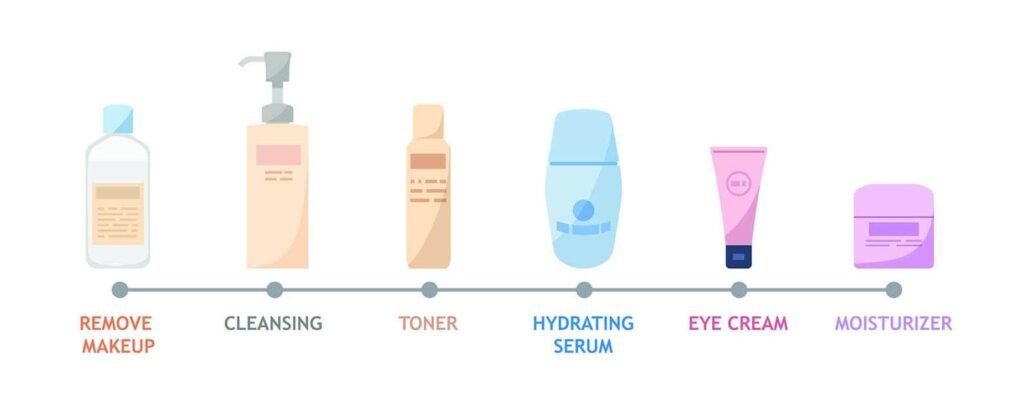
Imagine waking up each morning with glowing, refreshed skin. It’s not just a dream.
The secret lies in the steps you take before you go to bed. A well-crafted night skin care routine can transform your skin, making it smoother, healthier, and more radiant. Are you curious about how to achieve this overnight magic?
You’re about to discover the ultimate guide to night skin care routine steps that will elevate your skin to new heights of beauty. This isn’t just about following a trend; it’s about making informed choices that your skin will thank you for. Ready to unveil the secrets to waking up with the skin you’ve always wanted? Keep reading to find out how you can turn your nightly routine into the most rewarding part of your day.
Pre-cleansing Tips
Pre-cleansing is the first essential step in your night skin care routine. It helps remove makeup, dirt, and excess oils. This step prepares your skin for deeper cleansing and better absorption of products. Taking time for pre-cleansing improves skin texture and clarity.
Removing Makeup Effectively
Start by using a gentle makeup remover or cleansing oil. Focus on areas with heavy makeup like eyes and lips. Use soft cotton pads or your fingertips to avoid skin irritation. Do not rub harshly; gentle motions work best. Removing makeup thoroughly prevents clogged pores and breakouts.
Choosing The Right Pre-cleanser
Select a pre-cleanser that suits your skin type. For dry skin, opt for nourishing oils or balms. Oily skin benefits from lightweight, gel-based cleansers. Sensitive skin needs fragrance-free and hypoallergenic options. Check ingredients and avoid harsh chemicals to protect your skin barrier.
Cleansing Techniques
Cleansing is the foundation of any effective night skin care routine. It removes makeup, dirt, and excess oils accumulated throughout the day. Choosing the right techniques can transform your skin’s health and appearance by preparing it to absorb night treatments better.
Selecting A Suitable Cleanser
Your skin type dictates the kind of cleanser you should use. If you have oily skin, gel-based or foaming cleansers can help remove excess oil without stripping moisture. Dry skin benefits from creamy or lotion-based cleansers that hydrate while cleansing.
For sensitive skin, look for fragrance-free, gentle cleansers with soothing ingredients like aloe or chamomile. Combination skin might require a balancing cleanser that cleans oily areas without drying out the rest. Have you ever switched cleansers and noticed an immediate difference in your skin’s feel?
Cleansing Methods For Different Skin Types
How you cleanse is just as important as what you use. For oily skin, massaging the cleanser in circular motions for about 30 seconds helps break down oils and impurities. Rinse with lukewarm water to avoid stimulating more oil production.
Dry skin needs a gentler touch. Use your fingertips to softly apply cleanser, avoiding harsh scrubbing, which can cause irritation. Pat your face dry with a soft towel rather than rubbing to maintain hydration.
Sensitive skin calls for a minimalist approach. Use cool water and a gentle cleanser, rinsing thoroughly but carefully to avoid any leftover residue that could cause irritation. For combination skin, try double cleansing: first with an oil-based cleanser to remove makeup and sunscreen, then a gentle foaming cleanser to clear remaining impurities.
Have you tried adjusting your cleansing technique according to your skin type? Small changes might make your night routine feel more like a treat and less like a chore.
Exfoliation Essentials
Exfoliation is a key part of any night skin care routine. It removes dead skin cells, making your skin smooth and bright. This step helps your skin absorb other products better. Choosing the right exfoliant and using it correctly keeps your skin healthy and fresh.
Types Of Exfoliants
There are two main types of exfoliants: physical and chemical.
- Physical exfoliantsuse small particles or tools to scrub away dead skin. Examples include scrubs and brushes.
- Chemical exfoliantsuse acids or enzymes to dissolve dead skin cells gently. Common ingredients are AHAs (like glycolic acid) and BHAs (like salicylic acid).
Chemical exfoliants suit sensitive skin better. Physical exfoliants need gentle use to avoid irritation.
How Often To Exfoliate
Exfoliating too often can damage your skin. It is best to exfoliate 2 to 3 times a week.
Adjust the frequency based on your skin type:
- Oily skin may benefit from more frequent exfoliation.
- Dry or sensitive skin needs fewer sessions.
Listen to your skin. Stop exfoliating if you notice redness or irritation.
Toning Benefits
Toning is often overlooked, but it plays a crucial role in your night skin care routine. It helps balance your skin’s pH, tighten pores, and prepare your face for better absorption of moisturizers and serums. Have you ever noticed how your skin feels refreshed and calm after using a toner? That’s because it acts like a reset button after cleansing.
Choosing The Best Toner
Not all toners are the same, so picking one that suits your skin type is key. If you have dry skin, look for hydrating toners with ingredients like hyaluronic acid or glycerin. Oily or acne-prone skin benefits from toners containing salicylic acid or witch hazel, which help control excess oil and prevent breakouts.
Consider alcohol-free options to avoid drying out your skin. I once switched to a gentle, alcohol-free toner and noticed less irritation and redness. Think about what your skin needs most—hydration, calming, or oil control—and choose your toner accordingly.
Applying Toner Correctly
How you apply toner affects its benefits. Pour a small amount onto a cotton pad or your palms. Gently sweep or pat it over your face, avoiding harsh rubbing that can irritate the skin.
Applying toner right after cleansing locks in moisture and preps your skin for the next steps. Try to use it twice daily to maintain balanced skin. Have you ever skipped toner and felt like your moisturizer didn’t absorb well? Applying toner correctly can change that experience.
Serum Selection
Choosing the right serum is a key part of a night skin care routine. Serums contain concentrated ingredients that work deeply on the skin. They help repair, hydrate, and improve skin texture while you sleep. Picking a serum based on your skin needs boosts your overall skin health.
Serums are lightweight and absorb quickly, delivering active ingredients fast. Using them at night allows your skin to rest and regenerate. Some serums focus on hydration, others on anti-aging or brightening. Knowing your skin type and concerns helps select the best serum.
Popular Nighttime Serums
- Hyaluronic Acid Serums: Provide intense hydration and plump skin.
- Retinol Serums: Promote cell turnover and reduce fine lines.
- Vitamin C Serums: Brighten skin and fade dark spots.
- Peptide Serums: Support collagen and improve firmness.
- Niacinamide Serums: Calm redness and even skin tone.
Targeting Specific Skin Concerns
Different serums address various skin issues. For dry skin, use hydrating serums with hyaluronic acid. For aging skin, retinol or peptide serums work well. For dullness, vitamin C serums boost radiance. Sensitive skin benefits from calming ingredients like niacinamide.
Match your serum to your main skin concern. Use only one or two serums to avoid irritation. Apply serums on clean skin before moisturizer. This helps the active ingredients absorb better and work effectively.

Credit: www.reddit.com
Moisturizing Steps
Moisturizing is a key part of any night skin care routine. It helps keep skin soft and smooth while you sleep. Your skin repairs itself best at night, so hydration is vital. Using the right products supports this natural process. A good moisturizer locks in moisture and nourishes your skin deeply. This step prepares your skin to look fresh and healthy by morning.
Night Creams Vs. Day Creams
Night creams and day creams serve different purposes. Night creams are thicker and richer. They focus on repairing and restoring your skin overnight. These creams often contain ingredients like peptides and retinol. They help boost collagen and reduce fine lines.
Day creams are lighter and protect your skin from sun damage. They usually have SPF and antioxidants. Day creams keep your skin hydrated without feeling heavy. Using the right cream at the right time improves skin health.
Hydration Tips For Overnight Skin Repair
Keep your skin hydrated to aid repair during sleep. Use a gentle cleanser before applying moisturizer. Avoid harsh soaps that strip natural oils. Apply moisturizer while your skin is slightly damp. This helps lock in moisture better.
Consider using a hydrating serum before your night cream. Look for ingredients like hyaluronic acid and glycerin. Drink plenty of water to support skin hydration from inside. Keep your bedroom air moist with a humidifier if needed.
Eye Care Routine
The skin around the eyes is very delicate and needs special care every night. A good eye care routine helps reduce signs of tiredness. It also protects against wrinkles and dryness. Proper care makes your eyes look fresh and bright by morning. Simple habits can bring great results over time.
Reducing Puffiness And Dark Circles
Puffiness and dark circles often come from lack of sleep or stress. Cooling the eye area helps reduce swelling. Use a cold compress or chilled spoons for a few minutes. Drinking enough water flushes out toxins that cause puffiness. Getting enough rest is key for healthy skin under the eyes.
Gentle massage improves blood flow and reduces dark circles. Use your ring finger to lightly tap around the eyes. Avoid rubbing or pulling the skin. Also, avoid salty foods before bed to limit water retention. A good diet supports skin health and reduces discoloration.
Best Eye Cream Application Techniques
Choose an eye cream with ingredients like hyaluronic acid or peptides. These help hydrate and strengthen the skin. Use a pea-sized amount of cream for both eyes. Dab small dots of cream around the orbital bone.
Gently tap the cream into the skin with your ring finger. Avoid dragging or pulling on the delicate skin. Let the cream absorb fully before applying other products. Consistency every night improves results and keeps eyes looking youthful.
Credit: www.olivaclinic.com
Additional Night Treatments
Additional night treatments enhance your skin’s repair and glow. They target specific needs beyond basic cleansing and moisturizing. These treatments help maintain healthy skin and improve texture.
Using Face Oils
Face oils nourish and hydrate deeply. They lock in moisture and create a protective barrier. Oils rich in antioxidants support skin repair overnight. Apply a few drops after your moisturizer for best results. Choose oils like rosehip, jojoba, or argan based on your skin type.
Incorporating Masks And Spot Treatments
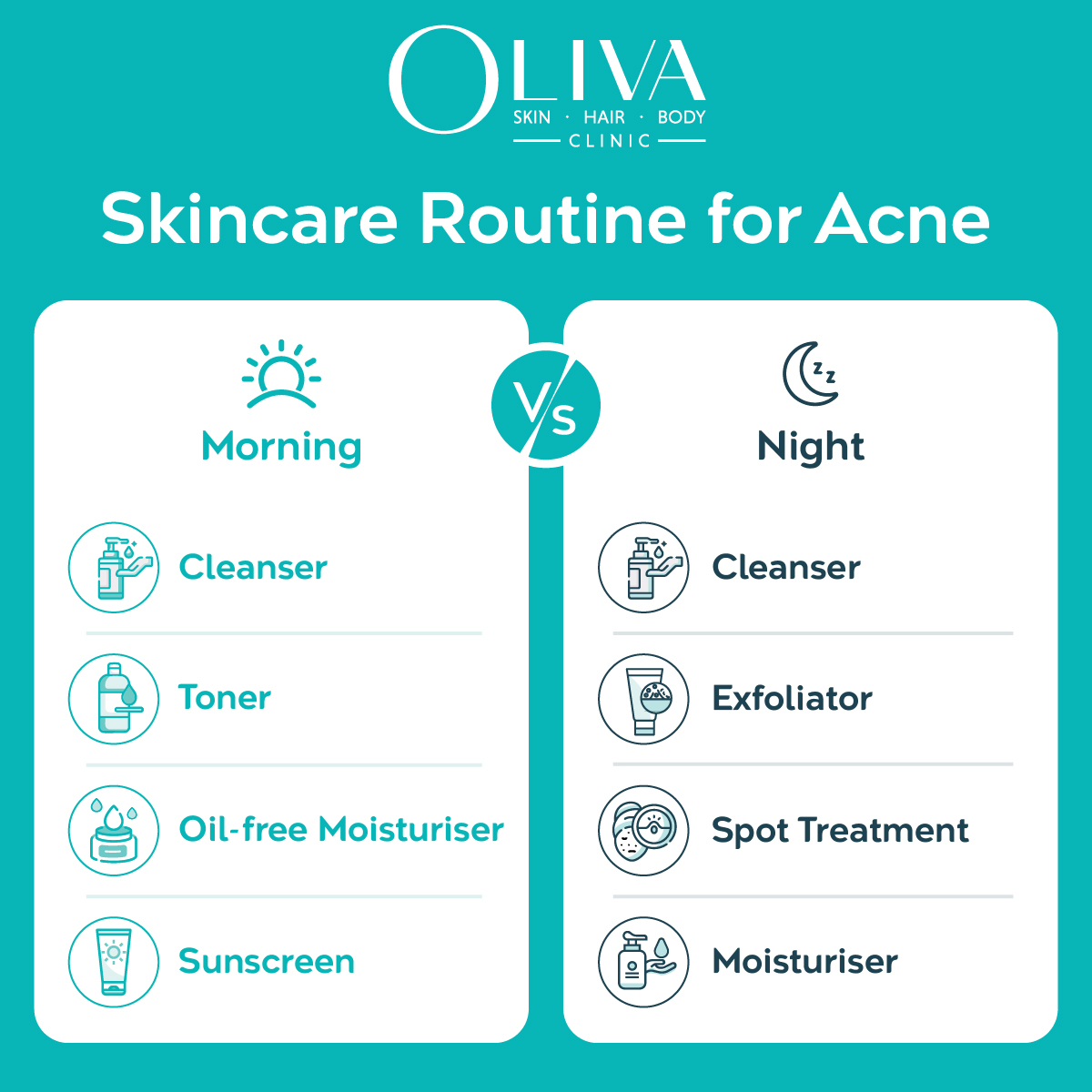
Night masks provide intense hydration or exfoliation. Use them 1-2 times a week to avoid irritation. Spot treatments target blemishes and reduce redness fast. Ingredients like salicylic acid or benzoyl peroxide work well. Apply spot treatments only on problem areas to prevent dryness.
Lifestyle Habits For Radiant Skin
Healthy lifestyle habits play a key role in achieving radiant skin. Night skin care is not only about creams and serums. The habits you follow daily impact your skin’s health deeply. Simple changes in your routine can bring visible improvements. Focus on sleep and nutrition for the best results.
Importance Of Sleep
Sleep helps your skin repair and renew itself. During deep sleep, the body produces collagen. Collagen keeps skin firm and smooth. Lack of sleep causes dullness and dark circles. Aim for 7 to 9 hours of quality sleep each night. Create a calm environment to improve sleep quality. Avoid screens and bright lights before bed.
Hydration And Nutrition
Water keeps skin hydrated and flushes out toxins. Drink at least 8 glasses of water daily. Eating healthy foods supplies essential vitamins and minerals. Focus on fruits, vegetables, and whole grains. Foods rich in antioxidants fight skin damage. Omega-3 fatty acids found in fish help maintain skin elasticity. Limit sugar and processed foods that cause inflammation.

Credit: www.colorescience.com
Frequently Asked Questions
What Are The Essential Steps In A Night Skin Care Routine?
A night skin care routine includes cleansing, toning, applying serum, moisturizing, and eye cream. These steps remove impurities and nourish skin overnight. Regularly following this routine helps improve skin texture and hydration, promoting a healthy, glowing complexion.
How Often Should I Exfoliate In My Night Routine?
Exfoliate 1-2 times per week at night to remove dead skin cells. Avoid daily exfoliation to prevent irritation. Gentle exfoliation enhances skin renewal and absorption of skincare products, leading to smoother, brighter skin.
Can I Skip Moisturizer In My Night Routine?
No, moisturizer is essential at night to lock in hydration. It repairs and nourishes skin while you sleep. Skipping moisturizer can lead to dryness and dullness, affecting skin health and appearance.
Should I Use Serum Before Or After Moisturizer?
Apply serum before moisturizer for better absorption of active ingredients. Serums are lightweight and penetrate deeply, while moisturizers seal in hydration. This order maximizes the benefits of both products in your night routine.
Conclusion
A good night skin care routine helps your skin rest and heal. Cleanse gently to remove dirt and makeup. Use toner to balance your skin’s pH. Apply serum to target specific skin needs. Finish with a moisturizer to lock in hydration.
Consistency is key to seeing real results. Your skin will look healthier and feel softer. Small steps each night bring big skin benefits. Make this routine a simple part of your day. Healthy skin starts with good care before bed.
