Your skin works hard all day, facing dirt, pollution, and stress. What you do at night can make all the difference in how your skin looks and feels tomorrow.
Imagine waking up to a fresh, glowing face every morning—sounds great, right? This is exactly what a simple, effective night routine skin care can do for you. Stick with me, and you’ll discover easy steps that fit into your life and transform your skin while you sleep.
Ready to unlock your skin’s true potential? Let’s dive in.
Benefits Of A Night Routine
A night routine for skin care helps your skin repair and stay healthy. It works while you sleep, a time when the skin renews itself. A good night routine can make your skin softer, brighter, and clearer. It also helps protect your skin from damage caused during the day.
Following a simple night routine can improve your skin’s texture and reduce signs of aging. It keeps your skin hydrated and calm. This routine also helps in removing dirt and oil that build up during the day. It supports the skin’s natural healing process.
Improves Skin Repair And Regeneration
During sleep, skin cells grow and repair faster. A night routine helps this process by providing moisture and nutrients. It supports the skin’s natural healing and reduces damage. This leads to healthier and stronger skin over time.
Reduces Signs Of Aging
Night care products often contain ingredients that fight wrinkles. They help to smooth fine lines and keep skin firm. Consistent care can delay the appearance of aging signs. Your skin looks younger and more refreshed.
Keeps Skin Hydrated
Night creams and serums lock in moisture for hours. This prevents dryness and flakiness. Well-hydrated skin feels soft and looks glowing. Hydration also helps the skin stay elastic and healthy.
Removes Dirt And Impurities
Cleaning your face at night removes dirt, oil, and makeup. This stops clogged pores and breakouts. It lets your skin breathe and absorb care products better. Clean skin is the first step to a clear complexion.
Calms And Soothes Skin
Night routines often include calming ingredients like aloe or chamomile. These reduce redness and irritation. They help your skin relax and recover overnight. Calm skin feels comfortable and looks balanced.
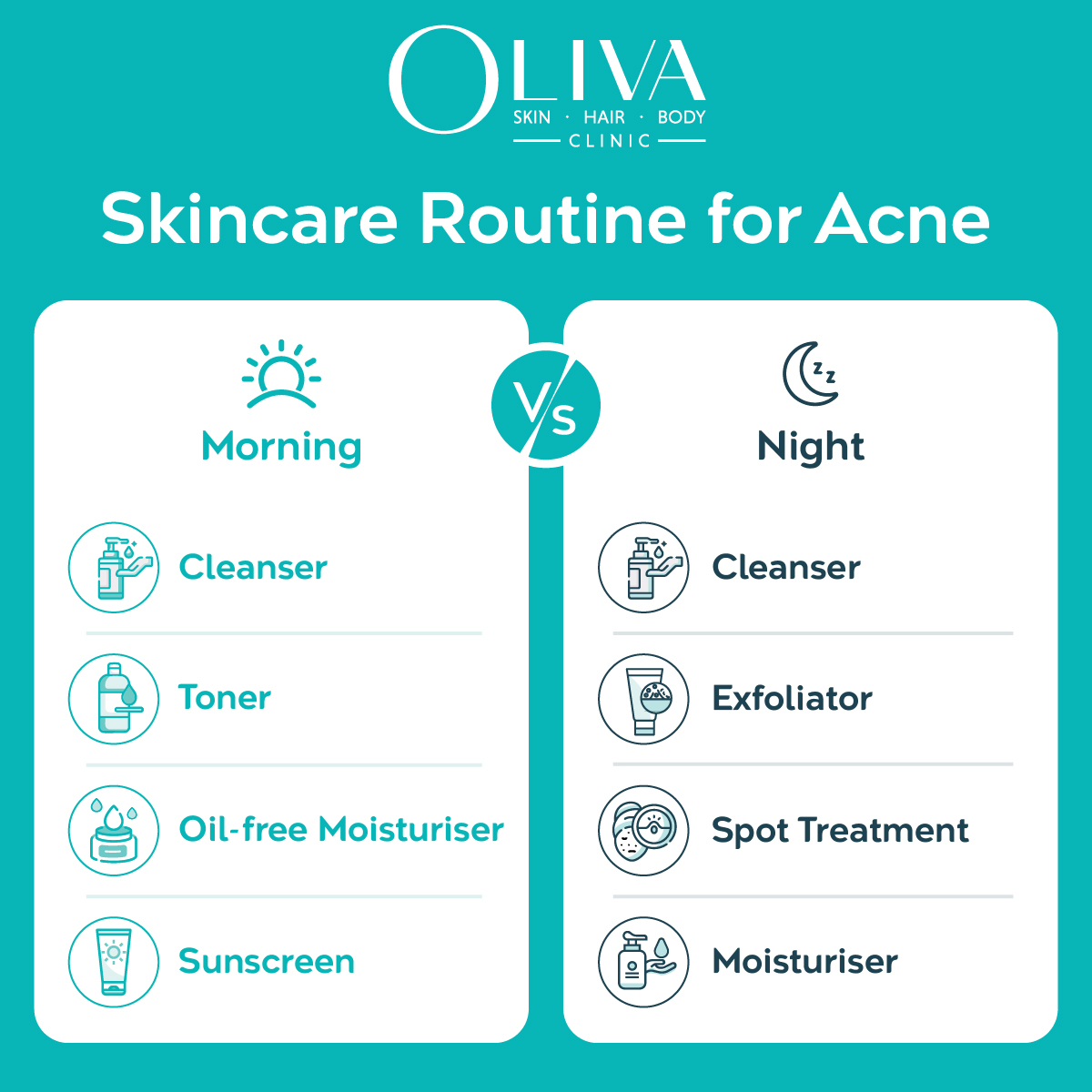
Credit: www.olivaclinic.com
Choosing The Right Cleanser
Choosing the right cleanser is the first step in an effective night skincare routine. It removes dirt, oil, and makeup that build up during the day. A good cleanser prepares your skin for other products to work better. Picking a cleanser that suits your skin type ensures gentle cleaning without irritation or dryness.
Types Of Cleansers
- Gel Cleansers:Clear and lightweight, ideal for oily and combination skin.
- Cream Cleansers:Thick and moisturizing, perfect for dry and sensitive skin.
- Foam Cleansers:Produce a rich lather, great for removing excess oil and impurities.
- Oil Cleansers:Break down makeup and sunscreen, suitable for all skin types including oily skin.
- Micellar Water:Gentle and no-rinse, good for sensitive and tired skin.
Matching Cleanser To Skin Type
| Skin Type | Best Cleanser | Why |
|---|---|---|
| Oily | Gel or Foam Cleanser | Removes excess oil without drying out skin |
| Dry | Cream or Oil Cleanser | Hydrates and protects the skin barrier |
| Sensitive | Micellar Water or Cream Cleanser | Gentle, reduces irritation and redness |
| Combination | Gel or Balanced Cleanser | Controls oil while hydrating dry areas |
Exfoliation Tips
Exfoliation is a key step in your night routine skin care that can transform your skin’s texture and glow. It removes dead skin cells, unclogs pores, and helps other products absorb better. But knowing which exfoliant to use and how often to exfoliate can make a big difference in achieving healthy skin without irritation.
Chemical Vs Physical Exfoliants
Chemical exfoliants use acids or enzymes to dissolve dead skin cells gently. Ingredients like glycolic acid, salicylic acid, and lactic acid work beneath the surface to improve skin texture and brighten your complexion. They are often better for sensitive or acne-prone skin because they don’t involve scrubbing.
Physical exfoliants, on the other hand, use tiny grains or tools to manually remove dead skin cells. Think scrubs with sugar, salt, or microbeads, and brushes or sponges. These give instant smoothness but can be harsh if used too aggressively, causing micro-tears or redness.
Ask yourself: Does your skin react easily to touch or products? If yes, chemical exfoliants might be your safer bet. If you prefer the feeling of a scrub and have tougher skin, physical exfoliation once in a while can be satisfying.
How Often To Exfoliate
Exfoliating too often can damage your skin’s protective barrier and cause dryness or irritation. For most skin types, 2-3 times a week is a good starting point. Sensitive skin might need to exfoliate only once a week, while oily or combination skin can handle more frequent exfoliation.
Listen to your skin’s signals. If it feels tight, looks red, or peels after exfoliating, slow down. On the flip side, if your skin looks dull and makeup doesn’t apply smoothly, you might need to exfoliate more often.
Do you notice changes in your skin after exfoliating? Adjust the frequency based on how your skin feels, not a set rule. Your skin’s needs can change with seasons, stress, and lifestyle, so flexibility is key.
Serums For Nighttime
Serums for nighttime are a vital step in any night routine skin care. They deliver powerful ingredients deep into the skin. Serums work while you sleep, helping repair and renew your skin. Choosing the right serum can improve your skin’s texture, tone, and hydration.
Key Ingredients To Look For
- Retinol:Boosts cell turnover and reduces wrinkles.
- Hyaluronic Acid:Provides deep hydration and plumps skin.
- Vitamin C:Brightens skin and fights free radicals.
- Peptides:Support collagen and improve firmness.
- Niacinamide:Reduces redness and strengthens the skin barrier.
- Alpha Hydroxy Acids (AHAs):Exfoliate gently for smoother skin.
Targeting Specific Skin Concerns
Serums can address many skin issues at night. For dry skin, choose hydrating formulas with hyaluronic acid. Acne-prone skin benefits from salicylic acid or niacinamide serums. Fine lines and wrinkles need retinol or peptides to smooth skin. Dullness improves with vitamin C or AHAs for a brighter look. Sensitive skin requires gentle, fragrance-free serums to avoid irritation.
Moisturizing Effectively
Moisturizing effectively at night is a crucial part of your skincare routine. Your skin repairs itself while you sleep, and the right hydration helps boost this natural process. Knowing how to choose and apply moisturizers can make a significant difference in how your skin feels and looks by morning.
Choosing Night Creams
Night creams are designed to nourish your skin deeply. Look for ingredients like hyaluronic acid, ceramides, and peptides that support moisture retention and skin repair.
If your skin tends to be dry, opt for richer creams with oils like jojoba or shea butter. For oily or acne-prone skin, lighter, non-comedogenic formulas will hydrate without clogging pores.
Have you noticed how some creams feel heavy and others absorb quickly? That’s the texture difference you need to consider based on your skin’s needs and comfort.
Layering Moisturizers
Layering moisturizers can enhance hydration but requires understanding what works well together. Start with a lightweight serum or gel to deliver active ingredients deep into your skin.
Follow with a thicker cream to seal in moisture and create a protective barrier. Avoid layering too many heavy products as this can clog pores and cause breakouts.
Try this: apply a hydrating serum first, then a night cream. Notice how your skin feels after a few nights—does it stay soft or feel greasy? This simple check helps you adjust your routine for better results.

Credit: www.bellinispdx.com
Eye Care Essentials
The skin around the eyes is thin and delicate. It needs special care every night to stay healthy and fresh. Eye care essentials help reduce signs of tiredness and keep your eyes bright. Simple steps can improve your eye skin’s look and feel.
Using the right products and techniques supports skin renewal during sleep. This routine soothes and protects the area from dryness and damage. Small changes make a big difference in the long run.
Reducing Puffiness
Puffiness around the eyes happens from fluid buildup or tired muscles. Cooling eye creams or gels help reduce swelling. Ingredients like caffeine and aloe vera soothe and tighten skin. Gentle tapping with your ring finger improves blood flow. Avoid rubbing or pulling the skin to prevent damage.
Try these tips for less puffiness:
- Apply a cold compress for 5-10 minutes.
- Use a light eye cream with anti-inflammatory ingredients.
- Elevate your head while sleeping to reduce fluid retention.
- Stay hydrated to help flush out toxins.
Minimizing Dark Circles
Dark circles appear from lack of sleep, genetics, or thin skin. Brightening eye creams with vitamin C or niacinamide help lighten dark areas. Consistent use improves skin tone and texture. Avoid heavy makeup that can irritate the skin and worsen dark circles.
Follow these steps to reduce dark circles:
- Apply eye cream gently every night before bed.
- Get enough sleep to allow skin to repair.
- Protect eyes from sun exposure with SPF during the day.
- Maintain a healthy diet rich in antioxidants.
Facial Oils And Masks
Facial oils and masks can transform your night routine by delivering deep nourishment and targeted care. Both offer unique benefits that help your skin repair and rejuvenate while you sleep. Understanding when and how to use them maximizes their effects and keeps your skin glowing.
When To Use Oils
Facial oils work best after you’ve applied your moisturizer. This locks in hydration and adds an extra layer of protection. If your skin feels dry or tight at night, adding a few drops of oil can soothe and soften it.
Choose oils based on your skin type. For example, jojoba oil is great if you have oily skin because it mimics your natural sebum. Rosehip oil is excellent for dry or aging skin, as it promotes cell regeneration.
Ask yourself: Does your skin feel calm or irritated after applying oil? If irritation occurs, adjust the amount or try a different type. Oils are not one-size-fits-all, so testing helps find the perfect fit.
Night Mask Benefits
Night masks deliver intense hydration and active ingredients while you sleep. Unlike regular masks that you wash off, these stay on to work uninterrupted, boosting skin renewal.
They often contain ingredients like hyaluronic acid or peptides that improve skin texture and firmness. Using a night mask once or twice a week can make your skin feel plumper and look brighter.
Think about your skin’s needs before picking a mask. If your skin is dull, a brightening mask with vitamin C can help. For sensitive skin, calming ingredients like aloe vera provide relief without irritation.
Lifestyle Habits For Better Skin
Taking care of your skin at night goes beyond just applying creams and serums. Your daily lifestyle habits play a huge role in how your skin looks and feels by morning. Small changes in how you sleep and what you do before bed can make a big difference in your skin’s health and glow.
Sleep And Hydration
Sleep is your skin’s natural repair time. Without enough rest, your skin can look dull, tired, and develop fine lines faster. Aim for 7-9 hours of quality sleep every night to help your skin regenerate effectively.
Hydration is just as important. Drinking water throughout the day keeps your skin plump and reduces dryness. Try to drink a glass of water before bed, but not too much to avoid waking up at night. Have you noticed how your skin feels after a sleepless night or dehydration? It often looks lackluster and feels tight.
Avoiding Harmful Nighttime Habits
What you do before bed can either help or harm your skin. Avoid going to sleep with makeup on—this clogs pores and prevents your skin from breathing. Use gentle cleansers that don’t strip away natural oils.
Scrolling on your phone in bed is a common habit but exposes your skin to blue light, which might increase signs of aging. Try putting your phone away at least 30 minutes before sleep. Also, resist the urge to snack late at night; heavy, greasy foods can trigger breakouts.
Have you ever thought about how your pillowcase affects your skin? Changing it regularly can reduce bacteria and irritation that cause breakouts. Simple shifts like these can improve your skin’s condition without adding extra products to your routine.

Credit: www.reddit.com
Frequently Asked Questions
What Are The Essential Steps In A Night Routine Skin Care?
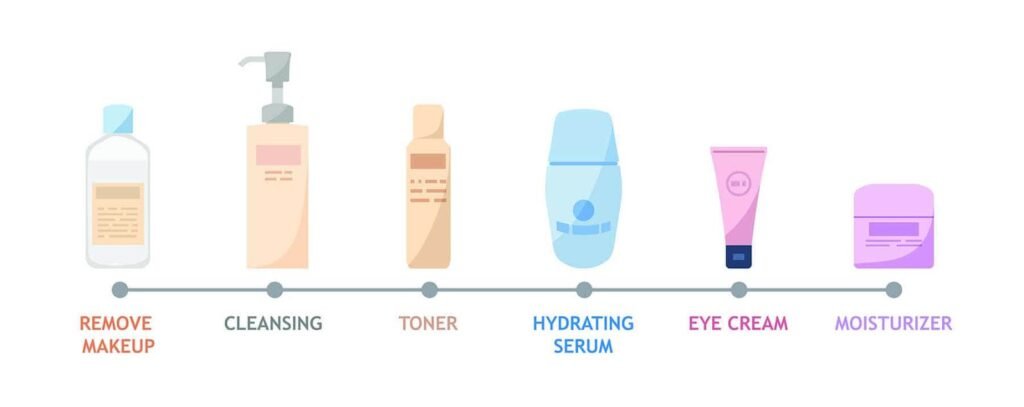
A good night routine includes cleansing, toning, applying serum, moisturizing, and eye cream. This helps repair and hydrate your skin overnight.
How Does Night Skin Care Benefit Your Skin?
Night care boosts skin repair and hydration. It reduces wrinkles, improves texture, and restores moisture lost during the day.
Can I Skip Moisturizer In My Night Routine?
No, moisturizer is vital at night. It locks in hydration, supports skin repair, and prevents dryness while you sleep.
How Often Should I Exfoliate In My Night Routine?
Exfoliate 1-2 times a week at night. Over-exfoliating can irritate skin and disrupt its natural barrier.
Conclusion
A good night routine is crucial for healthy skin. It helps your skin repair and refresh. Remember to cleanse, tone, and moisturize. Each step supports your skin’s needs. Stick to products that suit your skin type. Be gentle and consistent.
Consistency is key for long-term results. Drink water and rest well too. Your skin will thank you for it. Glowing skin is not just about products. It’s about care and routine. Make skincare a calming bedtime ritual. Enjoy the benefits of nurturing your skin every night.
Sleep tight and wake up with radiant skin.
