
Welcoming a newborn into your life is a heartwarming journey filled with precious moments and adorable milestones. As a parent, you want to ensure your little one’s safety and comfort at every step.
One of the first challenges you might face is taking care of those tiny, delicate nails. Newborns often have surprisingly sharp nails, and without proper care, they can accidentally scratch themselves. You might feel a bit nervous about the idea of trimming such tiny nails, but don’t worry—you’re not alone.
You’ll discover simple, stress-free tips for newborn nail care that will help you keep your baby safe and scratch-free. Keep reading to learn how to make this task a breeze and ensure your little one’s comfort and safety.
Credit: www.gosupps.com
Why Newborn Nail Care Matters
Newborn nail care is important for your baby’s safety and comfort. Babies have sharp nails that grow fast. Without care, nails can cause problems for both baby and parents. Proper nail care helps keep your baby happy and healthy.
Preventing Scratches
Newborns often scratch their face and body with their nails. Their skin is soft and delicate. Scratches can cause pain and irritation. Keeping nails trimmed reduces the risk of these tiny injuries. Short nails protect your baby’s sensitive skin.
Avoiding Infections
Long nails can trap dirt and bacteria. This increases the chance of infections around the nails or skin. Babies have weak immune systems. Clean, trimmed nails help prevent harmful germs from entering the body. Safe nail care keeps infections away and promotes healing.

Credit: www.amazon.com
Choosing The Right Nail Tools
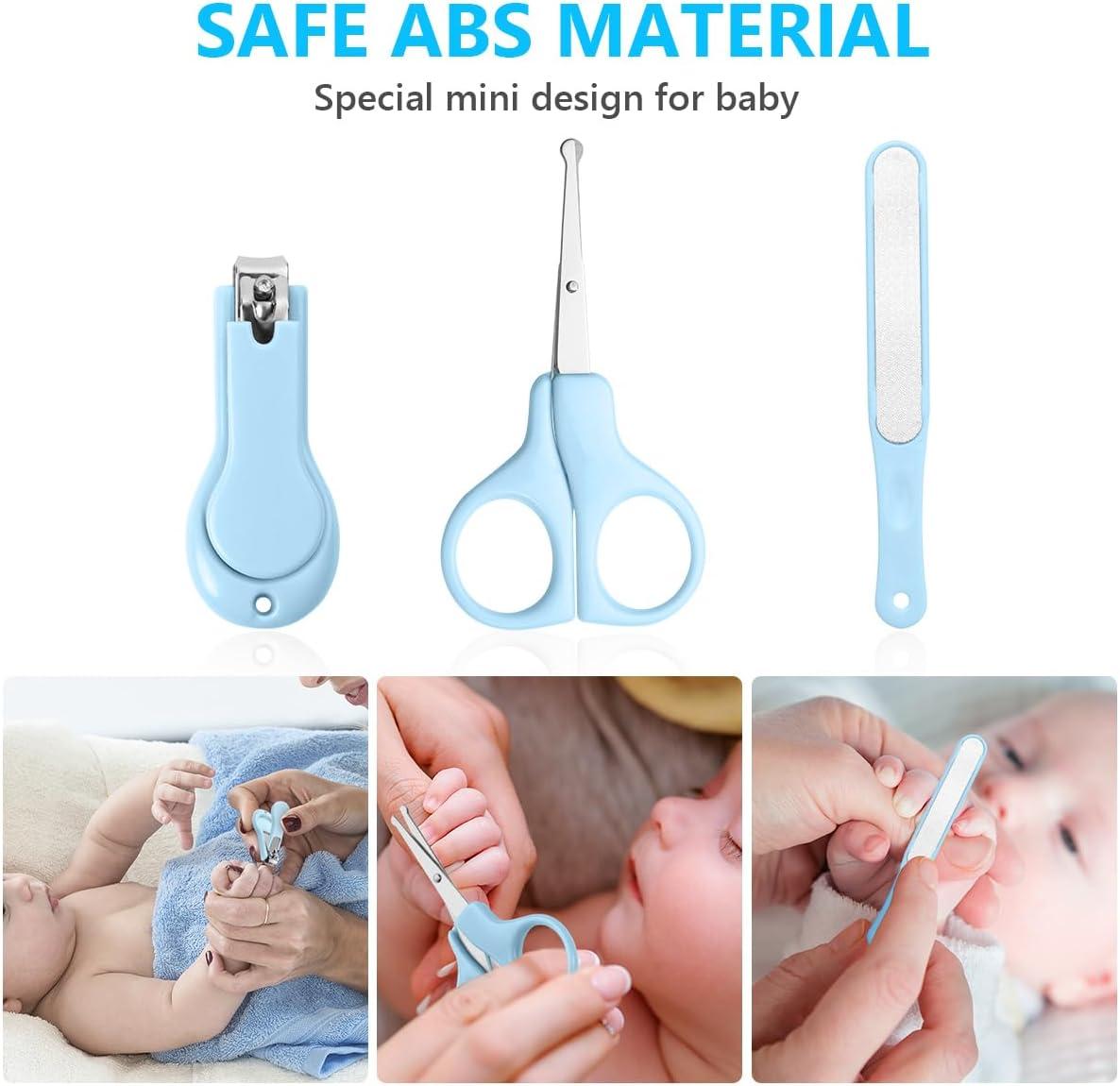
Choosing the right nail tools for your newborn is very important. Newborn nails are soft and tiny. Using the proper tools keeps your baby safe and comfortable during nail care. It also helps you trim nails without causing harm or discomfort. Pick tools made for babies to ensure gentle care. Look for tools with smooth edges and easy grips. Proper nail tools make nail care easier and less stressful for both of you.
Nail Clippers Vs. Scissors
Nail clippers designed for babies have curved edges. They fit tiny nails perfectly and reduce the risk of cuts. Clippers are quick and safe for trimming straight nails. Baby nail scissors have rounded tips. They offer more control for trimming small nails carefully. Scissors work well for nails that are hard to reach or soft. Both tools can be safe if used with care and attention. Choose the one that feels easiest and safest for you.
Using Emery Boards Safely
Emery boards help smooth sharp edges after trimming. Use a fine-grit emery board made for babies. Gently file the nails in one direction only. Avoid rough or back-and-forth motions to protect delicate skin. Emery boards should never replace trimming tools. They are only for finishing touches to prevent scratching. Always keep emery boards clean and dry to avoid germs. Handle with care to keep your newborn’s nails safe and neat.
Best Time For Nail Grooming
Choosing the best time for newborn nail grooming helps make the process safe and easy. Nails grow fast and sharp nails can scratch delicate skin. Picking the right moment reduces fuss and keeps your baby comfortable. Timing is key to smooth nail care.
After Bathing
Baby’s skin is softer after a bath. Nails also become softer and easier to trim. This lowers the chance of hurting your baby. Bath time is a good moment to gently clean and check nails. Make sure your baby is warm and dry before trimming.
When Baby Is Calm Or Sleeping
Calm or sleeping babies move less during nail care. This reduces the risk of accidental cuts. Nail grooming during naps or quiet moments helps your baby stay relaxed. Use a soft light and gentle touch to avoid waking your baby.
Credit: www.walmart.com
Step-by-step Nail Trimming Guide
Trimming your newborn’s nails is important to keep them safe and comfortable. Nails grow fast and can scratch delicate skin. This guide breaks down the process into clear, easy steps. Follow them to trim nails safely and calmly.
Preparing Your Baby
Choose a calm time when your baby is relaxed or sleepy. A dim, quiet room helps keep your baby calm. Use good lighting to see the nails clearly. Wash your hands and gather nail clippers or baby nail scissors. Have a soft towel ready to hold your baby steady.
How To Hold The Hand Or Foot
Hold your baby’s hand or foot gently but firmly. Use your thumb to press the finger or toe pad back. This shows the nail edge and keeps skin safe. If needed, wrap your baby’s arm or leg in a towel. This prevents sudden movements during trimming.
Trimming Techniques
- Use small, curved baby nail scissors or clippers.
- Trim nails straight across to avoid ingrown nails.
- Cut small sections at a time for control.
- Avoid cutting too close to the skin.
- Use a nail file to smooth sharp edges after trimming.
Take breaks if your baby gets fussy. Patience and gentle care make the process easier. Regular trimming keeps nails short and reduces scratches.
Alternative Nail Care Methods
Newborn nail care can feel tricky for many parents. Cutting tiny nails may seem risky. Alternative nail care methods offer gentle ways to keep nails safe. These options help protect your baby from scratches without using scissors. They are easy and safe to try at home.
Using Nail Files
Soft nail files are great for newborns. They gently smooth sharp edges without cutting. Use a fine-grit file made for babies. File nails in one direction to avoid damage. Do this when your baby is calm or sleeping. It reduces chances of sudden movements. Filing keeps nails neat and prevents scratches.
Applying Mittens Or Socks
Mittens or socks act as a barrier for baby’s hands. They stop nails from scratching delicate skin. Choose mittens made of soft, breathable fabric. Change them often to keep hands clean. Socks can work too, especially during sleep. This method is simple and effective for active babies.
Common Mistakes To Avoid
Newborn nail care can be tricky for many parents. Mistakes can cause discomfort or even injury to your baby. Being careful helps keep your baby’s tiny nails healthy and safe.
Understanding common errors helps you avoid problems. Here are two frequent mistakes to watch out for during nail care.
Cutting Too Short
Cutting a newborn’s nails too short can hurt their delicate skin. It may lead to bleeding or infection. Trim nails just enough to remove sharp edges. Use baby nail clippers or scissors designed for infants. Always cut straight across to prevent ingrown nails.
Ignoring Sharp Edges
Sometimes, parents trim nails but leave sharp edges behind. These edges can scratch your baby’s face or body. After cutting, gently file the nails with a soft emery board. This step smooths out rough spots. It keeps your baby comfortable and safe from scratches.
Signs Of Nail Infections
Noticing any changes in your newborn’s nails can be worrying. Nail infections are more common than you might think, and catching the signs early helps prevent discomfort and further issues. Being aware of what to look for can make a big difference in your baby’s health and happiness.
Redness And Swelling
One of the first signs of a nail infection is redness around the nail bed. If the skin looks pink or red and feels warm to the touch, it may be inflamed. Swelling often follows, making the area puffy and tender.
Have you ever touched your baby’s finger and noticed it was unusually swollen or red? That could be a signal your little one needs care. Don’t ignore these signs; even mild swelling can indicate the start of an infection.
Discharge Or Pus
Clear discharge around the nail might seem harmless, but thick, yellow, or green pus is a clear warning sign. This usually means bacteria have entered through a small cut or nail injury.
If you see any oozing, it’s important to keep the area clean and monitor it closely. Prompt attention can stop the infection from spreading and causing more pain for your baby.
Tips For Managing Fussy Babies During Grooming
Managing a fussy baby during nail care can feel like a tough challenge. Your little one might squirm, cry, or simply refuse to sit still, making grooming stressful for both of you. Yet, with some thoughtful approaches, you can ease this process and keep nail care calm and safe.
Distraction Techniques
Distracting your baby is a smart way to keep their attention away from the nail trimming. You could try gently singing their favorite lullaby or playing soft music nearby. Some parents find that offering a colorful toy or a soft teething ring works wonders.
Keeping your voice calm and steady helps too. Sometimes, the sound of your own soothing voice is enough to help your baby feel secure and less focused on the grooming. Have you noticed which sounds or objects your baby responds to best?
Enlisting Help From A Partner
Having an extra pair of hands can make nail care much easier. While you hold your baby gently but firmly, your partner can handle the trimming. This teamwork reduces the chances of sudden movements that might cause accidental nicks.
Sharing the task also means you both get a chance to comfort your baby if they get upset. This balance between distraction and support often turns a fussy grooming session into a smoother experience. Could your partner’s presence be the calming factor your baby needs?
Frequently Asked Questions
How Often Should I Trim My Newborn’s Nails?
Newborn nails grow quickly and need trimming every 1-2 weeks. Keeping nails short prevents scratching and infections. Use baby nail clippers or files for safety and avoid cutting too close to the skin.
When Is The Safest Time To Cut Newborn Nails?
The safest time to trim newborn nails is when the baby is calm or asleep. This reduces sudden movements and helps prevent accidental cuts. Using proper tools and good lighting also ensures safer nail care.
What Tools Are Best For Newborn Nail Care?
Use baby nail clippers or soft nail files designed for infants. These tools are gentle and reduce the risk of injury. Avoid adult scissors or regular clippers as they may harm delicate skin.
How Can I Prevent My Newborn From Scratching Their Face?
Keep newborn nails trimmed regularly and use soft mittens when needed. Mittens protect the baby’s skin during sleep or fussiness. Regular nail care combined with mittens helps prevent scratches effectively.
Conclusion
Caring for your newborn’s nails keeps them safe and comfortable. Trim nails regularly to avoid scratches. Use gentle tools made for babies. Stay calm and patient during nail care times. This helps your baby feel secure and relaxed. Small steps make a big difference in your baby’s health.
Keep nails clean to prevent infections. Remember, practice makes nail care easier each day. Your gentle care shows love and protects your little one. Simple habits create a safe, happy environment for your baby.
