
Dealing with acne can feel like an endless battle, right? You’re not alone.
Many people search for solutions that are effective yet gentle on the skin. Imagine having clear skin without the harsh chemicals often found in over-the-counter treatments. Sounds appealing, doesn’t it? Natural remedies for acne offer a promising alternative, tapping into the power of the ingredients Mother Nature provides.
This isn’t just about clear skin; it’s about achieving it in a way that respects your body and the environment. You’ll discover simple, natural solutions that can transform your skincare routine and help you feel more confident in your own skin. Ready to explore these natural wonders? Let’s dive in!
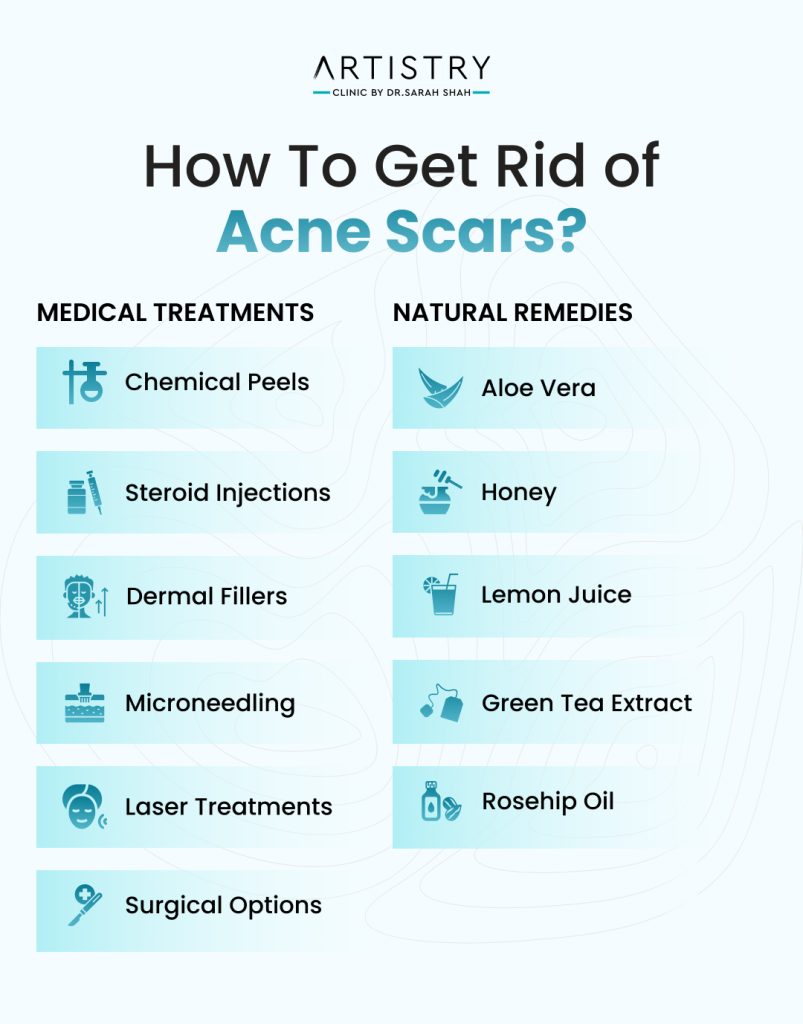
Credit: www.artistryclinic.co.uk
Causes Of Acne
Acne is a common skin condition affecting many people at different ages. It happens when hair follicles get clogged with oil and dead skin cells. Several factors cause acne, and understanding these helps manage the condition better.
Hormonal Changes
Hormones play a big role in acne development. During puberty, hormone levels rise quickly. This increase causes more oil production in the skin. Women may notice acne flare-ups during menstrual cycles or pregnancy. Hormonal imbalances can trigger excess oil and clogged pores.
Diet And Lifestyle
Food and daily habits impact skin health. Eating many sugary and oily foods may worsen acne. Lack of sleep and high stress levels can make acne worse. Drinking enough water and eating fruits and vegetables support clear skin. Regular exercise helps improve blood flow and reduce stress.
Environmental Factors
External factors also affect acne. Pollution and dirt can block pores and cause irritation. Using heavy or oily skin products may worsen breakouts. Hot and humid weather increases sweat, which can clog pores. Keeping skin clean and avoiding harsh products helps reduce acne risk.

Credit: www.amazon.com
Benefits Of Natural Remedies
Natural remedies for acne offer many benefits that make them a popular choice. They focus on healing the skin gently and effectively. These remedies often use ingredients found in nature, which can be safer and kinder for sensitive skin.
Many people find natural treatments easier to use daily. They tend to cause fewer problems and are more affordable. These benefits help people manage acne without harsh chemicals or expensive products.
Gentle On Skin
Natural remedies usually contain mild ingredients. They clean and soothe skin without causing irritation. These remedies avoid harsh chemicals that can dry out or damage skin. This makes them ideal for people with sensitive or delicate skin.
Using gentle solutions helps reduce redness and swelling. It also supports skin’s natural healing process. Over time, this can lead to clearer, healthier skin.
Fewer Side Effects
Natural treatments often have fewer side effects than synthetic products. They rarely cause allergic reactions or skin burns. This lowers the risk of worsening acne or causing new skin problems.
Because natural remedies work with the skin, not against it, they provide safer care. This can make the acne treatment experience more comfortable and less stressful.
Cost-effective Solutions
Many natural remedies use ingredients that are easy to find at home or in stores. This makes them less expensive than many commercial acne products.
Natural treatments often need only a small amount of product. They can last longer, saving money over time. People can manage acne without spending a lot on skincare.
Top Natural Ingredients
Natural ingredients can be powerful allies in your fight against acne. They offer gentle care without harsh chemicals, reducing irritation while targeting breakouts. Let’s look at some top natural ingredients that might fit perfectly into your skincare routine.
Tea Tree Oil
Tea tree oil has strong antibacterial properties that help reduce acne-causing bacteria on your skin. Using just a drop diluted with a carrier oil can calm redness and prevent new pimples from forming.
Have you tried applying tea tree oil directly on a blemish? Many find it reduces swelling overnight, making it a quick fix for urgent spots.
Aloe Vera
Aloe vera soothes inflamed skin and speeds up healing. Its natural gel hydrates your skin without clogging pores, which is essential for acne-prone skin.
Applying aloe vera after cleansing can create a refreshing barrier that helps your skin recover faster. It’s especially helpful if acne treatments leave your skin dry or flaky.
Honey
Honey is a natural antiseptic and moisturizer that fights bacteria while keeping your skin soft. Raw honey can be used as a face mask to gently cleanse and nourish your skin.
Have you noticed how honey’s sticky texture helps trap dirt and impurities? Leaving it on for 15 minutes before rinsing can clear out pores effectively.
Green Tea Extract
Green tea extract contains antioxidants that reduce inflammation and control oil production. Applying it to your face can calm redness and shrink acne lesions.
Drinking green tea regularly also supports skin health from the inside. Could a cup of tea be your secret weapon against stubborn acne?
Diy Treatments At Home
Managing acne at home can feel empowering, especially when you have natural options that work. DIY treatments offer a chance to control what goes on your skin while often saving money. Let’s look at some practical ways you can create effective acne remedies right in your kitchen.
Face Masks
Face masks can target acne by soothing inflammation and unclogging pores. A simple mask using honey and cinnamon is powerful because honey is antibacterial and cinnamon improves blood flow.
- Mix 2 tablespoons of raw honey with 1 teaspoon of cinnamon powder.
- Apply it evenly on your face and leave it for 10-15 minutes.
- Rinse with warm water and pat dry.
Have you noticed how some masks can leave your skin feeling tight but clean? That’s a sign they’re helping reduce oil and dirt build-up.
Cleansing Routines
Your cleansing routine sets the foundation for clear skin. Using gentle, natural cleansers avoids stripping your skin of moisture, which can worsen acne.
- Try mixing a teaspoon of oatmeal with plain yogurt to create a mild cleanser.
- Massage it gently onto your face to remove excess oil and dead skin cells.
- Rinse with lukewarm water and follow up with a natural toner like rose water.
How often do you change your cleanser? Sticking to a gentle, consistent routine often yields better results than frequent product swaps.
Spot Treatments
Targeting pimples quickly can prevent them from becoming bigger problems. Tea tree oil is a popular natural spot treatment due to its antibacterial and anti-inflammatory properties.
- Dilute tea tree oil with a carrier oil like jojoba (1 part tea tree oil to 9 parts carrier oil).
- Apply the mixture directly to the blemish with a cotton swab.
- Repeat twice daily until the spot improves.
Have you tried using spot treatments right when a pimple appears? Early action often limits swelling and redness dramatically.
Diet Tips For Clear Skin
Your skin often reflects what you feed your body. Eating the right foods can calm inflammation, balance hormones, and reduce breakouts. Changing your diet might feel challenging, but small tweaks can lead to clearer, healthier skin over time.
Foods To Avoid
Some foods can trigger acne by increasing oil production or causing inflammation. Try cutting back on:
- High glycemic index foods:White bread, sugary snacks, and sodas can spike blood sugar and worsen acne.
- Dairy products:Milk and cheese may stimulate hormones that cause breakouts for some people.
- Processed and fried foods:These often contain unhealthy fats that can clog pores and irritate your skin.
Have you noticed your skin acting up after eating certain foods? Tracking your meals and skin reactions can help you identify your personal triggers.
Skin-friendly Nutrients
Adding foods rich in certain nutrients can support your skin’s healing process. Focus on:
- Omega-3 fatty acids:Found in salmon, walnuts, and flaxseeds, these fats reduce inflammation and redness.
- Vitamin A and beta-carotene:Sweet potatoes, carrots, and spinach help regulate skin cell turnover.
- Zinc:Pumpkin seeds, chickpeas, and lentils support immune function and reduce acne severity.
I once added more leafy greens and fish to my diet and saw a noticeable difference in skin texture within weeks. What nutrient could your skin be missing?
Hydration Importance
Drinking enough water is crucial for flushing out toxins and keeping your skin hydrated. When your skin is well-hydrated, it’s less likely to produce excess oil that can clog pores.
Try to drink at least 8 glasses of water a day. Herbal teas and water-rich fruits like watermelon also count toward your hydration goals.
Do you track your daily water intake? Sometimes, simply drinking more water can improve skin clarity without any extra effort.
Lifestyle Changes To Support Skin Health
Supporting your skin health goes beyond creams and treatments. Simple changes in your daily routine can have a big impact on reducing acne and improving your skin’s overall appearance. Adjusting your lifestyle helps your body work better from the inside out, making your skin clearer and healthier.
Stress Management
Stress can cause your body to produce hormones that trigger acne flare-ups. Learning how to manage stress is key to keeping your skin calm and balanced. Try practices like deep breathing, meditation, or even short walks to lower stress levels throughout the day.
Have you noticed your skin breaking out after a stressful event? That’s your body’s reaction to stress hormones. Taking just a few minutes to relax can help prevent these sudden flare-ups and improve your skin’s healing process.
Sleep Quality
Good sleep is essential for skin repair. When you don’t get enough rest, your skin struggles to regenerate, leading to dullness and more acne. Aim for 7 to 9 hours of quality sleep every night to give your skin the time it needs to heal.
Try creating a calming bedtime routine. Avoid screens before bed and keep your room cool and dark. Better sleep doesn’t just make you feel refreshed—it also helps your skin fight acne more effectively.
Exercise Benefits
Regular exercise improves blood flow, which helps nourish skin cells and keep them healthy. Sweating during a workout can also clear out clogged pores, reducing the chance of acne. Just remember to wash your face soon after exercising to remove sweat and bacteria.
Physical activity also reduces stress and improves sleep quality, both important for clear skin. How often do you move your body during the week? Adding even short bursts of exercise can make a difference in your skin’s condition.
When To Seek Professional Help
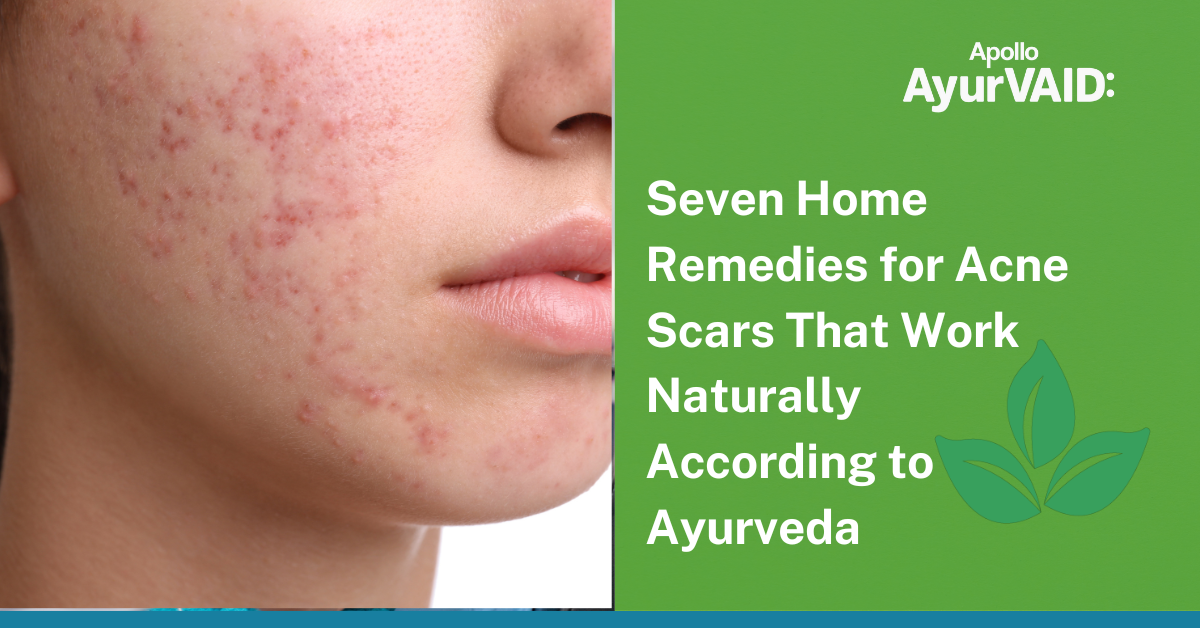
Natural remedies can be a gentle and effective way to manage mild acne, but it’s important to recognize when the condition requires professional attention. Ignoring severe symptoms or worsening breakouts can lead to scarring and long-term skin issues. Understanding the signs that indicate you need expert care helps you protect your skin and achieve better results faster.
Severe Acne Signs
Not all acne is created equal. If you notice large, painful cysts or nodules under the skin, it’s a red flag. These deep lesions don’t respond well to over-the-counter or natural treatments and often need medical intervention.
Other signs to watch for include:
- Acne that covers large areas of your face, back, or chest
- Persistent redness and inflammation that last for weeks
- Acne that causes significant pain or discomfort
- Scarring or changes in skin texture developing over time
If your acne matches these descriptions, consulting a dermatologist can prevent further damage and provide access to stronger, targeted treatments.
Combining Natural And Medical Treatments
You might wonder if natural remedies and prescription treatments can work together. The answer is yes—they often do. Many dermatologists encourage combining gentle, natural methods with professional medical care to reduce side effects and improve skin health.
For example, you could use tea tree oil or aloe vera gel alongside topical antibiotics or retinoids prescribed by your doctor. This approach can soothe irritation and support healing while the medication tackles the root cause of acne.
Have you tried natural remedies but still see stubborn breakouts? It’s worth discussing a combined strategy with your healthcare provider. This way, you get the best of both worlds—a safe, effective path to clearer skin.
Credit: ayurvaid.com
Frequently Asked Questions
What Natural Ingredients Help Reduce Acne Effectively?
Tea tree oil, aloe vera, and honey are known to reduce acne. They have antibacterial and anti-inflammatory properties that soothe skin and fight bacteria causing acne.
How Long Do Natural Acne Remedies Take To Work?
Natural remedies usually take 4 to 6 weeks to show noticeable improvement. Consistency and proper skincare routine are essential for best results.
Can Diet Changes Improve Acne Naturally?
Yes, reducing sugar, dairy, and processed foods can improve acne. Eating more fruits, vegetables, and omega-3 rich foods supports clearer skin naturally.
Are Natural Remedies Safe For All Skin Types?
Most natural remedies are safe but may cause irritation in sensitive skin. Always do a patch test before full application to avoid adverse reactions.
Conclusion
Natural remedies can help reduce acne gently and safely. Consistent care brings the best results over time. Simple ingredients from your kitchen may soothe your skin. Patience matters; clear skin does not happen overnight. Always listen to your skin’s needs and adjust accordingly.
Healthy habits support a clearer, brighter complexion. Your skin deserves natural care that feels right to you. Keep trying, and you will see positive changes soon.
