Are you tired of battling frizz, split ends, and lifeless locks? You’re not alone.
Many people struggle to find the right balance for their natural hair. But what if I told you that a simple, effective routine could bring your hair back to life? Imagine running your fingers through soft, healthy strands that shine with vitality.
This isn’t a fantasy—it’s entirely possible with the right natural hair care routine. You’ll uncover the secrets to nurturing your hair in a way that feels both rewarding and sustainable. Get ready to transform your hair care habits and embrace the beauty of your natural texture.
Benefits Of Natural Hair Care
Choosing a natural hair care routine offers several benefits that directly impact the health and appearance of your hair. It allows you to treat your hair gently while supporting its natural growth and strength. This approach helps you avoid unnecessary damage and keeps your scalp comfortable and nourished.
Avoiding Harsh Chemicals
Many commercial hair products contain sulfates, parabens, and synthetic fragrances that can strip your hair of its natural oils. Avoiding these harsh chemicals reduces dryness and irritation. You might notice that your hair feels softer and looks shinier after switching to natural alternatives.
Have you ever experienced itching or scalp redness after using certain shampoos? That could be a sign your scalp is reacting to chemicals. Natural products often use ingredients like aloe vera or coconut oil, which soothe your scalp instead of harming it.
Promoting Scalp Health
Your scalp is the foundation of healthy hair. Natural hair care focuses on keeping this area balanced and free from buildup. Using gentle cleansers and scalp massages with oils can improve blood flow and reduce dandruff.
Imagine feeling relief from persistent dryness or flakiness just by changing your routine. When your scalp is healthy, your hair follicles get the nutrients they need, which supports better hair growth and less breakage.
Enhancing Hair Strength
Natural ingredients like shea butter, argan oil, and jojoba oil help strengthen your hair strands without weighing them down. These nourishing oils penetrate deep into the hair shaft, reducing split ends and breakage.
You might find your hair is easier to manage and less prone to damage after consistent use of natural treatments. What simple changes could you make today to protect your hair from everyday wear and tear?
Credit: baskandbloomessentials.com
Choosing The Right Products
Choosing the right products is essential for a natural hair care routine. The products should match your hair’s unique needs. Picking the wrong items can cause dryness, breakage, or scalp irritation. It is important to understand your hair type and select products with gentle, natural ingredients. Reading labels carefully helps avoid harmful chemicals and ensures product effectiveness.
Identifying Hair Type
Knowing your hair type guides product choices. Hair can be straight, wavy, curly, or coily. Each type needs different care. Consider hair thickness: fine, medium, or thick. Also, check if your scalp is oily, dry, or balanced. This knowledge helps find products that support your hair’s natural texture and health.
Selecting Natural Ingredients
Natural ingredients nourish hair without harsh chemicals. Look for oils like coconut, argan, or jojoba. These oils add moisture and shine. Herbal extracts such as aloe vera and chamomile soothe the scalp. Avoid sulfates, parabens, and silicones. These can dry out or weigh down hair. Choose products with vitamins and proteins for strength.
Reading Labels Carefully
Labels reveal what is inside the product. Check ingredient lists from highest to lowest amount. Avoid products with artificial fragrances and dyes. Look for terms like “organic” or “certified natural.” Confirm the product does not contain harmful preservatives. This practice ensures safer, healthier hair care choices.
Daily Hair Care Practices
Daily hair care practices shape the health and appearance of your natural hair more than occasional treatments. Consistency matters, but how you care for your hair each day can make all the difference. Small adjustments in your routine can prevent damage and keep your curls, coils, or waves vibrant and strong.
Gentle Cleansing Techniques
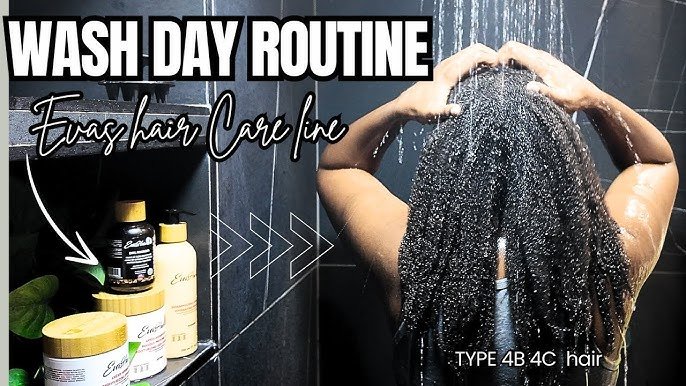
Harsh shampoos can strip your hair of its natural oils, leading to dryness and breakage. Use a sulfate-free shampoo or a mild cleansing conditioner to keep your scalp fresh without over-drying. Focus on massaging your scalp gently with your fingertips to stimulate blood flow and remove buildup without tangling your hair.
Think about how often you scrub your scalp—could a softer touch bring better results? Many find that rinsing with lukewarm water rather than hot water preserves moisture and reduces scalp irritation. After washing, avoid rough towel drying; instead, gently squeeze excess water with a microfiber towel or an old cotton T-shirt.
Proper Conditioning Methods
Conditioning is not just an extra step; it’s essential for maintaining softness and elasticity in natural hair. Apply conditioner from the mid-lengths to the ends where hair is oldest and most fragile. Use a wide-tooth comb or your fingers to detangle while the conditioner is still in your hair, reducing breakage from pulling.
Have you tried leaving your conditioner on for a few extra minutes? This allows your hair to absorb more moisture. After rinsing, some people benefit from a leave-in conditioner to keep hair hydrated throughout the day, especially if your environment is dry or windy.
Avoiding Overwashing
Washing your hair too often can strip away the oils that protect and nourish your scalp and strands. Many natural hair textures thrive with washing schedules ranging from once a week to once every two weeks. Pay attention to how your scalp feels—if it’s itchy or flaky, it might be time to wash, but if it feels balanced, you can wait longer.
Could skipping a wash day or two actually improve your hair’s health? Try using a dry shampoo or simply rinsing with water to refresh your hair between washes. This practice helps maintain your natural oils and prevents the dryness that leads to split ends and frizz.

Credit: www.youtube.com
Weekly Treatments For Shine
Weekly treatments can make a big difference in the shine and health of your natural hair. These focused care sessions give your hair the extra boost it needs to look vibrant and feel soft. Skipping these can leave your hair dull and lifeless, so setting aside time each week is a simple way to keep your natural shine alive.
Diy Hair Masks
Creating your own hair masks allows you to customize ingredients to your hair’s unique needs. Ingredients like honey, avocado, and coconut oil add moisture and shine without harsh chemicals.
Try mixing mashed avocado with a tablespoon of honey and a splash of olive oil. Apply it to damp hair and leave it on for 20 minutes. You’ll notice your hair feels smoother and shines more naturally after just one treatment.
Scalp Exfoliation
Exfoliating your scalp might sound unusual, but it’s essential for healthy hair growth and shine. Removing buildup of dead skin and product residue helps your scalp breathe and promotes better circulation.
Use a gentle scrub made from sugar and coconut oil. Massage it into your scalp in circular motions for a few minutes before rinsing. This simple step can prevent flakes and give your hair a fresh, shiny base.
Hot Oil Treatments
Hot oil treatments deeply nourish your hair and lock in moisture. Oils like jojoba, almond, and castor oil penetrate the hair shaft to restore shine and strength.
Warm the oil slightly and apply it evenly through your hair. Cover your head with a warm towel for 30 minutes to help the oil absorb better. You’ll see your hair reflecting light and feeling softer immediately after.
Protecting Hair From Damage
Protecting your hair from damage is key to maintaining healthy, natural locks. Daily habits and environmental factors can take a toll on your strands without you even realizing it. Taking simple, deliberate steps can help you keep your hair strong and vibrant.
Minimizing Heat Styling
Heat styling tools like flat irons and curling wands can cause serious damage if used too often. Try limiting their use to special occasions rather than daily routines.
If you do use heat, always apply a heat protectant spray first. This creates a barrier that reduces the risk of breakage and dryness.
Have you noticed your hair feeling brittle or losing its natural shine? Cutting back on heat styling might be the easiest fix you can make.
Using Protective Hairstyles
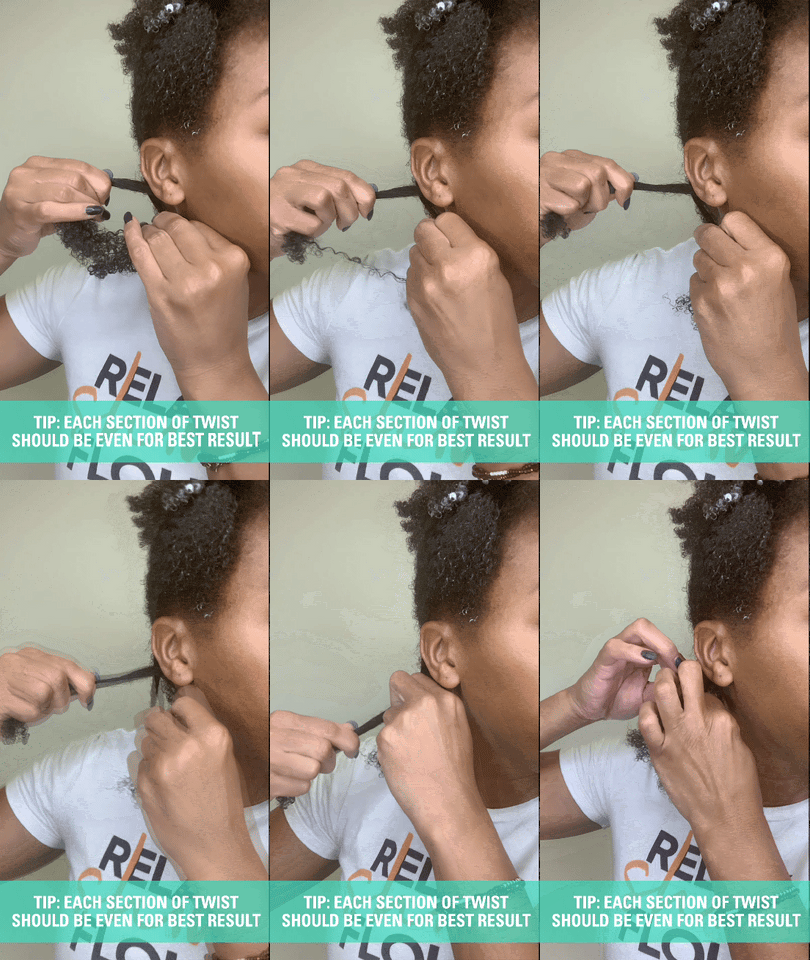
Protective hairstyles reduce tension and friction, preventing hair breakage. Styles like braids, twists, buns, and updos shield your ends and keep hair from snagging on clothing.
Switching your hairstyle regularly also helps avoid stress on the same areas. Avoid tight styles that pull on your scalp to prevent damage to your hairline.
Try experimenting with different protective looks that suit your lifestyle and hair type. Have you found a go-to style that keeps your hair healthy?
Shielding From Environmental Stressors
Sun, wind, and pollution can weaken your hair over time. Wearing a hat or scarf when outdoors protects your strands from UV rays and harsh weather.
Using moisturizing products with antioxidants can also help repair and defend against environmental damage. Look for ingredients like aloe vera, jojoba oil, or vitamin E.
Think about how often your hair is exposed to these stressors. Could adding a simple protective step to your routine make a noticeable difference?
Diet And Hydration Impact
Healthy hair needs more than just good shampoo or conditioner. Diet and hydration play a key role in hair care. What you eat and drink affects the strength, shine, and growth of your hair. A balanced diet provides the right building blocks for hair health. Drinking enough water keeps your scalp hydrated and helps nutrients reach hair follicles. Let’s explore how nutrients, water, and supplements support natural hair care.
Nutrients For Hair Health
Hair needs specific nutrients to grow strong and look healthy. Protein forms the structure of hair strands. Iron helps carry oxygen to hair roots. Vitamins A, C, D, and E promote scalp health and hair growth. Zinc prevents hair loss and repairs damaged strands. Omega-3 fatty acids add shine and reduce dryness.
- Lean meats, eggs, and beans provide protein
- Spinach, lentils, and red meat are rich in iron
- Citrus fruits and berries supply vitamin C
- Fish and nuts offer omega-3 fatty acids
Importance Of Water Intake
Water keeps hair hydrated from the inside out. It helps maintain scalp moisture and prevents dryness. Dehydration can cause brittle hair and scalp itchiness. Drinking enough water supports natural hair oils and reduces breakage. Aim to drink at least 8 glasses of water daily for healthy hair and scalp.
Supplements To Consider
Supplements can fill gaps in your diet. Biotin supports hair strength and thickness. Vitamin D helps hair follicles stay active. Iron supplements aid those with deficiency-related hair loss. Always check with a healthcare provider before starting supplements. Overuse may cause side effects or imbalances.
Tracking Progress And Adjustments
Tracking progress and making adjustments are key parts of a natural hair care routine. Your hair changes over time. It reacts to weather, products, and your health. Watching these changes helps you keep your hair healthy and strong.
Keeping A Hair Care Journal
Write down what products you use and when you use them. Note how your hair feels after washing, conditioning, or styling. Record any changes in hair health, such as dryness or shine. A journal helps spot patterns and results over weeks or months.
Noticing Changes In Hair Texture
Look closely at your hair’s texture regularly. Is it becoming softer or more brittle? Are curls tighter or looser? Changes may mean your routine needs tweaking. Healthy hair usually feels smooth and looks vibrant.
Adapting Routine As Needed
Adjust your routine based on what your hair needs. Add more moisture if hair feels dry. Use lighter products if hair looks oily. Change your wash frequency if scalp feels itchy. Small changes can bring big improvements.

Credit: www.youtube.com
Frequently Asked Questions
What Are The Basics Of A Natural Hair Care Routine?
A natural hair care routine includes cleansing, conditioning, moisturizing, and protecting hair. Use gentle, sulfate-free shampoos and natural oils. Avoid harsh chemicals and heat styling to maintain hair health and shine.
How Often Should I Wash Natural Hair?
Washing natural hair depends on hair type and lifestyle. Typically, wash every 7-14 days using a mild shampoo. Overwashing can strip natural oils, causing dryness. Co-washing with conditioner can be done between washes to keep hair hydrated.
Which Natural Oils Are Best For Hair Care?
Coconut, argan, jojoba, and castor oils are excellent for natural hair. They moisturize, reduce frizz, and promote scalp health. Use oils as pre-shampoo treatments or daily sealants to lock in moisture and strengthen hair strands.
How Can I Prevent Natural Hair Breakage?
To prevent breakage, avoid excessive heat and tight hairstyles. Use wide-tooth combs and gentle detangling methods. Keep hair moisturized and trim regularly to remove split ends and maintain hair strength.
Conclusion
Caring for natural hair takes patience and simple steps. Choose gentle products that suit your hair type. Wash and moisturize regularly to keep hair healthy. Protect hair from harsh weather and heat damage. Trim split ends to encourage growth and shine.
Stay consistent with your routine for the best results. Natural hair looks beautiful when treated with care. Small changes make a big difference over time. Enjoy the process and love your natural hair every day.
