Do you ever feel like your oily skin has a mind of its own? One minute, it looks fresh and radiant, and the next, it resembles a shiny disco ball.
If you’re nodding in agreement, you’re not alone. Oily skin can be a real challenge, but the good news is there’s a natural way to manage it. Forget about harsh chemicals and overwhelming routines. Instead, imagine waking up each day knowing your skin is balanced, healthy, and glowing.
We’ll uncover natural care secrets that will transform how you deal with oily skin. Get ready to embrace a skincare routine that feels like a breath of fresh air and leaves you confident in your skin’s natural beauty. Keep reading to discover how you can achieve a shine-free, radiant complexion effortlessly.
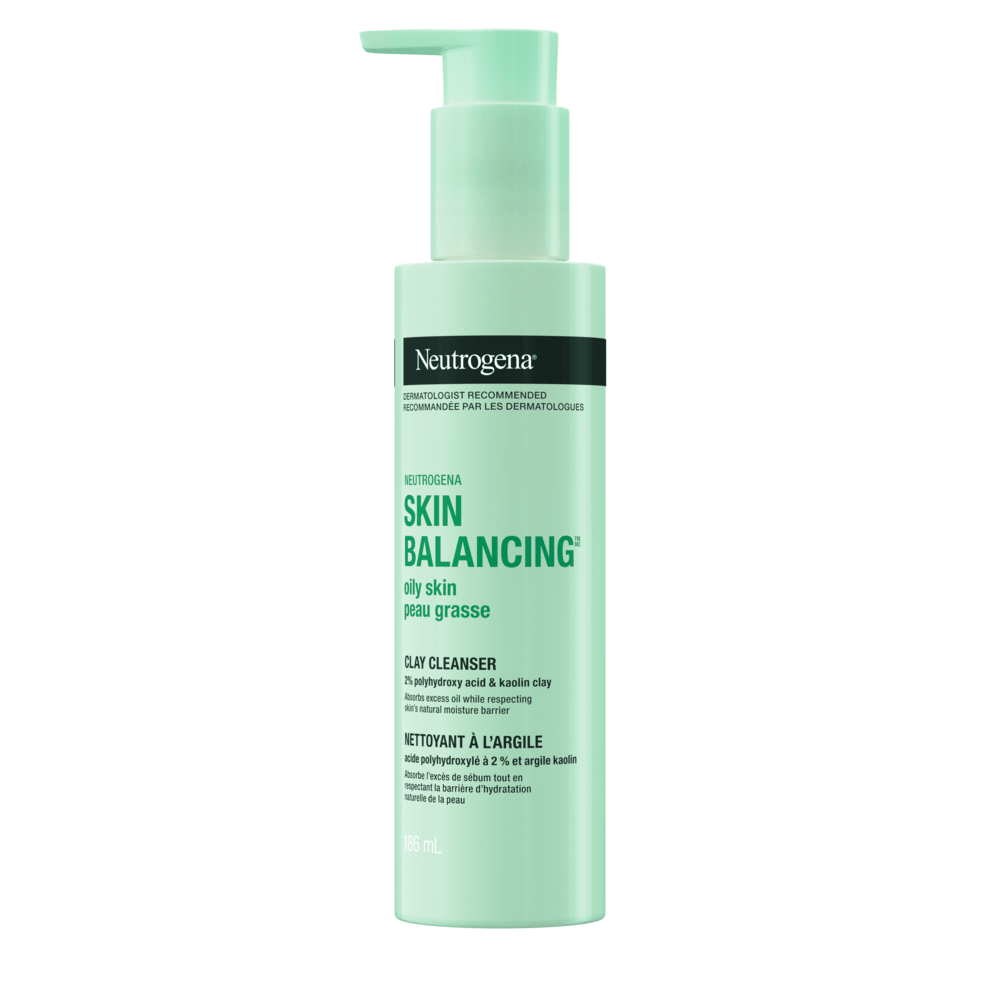
Credit: www.neutrogena.ca
Causes Of Oily Skin
Understanding what causes oily skin is the first step toward managing it naturally. Oily skin happens when your sebaceous glands produce too much sebum, the oily substance that keeps your skin hydrated. But what triggers these glands to go into overdrive? Let’s break down some common causes that might be affecting your skin without you realizing it.
Hormonal Influences
Your hormones play a huge role in how much oil your skin produces. During puberty, your body produces more androgens, which can increase oil production.
Women often notice changes in skin oiliness during their menstrual cycle, pregnancy, or menopause because hormone levels fluctuate. If you’ve ever wondered why your skin suddenly feels greasier before your period, this hormonal shift is likely the reason.
Diet And Lifestyle Factors
What you eat and how you live can directly impact your skin’s oil levels. Foods high in sugar and refined carbs can spike insulin, which encourages your skin to produce more oil.
Lack of sleep and high stress levels also throw your hormones off balance, causing your skin to become oilier. Have you noticed your skin acting up after a stressful week or a poor night’s rest? That’s no coincidence.
Environmental Impact
Your surroundings affect oily skin more than you might think. Hot and humid weather makes your skin sweat and produce more oil to protect itself.
Pollution and dirt can clog your pores, prompting your skin to produce extra oil as a defense mechanism. If you live in a city, you might want to pay extra attention to cleansing routines that remove these impurities.

Credit: osmiaskincare.com
Daily Cleansing Rituals
Daily cleansing is key to managing oily skin naturally. It helps remove excess oil, dirt, and impurities. A good routine keeps pores clear and skin fresh. Simple habits can make a big difference in controlling shine and preventing breakouts.
Choosing Gentle Cleansers
Select cleansers made for oily skin but gentle in action. Look for ingredients like tea tree oil, salicylic acid, or aloe vera. Avoid harsh soaps that strip natural oils completely. Mild formulas keep skin balanced without causing dryness.
Proper Washing Techniques
Use lukewarm water, not hot or cold. Wet your face before applying cleanser. Massage gently in circular motions for 30 seconds. Rinse thoroughly to remove all residue. Pat dry with a soft towel without rubbing.
Avoiding Over-cleansing
Washing too often can irritate skin and increase oil production. Stick to cleansing twice a day: morning and night. Extra washing leads to dryness, causing skin to produce more oil. Keep the routine simple and consistent for best results.
Natural Ingredients To Use
Natural ingredients offer gentle care for oily skin without harsh chemicals. They help balance oil production and soothe irritation. Using these ingredients regularly can improve skin texture and reduce shine. Here are some effective natural options to consider for oily skin care.
Aloe Vera Benefits
Aloe vera is a natural moisturizer that soothes skin. It reduces inflammation and redness caused by excess oil. Aloe vera also helps unclog pores and fight bacteria. Its light texture absorbs quickly without leaving a greasy feel.
Tea Tree Oil Properties
Tea tree oil has strong antibacterial and antifungal effects. It helps control acne by reducing bacteria on the skin. Use it diluted to avoid irritation. Tea tree oil also reduces excess oil and calms inflammation effectively.
Honey As A Moisturizer
Honey is a natural humectant that locks in moisture. It cleanses pores and reduces oil buildup gently. Honey’s antibacterial properties help prevent breakouts. It leaves skin soft and balanced without heaviness.
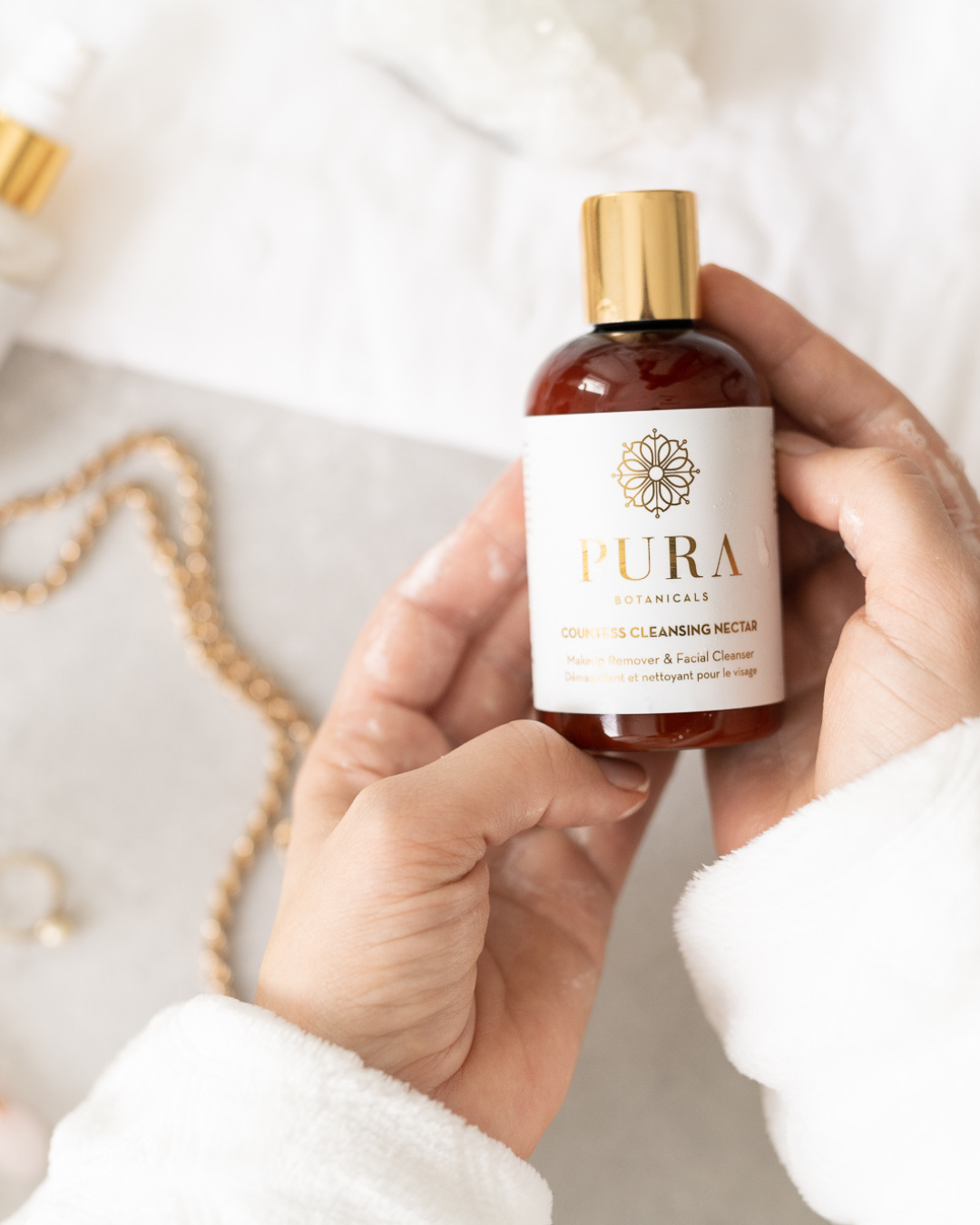
Credit: www.purabotanicals.ca
Diy Face Masks For Oil Control
DIY face masks offer a natural way to manage oily skin. They absorb excess oil and soothe the skin. These masks use simple ingredients found at home. Regular use helps balance oil production and reduces shine. Try different recipes to find what suits your skin best.
Clay Mask Recipes
Clay masks draw out dirt and oil from pores. They leave skin feeling fresh and clean. Use bentonite or kaolin clay for best results. Mix clay powder with water or apple cider vinegar. Apply a thin layer and let it dry for 10-15 minutes. Rinse gently with warm water. Use once or twice a week for oil control.
Oatmeal And Yogurt Masks
Oatmeal soothes irritated skin and controls oil. Yogurt contains lactic acid, which gently exfoliates. Blend 2 tablespoons of oatmeal with 1 tablespoon of yogurt. Apply the mixture evenly on the face. Leave it on for 15 minutes before rinsing. This mask calms skin and reduces excess oil naturally.
Lemon And Turmeric Blends
Lemon juice acts as a natural astringent. Turmeric has anti-inflammatory and antibacterial properties. Mix 1 teaspoon of lemon juice with ½ teaspoon of turmeric powder. Add a little honey for moisture. Apply carefully to avoid sensitive areas. Leave on for 10 minutes, then rinse off. This blend brightens skin and controls oil effectively.
Hydration Without Greasiness
Hydrating oily skin can feel tricky. Many fear moisturizers will add shine or clog pores. The secret lies in choosing products that hydrate without heaviness. This balance keeps skin fresh, calm, and well-nourished.
Lightweight Moisturizers
Choose moisturizers labeled as oil-free or non-comedogenic. Gel-based or water-based formulas absorb quickly. They provide moisture without leaving a greasy layer. Look for ingredients like hyaluronic acid, aloe vera, or glycerin. These hydrate deeply and soothe the skin.
Hydrating Toners
Toners help restore skin’s natural pH and add a layer of moisture. Pick alcohol-free toners with calming ingredients such as rose water or cucumber extract. They refresh skin and tighten pores. Use toners after cleansing to prepare skin for moisturizer.
Avoiding Heavy Oils
Heavy oils block pores and increase shine. Stay away from coconut oil, mineral oil, or lanolin. Instead, opt for light oils like jojoba or grapeseed if you want natural oils. These mimic skin’s own oils and absorb easily. Avoiding heavy oils reduces breakouts and keeps skin balanced.
Lifestyle Habits For Clear Skin
Clear skin isn’t just about the products you apply. Your daily lifestyle choices play a huge role in managing oily skin naturally. Simple habits can control excess oil and keep your complexion fresh and balanced.
Balanced Diet Tips
What you eat reflects directly on your skin. Foods rich in antioxidants like berries, spinach, and nuts help reduce inflammation and control oil production. Avoid greasy and sugary foods that can trigger breakouts.
Drink plenty of water to flush out toxins and keep your skin hydrated. Have you noticed how your skin feels after a heavy, oily meal versus a fresh salad? That difference matters more than you might think.
Stress Management
Stress makes your body produce more cortisol, which can increase oil production and cause acne. Finding ways to relax isn’t just good for your mind but also for your skin.
Simple activities like deep breathing, meditation, or even a short walk can lower stress levels. When you feel calmer, your skin often looks clearer and less shiny. How do you usually unwind after a stressful day?
Regular Exercise Benefits
Exercise boosts blood flow, helping deliver oxygen and nutrients to your skin. Sweating during a workout can also clear out clogged pores, reducing oily buildup. Just remember to wash your face soon after to remove sweat and dirt.
Consistent physical activity not only improves your skin’s appearance but also balances hormones that affect oil production. What type of exercise makes you feel energized and ready to glow?
Sun Protection For Oily Skin
Protecting oily skin from the sun requires a thoughtful approach. The right sunscreen can shield your skin without adding extra shine or clogging your pores. Choosing products designed for oily skin ensures you stay safe under the sun without compromising your skin’s health.
Non-comedogenic Sunscreens
Non-comedogenic sunscreens are designed not to block your pores. This is essential for oily skin because clogged pores lead to breakouts. Look for labels that clearly state “non-comedogenic” to avoid products that might worsen oiliness or cause acne.
Gel-based or water-based sunscreens often work better for oily skin. They feel lighter and absorb quickly, reducing that greasy after-feel. Have you noticed how some sunscreens leave a heavy film? Switching to non-comedogenic options can make a big difference.
Physical Vs Chemical Filters
Physical sunscreens use minerals like zinc oxide or titanium dioxide to reflect UV rays. They tend to be less irritating and are often recommended for sensitive or oily skin. However, some physical sunscreens can leave a white cast, which might not suit all skin tones.
Chemical sunscreens absorb UV rays and convert them to heat. They usually feel lighter and blend easily without residue. But, they can sometimes cause breakouts or irritation for oily skin, so patch testing is key.
Which type feels better on your skin? Try small amounts of both to see how your skin reacts before committing to one.
Reapplication Tips
Oily skin tends to get shiny, making it tempting to wipe your face frequently. However, wiping can remove your sunscreen, leaving your skin unprotected. Instead, use blotting papers to manage shine without stripping your sunscreen away.
Reapply sunscreen every two hours, especially if you’re outdoors. Carry a lightweight, oil-free sunscreen spray or powder for quick touch-ups. This keeps your skin protected without feeling heavy or greasy.
Do you find reapplying sunscreen inconvenient? Keep your reapplication product handy in your bag or desk drawer to make it part of your routine effortlessly.
When To Seek Professional Help
Knowing when to seek professional help is crucial in managing oily skin effectively. Sometimes, natural care routines might not be enough to address deeper issues that could worsen without expert guidance. Recognizing the signs that require a dermatologist’s intervention can save your skin from long-term damage and frustration.
Persistent Acne Issues
If you notice acne that refuses to clear up despite your best efforts with natural remedies, it’s time to consider professional help. Persistent breakouts may signal underlying hormonal imbalances or bacterial infections that need targeted treatment. Don’t let ongoing acne lower your confidence—professionals have access to solutions that go beyond over-the-counter products.
Skin Irritation Signs
Using natural products is generally safe, but if you experience redness, itching, or burning sensations, it could mean your skin is reacting negatively. Sometimes, irritation can worsen without proper care, leading to more serious conditions. Pay attention to how your skin responds and consult a dermatologist if irritation persists for more than a few days.
Dermatologist Treatments
Dermatologists offer a range of treatments tailored for oily skin, such as chemical peels, laser therapy, and prescription medications. These options can provide quicker and more effective results, especially when natural care alone isn’t sufficient. Have you considered how professional treatments might complement your skincare routine and bring lasting improvements?
Frequently Asked Questions
What Are The Best Natural Ingredients For Oily Skin?
Natural ingredients like tea tree oil, aloe vera, and witch hazel help balance oil production. They soothe the skin and reduce shine without harsh chemicals.
How Often Should I Cleanse Oily Skin Naturally?
Cleanse oily skin twice daily with a gentle, natural cleanser. Over-washing can increase oil production and cause irritation.
Can Natural Oils Help Oily Skin?
Yes, lightweight oils like jojoba and grapeseed mimic skin’s natural oils. They hydrate without clogging pores or adding excess shine.
What Natural Remedies Reduce Oily Skin Shine?
Using clay masks, rose water, and green tea can absorb excess oil. These remedies tighten pores and refresh the skin throughout the day.
Conclusion
Taking care of oily skin naturally helps keep your face fresh and clear. Simple steps like washing gently and using natural ingredients work best. Avoid harsh chemicals that can make oiliness worse. Drink water and eat healthy foods to support your skin.
Patience is key; natural care takes time to show results. Your skin will feel balanced and look healthier with regular care. Small changes can make a big difference. Keep a consistent routine and enjoy the benefits of natural skin care.