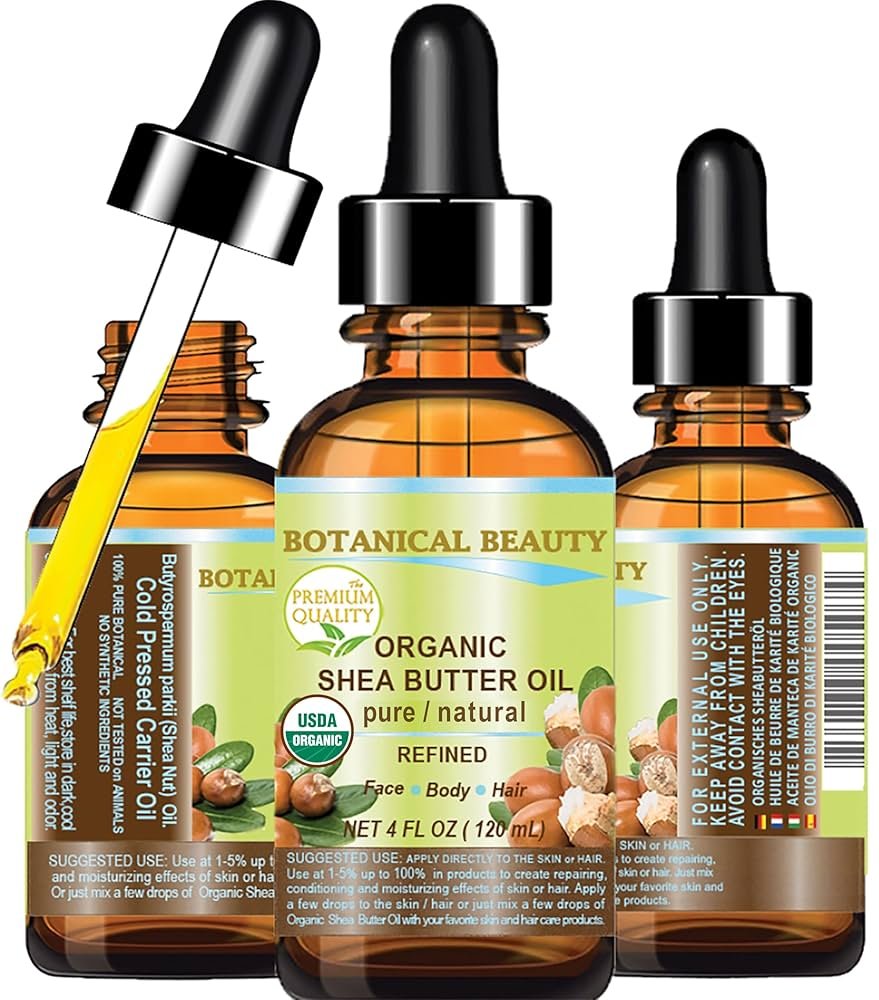
Are you looking for a simple way to boost your skin’s health and glow? The secret might be closer than you think.
Oils have been used for centuries to nourish and protect the skin, and some are truly game-changers. Imagine feeling your skin softer, clearer, and more radiant every day—without harsh chemicals or complicated routines. You’ll discover the most beneficial oils that can transform your skin, helping you look and feel your best.
Keep reading to find out which oils suit your skin type and how to use them for maximum results. Your skin will thank you.

Credit: www.amazon.com
Benefits Of Natural Oils For Skin
Natural oils offer a range of benefits that can transform your skincare routine. They nourish your skin deeply without harsh chemicals. By choosing the right oils, you can address specific skin concerns while keeping your skin healthy and glowing.
Moisturizing Effects
Natural oils lock in moisture and prevent dryness by forming a protective barrier on your skin. Oils like jojoba and almond mimic your skin’s natural oils, making them excellent for hydration without clogging pores.
Have you noticed how some lotions leave your skin feeling greasy? Natural oils absorb quickly, providing lasting moisture without that heavy feeling. This makes them ideal for both dry and oily skin types.
Anti-aging Properties
Many natural oils contain antioxidants that fight free radicals, which cause premature aging. Rosehip and argan oil are rich in vitamins A and E, helping reduce fine lines and wrinkles over time.
Applying these oils regularly can improve your skin’s elasticity and brightness. Would you like to slow down the visible signs of aging with something simple and natural?
Healing And Repair
Natural oils support skin healing by reducing inflammation and promoting cell regeneration. For example, tea tree oil has antibacterial properties that help clear acne and soothe irritated skin.
If you have scars or redness, oils like calendula and chamomile can calm your skin and speed up repair. Do you want to enhance your skin’s recovery without relying on synthetic products?
Protection Against Environmental Damage
Environmental stressors like pollution and UV rays damage your skin daily. Natural oils form a shield that helps protect against these harmful effects.
Oils such as coconut and sunflower are packed with nutrients that strengthen your skin’s defense system. How often do you think about your skin’s barrier against outside aggressors?

Credit: www.amazon.com
Top Oils For Hydration
Hydrated skin looks healthy and feels soft. Oils help lock in moisture and protect the skin barrier. Using the right oils can improve skin hydration without clogging pores. Here are some of the best oils for keeping skin moist and smooth.
Argan Oil
Argan oil is rich in vitamin E and fatty acids. It absorbs quickly without leaving a greasy feel. This oil nourishes dry skin and boosts hydration levels. It also helps soothe irritation and improve skin elasticity.
Jojoba Oil
Jojoba oil closely resembles the skin’s natural oils. It balances oil production and prevents dryness. This lightweight oil hydrates deeply and calms sensitive skin. It is ideal for all skin types, especially oily and combination skin.
Sweet Almond Oil
Sweet almond oil is packed with vitamins A and E. It softens rough skin and locks in moisture effectively. This gentle oil improves skin tone and texture over time. It works well for dry and sensitive skin types.
Oils Rich In Antioxidants
Oils rich in antioxidants protect the skin from damage caused by free radicals. These oils help reduce signs of aging and improve skin texture. They nourish the skin deeply and promote a healthy glow. Using antioxidant-rich oils supports skin repair and boosts overall skin health.
Rosehip Oil
Rosehip oil is packed with vitamins A and C. It helps reduce wrinkles and scars. The oil hydrates and brightens dull skin. Its antioxidants fight skin damage and promote regeneration. Rosehip oil absorbs quickly without leaving a greasy feel.
Pomegranate Seed Oil
Pomegranate seed oil contains powerful antioxidants like punicic acid. It protects skin cells and reduces inflammation. This oil supports collagen production and skin elasticity. It also soothes dry and irritated skin. The rich nutrients promote a youthful and firm look.
Sea Buckthorn Oil
Sea buckthorn oil is rich in vitamins E and C. It helps heal wounds and reduces redness. The oil nourishes and strengthens the skin barrier. It fights free radical damage and promotes skin renewal. Sea buckthorn oil is ideal for sensitive and aging skin.
Oils For Sensitive And Acne-prone Skin
Oils can soothe and protect sensitive and acne-prone skin without causing irritation. Choosing the right oil helps calm redness and reduce breakouts. These oils balance the skin’s natural oils and fight bacteria gently. They hydrate skin without clogging pores or adding shine.
Tea Tree Oil
Tea tree oil is well-known for its antibacterial properties. It helps reduce acne-causing bacteria on the skin surface. This oil also lowers inflammation and redness in acne-prone skin. Use it diluted with a carrier oil to avoid irritation. A few drops can calm pimples and prevent new ones.
Hemp Seed Oil
Hemp seed oil is light and non-comedogenic, meaning it won’t block pores. It balances oily skin by regulating sebum production. This oil moisturizes deeply without feeling greasy. Its anti-inflammatory effects soothe sensitive skin and reduce redness. Rich in omega fatty acids, it supports skin barrier health.
Chamomile Oil
Chamomile oil is gentle and calming for sensitive skin types. It reduces irritation and redness while promoting skin healing. This oil has anti-inflammatory and antioxidant benefits. It helps calm acne flare-ups and protects skin from damage. Use chamomile oil in small amounts mixed with a carrier oil.
Oils That Boost Collagen Production
Collagen is a key protein that keeps skin firm and youthful. Certain oils help boost collagen production naturally. These oils nourish skin cells and support repair. They also protect skin from damage that breaks down collagen.
Using oils rich in antioxidants and essential fatty acids improves skin texture. They increase elasticity and reduce fine lines. Here are some top oils that help increase collagen for healthy skin.
Vitamin E Oil
Vitamin E oil is a powerful antioxidant. It protects skin from free radical damage. Free radicals cause collagen breakdown and aging signs. Vitamin E also supports skin healing and moisture retention. Applying it regularly helps skin stay soft and elastic.
Marula Oil
Marula oil is rich in antioxidants and fatty acids. It boosts collagen by reducing inflammation and oxidative stress. This oil absorbs quickly and hydrates deeply. It promotes skin regeneration and reduces wrinkles. Marula oil suits all skin types, especially dry or aging skin.
Kukui Nut Oil
Kukui nut oil contains essential fatty acids that nourish skin layers. These fats stimulate collagen production and repair damaged cells. The oil also soothes irritation and improves skin barrier function. Kukui nut oil leaves skin smooth and resilient against aging.
How To Choose The Right Oil For Your Skin
Choosing the right oil for your skin can transform your skincare routine and boost your skin’s health. But how do you figure out which oil suits your skin type and needs best? Understanding key factors like your skin type, potential allergies, and how the oil fits into your current routine will help you make a smart choice.
Skin Type Considerations
Your skin type plays a crucial role in deciding which oil will work best. If you have oily skin, look for lightweight oils like grapeseed or jojoba that won’t clog pores. Dry skin benefits from heavier oils such as avocado or coconut, which provide deep hydration.
Combination skin often thrives with balancing oils like rosehip or argan, which hydrate without making oily areas greasy. Sensitive skin requires gentle, soothing oils like chamomile or calendula to prevent irritation. What does your skin need most right now—moisture, balance, or calm?
Allergy Testing
Even the best oils can cause reactions if you’re sensitive or allergic. Always do a patch test by applying a small amount of oil on your inner arm and wait 24 hours to see if redness, itching, or swelling occurs. This simple step can save you from a painful breakout.
Consider oils labeled as hypoallergenic or dermatologist-tested if you have a history of skin allergies. If irritation happens, stop using the oil immediately and try a different one. Your skin’s safety is more important than quick results.
Combining Oils With Skincare Routine
Oils can enhance your skincare but only if used correctly with your existing products. Apply oil after serums and before heavier creams to lock in moisture effectively. Mixing oils with your moisturizer can also boost hydration without adding extra steps.
Be cautious about layering multiple oils or combining oils with active ingredients like retinol or acids, as this can cause irritation. Testing combinations on a small skin area first helps you avoid unwanted reactions. How can you tweak your routine to get the most out of your chosen oil?
Tips For Applying Oils Effectively
Applying oils to your skin might seem straightforward, but doing it effectively can make a big difference in how your skin absorbs the nutrients. The right timing, technique, and storage all play a role in maximizing the benefits. Let’s dive into practical tips that you can easily add to your skincare routine today.
Best Time To Apply
Applying oils right after cleansing your face helps lock in moisture. Your skin is still damp, so the oil seals hydration and prevents dryness.
Many find that using oils at night works best. Your skin repairs itself while you sleep, so nourishing oils have more time to work deeply.
Have you noticed how some oils feel heavier during the day? Try applying lighter oils, like jojoba or grapeseed, in the morning to avoid a greasy look.
Proper Application Techniques
Warm a few drops of oil between your palms before gently pressing it onto your face. This helps the oil spread evenly without tugging your skin.
Use upward, circular motions to massage the oil in. This boosts circulation and encourages better absorption.
Don’t forget your neck and décolletage; these areas benefit just as much from hydration and care.
- Start with clean hands to avoid transferring dirt.
- Less is more – a few drops usually do the trick.
- Patting rather than rubbing can prevent irritation.
Storage And Shelf Life
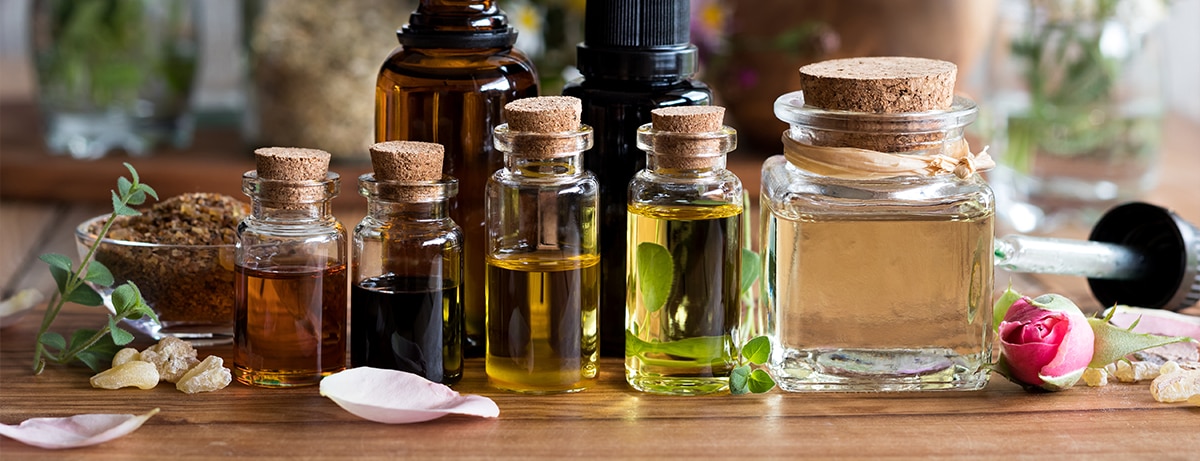
Oils are sensitive to light and heat, which can break down their nutrients. Store them in a cool, dark place to keep them fresh longer.
Glass bottles, especially amber or cobalt blue, help protect oils from sunlight. Avoid plastic containers that may leach chemicals.
| Oil Type | Typical Shelf Life | Storage Tip |
|---|---|---|
| Argan Oil | 12-24 months | Keep refrigerated for extended freshness |
| Rosehip Oil | 6-12 months | Store in dark glass away from heat |
| Jojoba Oil | Up to 5 years | Room temperature in a sealed bottle |
Have you checked your oils’ expiry dates lately? Using old oils can cause skin irritation or reduce effectiveness.
Credit: www.hollandandbarrett.com
Frequently Asked Questions
What Are The Best Oils For Glowing Skin?
Natural oils like jojoba, argan, and rosehip are great for glowing skin. They provide essential nutrients and hydration. These oils are rich in vitamins and antioxidants, promoting skin elasticity and radiance. Regular use can lead to visibly healthier skin. Always choose cold-pressed and organic options for best results.
How Do Oils Benefit Dry Skin?
Oils like coconut and almond are excellent for dry skin. They provide intense hydration and lock in moisture. These oils help repair the skin barrier and soothe irritation. With their fatty acids, they nourish and rejuvenate the skin. Regular application can alleviate dryness and improve skin texture.
Can Oils Help With Acne-prone Skin?
Yes, oils like tea tree and grapeseed can help acne-prone skin. They have antibacterial and anti-inflammatory properties. These oils can reduce acne-causing bacteria and calm redness. Use non-comedogenic oils to avoid clogging pores. Consistent use can lead to clearer, healthier skin over time.
Are Essential Oils Safe For All Skin Types?
Essential oils can benefit various skin types, but caution is needed. Always dilute essential oils with carrier oils before applying to skin. Conduct a patch test to ensure no allergic reaction occurs. Some oils may irritate sensitive skin, so choose ones suitable for your skin type.
Conclusion
Choosing the right oil can improve your skin’s health and glow. Each oil offers unique benefits for different skin types. Regular use helps keep skin soft, smooth, and hydrated. Natural oils often work better than synthetic products. Try oils like jojoba, almond, or rosehip for daily care.
Remember to test a small skin patch first. Healthy skin needs gentle and consistent care. Oils can be a simple step toward better skin. Your skin deserves the best natural support every day.