
Your morning skincare routine order can make all the difference in how your skin looks and feels throughout the day. But with so many products and steps, it’s easy to get confused about what to do first.
Imagine starting your day with a simple, effective routine that boosts your skin’s glow and keeps it healthy. You’ll discover the exact order to follow, so you can get the most out of every product you use. Ready to unlock your skin’s true potential?
Let’s dive in.

Credit: www.bellinispdx.com
Cleanse For Fresh Start
Starting your morning skincare routine with a cleanse sets a fresh base for your skin. It removes dirt, oil, and sweat that build up overnight. This step prepares your skin to absorb other products better. A good cleanse wakes up your skin, making it feel clean and refreshed.
Choosing The Right Cleanser
Select a cleanser that fits your skin type. For dry skin, use a gentle, hydrating cleanser. Oily skin benefits from a foaming or gel cleanser that controls shine. Sensitive skin needs a fragrance-free, mild cleanser to avoid irritation. Look for ingredients that soothe and protect your skin.
Proper Cleansing Techniques
Use lukewarm water to wet your face before applying cleanser. Gently massage the cleanser in circular motions for about 30 seconds. Avoid scrubbing hard, which can damage your skin. Rinse thoroughly and pat your face dry with a soft towel. Never rub your skin harshly after cleansing.
Tone To Balance Skin
Balancing your skin with a toner is a key step in your morning skincare routine. After cleansing, your skin can feel tight or uneven. Applying toner helps restore the natural pH level and prepares your skin to absorb moisturizers and serums better.
Benefits Of Toning
Toning refreshes your skin and removes any leftover impurities or cleanser residue. It tightens pores, making your skin look smoother and more refined. A good toner also helps control oil production, which can reduce breakouts throughout the day.
I noticed a big difference when I added toner to my routine—my skin felt less oily and looked brighter by midday. Have you ever experienced your face feeling dry or sticky after cleansing? Toning can solve that problem by adding a light layer of hydration.
Types Of Toners
Not all toners are the same. Some are alcohol-based and great for oily skin because they help reduce shine. Others contain hydrating ingredients like glycerin or aloe vera, which are perfect if your skin feels dry or sensitive.
- Clarifying toners:Remove excess oil and tighten pores.
- Hydrating toners:Add moisture and soothe irritated skin.
- Exfoliating toners:Contain acids like AHA or BHA to gently remove dead skin cells.
Choosing the right toner depends on your skin type and what it needs in the morning. What kind of toner does your skin respond best to? Experimenting with different types can help you find the perfect balance.
Apply Serum For Targeted Care
Applying serum during your morning skincare routine is a game-changer for targeted care. Serums are packed with concentrated ingredients designed to address specific skin concerns like dryness, dullness, or fine lines. Adding the right serum can give your skin a powerful boost right after cleansing and before moisturizing.
Popular Morning Serums
Choosing the right serum depends on what your skin needs most. Here are some popular options that many find effective:
- Vitamin C Serum:Brightens the skin and fights free radicals. It also helps even out skin tone.
- Hyaluronic Acid Serum:Provides intense hydration and plumps the skin for a fresh look.
- Niacinamide Serum:Reduces redness, controls oil, and minimizes pores.
- Peptide Serum:Supports skin firmness and smooths fine lines over time.
Have you tried any of these serums? Notice how your skin reacts and adjusts your choice accordingly.
How To Layer Serums
Layering serums can be tricky but very effective if done right. The key is to apply them based on texture and ingredient compatibility.
- Start with the thinnest, water-based serum first so it absorbs quickly.
- Follow with thicker, oil-based or silicone-based serums next.
- Wait a minute or two between layers to let each serum settle.
For example, if you use both a Vitamin C serum and a Hyaluronic Acid serum, apply the Vitamin C first because it is lighter, then add the Hyaluronic Acid.
Are you layering multiple serums? Pay attention to how your skin feels to avoid irritation or heaviness.
Moisturize For Hydration
Moisturizing your skin in the morning is key to locking in hydration and preparing your face for the day ahead. Without proper moisture, your skin can feel tight, dry, and may even look dull. Adding a moisturizer helps create a protective barrier that keeps your skin soft and smooth, making it easier to apply makeup or sunscreen afterward.
Picking The Best Moisturizer
Choosing the right moisturizer depends on your skin type and concerns. If you have oily skin, look for lightweight, oil-free formulas that won’t clog pores. Dry skin benefits from richer creams with ingredients like hyaluronic acid or ceramides that draw moisture in and lock it there.
For sensitive skin, pick fragrance-free and hypoallergenic options to avoid irritation. Don’t forget to check if your moisturizer contains SPF for added sun protection—this can save you time in your routine. Have you noticed how some moisturizers leave your skin feeling greasy while others soak in quickly? That’s why testing a small amount before buying can make a big difference.
Moisturizing Tips
Apply your moisturizer while your skin is still slightly damp. This helps trap water in your skin, boosting hydration. Use gentle upward strokes to massage the product in; this encourages blood flow and helps the moisturizer absorb better.
Don’t forget your neck and décolletage—these areas also need hydration and are often neglected. If your skin feels tight later in the day, a quick spritz of a hydrating mist can refresh your look without disturbing makeup. How does your skin feel a few hours after moisturizing? Paying attention to this can help you adjust your routine for better results.
Protect With Sunscreen
Protecting your skin with sunscreen is a crucial step in your morning skincare routine. It shields your skin from harmful UV rays that can cause premature aging, sunburn, and even skin cancer. Applying sunscreen daily ensures your skin stays healthy and youthful, no matter the weather or season.
Choosing Sunscreen Spf
SPF stands for Sun Protection Factor, and it tells you how well the sunscreen protects your skin from UVB rays. Dermatologists generally recommend using a sunscreen with at least SPF 30 for everyday use. If you spend a lot of time outdoors, consider SPF 50 or higher for better protection.
Look for broad-spectrum sunscreens that protect against both UVA and UVB rays. These protect your skin from aging and burning effects. Also, check the ingredients; mineral sunscreens with zinc oxide or titanium dioxide are often gentler on sensitive skin.
Proper Sunscreen Application
Applying sunscreen correctly is as important as choosing the right one. You need about a teaspoon of sunscreen just for your face and neck to get full protection. Don’t forget your ears, hairline, and the back of your neck—these spots often get missed.
Apply sunscreen 15 to 30 minutes before you go outside. This gives it time to absorb and create an effective barrier. If you plan to be outdoors for more than two hours, reapply every two hours, or immediately after swimming or sweating.
Have you ever noticed a white cast or sticky feeling after applying sunscreen? Choosing a formula that suits your skin type—gel for oily skin, cream for dry skin—can make a big difference in comfort and wearability.
Additional Boosters
Additional boosters enhance your morning skincare routine. These products target specific concerns. They improve skin texture, hydration, and overall appearance.
Eye Creams
Eye creams help reduce puffiness and dark circles. Apply gently using your ring finger. Pat the cream around the orbital bone, avoiding direct contact with eyes. Choose formulas with ingredients like caffeine or hyaluronic acid for a fresh look.
Facial Oils
Facial oils add extra moisture and nourishment. Use a few drops on slightly damp skin. This helps lock in hydration and gives a natural glow. Pick oils suited for your skin type, such as jojoba for oily skin or rosehip for dry skin.
Makeup Primers
Makeup primers create a smooth base for foundation. They help makeup last longer and reduce shine. Apply a small amount to your face, focusing on areas prone to oiliness or dryness. Primers often contain ingredients that protect skin from environmental stress.
Common Mistakes To Avoid
Many people make mistakes during their morning skincare routine. These errors can reduce the benefits of your skincare products and may harm your skin over time. Understanding these common mistakes helps keep your skin healthy and glowing.
Skipping Steps
Skipping important steps can leave your skin unprotected or unclean. Cleansing removes dirt and oil that build up overnight. Without this, other products may not work well. Moisturizing helps keep skin soft and stops dryness. Sunscreen protects from harmful sun rays and prevents damage. Each step plays a key role in skin health. Avoid missing any to get the full benefits.
Overloading Products
Using too many products or applying too much can irritate your skin. Layering several heavy creams or serums causes clogged pores. This may lead to breakouts or redness. Your skin can only absorb a small amount at a time. Choose a few key products and apply them in thin layers. This helps your skin breathe and stay balanced.
Credit: reluminatebeauty.com.au
Credit: www.lemon8-app.com
Frequently Asked Questions
What Is The Correct Order For Morning Skincare Routine?
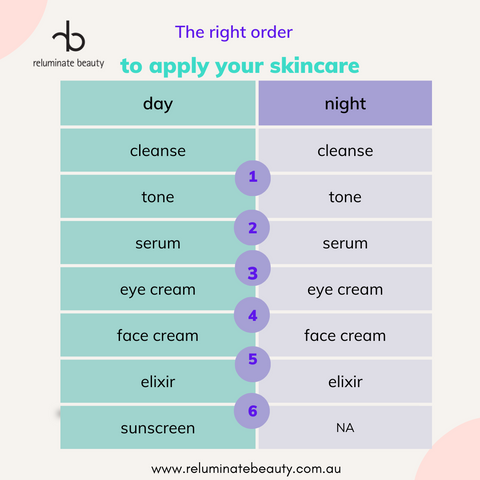
Start with cleansing, then toner, serum, moisturizer, and sunscreen. This order ensures maximum absorption and protection throughout the day.
How Soon Should I Apply Sunscreen After Moisturizer?
Apply sunscreen immediately after moisturizer. Wait for moisturizer to absorb fully, usually 1-2 minutes, then apply sunscreen evenly.
Can I Skip Toner In My Morning Routine?
Toner is optional but beneficial. It balances skin pH and enhances serum absorption. Choose alcohol-free toners for gentle care.
Should I Use Serum Before Or After Moisturizer?
Apply serum before moisturizer. Serums deliver concentrated ingredients deep into skin. Moisturizer locks in hydration and serum benefits.
Conclusion
Starting your day with a good skincare routine is vital. It refreshes and prepares your skin for the day ahead. Cleanse gently. Follow with a toner to balance skin. Apply serum for targeted benefits. Moisturize to lock in hydration. Don’t forget sunscreen, even on cloudy days.
Consistency is key for healthy skin. Stick to this order daily. Your skin will thank you. Remember, simple steps can make a big difference. Prioritize your skin every morning. It’s a small effort with great rewards. Keep your routine easy and effective.
Achieve a radiant and healthy look effortlessly.
