
Imagine waking up to a fresh start each day, your skin feeling calm, nourished, and ready to face the world. If you have sensitive skin, you know how challenging mornings can be.
Your skin requires special care and attention to prevent irritation and maintain its health. The struggle is real, but the solution is simpler than you might think. In this guide, you’ll discover an easy, effective morning skincare routine tailored specifically for your sensitive skin.
You’ll learn how to choose the right products and techniques that soothe and protect, setting you up for a day filled with confidence and comfort. Ready to transform your mornings and give your skin the love it deserves? Let’s dive in.
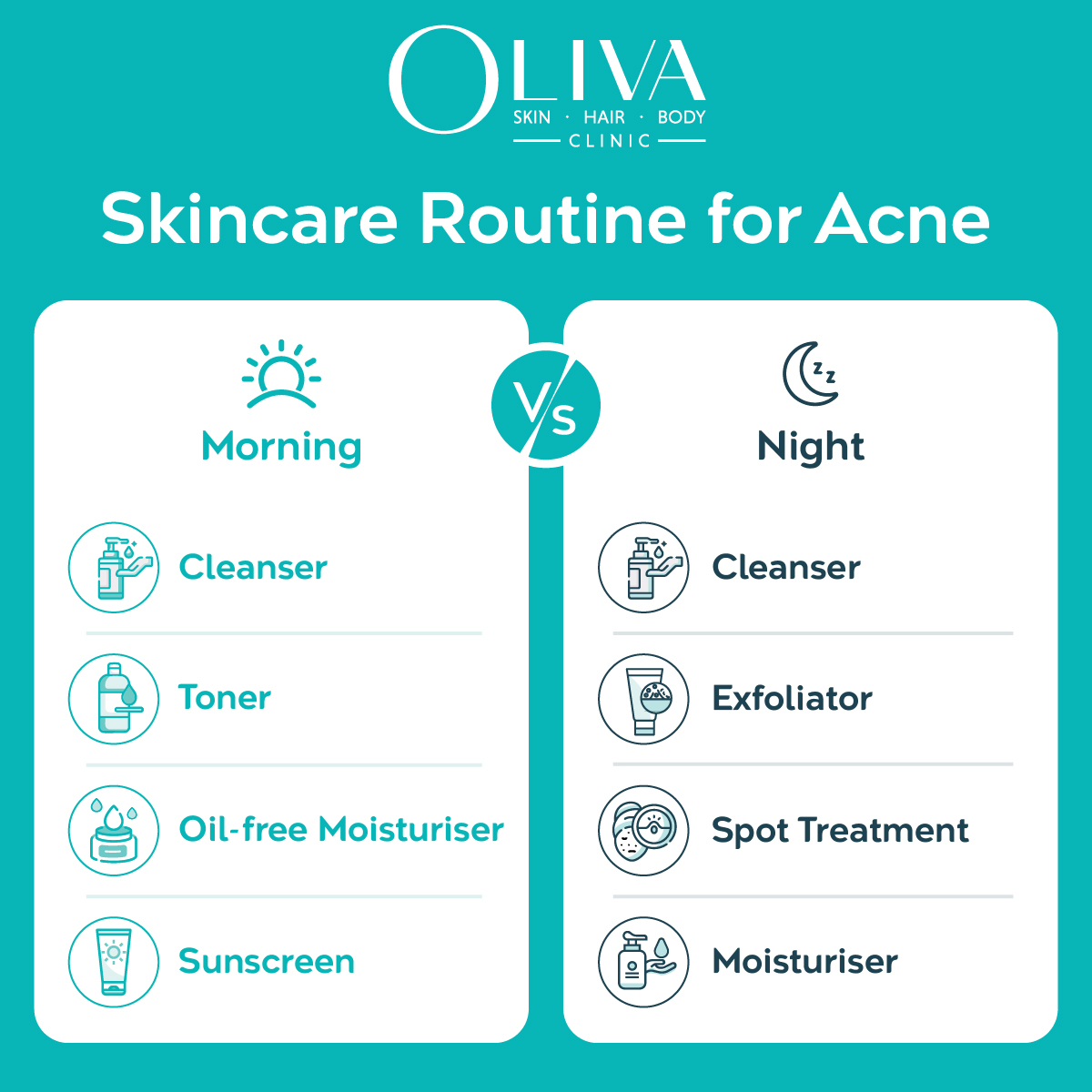
Credit: www.olivaclinic.com
Choosing The Right Cleanser
Choosing the right cleanser sets the tone for your entire morning skincare routine, especially when your skin is sensitive. The cleanser you pick can either soothe and protect your skin or trigger redness and irritation. Understanding what works best for your skin type helps you avoid unnecessary discomfort and keeps your complexion calm throughout the day.
Benefits Of Mild Formulas
Mild cleansers gently remove dirt and oil without stripping your skin’s natural moisture. They help maintain the skin’s protective barrier, which is crucial for sensitive skin. Using harsh cleansers often leads to dryness and irritation, but mild formulas keep your skin balanced and comfortable.
Many mild cleansers contain calming ingredients like aloe vera or chamomile. These ingredients not only cleanse but also reduce redness and inflammation. Have you noticed how a gentle cleanser can make your skin feel soft rather than tight? That’s the difference mild formulas make.
Ingredients To Avoid
Sensitive skin reacts badly to certain ingredients that are common in many cleansers. Avoid sulfates like sodium lauryl sulfate, which can strip away oils and cause irritation. Fragrances and alcohols are also common culprits that dry out and inflame sensitive skin.
Other ingredients to watch out for include parabens and harsh exfoliants like walnut shell powder. These can cause micro-tears or allergic reactions. Check your cleanser’s label carefully—are you using one that’s free from these irritants?
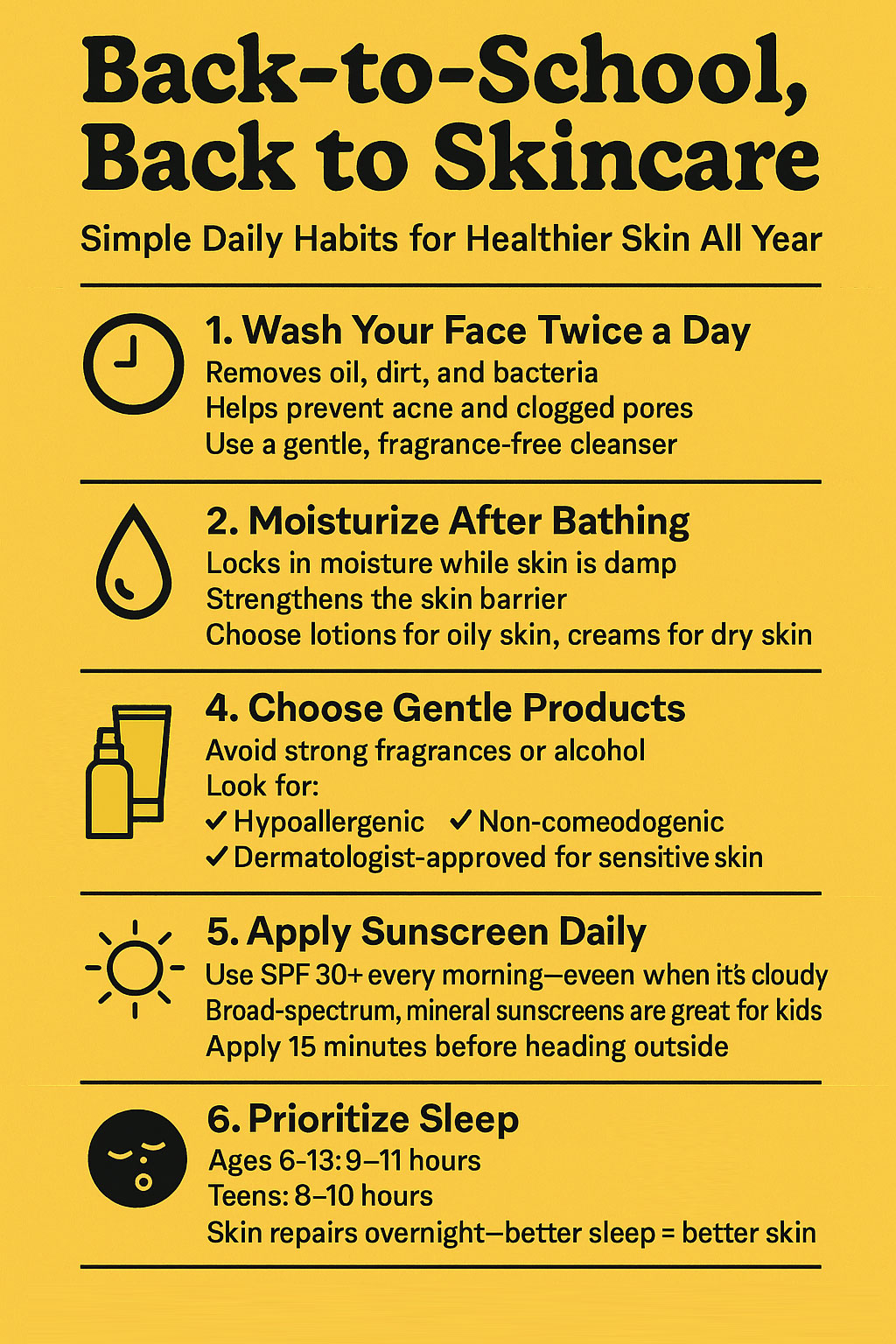
Credit: dermatologyofct.com
Soothing Toners For Sensitive Skin
Soothing toners calm and refresh sensitive skin after cleansing. They restore balance and prepare skin for moisturizer. The right toner reduces redness and irritation. It also helps skin absorb other products better. Choosing gentle, calming toners is key for sensitive skin care.
Alcohol-free Options
Alcohol can dry out and irritate sensitive skin. Toners without alcohol keep skin soft and hydrated. These options soothe without causing redness or tightness. Look for labels that say “alcohol-free” or “gentle.”
- Witch hazel without alcohol
- Aloe vera-based toners
- Cucumber water toners
- Rose water formulas
Natural Extracts To Look For
Certain natural extracts calm and heal sensitive skin. They help reduce inflammation and protect skin barriers. These ingredients add gentle care and moisture.
- Chamomile: Soothes and reduces redness
- Green tea: Antioxidant and anti-inflammatory
- Aloe vera: Hydrates and calms irritation
- Cucumber: Refreshes and cools skin
- Calendula: Helps with healing and softness
Hydration With Lightweight Moisturizers
Hydrating sensitive skin in the morning calls for lightweight moisturizers that soothe without overwhelming. These products provide the moisture your skin needs while keeping irritation at bay. Finding the right balance can transform your skincare routine and leave your skin feeling fresh and comfortable all day.
Non-comedogenic Choices
Choosing a non-comedogenic moisturizer is essential if your skin tends to break out or clog easily. These formulas avoid heavy oils and ingredients that block pores, helping your skin breathe better. Look for labels that specify “non-comedogenic” or “won’t clog pores” to reduce the risk of irritation and acne flare-ups.
Some popular non-comedogenic ingredients include:
- Hyaluronic acid – hydrates without heaviness
- Glycerin – draws moisture to the skin
- Dimethicone – creates a soft barrier without clogging
Have you noticed how some moisturizers feel heavy or greasy? Switching to a non-comedogenic option might be the simple change your skin needs to stay clear and calm.
Adding Barrier-repair Ingredients
Lightweight moisturizers that include barrier-repair ingredients strengthen your skin’s natural defense. Sensitive skin often has a compromised barrier, which leads to dryness and irritation. Ingredients like ceramides, niacinamide, and fatty acids help rebuild this barrier and lock in moisture.
Try to find moisturizers containing:
- Ceramides – restore the skin’s protective layer
- Niacinamide – reduces redness and improves texture
- Essential fatty acids – support skin elasticity and hydration
Think about the last time your skin felt tight or flaky in the morning. Adding barrier-repair ingredients can prevent that uncomfortable sensation and keep your skin balanced throughout the day.
Sun Protection Essentials
Sun protection is a must in any skincare routine. Sensitive skin needs gentle care to avoid irritation. Choosing the right sunscreen can protect your skin from harmful UV rays. This helps prevent redness, burning, and long-term damage.
Physical Vs Chemical Sunscreens
Physical sunscreens contain minerals like zinc oxide or titanium dioxide. They create a barrier that reflects sunlight. These are less likely to cause irritation on sensitive skin.
Chemical sunscreens absorb UV rays and turn them into heat. They often feel lighter on the skin but may cause stinging or redness. Reading labels helps find formulas made for sensitive skin.
Applying Sunscreen Correctly
Apply sunscreen every morning, even on cloudy days. Use about a teaspoon for your face. Spread it evenly and gently over all exposed areas.
Reapply sunscreen every two hours if you stay outside. Avoid rubbing or harsh movements. Let the sunscreen absorb naturally for best protection.
Incorporating Antioxidants
Incorporating antioxidants into your morning skincare routine helps protect sensitive skin from daily damage. Antioxidants fight free radicals that cause irritation and aging. They soothe redness and strengthen the skin’s barrier. Using antioxidant-rich products supports healthier, calmer skin throughout the day.
Benefits For Sensitive Skin
Antioxidants reduce inflammation and redness in sensitive skin. They protect against pollution and UV damage. These ingredients help repair skin cells and prevent irritation. Antioxidants also boost hydration and promote healing. Regular use improves skin texture and resilience.
Top Antioxidant Ingredients
- Vitamin C – Brightens skin and evens tone.
- Vitamin E – Moisturizes and calms irritation.
- Green Tea Extract – Soothes and reduces redness.
- Niacinamide – Strengthens skin barrier and reduces sensitivity.
- Resveratrol – Protects against environmental stress.
- Coenzyme Q10 – Helps repair and energize skin cells.
Avoiding Common Irritants
Avoiding common irritants is key for a gentle morning skincare routine. Sensitive skin can react to many everyday ingredients. Choosing the right products helps reduce redness, itching, and dryness. Knowing what to avoid protects your skin’s natural barrier. Careful selection creates a calm and fresh complexion each day.
Fragrance And Dye Concerns
Fragrances and dyes often cause irritation for sensitive skin. These ingredients can trigger redness or allergic reactions. Many skincare products contain artificial scents or colors. Look for labels that say “fragrance-free” or “dye-free.” Natural does not always mean safe. Even essential oils may irritate sensitive skin. Choose products with minimal ingredients to reduce risk.
Patch Testing New Products
Patch testing helps find out if a product suits your skin. Apply a small amount on your inner arm or behind the ear. Wait 24 to 48 hours before using it on your face. Watch for redness, itching, or swelling. This simple step prevents unwanted reactions. Always test one new product at a time. This way, you can easily identify any irritants.
Additional Tips For Morning Glow
Starting your day with a fresh glow feels wonderful. Sensitive skin needs extra care to avoid irritation. Small habits can make a big difference in your skin’s brightness. These tips enhance your morning routine without stress.
Gentle Massage Techniques
Use soft, upward strokes to massage your face. This helps blood flow and wakes up your skin. Avoid strong pressure to prevent redness or discomfort. Use fingertips or a soft brush designed for sensitive skin. Focus on areas like cheeks, forehead, and jawline. Massage also helps your skincare products absorb better.
Hydrating Mist Sprays
Hydrating mists add moisture without heavy creams. Choose mists with soothing ingredients like aloe vera or rose water. Spray lightly over your face after cleansing or makeup. Keep a small bottle nearby for a quick refresh during the day. Mists calm sensitive skin and boost hydration instantly.

Credit: www.doctorkatta.com
Frequently Asked Questions
What Is The Best Cleanser For Sensitive Skin In The Morning?
A gentle, fragrance-free cleanser with soothing ingredients like chamomile or aloe vera is ideal. Avoid harsh chemicals and exfoliants to prevent irritation.
How Often Should I Moisturize Sensitive Skin In The Morning?
Moisturize every morning after cleansing to lock in hydration. Use a lightweight, hypoallergenic moisturizer that calms and protects sensitive skin.
Can I Use Sunscreen On Sensitive Skin Daily?
Yes, daily sunscreen is essential. Choose a mineral-based, broad-spectrum SPF 30+ sunscreen formulated for sensitive skin to avoid redness and irritation.
What Ingredients Should I Avoid In A Morning Skincare Routine?
Avoid alcohol, fragrances, sulfates, and harsh exfoliants. These can cause dryness, redness, and irritation for sensitive skin types.
Conclusion
Caring for sensitive skin starts with a gentle morning routine. Choose mild products that soothe and protect your skin. Cleanse softly, apply moisturizer, and never skip sunscreen. Consistency helps your skin stay calm and healthy. Small steps each day make a big difference.
Your skin will thank you with a fresh, comfortable feel. Keep it simple. Stay patient. Gentle care brings lasting results.
