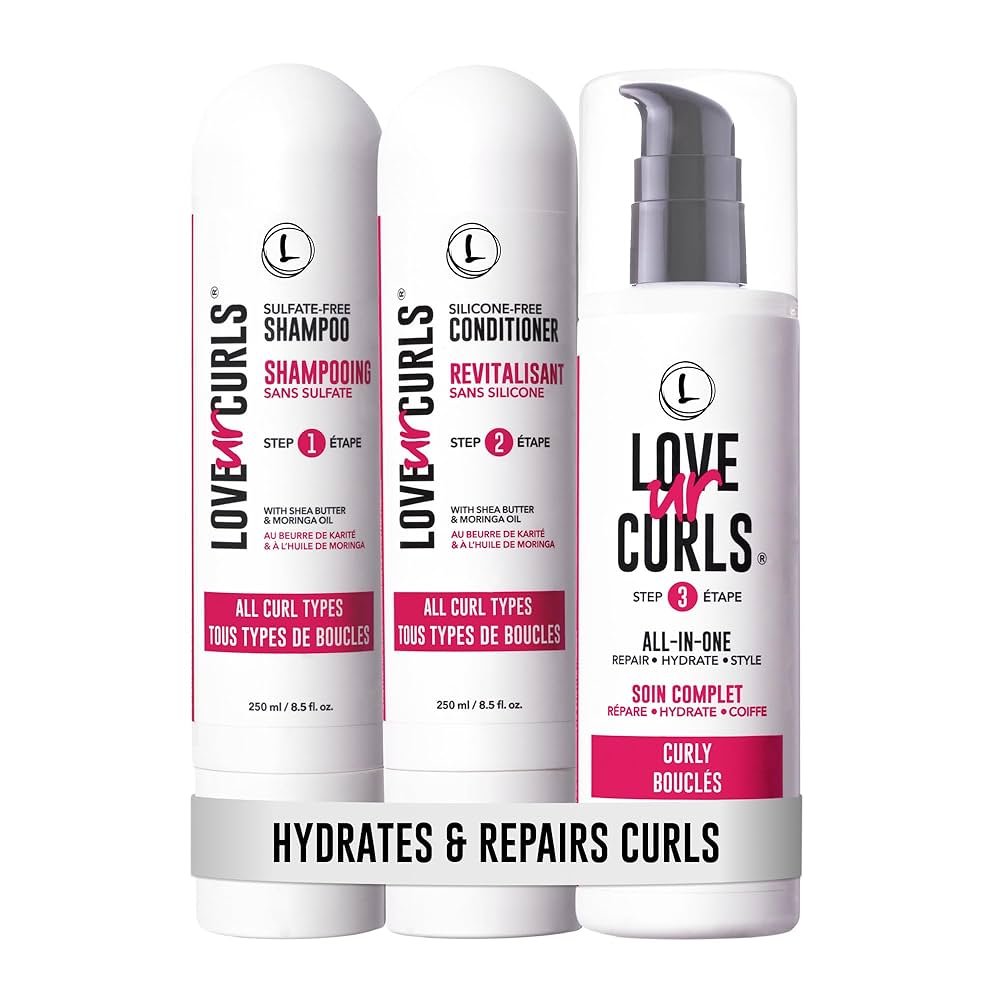
Are you tired of dealing with dry, brittle hair that just won’t cooperate? Your hair deserves the best care, and moisturizing hair care products can make all the difference.
Imagine running your fingers through soft, smooth strands every day—no more frizz, no more breakage. You’ll discover the secrets to choosing the right products that hydrate and revive your hair from root to tip. Keep reading to unlock the key to healthier, shinier hair you’ll love to show off.

Credit: www.amazon.ca
Benefits Of Moisturizing Hair Care
Moisturizing hair care products play a crucial role in maintaining healthy hair. They help restore the natural moisture balance, which often gets disrupted by environmental factors and styling routines. Using the right moisturizer can transform your hair from dry and brittle to soft and manageable.
Improved Hair Texture
Moisturizers smooth out rough hair strands, making your hair feel softer and easier to style. They help fill in the gaps on the hair shaft, which improves the overall texture. Have you noticed how your hair feels after a deep conditioning session? That’s the effect of moisture restoring the hair’s natural smoothness.
Reduced Frizz And Breakage
Dry hair is more prone to frizz and breakage because it lacks flexibility. Moisturizing products create a protective barrier that locks in hydration, reducing flyaways and split ends. If you struggle with brittle hair, adding a moisturizer to your routine can help prevent damage and keep your strands intact.
Enhanced Shine And Softness
When your hair is well-moisturized, it reflects light better, giving it a healthy shine. Softness comes from moisture plumping up the hair fibers, which makes your hair feel silky to the touch. Have you ever wondered why freshly moisturized hair looks so vibrant? It’s because moisture helps your hair appear alive and well-nourished.

Credit: nypost.com
Types Of Moisturizing Products
Choosing the right moisturizing hair care products can make a huge difference in your hair’s health and appearance. Different products serve unique purposes, so understanding their types helps you pick what your hair really needs. Let’s break down some key moisturizing products that you might want to include in your routine.
Leave-in Conditioners
Leave-in conditioners are lightweight formulas you apply after washing your hair. They keep your hair hydrated throughout the day without weighing it down. I used to skip this step until I noticed my hair felt dry just a few hours after washing—adding a leave-in made my hair soft and manageable all day.
These products often contain ingredients like aloe vera and glycerin, which attract moisture. They also help detangle and protect your hair from heat and environmental damage. If your hair feels dry between washes, this might be the product you need.
Deep Conditioning Masks
Deep conditioning masks deliver intense moisture and repair to hair that feels brittle or damaged. You apply them less frequently, usually once a week, and leave them on for 10 to 30 minutes. I remember using a deep mask after a summer of sun exposure; it restored the shine and softness I thought was lost.
Masks typically have richer ingredients like shea butter and oils that penetrate deeply. They’re perfect for giving your hair a moisture boost when it feels especially dry or rough. Do you notice your hair needs extra care after styling or coloring? A deep mask could be your best bet.
Hair Oils And Serums
Hair oils and serums seal in moisture and add a protective layer to your strands. They work well on dry ends and can reduce frizz instantly. I started applying a few drops of argan oil on my damp hair, and the difference was clear—it looked shinier and felt smoother.
These products often contain lightweight oils like jojoba or argan and sometimes silicone-based serums. Use them sparingly to avoid greasiness. If you want a quick fix for dull or flyaway hair, oils and serums offer an easy solution.
Hydrating Shampoos
Hydrating shampoos cleanse your hair without stripping away natural oils. If you use harsh shampoos, your hair can feel dry and brittle after washing. Switching to a hydrating shampoo helped me keep moisture locked in from the first wash.
Look for shampoos with moisturizing ingredients such as coconut oil, honey, or panthenol. They gently clean while nourishing your hair. Ask yourself, is your shampoo drying out your hair? Trying a hydrating version might improve your hair’s texture and softness.
Key Ingredients To Look For
Choosing the right moisturizing hair care products depends on their ingredients. Certain ingredients deeply nourish and protect hair. They help maintain softness, shine, and strength. Knowing these key ingredients helps pick products suited for dry or damaged hair.
Natural Oils And Butters
Natural oils and butters provide rich moisture and protection. They lock in hydration and smooth the hair cuticle. Common examples include:
- Coconut oil: penetrates hair for deep hydration.
- Shea butter: softens and repairs dry strands.
- Argan oil: adds shine and reduces frizz.
- Jojoba oil: balances scalp moisture without heaviness.
These ingredients create a barrier that seals moisture inside the hair.
Humectants
Humectants attract moisture from the air to the hair. They keep hair hydrated and prevent dryness. Popular humectants in hair care are:
- Glycerin: draws water to the hair surface.
- Honey: naturally pulls moisture and soothes scalp.
- Aloe vera: hydrates and calms irritated skin.
Humectants help maintain moisture balance, especially in dry climates.
Proteins And Vitamins
Proteins and vitamins rebuild and strengthen hair fibers. They improve hair texture and resilience. Look for ingredients like:
- Keratin: restores damaged hair structure.
- Hydrolyzed silk protein: smooths and adds shine.
- Vitamin E: protects hair from environmental stress.
- Biotin (Vitamin B7): supports healthy hair growth.
These nutrients nourish hair from root to tip, enhancing overall health.
Choosing Products For Different Hair Types
Choosing the right moisturizing hair care products depends heavily on your hair type. Each hair type has unique needs that influence how it reacts to ingredients and textures. Picking products that match your hair structure can make a huge difference in hydration and overall health.
Fine And Straight Hair
Fine, straight hair tends to get oily quickly and can feel weighed down by heavy moisturizers. Look for lightweight formulas like serums or sprays that add moisture without greasiness.
Products with ingredients such as glycerin or aloe vera can hydrate without clogging your roots. Avoid thick creams or oils that make your hair limp and flat.
Have you noticed how some conditioners leave your fine hair feeling heavy? Switching to a light leave-in conditioner might be the game changer you need.
Curly And Coily Hair
Curly and coily hair often struggles with dryness since natural oils have a harder time traveling down the hair shaft. Rich, creamy moisturizers are essential to keep curls soft and defined.
Look for products containing shea butter, coconut oil, or jojoba oil. These ingredients help lock in moisture and reduce frizz without stripping your hair.
Do you find your curls lose their bounce by midday? A deep conditioning treatment once a week could restore that lively texture.
Color-treated Hair
Color-treated hair needs extra care to maintain moisture and prevent fading. Choose products with UV protection and antioxidants to shield your hair from environmental damage.
Hydrating shampoos and conditioners with ingredients like argan oil and keratin help repair the hair cuticle. Avoid sulfates, which can strip color and cause dryness.
Are you struggling with dull color or brittle strands? Switching to sulfate-free, moisturizing products might be the key to vibrant, healthy hair.
Dry And Damaged Hair
Dry and damaged hair requires intense hydration and repair. Thick creams, oils, and masks packed with nourishing ingredients will help restore softness and strength.
Look for products containing proteins, fatty acids, and vitamins to rebuild your hair’s structure. Regular use of deep conditioners can prevent breakage and split ends.
Have you tried layering your products, like applying oil over conditioner? This technique can trap moisture more effectively and improve your hair’s feel.
Tips For Applying Moisturizing Products
Applying moisturizing hair care products correctly improves hair health and shine. Using the right amount and technique helps the product absorb well. Regular use keeps hair soft and hydrated without weighing it down. Follow these simple tips for the best results.
Proper Product Amounts
Use a small amount of product to start. About a dime size works for most hair lengths. Too much product can make hair greasy or heavy. Adjust the amount based on hair thickness and dryness. It’s easier to add more than to remove excess.
Application Techniques
Distribute the product evenly from roots to ends. Use fingers or a wide-tooth comb to spread it gently. Focus on dry or damaged areas that need extra moisture. Avoid applying too close to the scalp to prevent buildup. Lightly massage the product into hair strands for better absorption.
Frequency Of Use
Apply moisturizing products regularly but not daily. Two to three times a week suits most hair types. Overuse can lead to product buildup and dullness. Increase frequency in dry or cold weather for extra care. Pay attention to how your hair feels and adjust as needed.
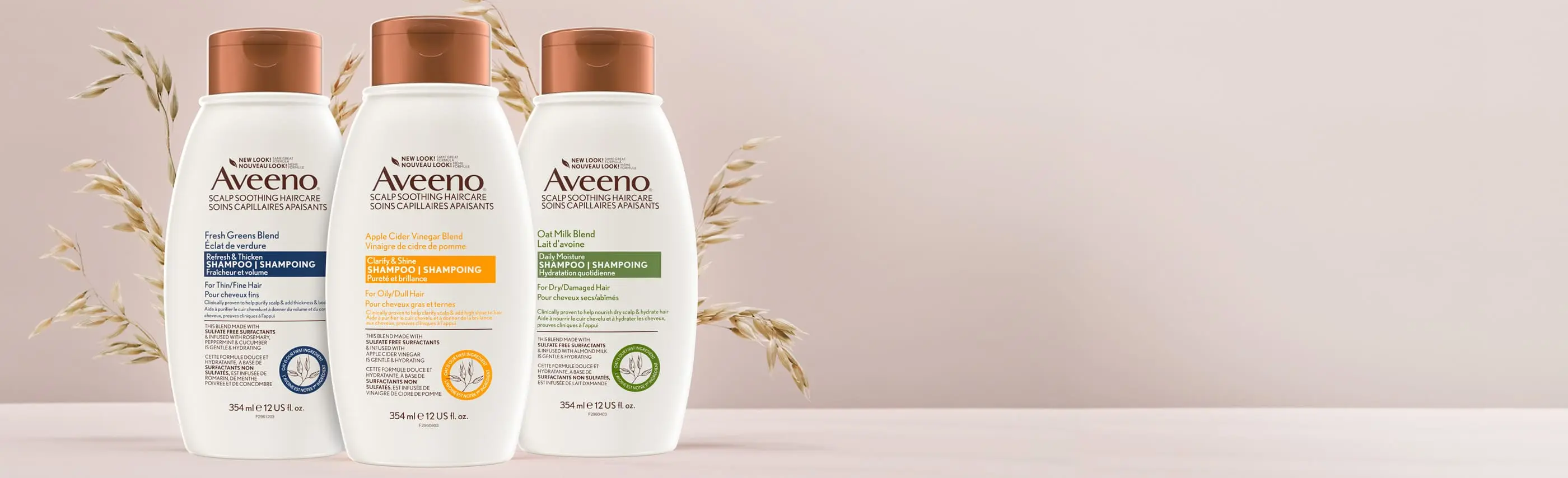
Credit: www.aveeno.ca
Common Mistakes To Avoid
Using moisturizing hair care products can improve hair health and shine. Many people make simple mistakes that reduce the benefits of these products. Avoiding these errors helps keep hair soft and hydrated. Understanding what to avoid is key for better hair care results.
Overloading Hair With Products
Applying too many products can weigh hair down. This causes hair to look greasy and dull. Excess product builds up, blocking moisture from reaching the hair. Use only the recommended amount on the label. Less is often more for healthy, moisturized hair.
Skipping Scalp Care
Moisturizing hair means caring for the scalp too. A dry scalp can cause flakes and irritation. It also affects hair growth and strength. Use gentle scalp treatments or oils to keep it healthy. Clean, moisturized scalp supports better hair moisture retention.
Ignoring Hair Porosity
Hair porosity affects how well moisture stays inside. Low porosity hair resists moisture, while high porosity loses it quickly. Choose products that match your hair’s porosity type. Proper product choice helps keep hair hydrated longer and reduces damage.
Diy Moisturizing Hair Treatments
DIY moisturizing hair treatments offer a simple way to nourish hair deeply. These treatments use natural ingredients found at home. They hydrate dry strands, making hair soft and shiny.
Creating your own treatments lets you control what goes on your hair. Avoid harsh chemicals and tailor the mix to your hair type. Enjoy the freshness and benefits of homemade care.
Natural Ingredient Recipes
Many natural ingredients provide moisture and repair. Use avocado, coconut oil, honey, and aloe vera. Each ingredient adds unique benefits and hydration.
- Avocado: Rich in vitamins and oils for deep moisture.
- Coconut oil: Penetrates hair to reduce protein loss.
- Honey: A natural humectant that locks in moisture.
- Aloe vera: Soothes scalp and adds light hydration.
At-home Hair Masks
Mix simple ingredients to create effective hair masks. Apply the mask evenly on damp hair. Leave it for 20-30 minutes before rinsing.
- Mashed avocado with honey for dry, brittle hair.
- Coconut oil and aloe vera gel for smoothness.
- Yogurt and olive oil blend for added shine.
Benefits Of Homemade Products
Homemade treatments are affordable and easy to make. They contain no harmful chemicals or preservatives. Fresh ingredients provide maximum nutrients to hair.
Using these products regularly improves hair texture and strength. They help reduce dryness and split ends naturally. Your hair feels healthier and looks more vibrant.
Maintaining Soft, Healthy Hair
Keeping your hair soft and healthy takes more than just using moisturizing hair care products. It requires consistent attention and smart habits that protect your hair from damage. Small changes in how you care for your hair can lead to big improvements in texture and shine.
Regular Trims And Care
Trimming your hair regularly helps prevent split ends from traveling up the hair shaft, which can make your hair look dry and frizzy. Even if you’re growing your hair out, getting a trim every 6 to 8 weeks keeps your ends healthy and maintains softness.
Along with trims, gentle care is essential. Avoid harsh brushing when your hair is wet, and use wide-toothed combs to detangle softly. These simple steps reduce breakage and keep your hair feeling smooth.
Healthy Hair Habits
How often do you wash your hair? Washing too frequently can strip natural oils, leaving hair dry and brittle. Try washing every 2-3 days and use sulfate-free shampoos that protect moisture.
Apply moisturizing conditioners and leave-in treatments right after washing to lock in hydration. Also, think about your diet; foods rich in omega-3 fatty acids and vitamins help your hair stay strong and soft from the inside out.
Protective Styling
Protective styles like braids, buns, or twists reduce exposure to environmental stress and minimize manipulation, which can cause damage. However, avoid styles that pull too tightly to prevent tension on your scalp and hairline.
Cover your hair with silk or satin scarves or use pillowcases made from these materials at night. They reduce friction and keep your hair’s moisture intact, so you wake up with less frizz and more softness.
Frequently Asked Questions
What Are The Best Moisturizing Hair Care Products?
The best moisturizing hair care products contain natural oils, humectants, and proteins. Look for ingredients like argan oil, shea butter, glycerin, and aloe vera. These products hydrate, nourish, and repair dry or damaged hair effectively. Choose based on your hair type for optimal results.
How Often Should I Use Moisturizing Hair Products?
Use moisturizing hair products 2-3 times a week for healthy hydration. Overusing can weigh hair down, while underusing may cause dryness. Adjust frequency based on your hair’s texture, climate, and condition to maintain balanced moisture without buildup or greasiness.
Can Moisturizing Products Help With Dry Scalp?
Yes, moisturizing hair products can soothe and hydrate a dry scalp. Ingredients like tea tree oil, jojoba, and aloe vera reduce itchiness and flakiness. Regular use improves scalp health, preventing dryness and promoting stronger, healthier hair growth over time.
Are Moisturizing Hair Products Suitable For All Hair Types?
Most moisturizing hair products suit all hair types but formulas vary. Fine hair benefits from lightweight, non-greasy products, while curly or coarse hair needs richer, heavier moisturizers. Always choose products tailored to your hair’s specific needs for best hydration and care.
Conclusion
Moisturizing hair care products keep your hair healthy and shiny. They help prevent dryness, breakage, and split ends. Choosing the right product is important for your hair type. Experiment with different products to find the best fit. Always look for natural ingredients.
They nourish without harsh chemicals. Consistent use leads to softer, smoother hair. Your hair deserves proper care and attention. Remember to hydrate and protect your hair regularly. Healthy hair boosts confidence and enhances appearance. Keep your hair moisturized and enjoy beautiful, manageable locks every day.
