Imagine waking up each morning, looking in the mirror, and seeing smooth, clear skin staring back at you. If acne scars have been a part of your life for too long, you’re probably yearning for that transformation.
Microneedling, a revolutionary skincare treatment, might just be the solution you’ve been searching for. This technique promises to rejuvenate your skin, reducing the appearance of those stubborn scars that have held you back from feeling confident. But what does microneedling for acne scars look like before and after treatment?
In this blog post, we’ll dive deep into real results, demystify the process, and explore why this treatment is gaining popularity among skincare enthusiasts. Stick with us, and you’ll discover how you can reclaim your skin’s natural beauty.
How Microneedling Works
Microneedling works by creating tiny, controlled injuries on the skin’s surface. These micro-injuries trigger the skin’s natural healing process. This process helps reduce acne scars and improves skin texture. The treatment enhances the skin’s ability to regenerate and repair itself. It supports the growth of new collagen and elastin fibers, which are key for healthy skin.
Stimulating Collagen Production
Microneedling stimulates collagen production by causing small punctures in the skin. These punctures send signals to the body to produce more collagen. Collagen is a protein that gives skin its strength and elasticity. Increased collagen helps fill in acne scars and smooths the skin’s surface. The new collagen also tightens the skin, making it look firmer and younger.
Skin Repair Process
The skin repair process begins immediately after microneedling. Blood flow increases to the treated area, bringing nutrients and oxygen. This helps repair damaged skin and promotes cell renewal. The skin forms new layers of healthy cells over time. The process improves skin tone and reduces the appearance of scars. Regular sessions enhance these effects, leading to clearer, smoother skin.
Types Of Microneedling Devices
Microneedling devices come in various types, each offering unique benefits for treating acne scars. Choosing the right device can impact the results and comfort of your treatment. Understanding the differences helps you make an informed choice.
Manual Dermarollers
Manual dermarollers are simple, handheld tools. They have a small roller covered with tiny needles. You roll it gently over the skin to create micro-injuries. This process boosts collagen production and improves skin texture.
These devices are affordable and easy to use at home. Needle lengths vary, allowing customization for different skin needs. Manual dermarollers require careful technique to avoid skin damage. They are best for mild to moderate acne scars.
Automated Pens
Automated microneedling pens are electronic devices with a motor. They move the needles up and down rapidly. This action creates precise and consistent micro-channels in the skin. Automated pens offer better control and depth adjustment than manual rollers.
They tend to be more comfortable and cause less pain. Many clinics prefer automated pens for professional treatments. These devices suit deeper scars and more advanced skin concerns. Healing time may be shorter due to precise needle movement.
Preparing For Treatment
Getting your skin ready before microneedling can make a big difference in how well the treatment works and how your skin heals afterward. Taking the right steps before the procedure helps reduce risks and sets the stage for smoother, clearer skin. Let’s look at what you should focus on before your microneedling session.
Skin Assessment
Before you schedule microneedling, a thorough skin assessment is key. A professional will check your skin type, acne scar depth, and any active skin conditions. This helps determine if microneedling suits your skin and how aggressive the treatment should be.
Think about any allergies or sensitivities you have. Sharing this info with your skin specialist helps avoid unwanted reactions. Have you noticed any recent changes like new breakouts or irritation? Mention these during your assessment to get the best advice.
Pre-treatment Care
In the days leading up to your microneedling session, your skin needs gentle care. Avoid strong exfoliants, retinoids, or chemical peels for about a week to prevent irritation. It’s also smart to stay away from sun exposure and always use a broad-spectrum sunscreen.
Hydration plays a big role too. Drinking enough water and using a mild moisturizer can improve your skin’s response to the needles. Sometimes, your provider may recommend a topical numbing cream to ease discomfort during the treatment. Have you prepared your skin in this way before a procedure?
Credit: mywellnessden.com
Treatment Process Explained
Understanding the treatment process of microneedling for acne scars can help you feel more confident before you start. This procedure uses tiny needles to create controlled skin injuries, which triggers your body’s natural healing response. The goal is to boost collagen production and improve the texture and appearance of your skin.
Step-by-step Procedure
The process begins with a thorough cleansing of your face to remove any dirt or oil. Next, a numbing cream is applied to minimize discomfort during the treatment. Once your skin is numb, the microneedling device is gently rolled or stamped over the affected areas.
These tiny needles create micro-channels in the skin, stimulating repair and renewal. The whole session usually lasts between 20 to 30 minutes. After the treatment, a soothing serum or moisturizer is applied to calm your skin and support healing.
Pain Management
You might worry about pain, but most people find the discomfort manageable thanks to the numbing cream. Some describe the sensation as tiny pinpricks or mild scratching. If you have a low pain threshold, communicate this with your practitioner—they can adjust the needle depth or take breaks as needed.
Post-treatment, you may experience slight redness or tenderness similar to a mild sunburn, which usually fades within a few days. Using gentle skincare products and avoiding sun exposure helps reduce irritation. Have you thought about how your pain tolerance might affect your experience?
Before And After Results
Microneedling offers a visible change in skin texture and acne scars. Examining before and after results helps set clear expectations. It shows how the treatment improves skin over time.
Many people notice smoother skin and less visible scars after microneedling. The treatment works by stimulating collagen and skin repair. Results vary based on skin type and scar depth.
Visual Comparisons
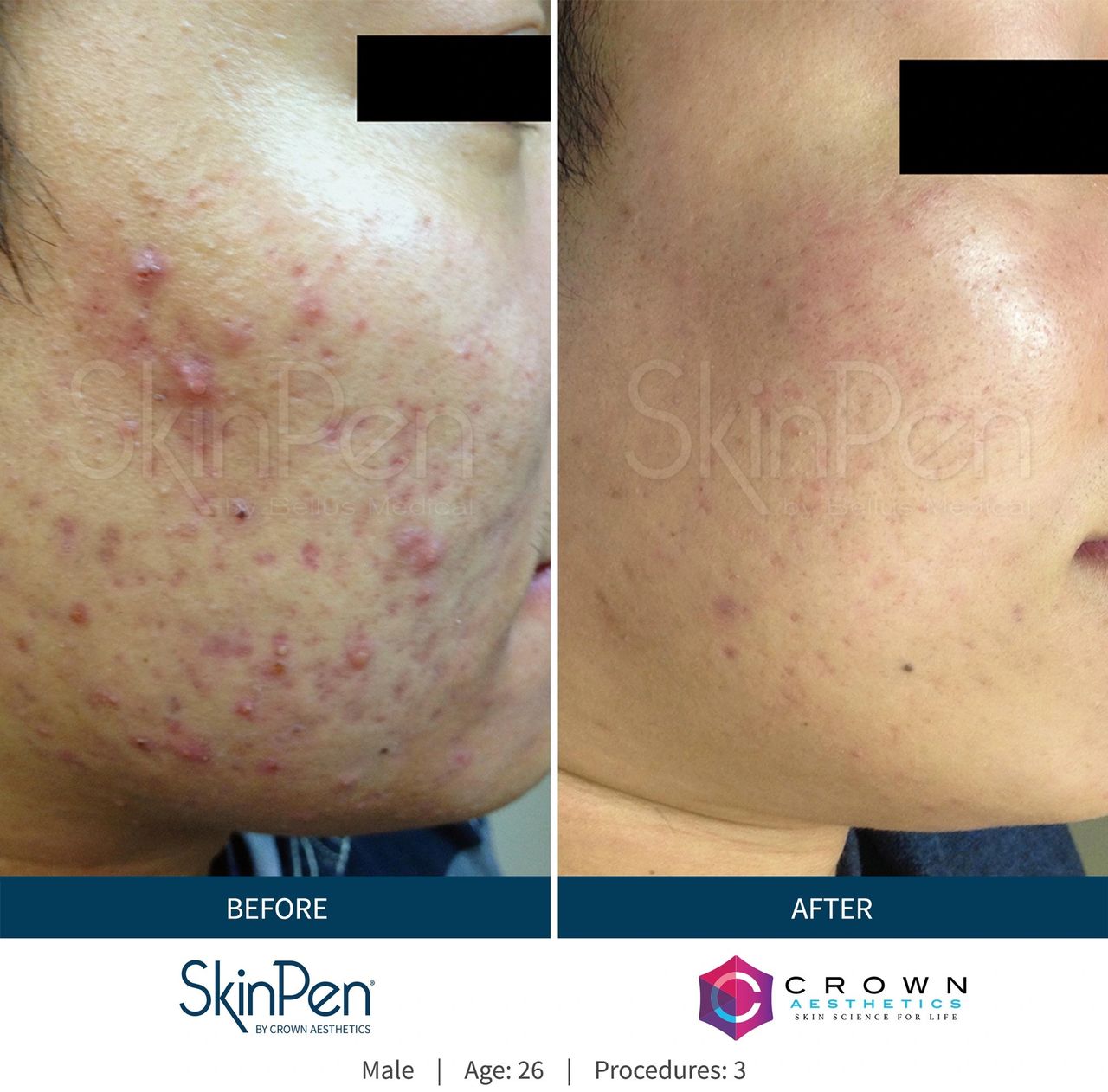
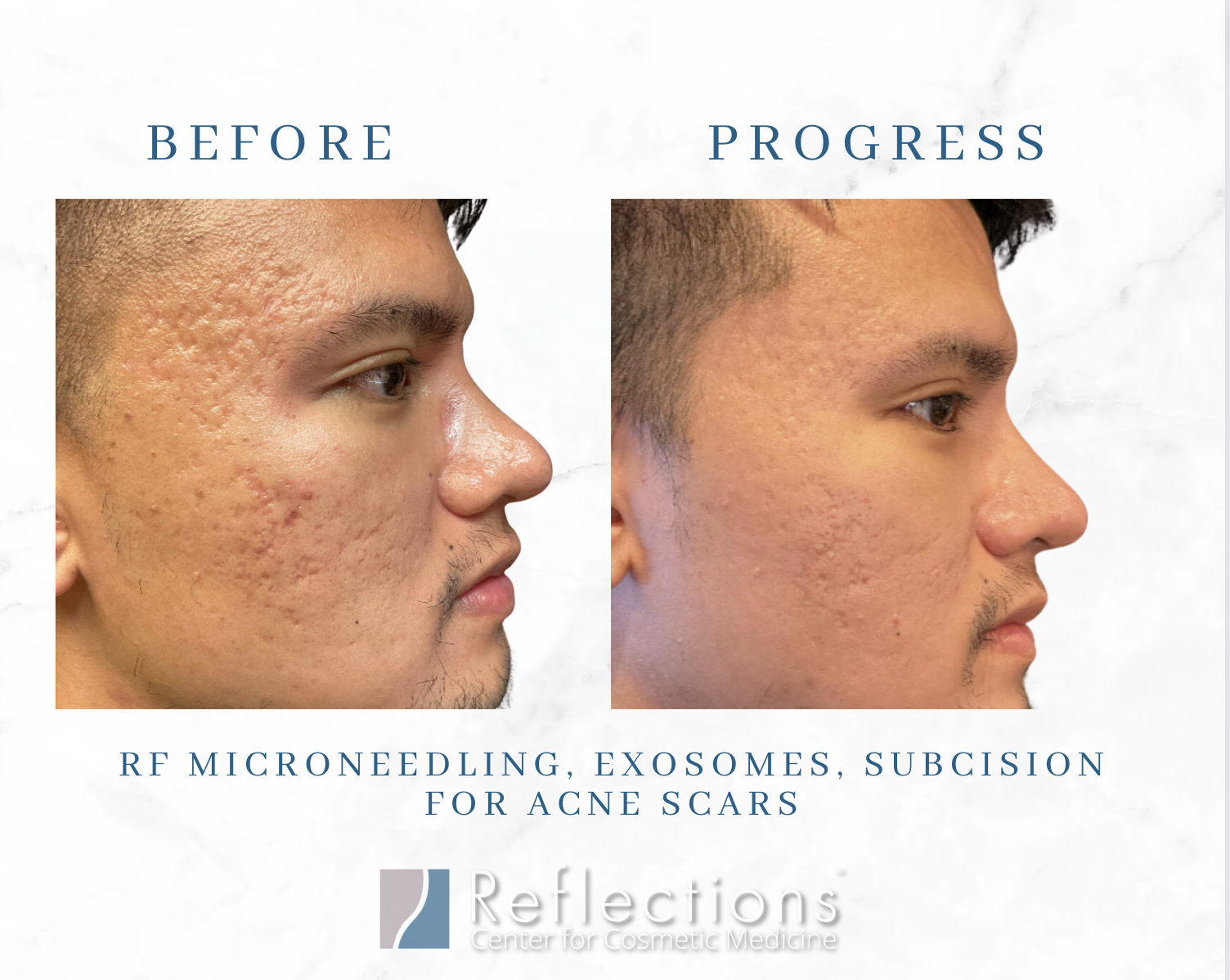
Photos show the real impact of microneedling on acne scars. Before images capture scars in their original state.
After images highlight the reduction in scar depth and redness. They reveal smoother, healthier skin texture.
Comparing these images side by side helps track progress clearly. It also builds confidence in the treatment’s effectiveness.
Timeline Of Improvements
Skin changes gradually after microneedling sessions. Initial redness and mild swelling appear right after treatment.
Within a week, skin starts to heal and look refreshed. Collagen production continues beneath the surface.
After one month, scars soften and skin texture improves noticeably. Most patients see significant progress after three to six sessions.
Ongoing treatments and good skincare maximize lasting results. Patience is key for visible, long-term scar improvement.
Benefits Beyond Scar Reduction
Microneedling is well-known for reducing acne scars, but its benefits go far beyond just scar improvement. Many who have tried microneedling notice changes in how their skin feels and looks overall. These additional benefits can make your skin healthier and more vibrant, giving you more reasons to consider this treatment.
Improved Skin Texture
One of the most noticeable changes after microneedling is smoother skin texture. The tiny needles create micro-injuries that trigger your skin to produce new collagen and elastin. This process fills in rough patches and uneven areas, making your skin feel softer and look more even.
People often share how their skin feels less bumpy and looks more polished after just a few sessions. Have you ever wished your skin felt as smooth as it looks in photos? Microneedling can help you get closer to that feeling.
Reduced Pore Size
Large pores can be frustrating, especially if they trap dirt and oil. Microneedling helps shrink these pores by encouraging the skin to rebuild itself tighter and stronger. Over time, you might notice your pores appear smaller and less noticeable.
This change can reduce the chance of future breakouts, making your skin easier to maintain. What if smaller pores could mean less makeup needed to cover imperfections? Many find this to be a welcome bonus after treatment.
Potential Risks And Side Effects
Microneedling for acne scars offers promising results, but it’s important to understand the potential risks and side effects before you start. Knowing what to expect helps you prepare and decide if this treatment suits your skin type and sensitivity. Awareness also guides you on how to care for your skin post-procedure to avoid complications.
Common Reactions
After microneedling, your skin may look red and feel tender for a few days. This reaction is normal as tiny needles create controlled micro-injuries to stimulate healing.
You might notice mild swelling, dryness, or peeling as your skin renews itself. Some people experience slight bruising or pinpoint bleeding during the session, but this usually fades quickly.
Occasionally, you may develop temporary dark spots or irritation, especially if your skin is sensitive or if you don’t follow aftercare instructions carefully.
When To Seek Medical Advice
If your skin reaction worsens beyond mild redness or swelling, it’s time to consult a healthcare professional. Watch out for signs of infection such as increased pain, pus, or warmth around the treated area.
Severe allergic reactions or prolonged discomfort lasting more than a week also require medical attention. Don’t hesitate to contact your dermatologist if you notice unusual symptoms after microneedling.
Have you ever experienced unexpected side effects from a skincare treatment? Listening to your skin and acting promptly can save you from long-term issues.

Credit: www.classycosmeticclinic.com
Aftercare Tips
Proper aftercare is key to getting the best results from microneedling for acne scars. Your skin needs gentle care to heal well and avoid damage. Following simple steps helps protect your skin and keeps irritation away. This care supports new skin growth and improves texture.
Skin Protection
Protecting your skin after microneedling prevents infection and sun damage. Avoid direct sunlight as your skin is very sensitive. Use a broad-spectrum sunscreen with at least SPF 30 every day. Wear a wide-brimmed hat or stay in the shade when outdoors. Keep your skin clean but avoid harsh washing. Use lukewarm water and a gentle cleanser to wash your face.
Avoiding Irritants
Stay away from strong skincare products for at least one week. Avoid products with retinol, acids, or alcohol as they can irritate your skin. Do not pick or scratch your skin to prevent scarring. Skip makeup for a few days to let your skin breathe. Use only mild moisturizers that soothe and hydrate your skin. Drink plenty of water to keep your skin healthy from inside.
Who Should Consider Microneedling
Microneedling is a popular choice for treating acne scars. It works by creating tiny wounds in the skin, which triggers natural healing. This healing process helps to smooth and reduce scars. Not everyone should try microneedling. Knowing who benefits most and who should avoid it is important.
Ideal Candidates
People with mild to moderate acne scars can see good results. Those with uneven skin texture or shallow scars are great candidates. Healthy individuals without skin infections respond better. Patients willing to follow post-treatment care achieve better healing. Age does not limit who can try microneedling, but younger skin may heal faster.
When To Avoid Treatment
Microneedling is not safe for everyone. Avoid if you have active skin infections or open wounds. People with severe acne or cystic acne should wait. Those with skin conditions like eczema or psoriasis risk irritation. Avoid if you use blood thinners or have bleeding disorders. Pregnant or breastfeeding women should consult a doctor first.
Combining Microneedling With Other Treatments
Combining microneedling with other treatments can improve results for acne scars. Each treatment targets the skin in a unique way. This combination helps boost healing and skin texture. Careful pairing enhances the overall effect safely.
Chemical Peels
Chemical peels remove dead skin cells and promote new growth. They prepare the skin before microneedling by smoothing the surface. This allows needles to penetrate deeper and work better. After microneedling, peels help reduce redness and speed recovery. The skin looks brighter and scars become less visible.
Topical Serums
Topical serums contain vitamins and antioxidants. Applying them after microneedling enhances absorption through tiny skin channels. Serums with hyaluronic acid hydrate the skin deeply. Vitamin C serums support collagen production and skin repair. This combination reduces scars and improves skin tone.
Credit: www.reflectionscenter.com
Frequently Asked Questions
What Results Can I Expect From Microneedling For Acne Scars?
Microneedling improves acne scars by stimulating collagen production. You’ll see smoother, firmer skin with reduced scar depth. Results typically appear after 3-6 sessions spaced weeks apart. Consistent treatment enhances skin texture and tone effectively.
How Long Is The Recovery Time After Microneedling?
Recovery usually takes 2-4 days. Mild redness and swelling are common immediately after treatment. Avoid sun exposure and use gentle skincare to support healing. Most people resume normal activities within a day or two.
Is Microneedling Safe For All Skin Types?
Yes, microneedling is generally safe for all skin types. It causes minimal damage, promoting natural skin repair. However, avoid if you have active infections, severe acne, or certain skin conditions. Consult a dermatologist before starting treatment.
How Many Microneedling Sessions Are Needed For Acne Scars?
Typically, 3-6 sessions are recommended for noticeable improvement. Sessions are spaced 4-6 weeks apart to allow skin recovery. The number varies based on scar severity and skin response.
Conclusion
Microneedling shows clear improvement in acne scars. Many people see smoother, softer skin after treatment. Results usually appear after a few sessions. It helps the skin heal and grow new cells. Be patient; healing takes some time. Always follow your doctor’s advice for best care.
This method suits different skin types well. Small needles boost collagen and skin repair. Many find it a safe, effective choice. Consider microneedling as a way to reduce acne scars. It can help you feel more confident in your skin.
