
If you’ve been battling acne scars and are searching for a solution that truly works, you’re in the right place. Imagine waking up each day to smoother, more even skin.
Microneedling could be the game-changer you’ve been looking for. This innovative treatment has been making waves for its ability to transform skin texture and diminish those stubborn scars. But what exactly happens before and after a microneedling session? And how can you ensure the best results for your skin?
Stick around as we dive into the world of microneedling, revealing what you need to know to achieve the complexion you’ve always dreamed of. Your path to clearer skin is just a few scrolls away.
What Is Microneedling
Microneedling is a popular skin treatment known for reducing acne scars. It involves tiny needles that gently prick the skin. This process helps the skin heal and grow new, healthy tissue. The treatment improves skin texture and tone over time.
Many people choose microneedling to get smoother skin without surgery. The needles create small wounds, which stimulate collagen production. Collagen is a protein that makes skin firm and elastic. Increasing collagen can fade acne scars and improve skin appearance.
How Microneedling Works
The device uses fine needles to create tiny punctures in the skin’s surface. These micro-injuries trigger the body’s natural healing process. Skin cells renew and collagen forms in the treated areas. This helps fill in acne scars and smooth the skin.
Tools Used In Microneedling
- Dermaroller: A small roller with many tiny needles.
- Derma pen: A pen-like device with a needle tip that moves up and down.
- Automated microneedling machines: Advanced devices used by professionals.
Benefits Of Microneedling For Acne Scars
- Reduces the depth and size of scars.
- Improves skin texture and smoothness.
- Stimulates natural collagen production.
- Minimal downtime and few side effects.
- Can be combined with other skin treatments.
How Microneedling Helps Acne Scars
Understanding how microneedling helps acne scars can change the way you approach your skincare routine. This treatment uses tiny needles to create controlled micro-injuries on the skin. These small punctures trigger your body’s natural healing process, which can improve the texture and appearance of acne scars.
How Microneedling Stimulates Collagen Production
Collagen is the key protein that keeps your skin firm and smooth. Acne scars often form when collagen is damaged or lost. Microneedling boosts collagen by signaling your skin to repair itself, filling in those indented scars over time.
Imagine your skin rebuilding like new after each session. This increased collagen production can make scars less visible and your skin healthier.
Improving Skin Texture And Tone
Microneedling doesn’t just reduce scars; it enhances your overall skin texture. The tiny needle punctures help break down old, damaged skin cells. This encourages the growth of new, fresh skin.
As a result, your skin becomes smoother and more even in tone. You might notice less redness and fewer dark spots after consistent treatments.
Enhancing Absorption Of Skincare Products
After microneedling, your skin absorbs products much better. The micro-channels created allow serums and creams to penetrate deeper. This means any active ingredients in your skincare routine work more effectively.
Using a nourishing serum right after microneedling can speed up healing and improve results. Have you ever wondered why some products don’t seem to work? Microneedling might be the reason your skin finally benefits from them.
Safe For Different Skin Types And Scars
Microneedling is versatile and can be adjusted to suit various skin types and scar depths. Whether your scars are shallow or deep, this treatment can target them carefully. It’s also suitable for sensitive skin when done by professionals.
Knowing your skin type and scar condition can help you decide if microneedling is right for you. Have you checked with a dermatologist about what your skin needs?
Preparing For Microneedling
Preparing for microneedling is key to getting the best results for acne scars. It helps your skin heal well and reduces risks. Taking the right steps before treatment makes a big difference in how your skin looks after.
Skin Assessment
A professional skin check is important before microneedling. The expert will look at your skin type and the depth of your scars. They check for any infections, rashes, or skin conditions that could affect treatment. This step ensures the procedure suits your skin and goals.
Pre-treatment Care
Good care before microneedling helps protect your skin and improve healing. Avoid sun exposure for at least a week before. Do not use harsh skincare products like retinoids or acids. Keep your skin clean and hydrated using gentle cleansers. Also, stop waxing or using exfoliants a few days before the session. This helps reduce irritation and prepares your skin for the needles.
Microneedling Procedure Step-by-step
Understanding the microneedling procedure helps ease any worries before treatment. It involves tiny needles that create small punctures in the skin. This triggers natural healing and boosts collagen production. The process is safe and quick, often done in a clinic or at home with proper tools.
The procedure follows clear steps to ensure effectiveness and safety. Each step prepares the skin and maximizes results for reducing acne scars. Here is a simple guide to the microneedling process.
Preparing The Skin
Cleanse your face thoroughly to remove dirt and oil. Use a gentle cleanser and pat dry with a clean towel. Some professionals apply a numbing cream to reduce discomfort. Let the cream sit for about 20 minutes before starting.
Choosing The Right Device
Select a microneedling tool with appropriate needle length. Shorter needles are best for beginners and sensitive skin. Longer needles reach deeper layers for severe scars but require expert use. Sterilize the device before treatment to avoid infection.
Performing The Microneedling
Roll or stamp the device gently over the skin. Move in different directions: vertical, horizontal, and diagonal. Avoid pressing too hard to prevent skin damage. Cover the entire scarred area evenly for consistent results.
Post-treatment Care
Apply a soothing serum or moisturizer immediately after the session. Avoid harsh skincare products and sun exposure for a few days. Keep the skin hydrated and clean to aid healing. Expect some redness or mild swelling, which should fade quickly.
Before Microneedling: What To Expect
Preparing for microneedling is essential for the best results on acne scars. Knowing what to expect helps reduce anxiety and improves your experience. This section outlines key points before your treatment.
Consultation And Skin Assessment
The first visit includes a thorough skin check. A professional examines your acne scars and skin type. They discuss your medical history and goals. This step ensures microneedling suits your skin condition.
Pre-treatment Skin Care
Avoid using harsh products like retinoids or acids for at least a week. Keep your skin clean and moisturized. Stay away from sun exposure and tanning beds. These steps prepare your skin for the procedure and reduce irritation risks.
What To Expect During The Procedure
You may feel mild discomfort or a slight prickling sensation. The provider uses a device with tiny needles to create micro-injuries. This stimulates collagen production to heal acne scars. The session usually lasts 30 to 60 minutes.
Post-treatment Planning
Plan to avoid makeup and heavy skincare products for 24 hours. Your skin might look red or feel sensitive, similar to a mild sunburn. Follow your provider’s advice on soothing creams and sun protection. This care helps your skin heal faster and better.
After Microneedling: Immediate Effects
Right after microneedling, your skin undergoes some noticeable changes. These immediate effects can give you clues about how well the treatment is working. Knowing what to expect can help you manage your skin’s reaction and care for it properly.
Redness And Mild Swelling
Expect your skin to look red and feel slightly swollen, similar to a mild sunburn. This happens because tiny needles create micro-injuries, triggering your body’s healing process. The redness usually fades within a few hours to a couple of days.
Sensation Of Warmth And Tightness
Your skin might feel warm and tight right after the session. This is a sign that blood flow has increased, bringing nutrients to repair damaged skin. It’s normal but can be uncomfortable; applying a cool compress can soothe these sensations.
Visible Pinpoint Bleeding Or Tiny Scabs
Some tiny spots of bleeding may appear, especially if your skin is sensitive. These are tiny punctures healing quickly on their own. Avoid picking or scratching to prevent scarring or infection.
Skin May Look Shiny Or Slightly Wet
After treatment, your skin might appear shiny or moist due to the healing serums often applied. This layer helps protect and hydrate your skin while it repairs. Keep it on as directed by your practitioner to maximize benefits.
Increased Sensitivity To Touch And Products
Your skin will be more sensitive to touch and skincare products right after microneedling. This sensitivity means you need to be gentle and avoid harsh chemicals or exfoliants. Have you noticed how your skin reacts differently right after the session?
Long-term Results On Acne Scars
Microneedling offers visible improvements on acne scars over time. The process triggers the skin’s natural healing, creating new collagen and skin cells. This repair can soften scar texture and reduce redness gradually.
Long-term results depend on multiple sessions and consistent care. Patience is key as changes appear slowly but steadily. Many users report smoother, clearer skin months after treatment ends.
Collagen Production Boost
The main benefit of microneedling is increased collagen production. Tiny needles create micro-injuries that signal skin to heal. This healing forms fresh collagen, improving skin structure and elasticity.
Over several months, collagen rebuilds scar tissue and fills in indentations. This process helps scars become less noticeable and skin tone more even.
Gradual Scar Softening
Microneedling does not erase scars immediately. Instead, it softens scar edges and raises depressed areas slowly. This gradual smoothing makes scars blend better with surrounding skin.
Repeated treatments lead to visible texture improvements and less roughness. Results improve with time as skin continues to repair itself.
Long-lasting Skin Improvement
Results from microneedling can last for years if skin is cared for properly. Healthy skin habits enhance collagen maintenance and prevent new scars. Sun protection and moisturization help preserve treatment gains.
Regular follow-up sessions may be recommended to maintain skin firmness and smoothness. This keeps acne scars minimized and skin looking healthier over time.
Real Patient Stories
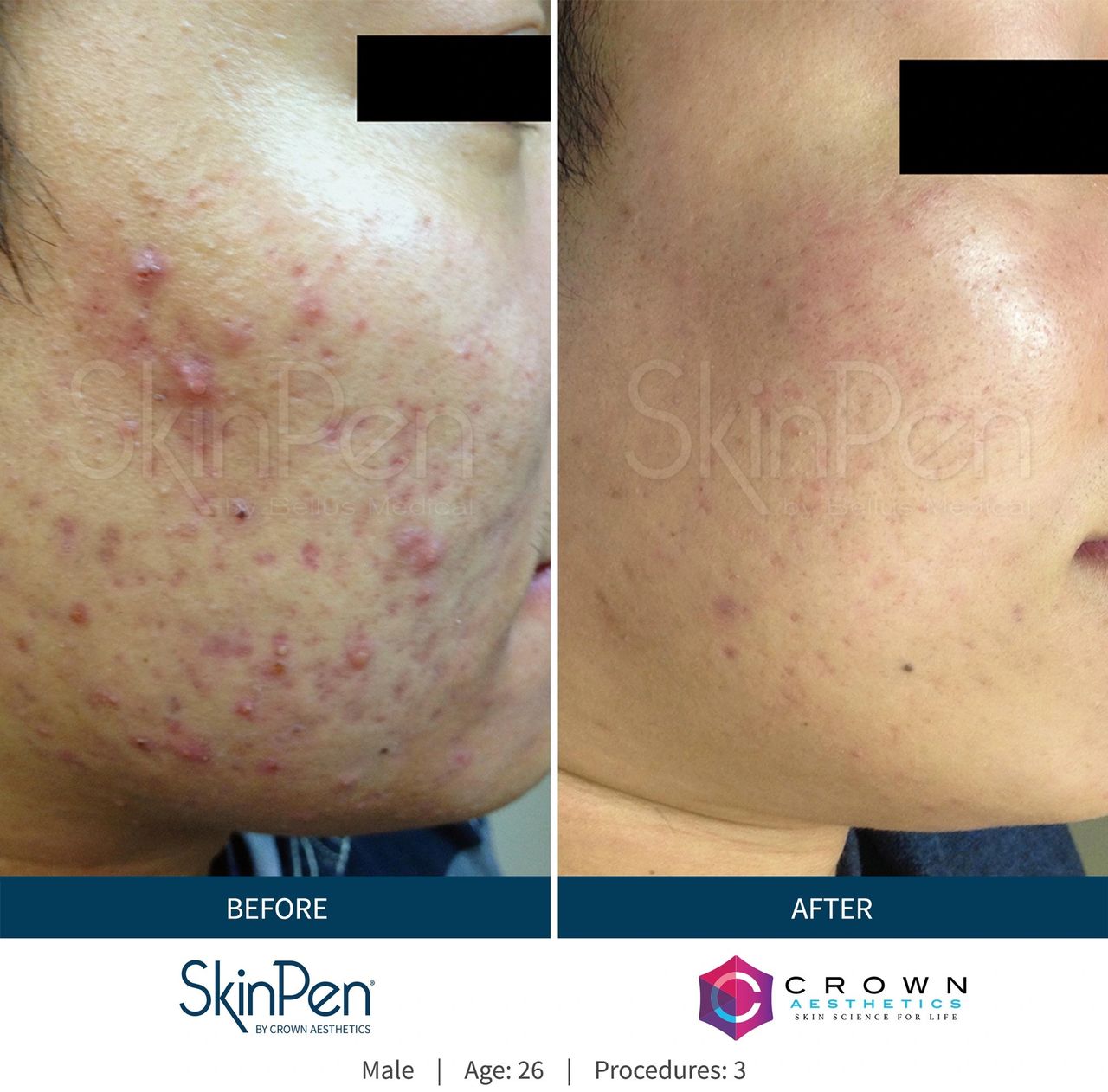
Real patient stories bring microneedling results to life. They show true changes in skin texture and appearance. These stories help set clear expectations for those with acne scars. Each experience is unique but shares a common theme: improvement and hope.
Reading about others’ journeys makes the process less intimidating. Patients often describe the gradual fading of scars. Their skin looks smoother, and confidence grows. These accounts give a real look at what microneedling can achieve.
Sarah’s Journey: From Deep Scars To Smooth Skin
Sarah struggled with deep acne scars for years. After several microneedling sessions, she noticed softer skin. Her scars became less visible. She said the treatment was uncomfortable but worth it. Sarah feels happier seeing her reflection now.
Mark’s Experience: Quick Healing And Visible Results
Mark had moderate acne scars on his cheeks. He chose microneedling for its minimal downtime. After three treatments, his scars started to fade. Mark appreciated the quick healing process. He recommends patience and following aftercare advice.
Emily’s Story: Boosting Confidence After Acne
Emily’s acne left small, uneven scars. Microneedling helped even her skin tone. She noticed improvements after the second session. Emily says her confidence increased as her scars softened. She encourages others to try microneedling with realistic expectations.
Common Themes From Real Patients
- Visible reduction in acne scar depth and size
- Gradual improvement over multiple sessions
- Temporary redness and mild discomfort
- Increased skin smoothness and evenness
- Improved self-esteem and confidence
Common Side Effects And Risks
Microneedling offers promising results for reducing acne scars, but it’s important to understand the common side effects and risks before you decide to try it. Knowing what to expect can help you prepare and manage your skin properly after the procedure. Let’s take a closer look at what might happen to your skin during the healing process.
Redness And Swelling
Right after microneedling, your skin often looks red and swollen, similar to a mild sunburn. This usually lasts a few hours to a couple of days. It’s a normal reaction because the tiny needles create micro-injuries that trigger your skin’s natural healing process.
Skin Sensitivity And Irritation
You may notice increased sensitivity or slight irritation after the treatment. This can make your skin feel tight or itchy. Avoid using harsh skincare products until your skin calms down to prevent further irritation.
Possible Bruising And Bleeding
Minor bruising or pinpoint bleeding can happen, especially if the needles penetrate deeper or if your skin is thin. It might seem alarming, but these effects are usually mild and heal quickly. Applying gentle pressure and cold compresses can help reduce bruising.
Risk Of Infection
Since microneedling creates small punctures, there’s a risk of infection if the procedure isn’t done under sterile conditions. Make sure your practitioner uses sterilized tools, and keep your skin clean after treatment. If you notice unusual pain, pus, or swelling, contact your dermatologist immediately.
Hyperpigmentation Or Dark Spots
Some people might experience dark spots or hyperpigmentation after microneedling, especially if they have darker skin tones or don’t protect their skin from the sun. Using sunscreen diligently post-treatment is crucial to avoid this risk.
Scarring And Skin Damage
Though rare, improper microneedling technique can cause scarring or worsen existing scars. If you’ve tried microneedling before and didn’t see good results, it could be due to the depth or frequency of the treatment. Always choose a qualified professional to minimize these risks.

Credit: collagenpin.com
Tips For Best Results
Getting the best results from microneedling for acne scars requires more than just showing up for the treatment. Your preparation, post-care, and realistic expectations all play a crucial role in how your skin heals and improves. Think of microneedling as a partnership between you and your skin—how you treat it before and after can accelerate your journey to smoother skin.
Preparing Your Skin Before Microneedling
Clean skin is your best starting point. Avoid using harsh exfoliants or active ingredients like retinol a few days before your session to reduce irritation risks.
Hydrate your skin well in the days leading up to the treatment. Well-moisturized skin responds better and recovers faster.
Have you noticed how your skin reacts to certain products? Avoid anything that causes sensitivity so your skin is calm and ready.
Post-treatment Care Essentials
After microneedling, your skin is more sensitive and vulnerable. Use gentle, fragrance-free moisturizers and sunscreens to protect the new skin layers.
Avoid direct sunlight and tanning beds for at least a week. Your skin is healing, and UV exposure can cause pigmentation or irritation.
Resist the urge to pick or scrub your skin. Let it heal naturally to prevent scarring or infection.
Consistency And Patience Matter
Microneedling results build over time. One session won’t erase deep scars completely, but multiple treatments spaced weeks apart can make a noticeable difference.
Track your progress with photos. Sometimes the changes are subtle, and seeing before-and-after pictures keeps motivation high.
How committed are you to your skincare routine? Regular follow-ups and care can transform your skin’s texture more than a single treatment ever could.
Choosing The Right Professional And Equipment
Your results depend heavily on the skill of the person performing the microneedling. Research their experience with acne scars specifically.
Ask about the type of device used—automated pens with adjustable needle depths often provide better control and safety than manual rollers.
Trust your instincts: if the practitioner doesn’t explain the process clearly or rushes you, consider finding someone else.
Combining Microneedling With Other Treatments
Combining microneedling with other treatments can boost results for acne scars. This approach targets scars from different angles. It helps improve skin texture and tone more effectively. Many people see faster and clearer improvements with combined therapies.
Microneedling And Chemical Peels
Chemical peels remove dead skin cells and brighten the face. Microneedling after a peel helps products absorb better. This combination encourages new skin growth and reduces scars. It also smooths rough patches and evens skin color.
Microneedling And Laser Therapy
Laser treatments break down scar tissue and boost collagen. Microneedling follows to stimulate healing and skin renewal. Together, they improve deep scars and skin firmness. The skin looks smoother and more youthful after both.
Microneedling And Topical Serums
Using serums with microneedling increases serum absorption. Ingredients like vitamin C and hyaluronic acid work better. These serums hydrate and repair damaged skin. This combo helps fade scars and improve skin health.
Microneedling With Platelet-rich Plasma (prp)
PRP uses platelets from your blood to heal skin faster. Microneedling creates channels for PRP to reach deeper layers. This speeds up collagen production and skin repair. The result is reduced scar visibility and smoother skin.
Credit: mywellnessden.com

Credit: www.vervelaser.com
Frequently Asked Questions
What Is Microneedling For Acne Scars?
Microneedling is a skin treatment that uses tiny needles to stimulate collagen production. It helps reduce acne scars by promoting skin healing and texture improvement. This minimally invasive procedure is effective and safe for most skin types.
How Long To See Microneedling Results?
Visible improvements usually appear within 4 to 6 weeks. Full results can take up to 3 months as collagen builds and scars soften. Multiple sessions are often needed for optimal scar reduction.
Is Microneedling Painful For Acne Scars?
Most patients experience mild discomfort during microneedling. A topical numbing cream is applied before the procedure to minimize pain. The treatment is generally well-tolerated with minimal downtime.
How Many Microneedling Sessions Are Required?
Typically, 3 to 6 sessions spaced 4 to 6 weeks apart are recommended. This allows gradual collagen remodeling and significant acne scar improvement over time.
Conclusion
Microneedling can improve acne scars with regular sessions. Many people see smoother, clearer skin after treatment. Results depend on skin type and scar depth. Patience is important; changes appear over weeks. Always follow care instructions before and after microneedling. Talk to a skin expert to plan your treatment.
Healthy skin can boost your confidence and comfort. Try microneedling as a safe step toward better skin. Small needles, big changes—step by step.